Warning Signs That Pests May Be Hiding Inside Your Home
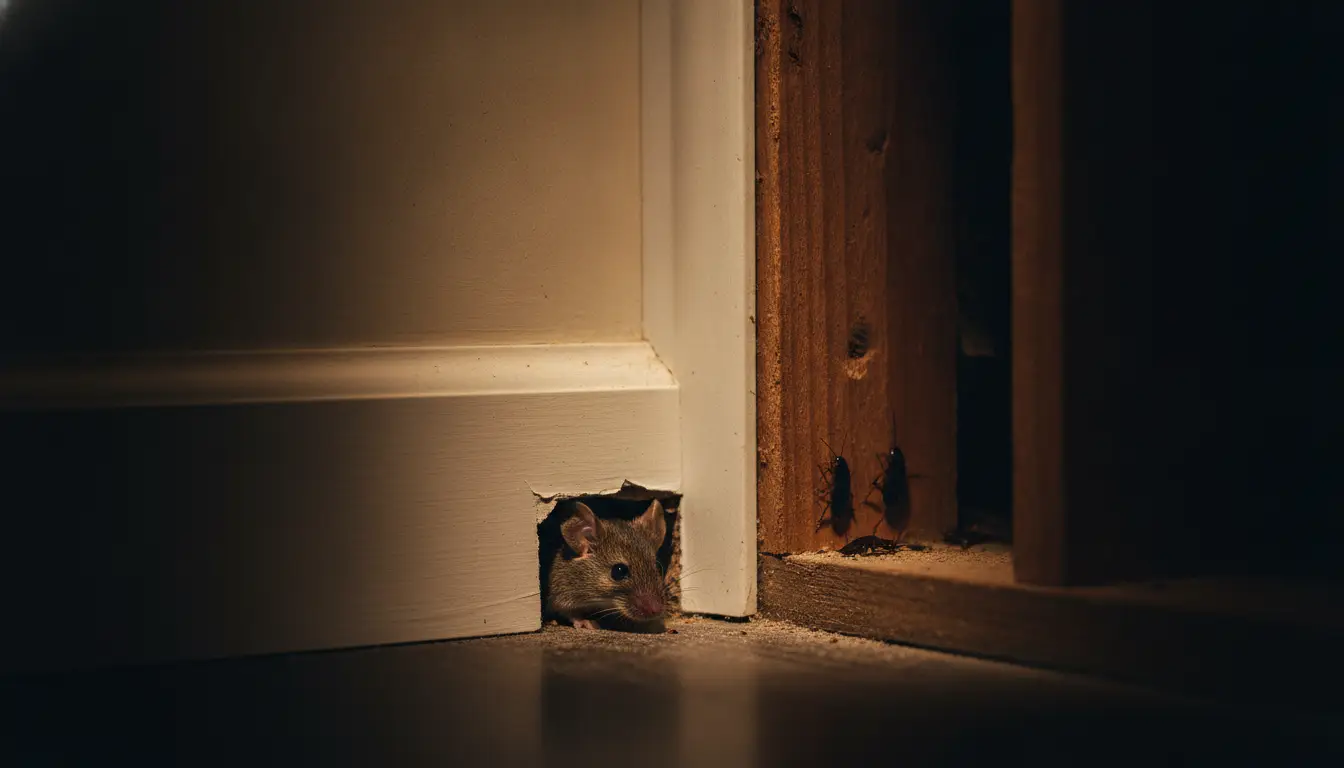
Most homeowners assume they’ll see a pest before they have an infestation on their hands. In practice, the opposite is usually true. Rodents, cockroaches, termites, and ants are naturally inclined to avoid open, well-lit spaces, which means they can live inside walls, attics, and cabinets for weeks or months before anyone notices a direct sighting. By the time a live insect or rodent is spotted in plain view, the population behind the scenes is often already established. Learning to recognize the quieter, secondary signs of pest activity is one of the most effective ways to catch a problem early before it turns into a larger and more costly issue.
Droppings and Shed Body Parts Are Often the First Clue
Droppings are one of the most reliable indicators of pest activity, yet they’re frequently mistaken for dirt or debris. Mouse droppings are small, dark, and pellet-shaped, typically found along baseboards, inside cupboards, or near food storage areas. Cockroach droppings, by comparison, resemble coffee grounds or black pepper and tend to collect in corners, behind appliances, or under sinks.
Shed body parts offer another overlooked clue. Cockroaches molt several times before reaching adulthood, leaving behind translucent, insect-shaped shells that are easy to miss unless a homeowner is looking closely. Similarly, discarded wings near windowsills or light fixtures can signal a swarm of winged termites or ants, which typically shed their wings shortly after finding a new nesting site. According to entomologists at the University of Kentucky, this swarming behavior often marks the beginning of a new termite colony nearby, making it a particularly important sign to catch early.
Damaged Packaging and Gnaw Marks Point to Rodent Activity
Rodents need to gnaw constantly to keep their front teeth from overgrowing, and this habit leaves behind fairly distinctive evidence. Torn cereal boxes, chewed plastic packaging, and small holes in cardboard containers are common signs that mice or rats have been foraging in a pantry or garage. Gnaw marks on wood, wiring, or baseboards are equally telling, since rodents will chew through nearly any material that stands between them and a potential nest site or food source.
Electrical wiring is a particular concern here. The Insurance Information Institute has noted that rodent damage to wiring is a recognized contributor to some residential electrical fires, which makes gnaw marks near outlets or in attics worth investigating right away rather than dismissing as minor damage.
Hollow Wood and Unusual Sounds Can Signal Termites or Rodents
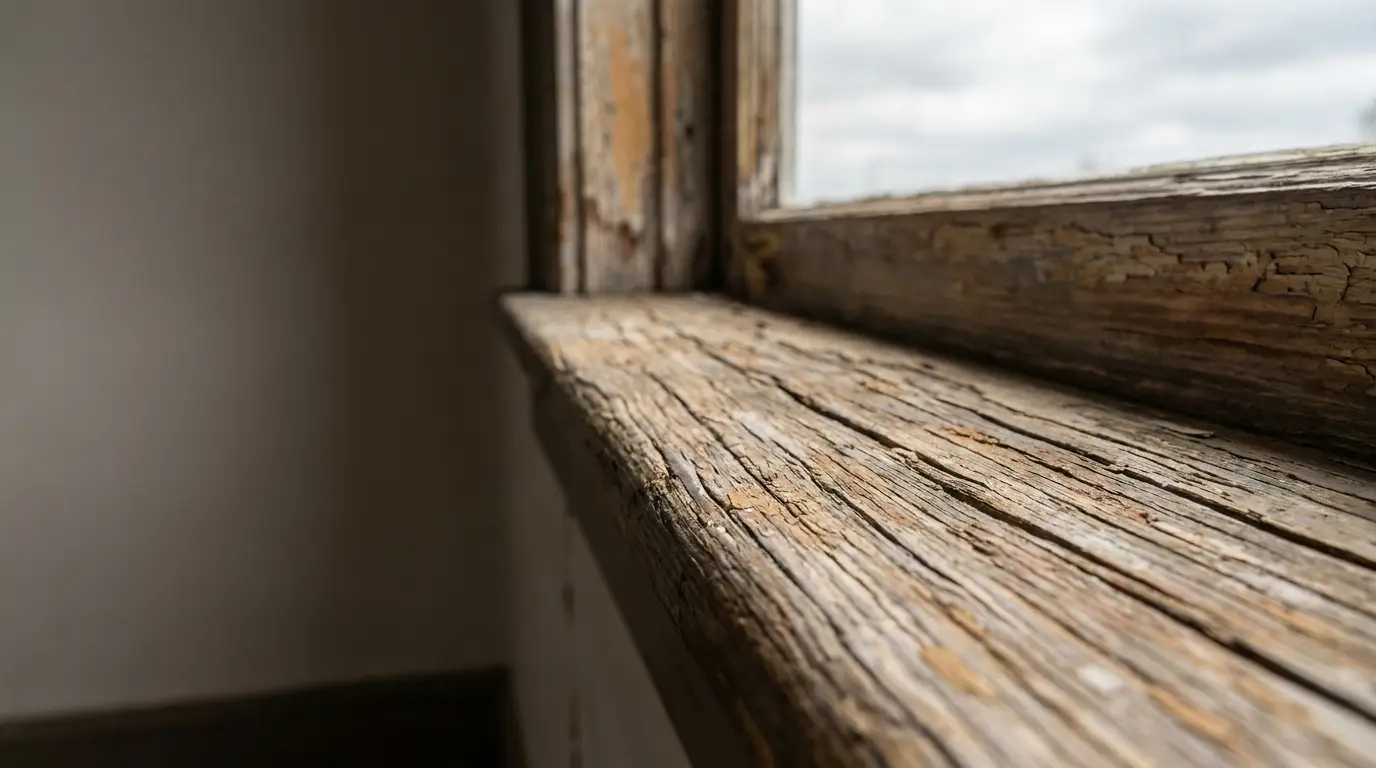
Termite damage is notoriously difficult to spot from the outside, since these insects tend to consume wood from the inside out. Homeowners often discover an infestation only after tapping on a wooden beam or windowsill and noticing a hollow, papery sound instead of the solid thud they expect. Wood that appears blistered, darkened, or slightly warped may also indicate termite activity underneath the surface, even when the outer layer looks intact.
Sounds inside walls tell a different but related story. Scratching, scurrying, or light tapping noises, particularly at night, are frequently associated with rodents moving through wall cavities or ceiling voids. Homeowners often report these sounds as their first sign of trouble, especially in older homes where wall insulation offers rodents an appealing, undisturbed space to nest.
Unusual Odors Are Easy to Overlook
Persistent, unexplained odors are another sign that’s easy to attribute to something else entirely. A musty smell in a basement or crawl space can point to excess moisture that’s attracting termites or cockroaches, both of which thrive in damp conditions. A stale, oily odor, on the other hand, is sometimes associated with larger rodent nests, since it can result from accumulated droppings, urine, and nesting material in an enclosed space. While odors alone rarely confirm a specific pest, they’re a useful reason to inspect further rather than assume the smell will resolve on its own.
Where to Focus a Home Inspection
Because most of these signs occur in areas homeowners rarely check, a periodic inspection of the following spaces can make a meaningful difference in catching problems early:
- Attics — look for droppings, shredded insulation, or gnaw marks along wooden framing.
- Crawl spaces — check for moisture buildup, mud tubes along foundation walls, and signs of wood damage.
- Cupboards and pantries — inspect packaging for small holes or tears and look behind stored items for droppings.
- Garages — examine boxes, stored fabrics, and areas near the foundation for nesting material or chew marks.
- Areas near plumbing — check under sinks and around pipe entry points, since these spots offer both moisture and hidden access routes into the home.
These spaces tend to be quiet, low-traffic, and undisturbed for long periods, which is exactly why pests gravitate toward them. When homeowners find recurring warning signs or cannot determine where the activity originates, Chattanooga pest control professionals can inspect concealed areas and potential entry points to identify whether termites, rodents, or other pests are present.
Acting Early Prevents Larger Problems Later
Minor evidence of pest activity is far easier to address than an established infestation. A handful of droppings in a cupboard, one shed wing near a window, or a single hollow-sounding beam doesn’t necessarily mean a home is overrun, but each of these signs is worth investigating before it multiplies. Termite colonies, for example, can take years to cause significant structural damage, but the process accelerates once a colony matures, which makes early identification particularly valuable.
For pests hiding in attics, wall voids, or other hard-to-reach areas, accurate identification can be difficult without professional tools and experience. Services offering pest control typically use moisture meters, borescopes, and other inspection equipment to confirm activity in places a homeowner can’t easily see, which allows for more targeted treatment rather than guesswork. This kind of professional identification is particularly useful for termites and rodents, where the visible signs on the surface often represent only a small portion of the actual activity happening behind walls or under floors.
Final Analysis
Pest infestations rarely announce themselves clearly. Instead, they leave behind a trail of smaller clues — droppings tucked into a cupboard corner, a faint scratching sound at night, a beam that sounds hollow when tapped. Homeowners who take the time to periodically check attics, crawl spaces, and areas near plumbing are far more likely to catch these signs while the problem is still manageable. When evidence points to activity in a hard-to-reach space, seeking a professional inspection can help confirm what’s actually happening behind the walls, rather than leaving it to guesswork until the damage becomes obvious on its own.