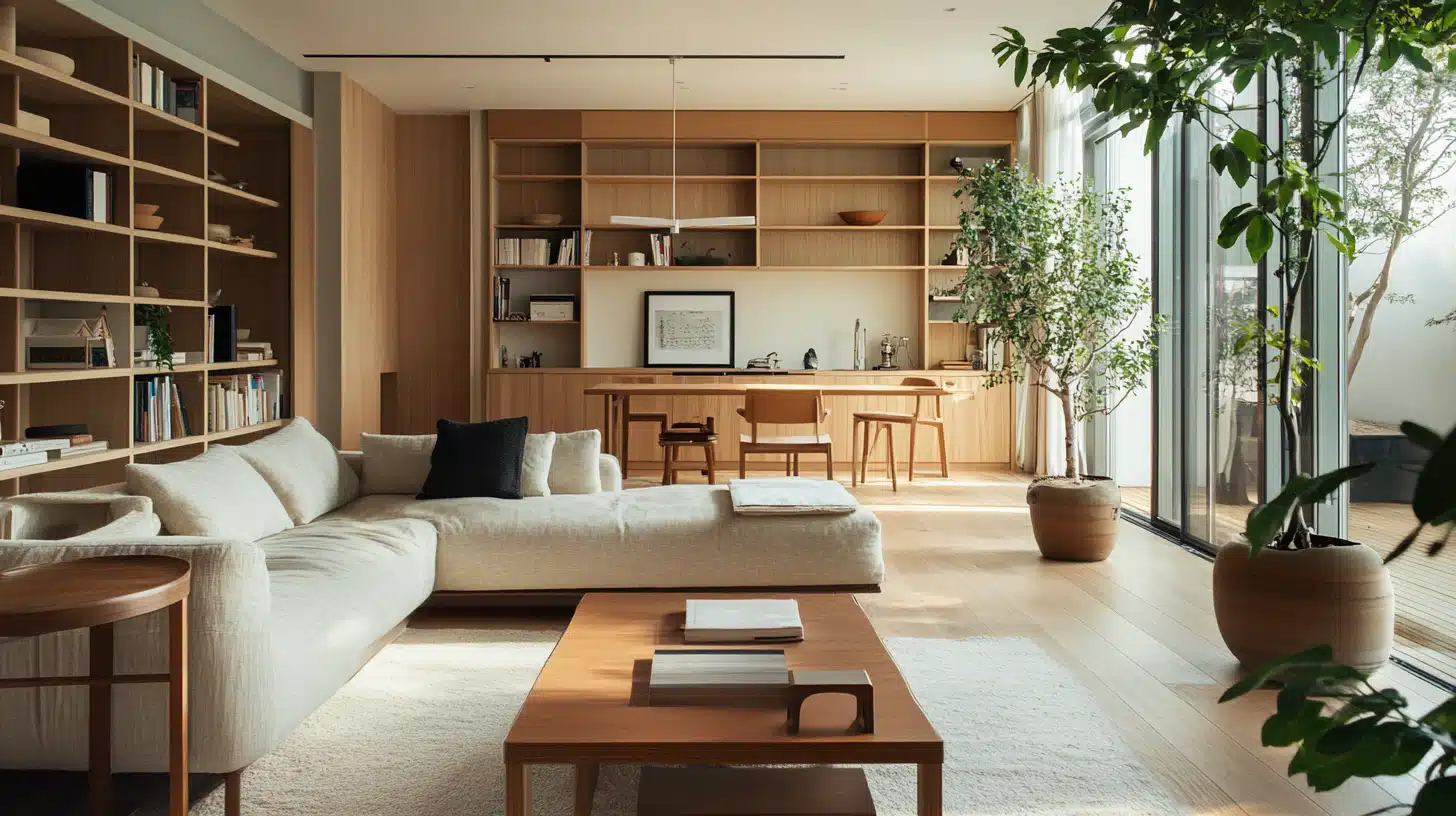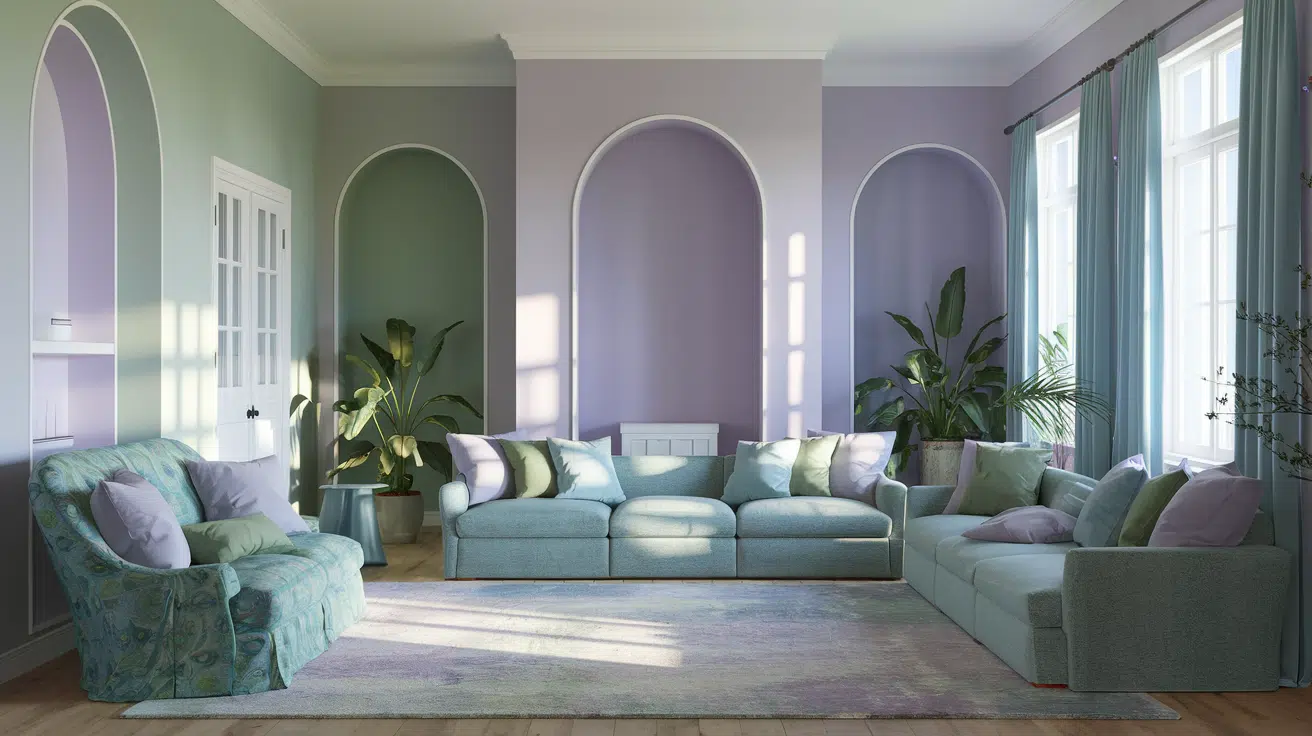
Upgrade Your Space with a Calming Color Palette
If you’re looking to create a peaceful and relaxing atmosphere at home, calming colors can make all the difference. The right colors can help you feel more at ease and reduce stress.
In this post, I’ll walk you through how colors like blue, green, and lavender can change your space into a calm sanctuary.
If you want to revamp your bedroom, living room, or office, I’ll show you how to use colors to boost your well-being. Stick with me to see how these simple changes can make a significant impact on your mood and your home.
The Science Behind Calming Colors
Calming colors, like blue, green, and lavender, promote relaxation and peace, reducing stress and enhancing well-being.
Studies show that cool colors such as blue and green help lower heart rate and blood pressure, encouraging relaxation. These colors activate brain regions associated with calmness, reducing anxiety.
Research indicates that exposure to specific colors triggers chemical responses in the brain, improving mood and inducing a peaceful state.
Color Therapy: How Colors Influence Mental Health
Color therapy leverages calming colors like blue and lavender to balance energy and promote mental health.
These colors are often used to reduce stress and anxiety by slowing down the nervous system and lowering heart rate.
Integrating soothing colors into your home can help create a calming atmosphere, encouraging emotional stability and promoting relaxation.
Using these colors regularly in living spaces can improve overall well-being and mental clarity.
The Impact of Cool Color Palette on Your Well-being
Incorporating calming colors into your living space can positively affect your mental health and emotional stability.
Here’s how these colors can improve your well-being:
- Promote Relaxation: Soft hues like blue and green help activate the calming areas of your brain, reducing anxiety and promoting peace.
- Boost Mood: Warm, calming colors, like soft yellow and peach, help uplift mood, creating a more positive and energized environment.
- Reduce Stress: Colors like lavender and light gray help create a serene atmosphere that encourages stress relief and emotional calm.
- Enhance Focus: Calm tones in spaces like home offices can help increase concentration by creating a peaceful and focused environment.
- Improve Sleep: Bedrooms painted in calming colors such as blue or lavender are known to improve sleep quality by promoting relaxation and comfort.
21 Calming Color Ideas for Your Space
1. Blue: The Quiet Classic

Blue is the go-to color for peace. Known for its calming effects, it works wonders in bedrooms or living rooms. This color promotes peace by lowering stress levels and fostering a sense of serenity.
If you choose soft sky blue or deeper ocean tones, blue can help create a relaxing environment where you can unwind and de-stress.
2. Green: Nature’s Soothing Touch

Green, with its deep connection to nature, is a calming choice for spaces like home offices or relaxation zones.
It symbolizes growth, balance, and harmony, making it perfect for creating a peaceful atmosphere.
This color can reduce anxiety, improve concentration, and evoke a sense of renewal, making it an ideal choice for spaces where you need calm and focus.
3. Pink: Soft and Comforting

Pink is known for its gentle and comforting vibe, making it a perfect choice for nurseries or bedrooms. Light pink hues, in particular, have a soothing effect, creating a nurturing and peaceful atmosphere.
If used as an accent or primary color, pink can add warmth to any room while maintaining a soft, welcoming feel.
4. Lavender: A Soothing Purple

Lavender brings relaxation and peace, making it ideal for bathrooms or meditation spaces. The soft purple tones help promote mental clarity and peace.
Known for its calming properties, lavender encourages restful sleep and creates an environment that’s perfect for unwinding after a long day. It can also inspire creativity while maintaining a serene space.
5. White: Clean and Peaceful

White symbolizes purity and Peace, often used in minimalist designs to create restful environments. It reflects light, making rooms feel airy and open, adding to a sense of calm.
White is perfect for creating a serene space, especially in bedrooms, bathrooms, or living areas. It pairs beautifully with other calming colors, enhancing the overall peaceful vibe.
6. Light Gray: Calm Neutral
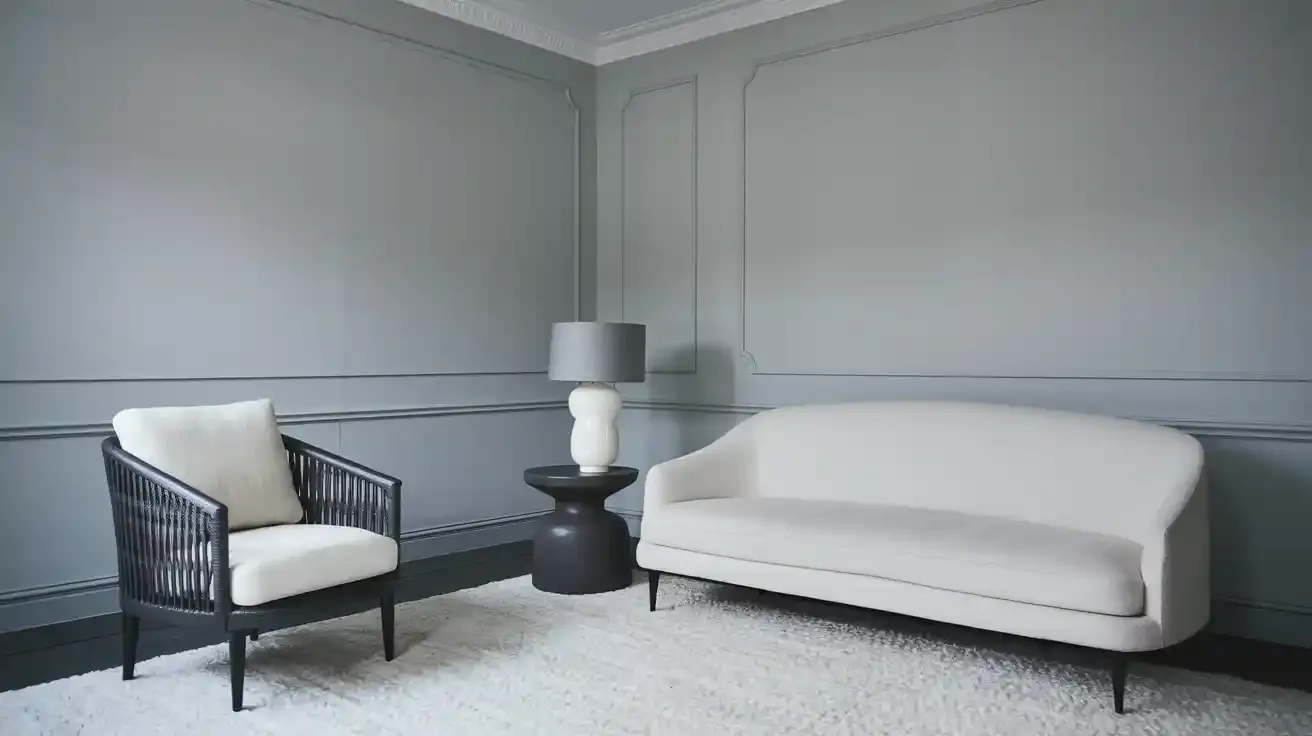
Gray is a neutral tone that fosters quiet relaxation, making it a versatile color for almost any room. Light gray hues create a calming atmosphere, offering a subtle background that complements other colors.
It works especially well in living rooms, bedrooms, and offices, where it can provide a tranquil and sophisticated ambiance without overwhelming the senses.
7. Pale Yellow: Subtle Joy
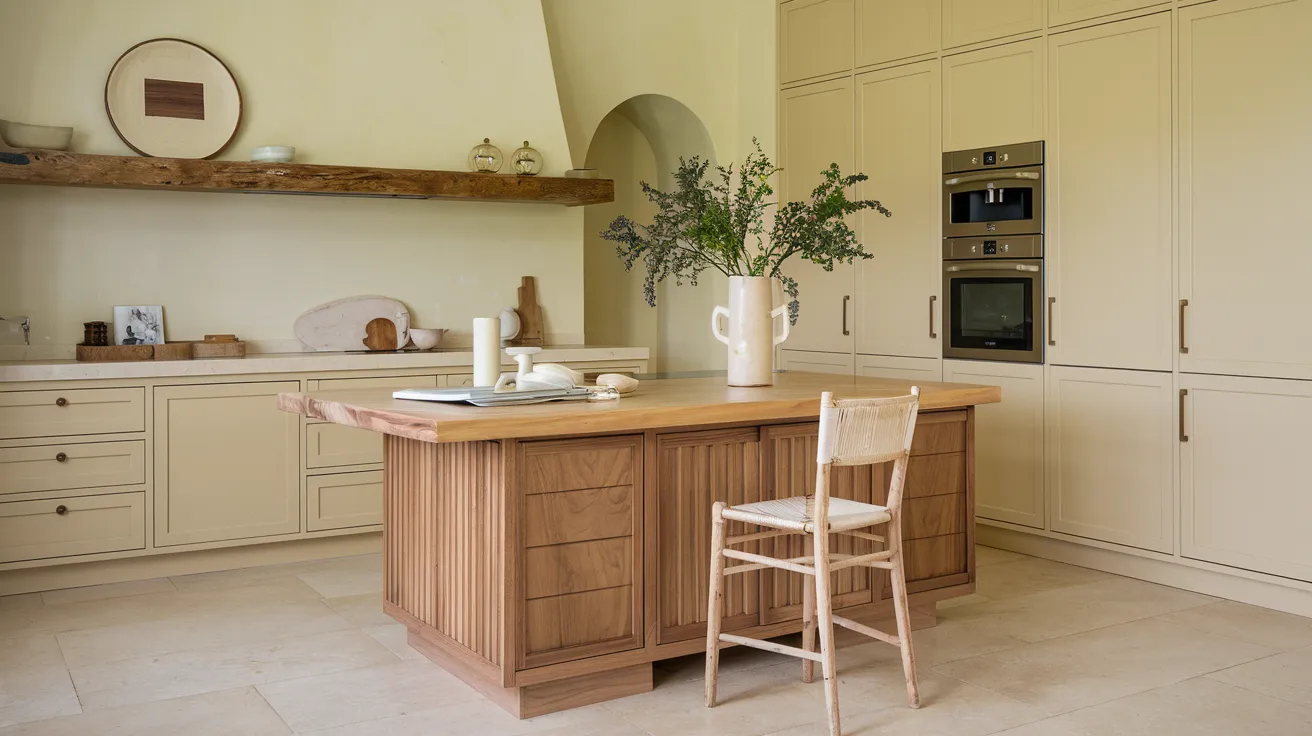
Pale yellow is a soft, uplifting color that brings joy and warmth without being overpowering. It’s ideal for creating a cheerful, yet calming atmosphere in spaces like kitchens or dining rooms.
This color promotes optimism and positivity, uplifting your mood while maintaining a gentle, relaxing feel. It’s perfect for areas where you spend time with family and friends.
8. Teal: The Perfect Balance

Teal is a balanced blend of blue and green, offering serenity and renewal. It’s a great option for bedrooms or bathrooms, where it can create a calm, restful environment.
Teal is soothing to the eyes and promotes both relaxation and focus, making it an ideal color for spaces where you want to unwind or concentrate, like a home office or reading nook.
9. Sage Green: Earthy and Grounding
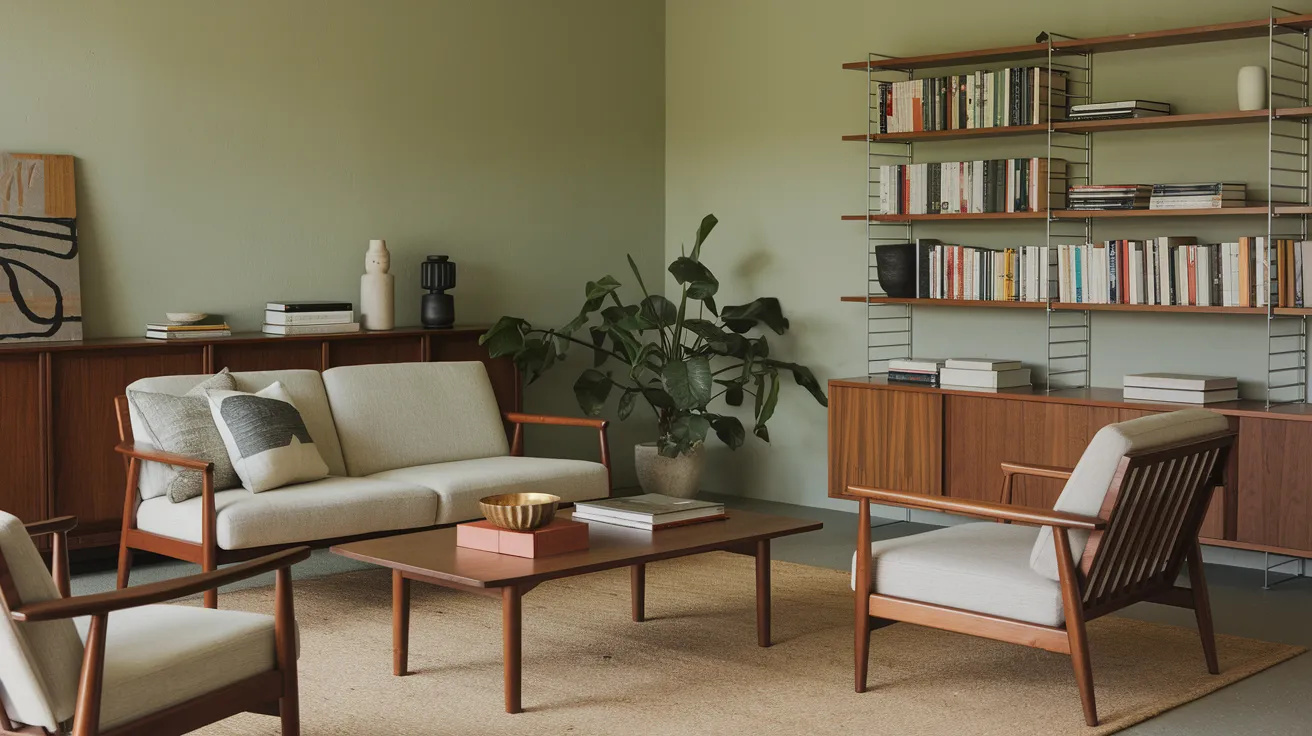
Sage green’s muted, earthy tones are known for their grounding qualities, making it perfect for living rooms or kitchens.
This color evokes the peace of nature and promotes relaxation, creating a space that feels calm and centered.
Sage green can help reduce stress, improve focus, and bring balance to any room, making it a versatile and soothing color choice.
10. Beige: Classic Calming Neutral
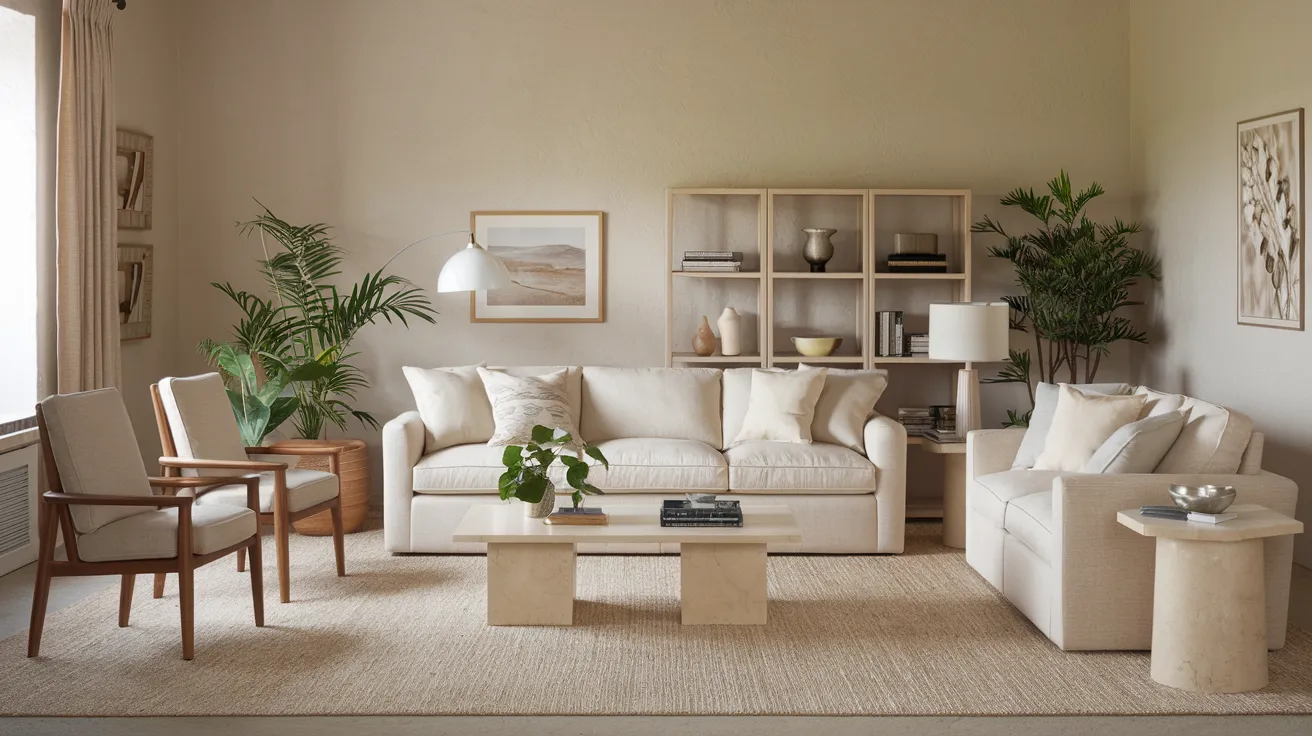
Beige is a classic, versatile neutral color that promotes warmth and peace in spaces like dining rooms or living rooms. It’s soft, unobtrusive, and pairs easily with other calming colors.
Beige creates a balanced, inviting environment, making it ideal for rooms where you want to relax, unwind, or enjoy time with family and friends in a comforting atmosphere.
11. Aqua: Refreshing and Relaxing

Aqua is a refreshing yet calming color, often used in spa-like bathrooms. The cool blue and green tones evoke a sense of renewal and serenity, helping to create a peaceful atmosphere.
Aqua is perfect for spaces where relaxation and rejuvenation are the priorities, whether in a bathroom, bedroom, or any other area designed for stress relief and comfort.
12. Soft Coral: Gentle and Warm

Soft coral hues bring warmth while maintaining a relaxing atmosphere, making them perfect for bedrooms or living rooms.
This color offers the perfect balance of warmth and calm, creating a cozy, inviting space. It promotes relaxation without overwhelming the senses, providing a gentle, peaceful ambiance in any room.
13. Peach: Gentle and Inviting

Peach is a soft, inviting color that provides warmth without being overwhelming, making it an excellent choice for children’s rooms.
It has a comforting, nurturing vibe that helps promote a peaceful atmosphere. Whether used as an accent or primary color, peach creates a cozy and inviting environment where relaxation and calmness are encouraged.
14. Mushroom Gray: Neutral Peace

Mushroom gray, with its brown undertones, is a neutral tone that exudes peace. It’s perfect for dining areas, creating a calm and relaxing space for meals and conversations.
This color provides a subtle backdrop that improves the peaceful vibe in a room while remaining versatile enough to blend with other calming tones.
15. Mint Green: Light and Fresh

Mint green brings a fresh, soothing ambiance to spaces like kitchens or bathrooms. This light, cool green hue promotes relaxation and helps create a serene environment.
Mint green has a refreshing quality that works well in rooms where you want to feel rejuvenated and calm, such as in a spa-like bathroom or a cozy, peaceful kitchen.
16. Soft Taupe: Warm and Inviting

Taupe is a warm, neutral color that creates a refined and soothing atmosphere. Ideal for living rooms or offices, it offers a grounding, relaxing energy that encourages focus and calm.
Taupe works beautifully in combination with other calming shades and can create a serene, welcoming space for relaxation and productivity.
17. Cool Slate: Understated and Calm

Slate blue brings refinement and calmness to any modern design, especially in offices or libraries.
This muted tone combines the relaxing qualities of blue with a touch of refinement, perfect for spaces that demand peace with a bit of style.
Slate blue fosters focus and clarity while maintaining a soothing atmosphere in any room.
18. Charcoal Gray: Calm and Refinement

Charcoal gray adds depth and refinement while maintaining a calm, understated atmosphere. Ideal for bedrooms, offices, or living rooms, it promotes relaxation and focus. This deep neutral offers a serene backdrop, allowing other colors to stand out.
It creates a peaceful environment, perfect for unwinding or concentrating, making it ideal for spaces where both relaxation and style are priorities, without overwhelming the senses.
19. Soft Brown: Grounded Calmness

Earthy brown shades, like soft brown, bring grounding and warmth to any space, particularly family rooms. This color creates a cozy, inviting environment that promotes comfort and relaxation.
Soft brown helps to balance out brighter colors in a room and provides a calming, peaceful backdrop for both activity and rest.
20. Frosted Blue: Light and Soothing
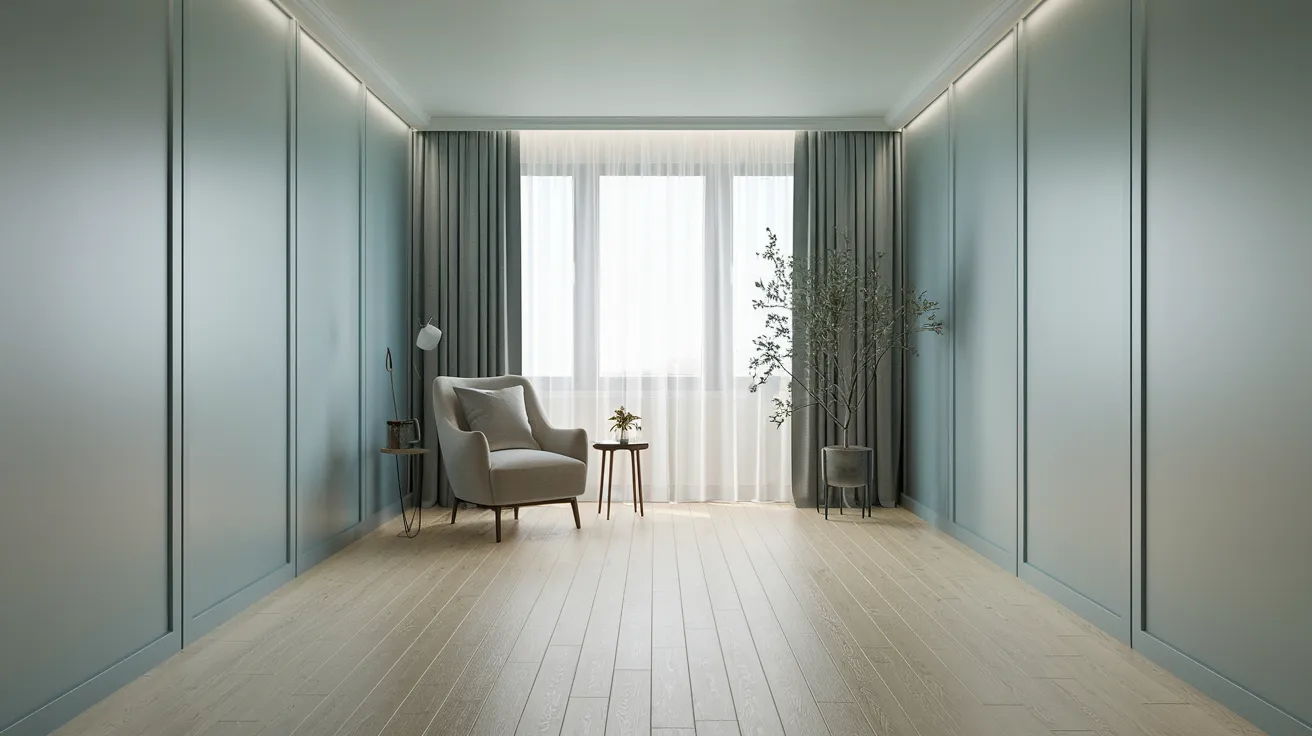
Frosted blue creates a peaceful atmosphere in any room without overwhelming the senses. This soft, pale blue hue is perfect for spaces like bathrooms or living rooms, where relaxation is the focus.
Its calming qualities help promote tranquility, making it ideal for areas meant for unwinding and rejuvenation.
The gentle tone encourages comfort and peace, offering a serene environment to relax and recharge after a busy day.
21. Dusty Rose: Warmth and Calm

Dusty rose offers a soft warmth that can soothe and relax, especially in bedrooms or lounges. Its muted pink tones create a cozy, inviting atmosphere that promotes relaxation.
Dusty rose helps create a calm environment without being too bold, making it an ideal color for spaces where you want to unwind or recharge.
How to Use Relaxing Colors in Your Home
Learn practical tips on using calming colors in home design to create a peaceful, relaxing atmosphere for every room.
Painting Your Home with Calming Colors
When painting with calming colors, start by choosing soft hues like blue, green, or lavender. Eco-friendly, non-toxic paints are a great option for creating a healthier environment.
Before applying color, use a primer for smooth coverage, and apply two coats for an even finish. Consider using satin or matte finishes for subtle, calming effects.
Test colors on small sections to see how they look in natural light before committing to the entire room.
Balancing Calming Colors with Bold Accents
While calming colors create a serene atmosphere, bold accents can add personality without overwhelming the space. Pair soft blues or greens with vibrant accents like mustard yellow or deep red to create contrast and interest.
The key is balance; use bold colors sparingly to ensure they complement, rather than compete, with the calming tones.
You can add accent pillows, rugs, or artwork in bold shades to improve the relaxing effect without disrupting the peaceful vibe of the room.
Conclusion
By incorporating calming colors into your home, you can turn any space into a peaceful retreat. If you choose soft blues or gentle greens, the colors you pick can help reduce stress and make you feel more relaxed.
Consider the colors you are most drawn to and incorporate them into your home. I hope this post gave you some great ideas for creating a calming space.
Feel free to browse through other blogs for more tips and inspiration on home design and creating the perfect atmosphere.