
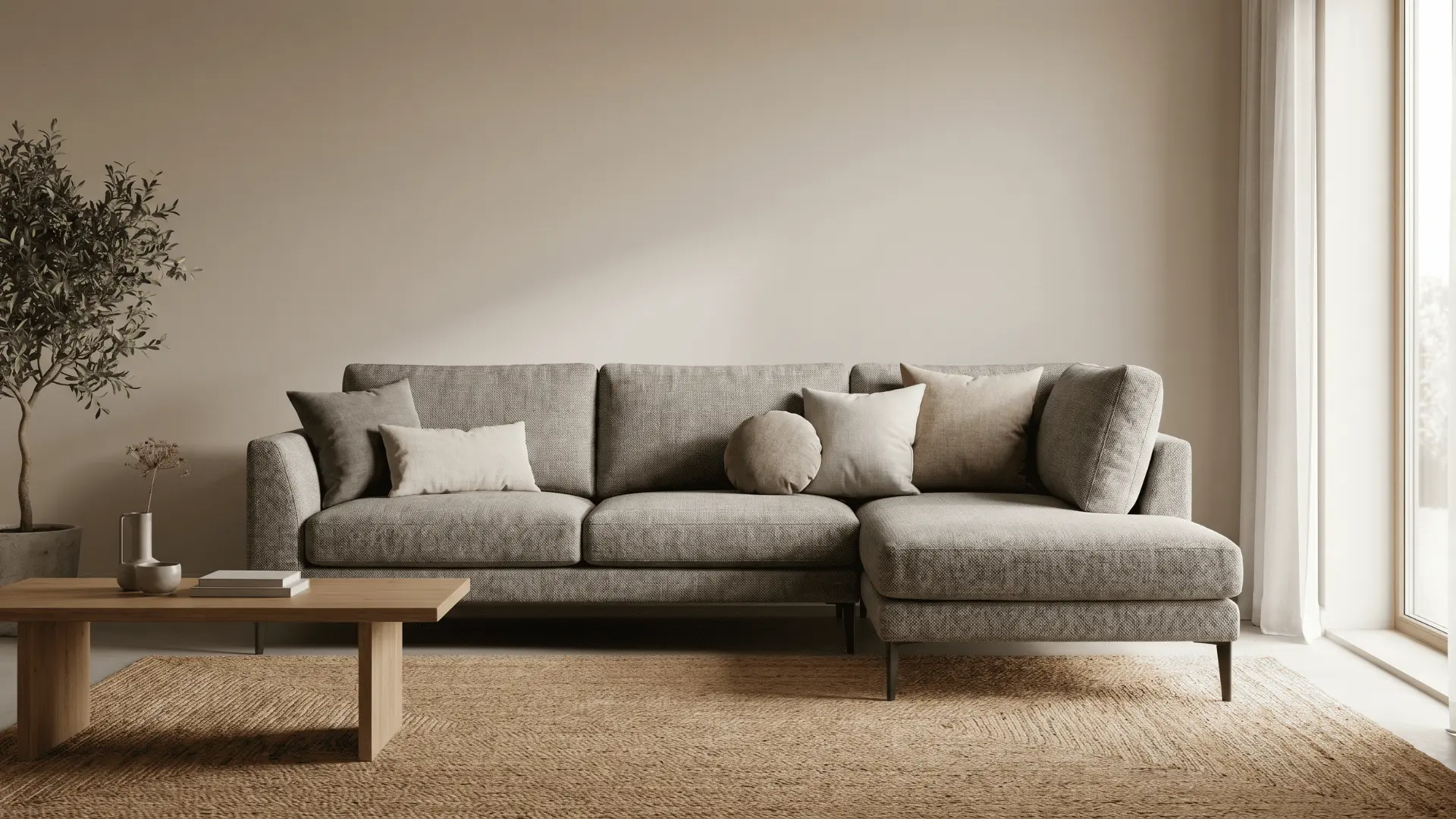
17 Types of Sofas for Every Home and Space
Choosing a sofa is not just about finding a design you like. The right sofa needs to match your room size, seating needs, comfort preferences, and daily lifestyle.
With countless styles, layouts, and features available, sofa shopping can become confusing when different categories overlap.
A sectional, sleeper, or classic sofa may differ not only in appearance but also in how it functions in a space.
A clear comparison of sofa styles, configurations, and features helps narrow down options and choose seating that balances comfort, space, and practicality.
What Actually Separates One Sofa Type From Another?
Sofas are grouped by style, configuration, and function. These factors help compare different types of sofas, including sectional sofas, based on layout.
Configuration explains how a sofa fits into a room, covering size, layout, and seating arrangement. Function describes additional features, such as sleeping options or reclining capabilities.
These categories work together instead of being separate labels. A sofa type can describe how it looks, how it fits, or what it does.
Understanding these differences makes sofa shopping easier and prevents mismatched choices. It helps you select a sofa that suits both your space and daily needs.
Sofa Types by Style and Silhouette
The main types of sofas by style include Chesterfield, Lawson, Tuxedo, English Roll Arm, Camelback, and Mid-Century Modern. Each is defined by unique arm shapes, back construction, and frame profiles.
Style mismatch often occurs when a sofa’s structure clashes with the room’s scale and overall furniture design, rather than with personal taste alone.
1. Chesterfield
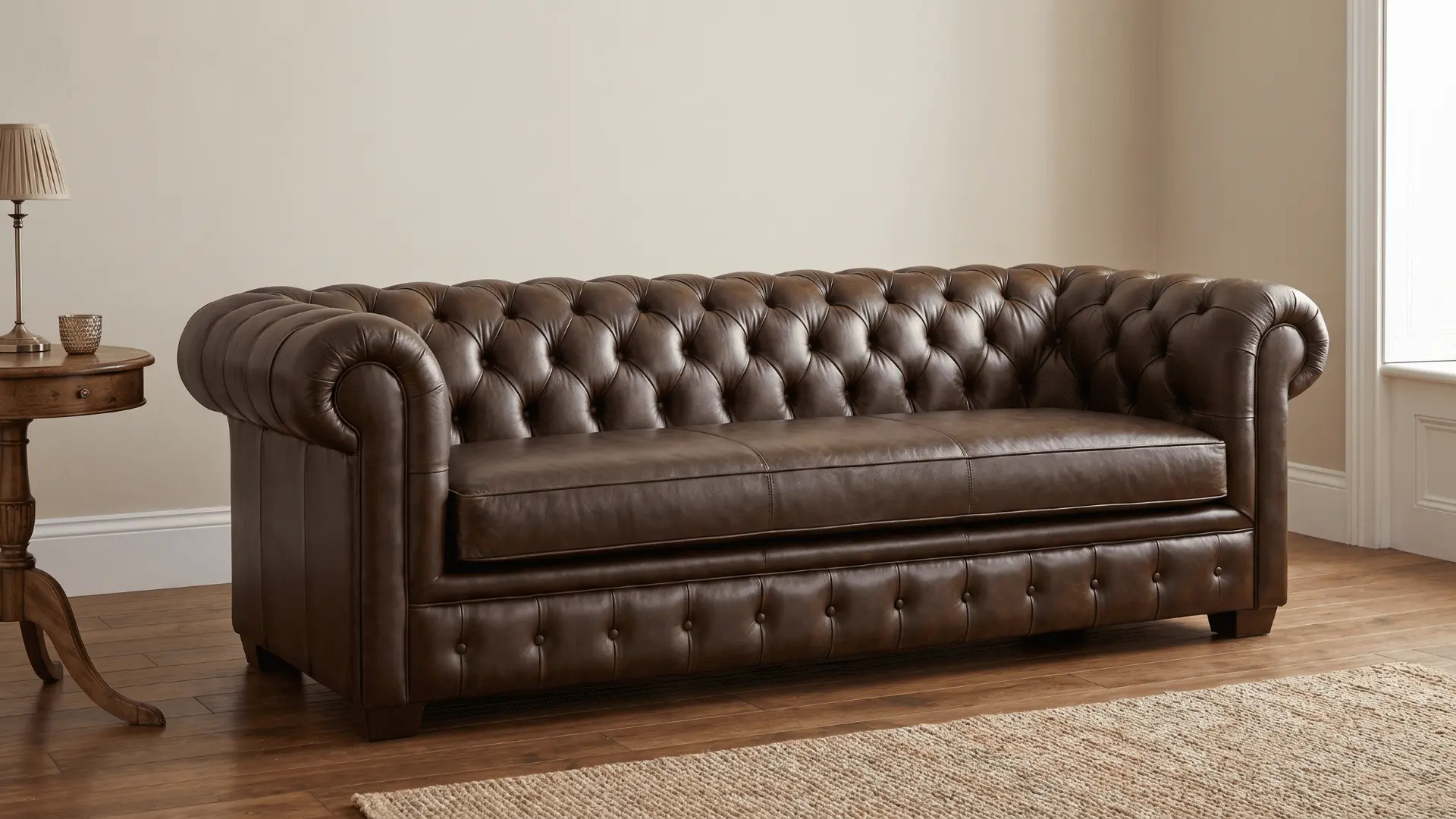
A Chesterfield sofa has rolled arms, deep button tufting, and a firm, fixed seat. Its structured frame creates an upright sitting posture with a bold, classic appearance.
It works best in formal living rooms and traditional interiors, where visual appeal and timeless design take precedence over deep lounging comfort.
The detailed upholstery and strong shape make it a noticeable centerpiece in the room.
2. Lawson
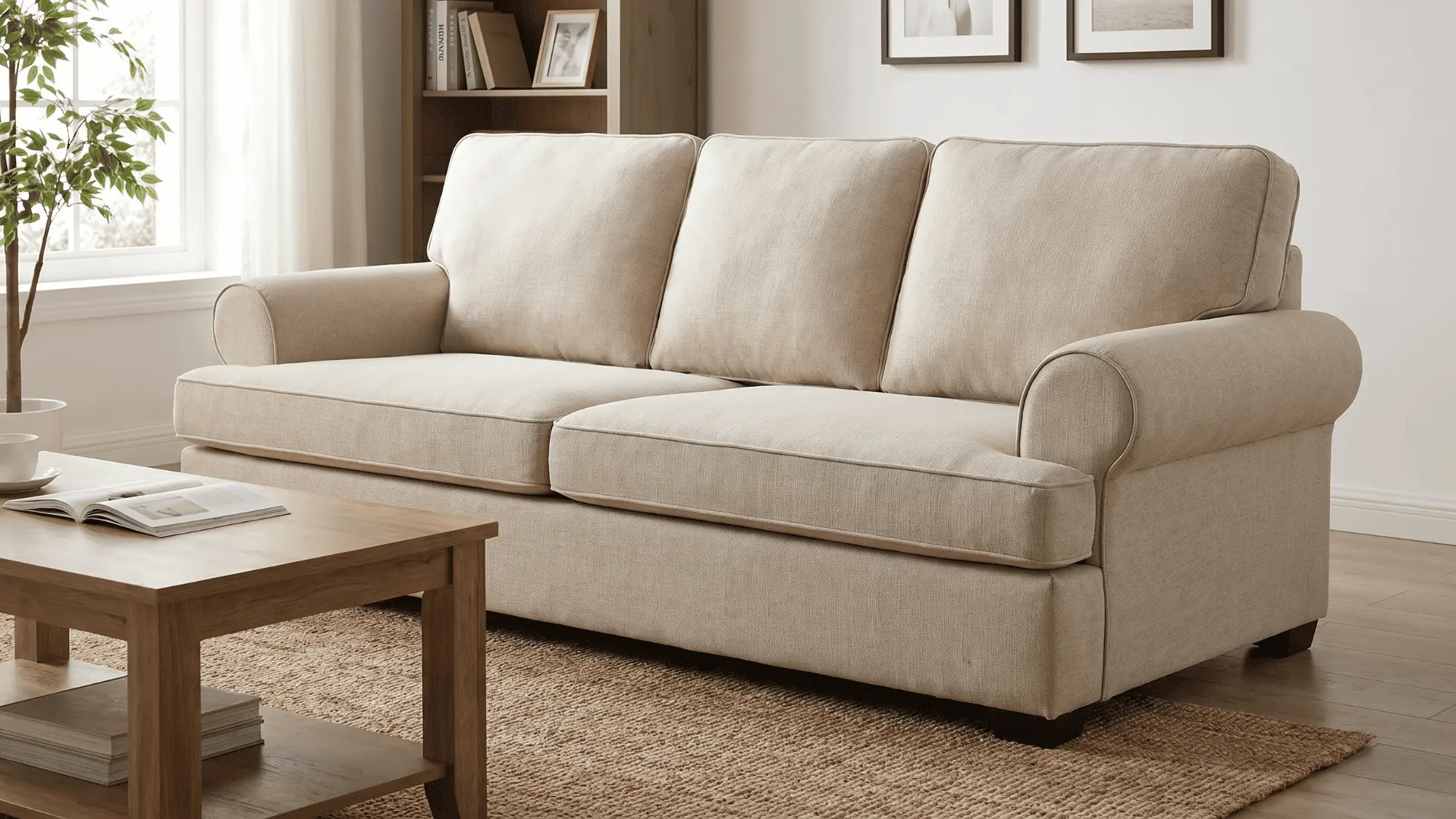
A Lawson sofa has three loose back cushions, low arms, and a relaxed profile. Its flexible frame and soft cushions provide comfortable support for different sitting positions.
It is ideal for high-traffic family spaces where everyday comfort and versatility matter more than a formal look. The casual design suits regular lounging and daily use.
Best for homes that need a comfortable sofa with a relaxed style and adaptable seating support.
3. Tuxedo
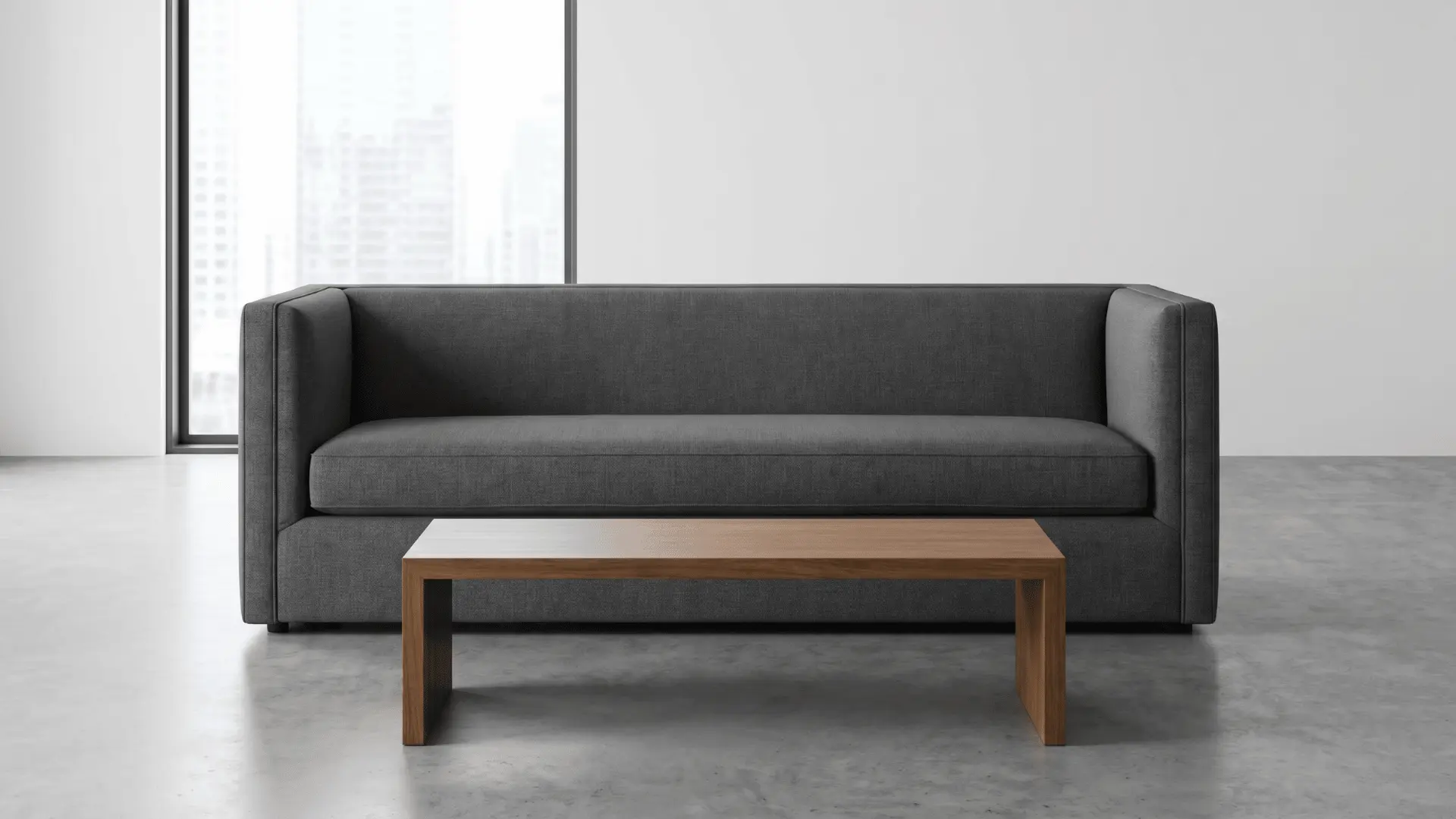
A Tuxedo sofa has arms and a back at the same height, creating a clean, boxy shape. Its tight back and structured frame encourage upright seating with a balanced, symmetrical look.
It works best in modern interiors where sharp lines and a tailored appearance are more important than a soft, relaxed feel. The design adds a refined look to the room.
Best for spaces that favor structured seating, simple forms, and a polished modern style.
4. English Roll Arm
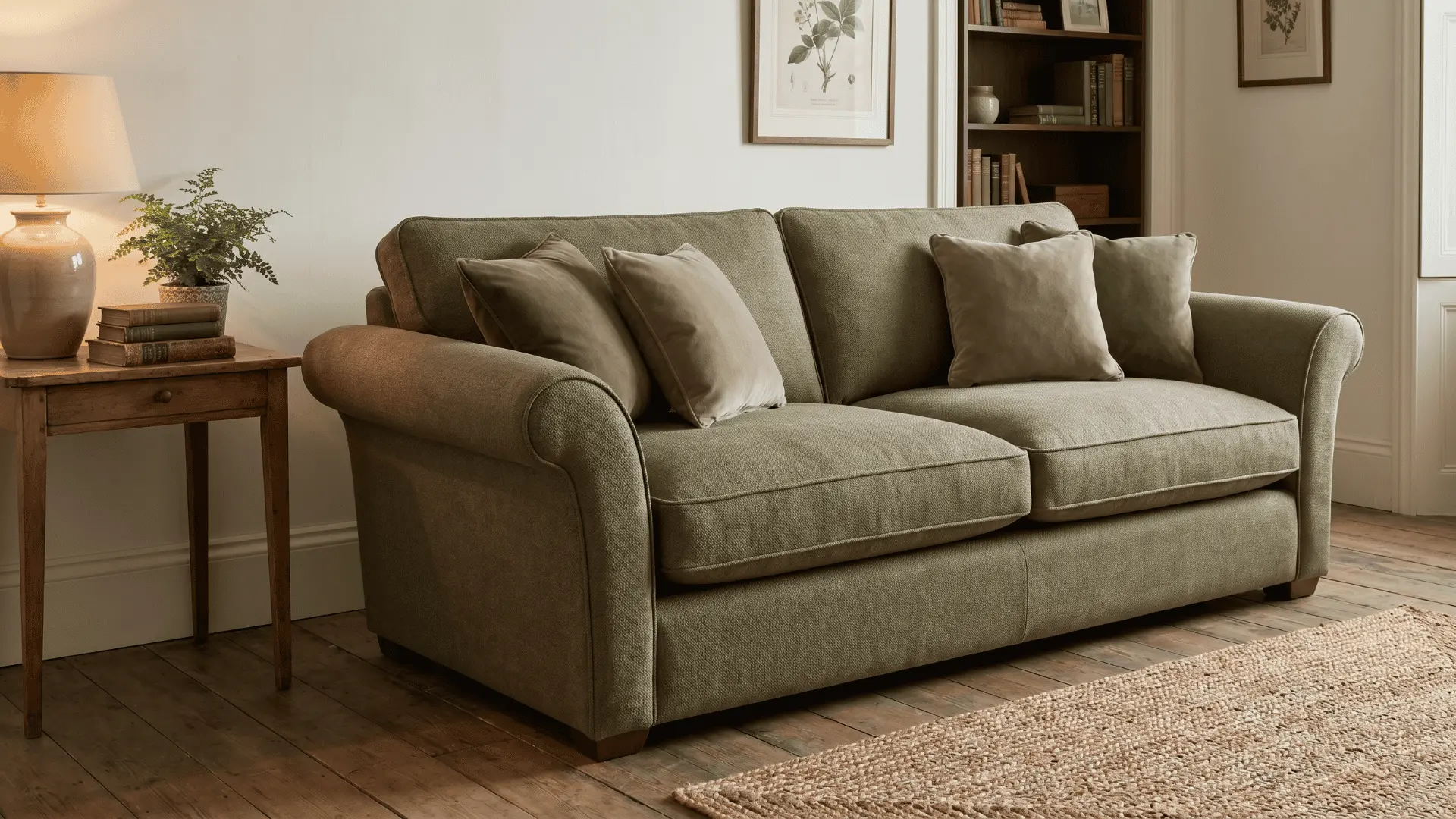
An English Roll Arm sofa features low, rounded arms, a deep seat, and a soft, comfortable shape. Its generous seating depth allows the body to sink in while providing relaxed support.
It works best in casual living rooms where comfort and long sitting sessions are important. The inviting design makes it suitable for everyday lounging and cozy spaces.
Best for homes that prioritize deep seating, relaxed comfort, and a welcoming living area.
5. Camelback
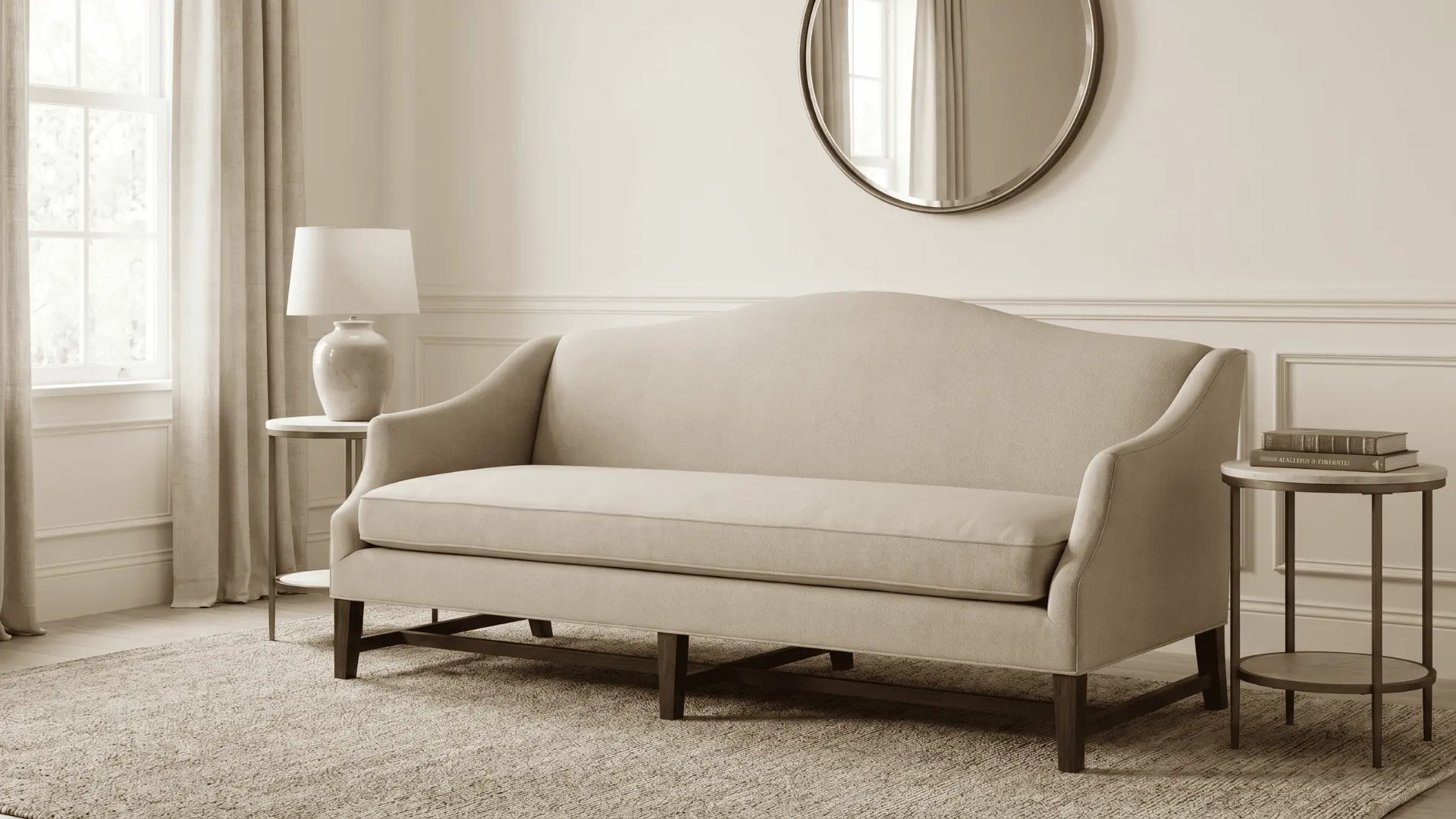
A Camelback sofa has a high, curved back with one or two raised humps and exposed legs. Its structured frame supports upright seating while creating a distinctive, traditional appearance.
It works best in formal or antique-inspired rooms where a strong visual shape is preferred. The taller back design also suits narrower spaces by adding vertical interest.
Best for homes that want a classic sofa style with elegant detailing and a structured seating feel.
6. Mid-Century Modern
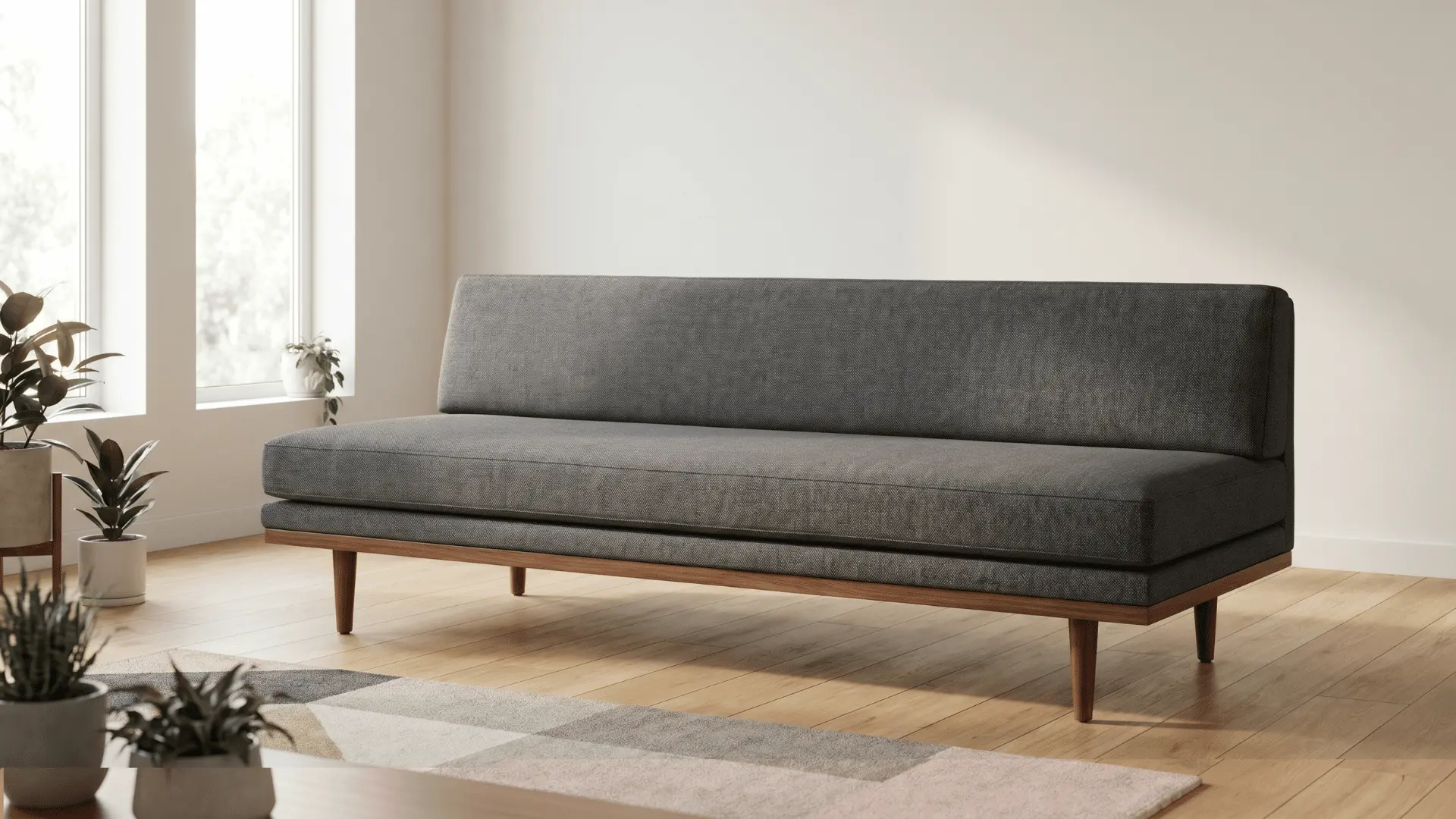
A Mid-Century Modern sofa features clean lines, a low profile, and tapered wooden legs. Its slim frame and firm cushions create a lightweight look while keeping the design simple and structured.
It works best in compact or minimalist spaces where open layouts and balanced proportions matter more than deep, plush comfort. The design helps rooms feel less crowded.
Best for homes that prefer simple shapes, functional seating, and a modern retro-inspired appearance.
7. Track Arm / Pillow Back / Tight Back
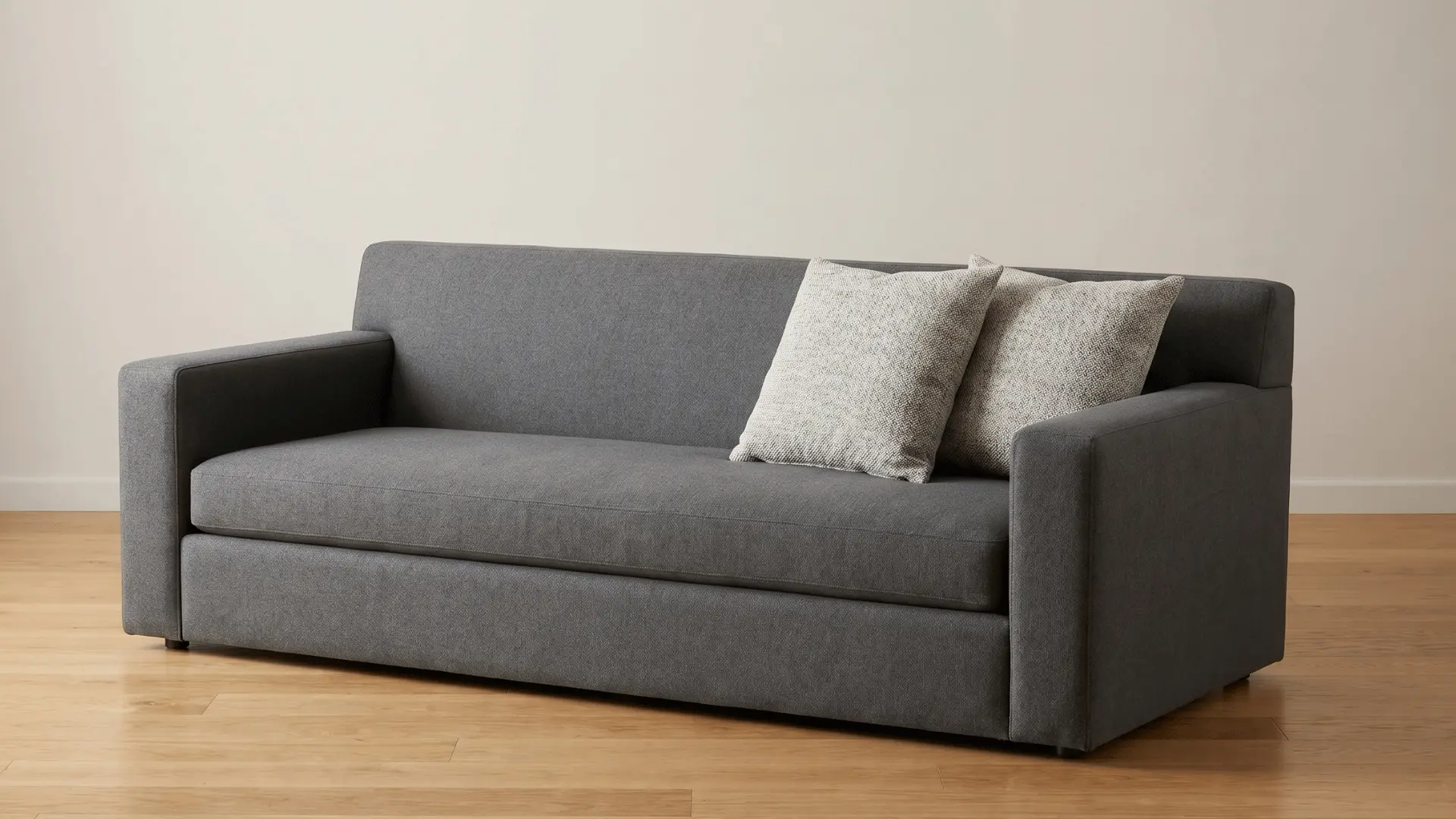
Track arms, pillow backs, and tight backs are sofa variations that change appearance and comfort. Track arms look sleek, pillow backs feel softer, and tight backs stay structured.
These features adjust seating feel and style but do not define a complete sofa category on their own. They are often combined with different sofa styles.
Best for customizing comfort, support, and appearance within an existing sofa design.
Sofa Types by Configuration and Size
Configuration affects a sofa’s balance, traffic flow, and seating arrangement. Different types of sofas vary by size and layout, from compact loveseats to a sectional sofa designed for larger seating areas..
It allows you to compare options based on practicality rather than appearance alone. A suitable configuration can improve comfort while keeping the room open and functional.
8. Loveseat
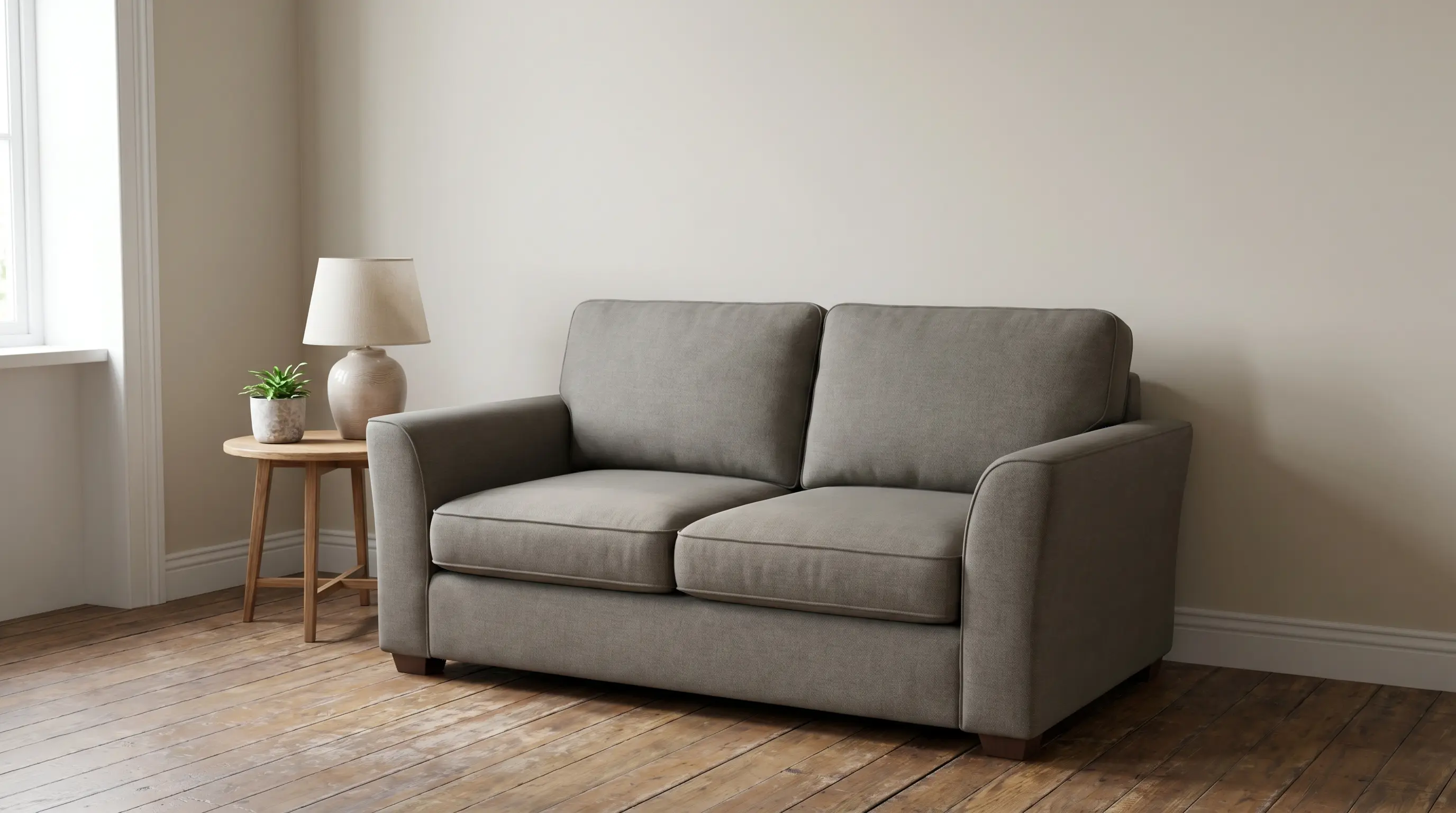
A loveseat is a compact two-seater sofa designed for small seating needs or paired arrangements. Its smaller size makes it easy to place, but it offers limited seating capacity compared to larger sofas.
It works best in bedrooms, apartments, or as an additional seating piece beside a larger sofa. Its compact footprint suits rooms under 10×12 feet.
Best for small spaces where saving floor area and adding simple seating are the main priorities.
9. Standard / 3-Seater
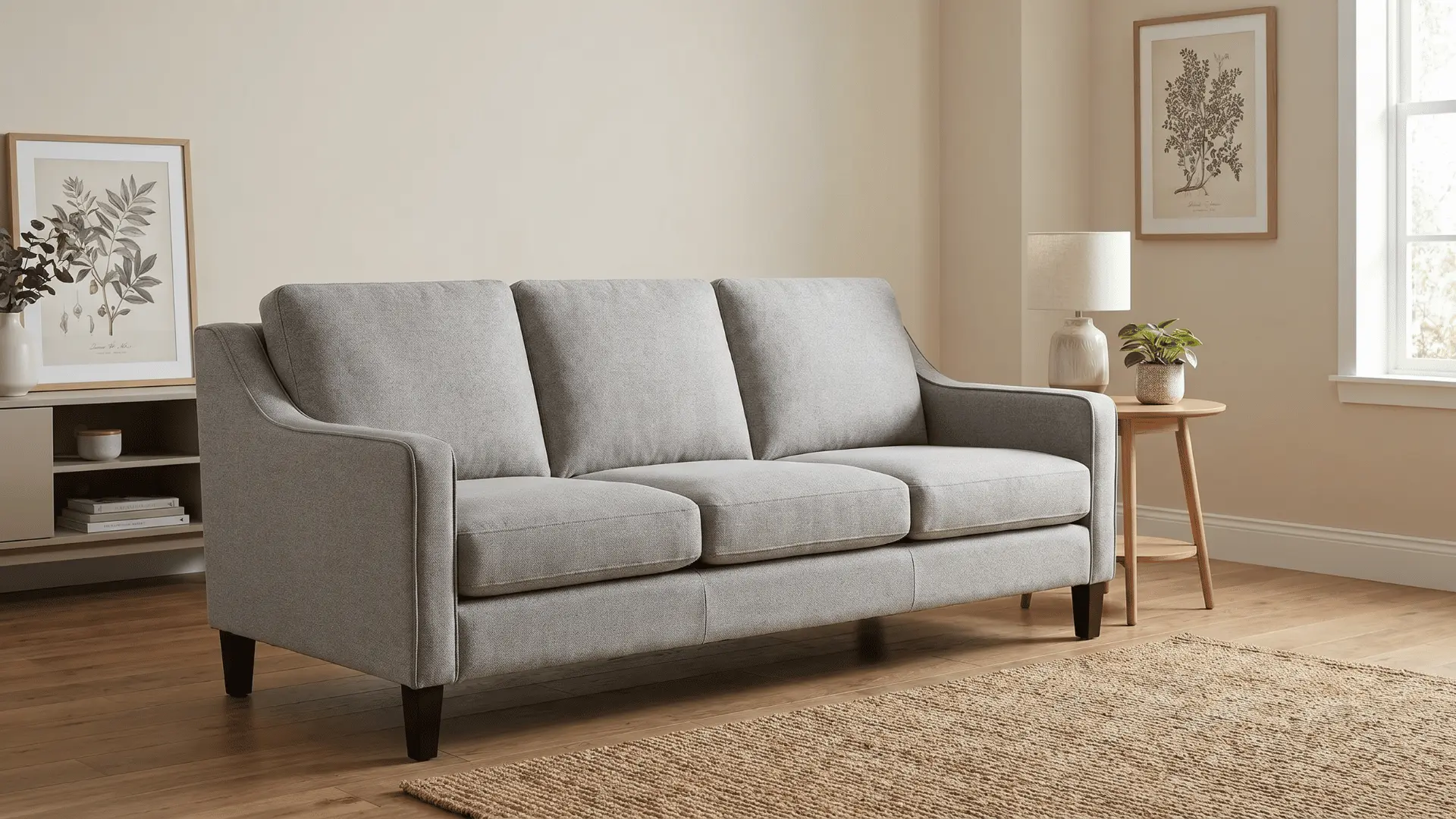
A standard 3-seater sofa is the most common configuration, offering balanced seating without taking over the room. Its practical size fits many layouts while maintaining clear movement paths and open sightlines.
It works best in medium-sized living rooms where flexibility and simple placement are important. This size suits spaces around 10×12 to 12×14 feet.
Best for homes needing comfortable everyday seating with a versatile design.
10. Sectional (L-shaped and U-shaped)
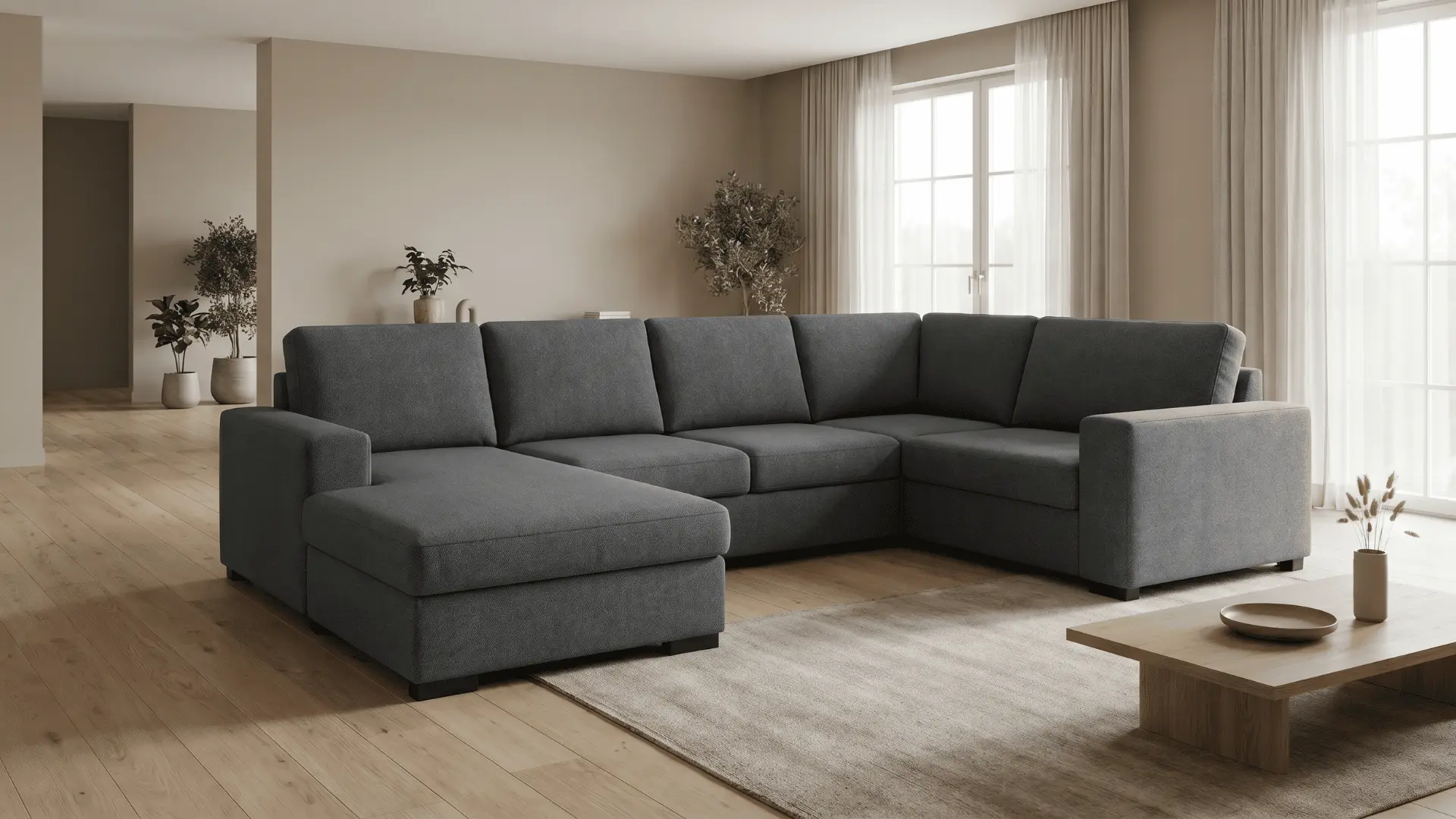
A sectional sofa combines multiple seating units into L-shaped or U-shaped layouts, offering more seating capacity than standard sofas. Its larger structure often becomes the main focus of the room arrangement.
It requires careful planning because the wrong size can block walkways and make the space feel crowded. Proper clearance helps maintain easy movement around the room.
Best for large living rooms, with L-shaped designs for around 12×14 feet and U-shaped layouts needing 12×16 feet or more.
11. Curved Sofa
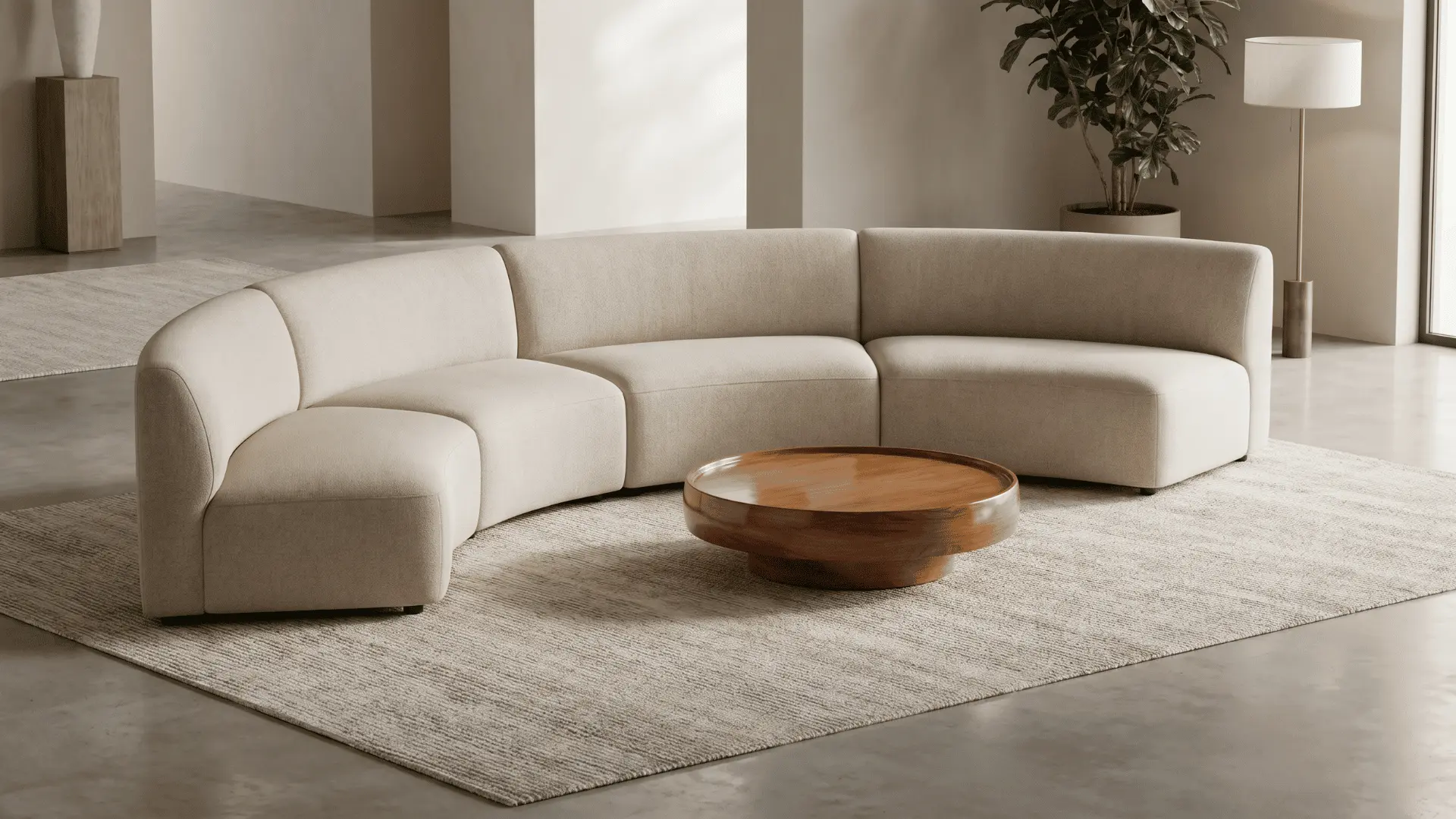
A curved sofa features a rounded seat that forms a natural arc around a central area. Its flowing design softens room lines and supports better face-to-face seating arrangements.
It works best in large, open layouts with flexible floor space, such as rooms centered around a coffee table or fireplace. It is less suitable for tight wall-based arrangements.
Best for spacious rooms needing unique shapes and comfortable conversational seating.
12. Armless Sofa
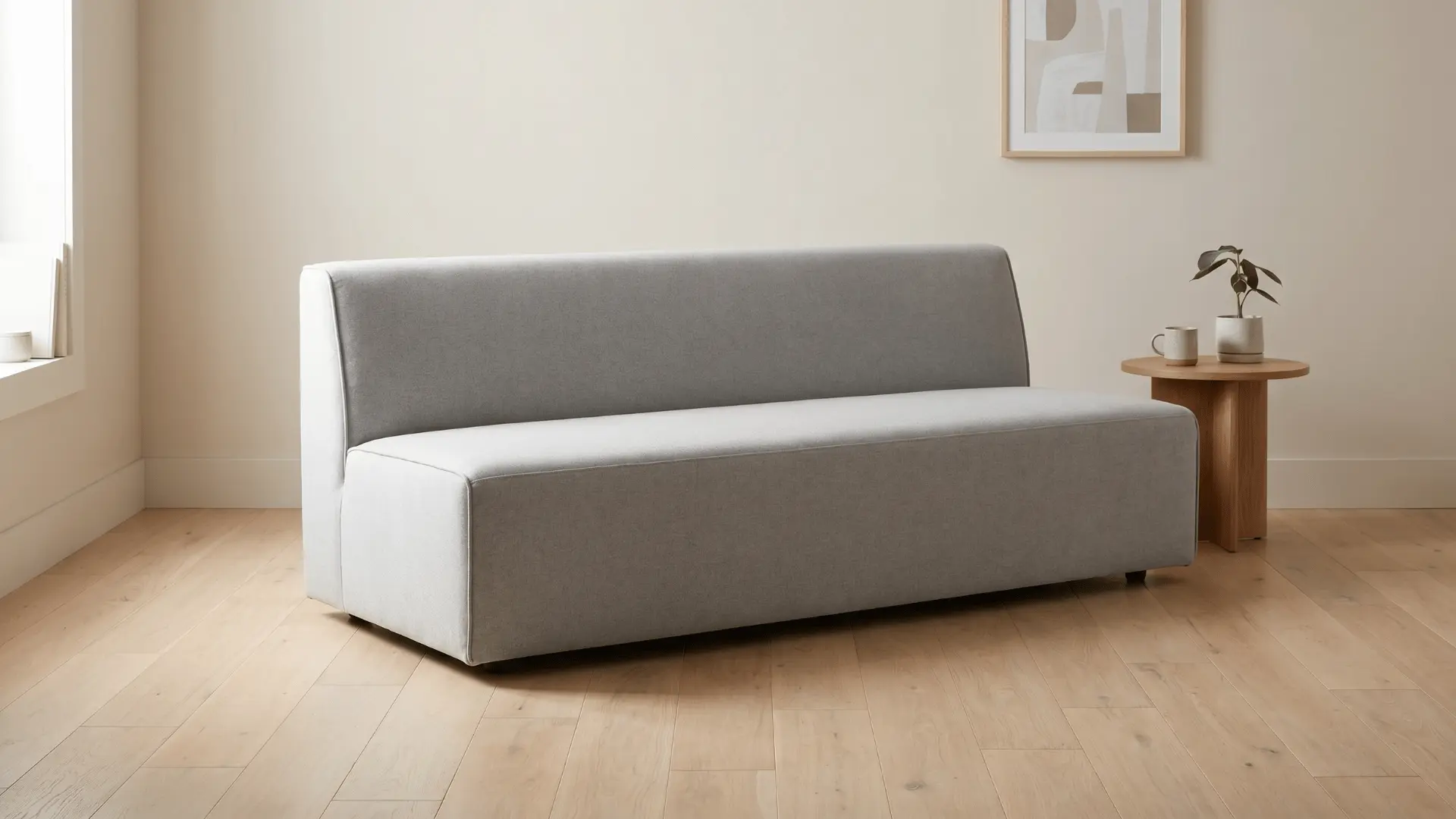
An armless sofa removes traditional side arms to create a simple, open silhouette. Its reduced frame takes up less visual space, making rooms feel more open while offering less support for relaxed lounging.
It works best in compact spaces or modular arrangements where saving floor space is important. Its slim design suits rooms under 10×12 feet.
Best for homes that need flexible seating with a minimal look and efficient use of available space.
13. Modular Sofa
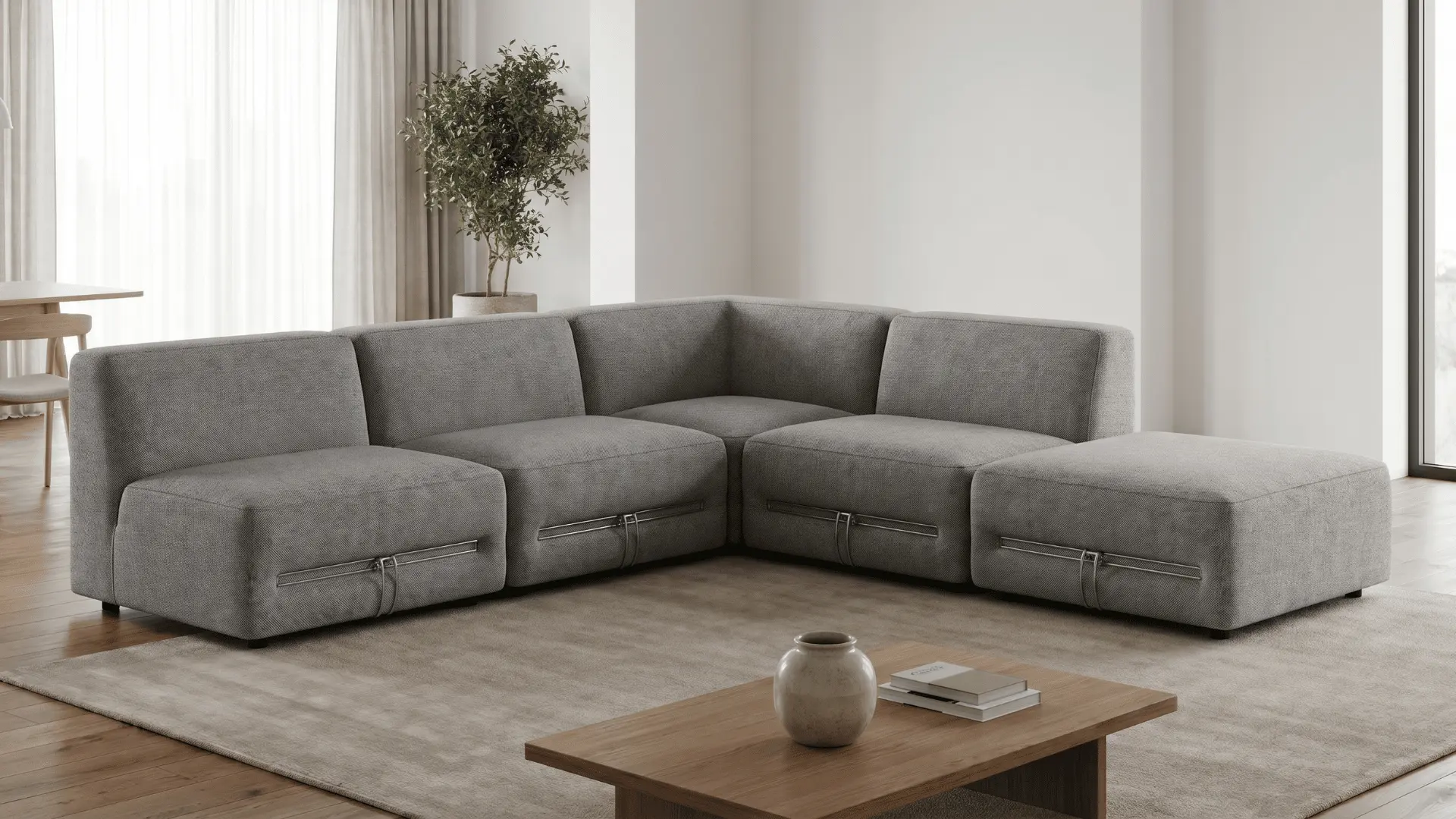
A modular sofa is made of separate sections that can be rearranged into different layouts. Its flexible design adapts to changing room setups, though it may have a higher upfront cost.
It works best in multi-use rooms or evolving spaces where seating arrangements may change over time. The adjustable sections provide more control over layout and placement.
Best for medium to large rooms needing flexible seating that adapts to changing needs.
Sofa Types by Function
Functional types of sofas are designed with features that add extra uses beyond regular seating. They focus on comfort, flexibility, and practical needs for different spaces.
These options are ideal for homes that need features such as sleeping space, reclining support, or multi-purpose functionality.
14. Sleeper Sofa
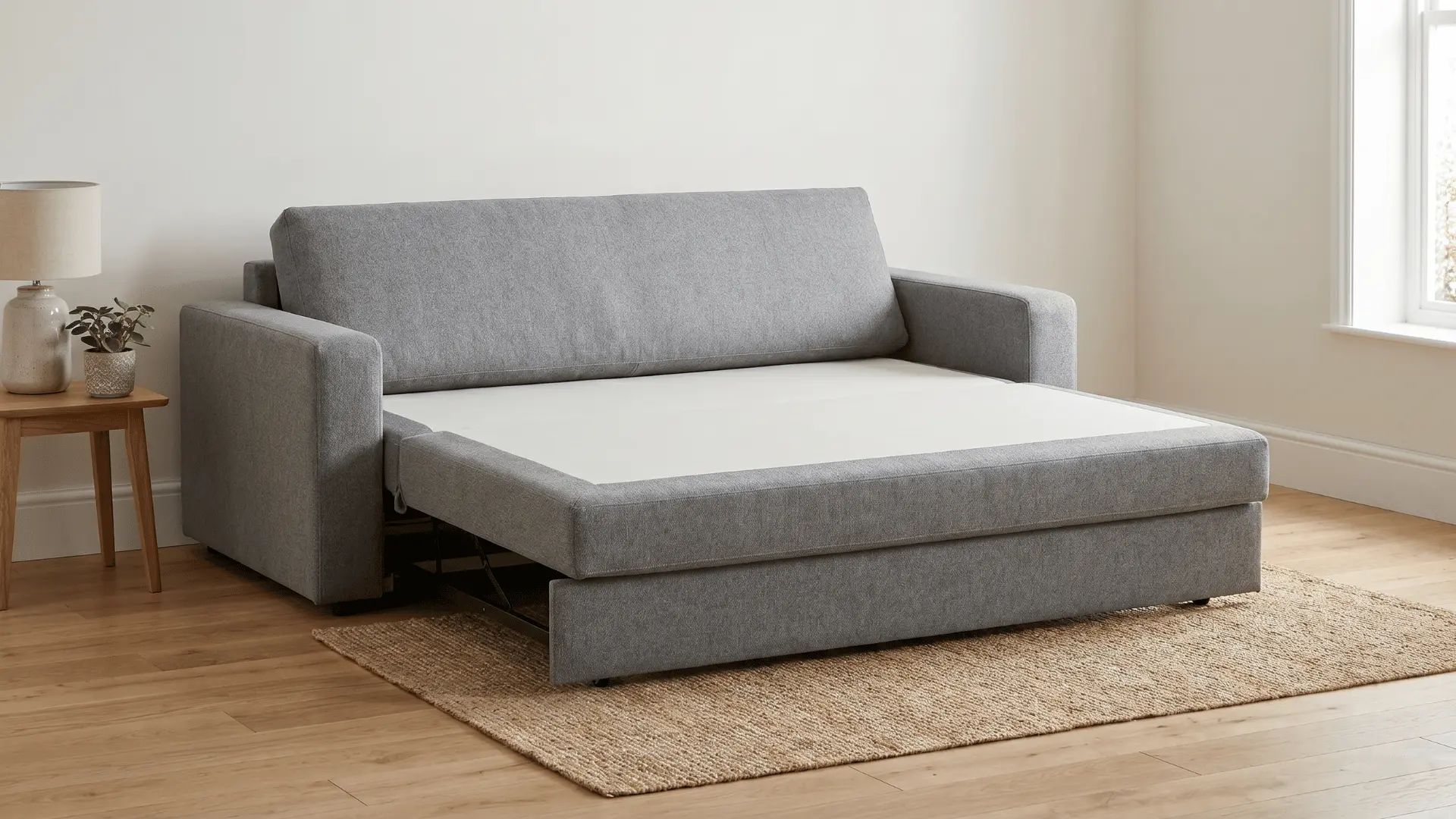
A sleeper sofa converts from a seating piece into a bed using a pull-out or fold-down mechanism. Its built-in mattress adds weight and can reduce cushion depth, making it less ideal for everyday sleeping.
It works best for occasional guests or rooms that need both seating and sleeping options without extra furniture. Fabric choice, such as tight-weave microfiber, can also help with easier maintenance.
Best for guest rooms or small spaces where flexible seating and temporary sleeping arrangements are needed.
15. Reclining Sofa
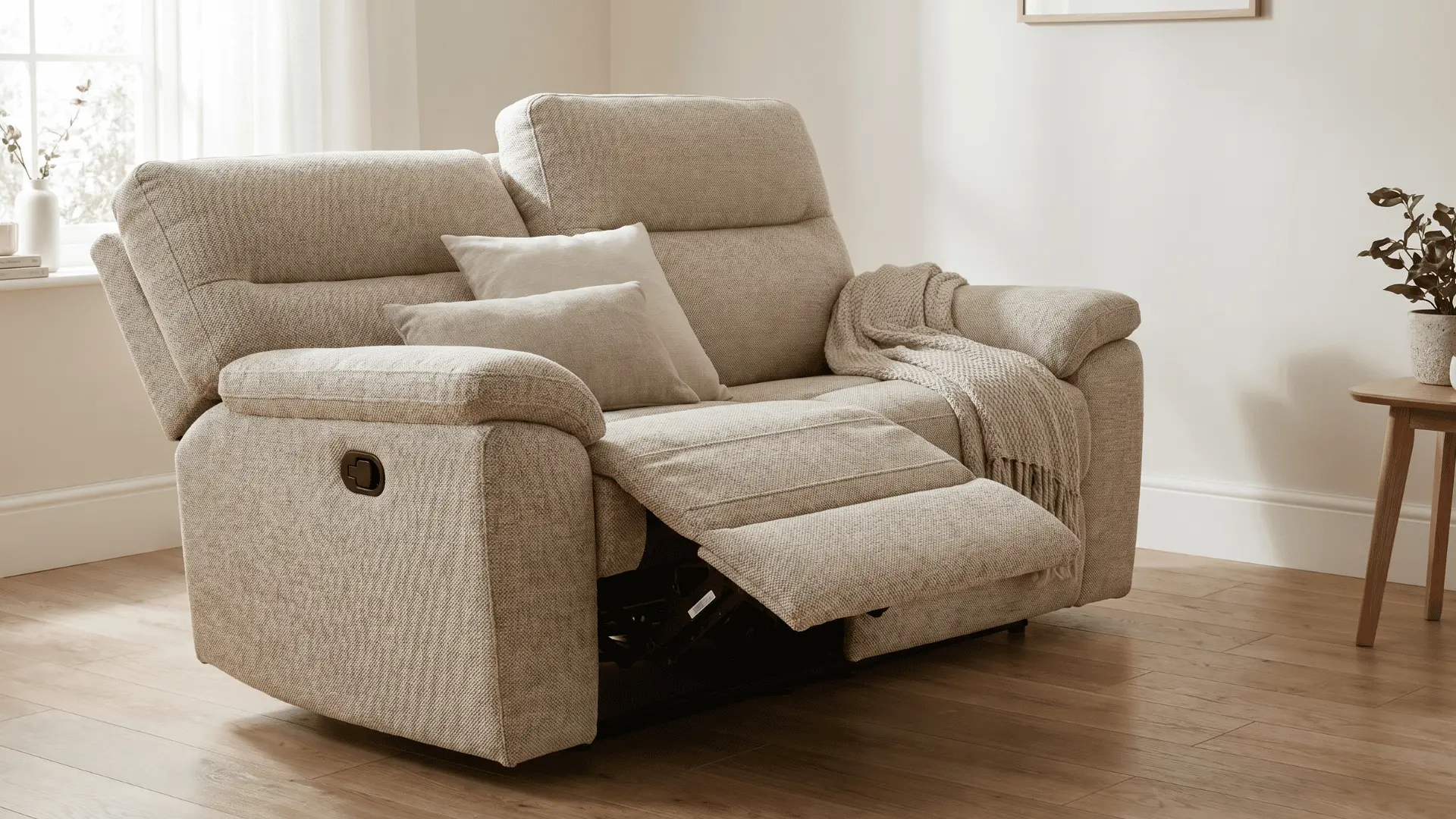
A reclining sofa allows the backrest to tilt and the footrest to extend through manual or power controls. Its built-in mechanism adds extra weight and requires more space for movement.
It works best in TV rooms or casual areas where long sitting sessions and relaxation are the main priorities. The larger frame may need careful placement.
Best for homes that value adjustable comfort and a dedicated seating setup for watching movies or relaxing.
16. Futon
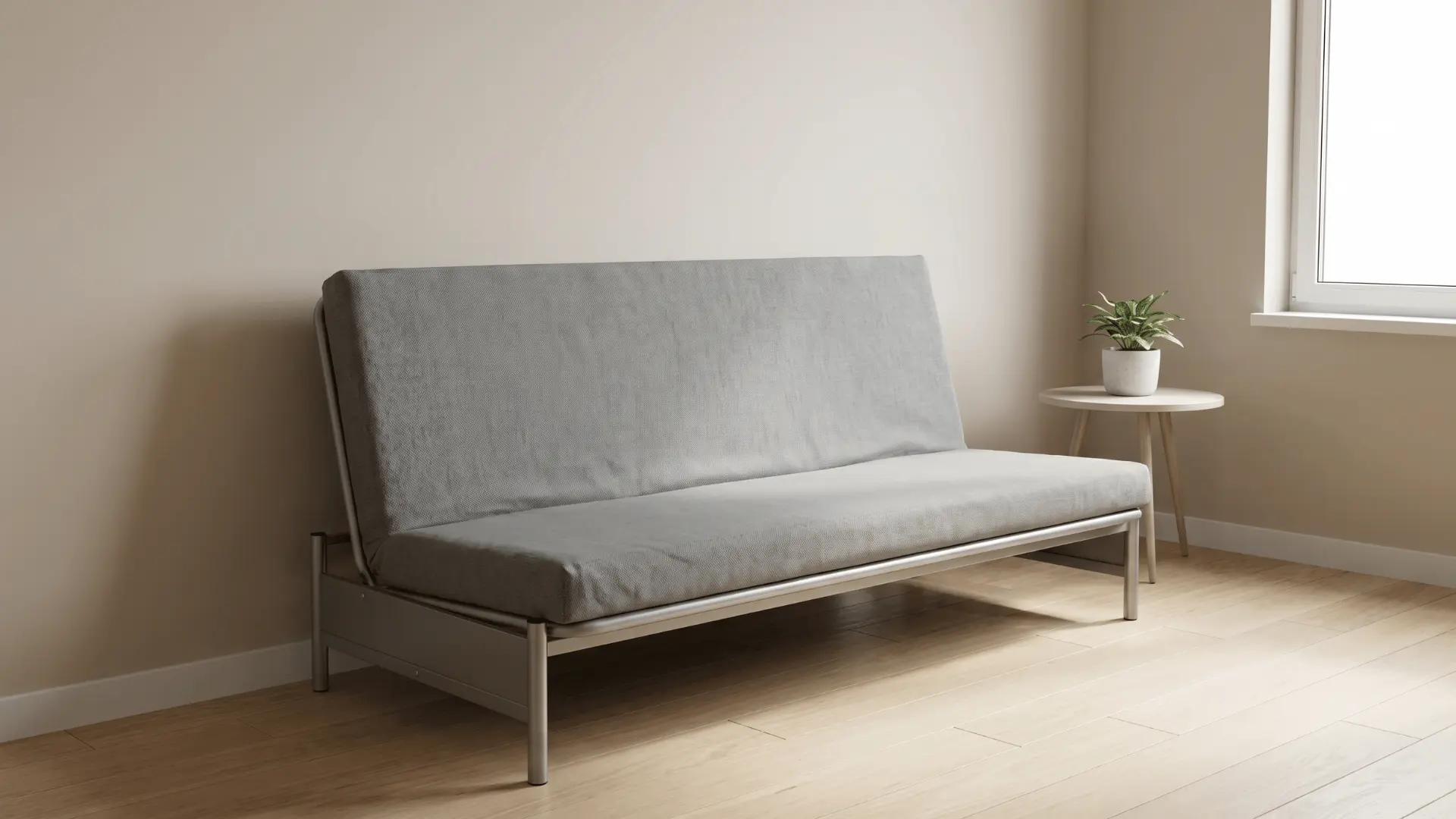
A futon is a lightweight sofa that folds into a flat sleeping surface. Its simple frame and thinner mattress make it affordable and easy to move, but it offers less long-term comfort and support.
It works best in small spaces, dorms, or temporary setups where flexibility and low cost are more important than everyday comfort. Its compact design saves space.
Best for rooms that need a simple seating and sleeping option without taking up much floor area.
17. Sofa Bed / Daybed / Chaise Lounge

Sofa beds, daybeds, and chaise lounges offer flexible lounging or sleeping options without a full sleeper mechanism. Their lighter designs make them easier to place while offering less support for sleeping.
They work best for daytime relaxation, reading, or short rest periods rather than regular overnight use. Their size and shape can suit different room layouts.
Best for spaces that need casual lounging comfort with occasional sleeping functionality.
Understanding Sofa Materials Before You Choose
Sofa material affects comfort, durability, and maintenance, so it should match the sofa type and daily use. Different types of sofas may need different materials for better performance.
Fabric sofas offer softness and many design options but may require more care depending on the weave. Leather sofas are easier to clean but can feel firmer and show wear over time.
Microfiber is a low-maintenance choice that resists stains, making it useful for homes with pets or frequent sofa use. It offers a practical balance of comfort and easy upkeep.
The right material should support your lifestyle, cleaning needs, and comfort preferences. A sofa’s appearance matters, but everyday use should guide the final choice.
How to Match the Right Sofa Type to Your Space
Choosing among different types of sofas becomes easier when you decide in this order: function first, configuration second, and style last.
Reversing this order can lead to blocked pathways or designs that overpower the room.
| Situation | What to Choose | What to Avoid | Why It Works |
|---|---|---|---|
| Small Spaces | Loveseats, standard 3-seaters, armless, or mid-century styles | U-shaped sectionals, bulky styles like Chesterfield | Keeps the room open, maintains clear pathways, and avoids visual clutter |
| Comfort-First Priorities | English Roll Arm, Lawson, modular sofas | Tuxedo, Camelback styles | Allows deeper seating and a relaxed posture for long sitting hours |
| Multi-Use or Guest Rooms | Sleeper sofas, modular configurations | Futons for frequent use | Handles both seating and occasional sleeping without adding extra furniture |
| Style-Led Rooms | Chesterfield, Camelback, mid-century styles | Recliners, overly casual designs | Maintains a strong visual identity without disrupting the overall look |
Choosing the right sofa becomes easier when you match its function, size, and style with your room’s needs. A balanced choice leads to greater comfort, improved movement, and a more practical living space.
Conclusion
A sofa is more than a piece of furniture because it influences how a room feels, functions, and is used every day. It affects comfort, space planning, and the overall look of your living area.
The ideal choice comes from understanding your space, comfort needs, and how you plan to use it. Considering these factors helps you find a sofa that fits your lifestyle.
With different types of sofas offering unique benefits, there is no single option that works for every home. A thoughtful selection considers both current needs and future changes in your living space.
Instead of choosing based only on trends, focus on what will make your room practical and comfortable over time.
Take a moment to evaluate your needs and share your sofa choice or ideas in the comments below.
Frequently Asked Questions
What is the Difference Between a Sofa and a Couch?
There is no real functional difference between a sofa and a couch, as both terms refer to the same piece of seating furniture, with the variation mainly coming from regional language or casual usage rather than design or purpose.
How Do I Choose the Right Sofa Type for My Home?
The best way to choose the right sofa is to decide based on function first, then configuration, and finally style, so the sofa fits your daily use and room layout before focusing on how it looks.
Are Sectional Sofas Good for Small Rooms?
Sectionals can work in small rooms only if sized correctly, but they often take up more space and can block movement if not planned carefully.


