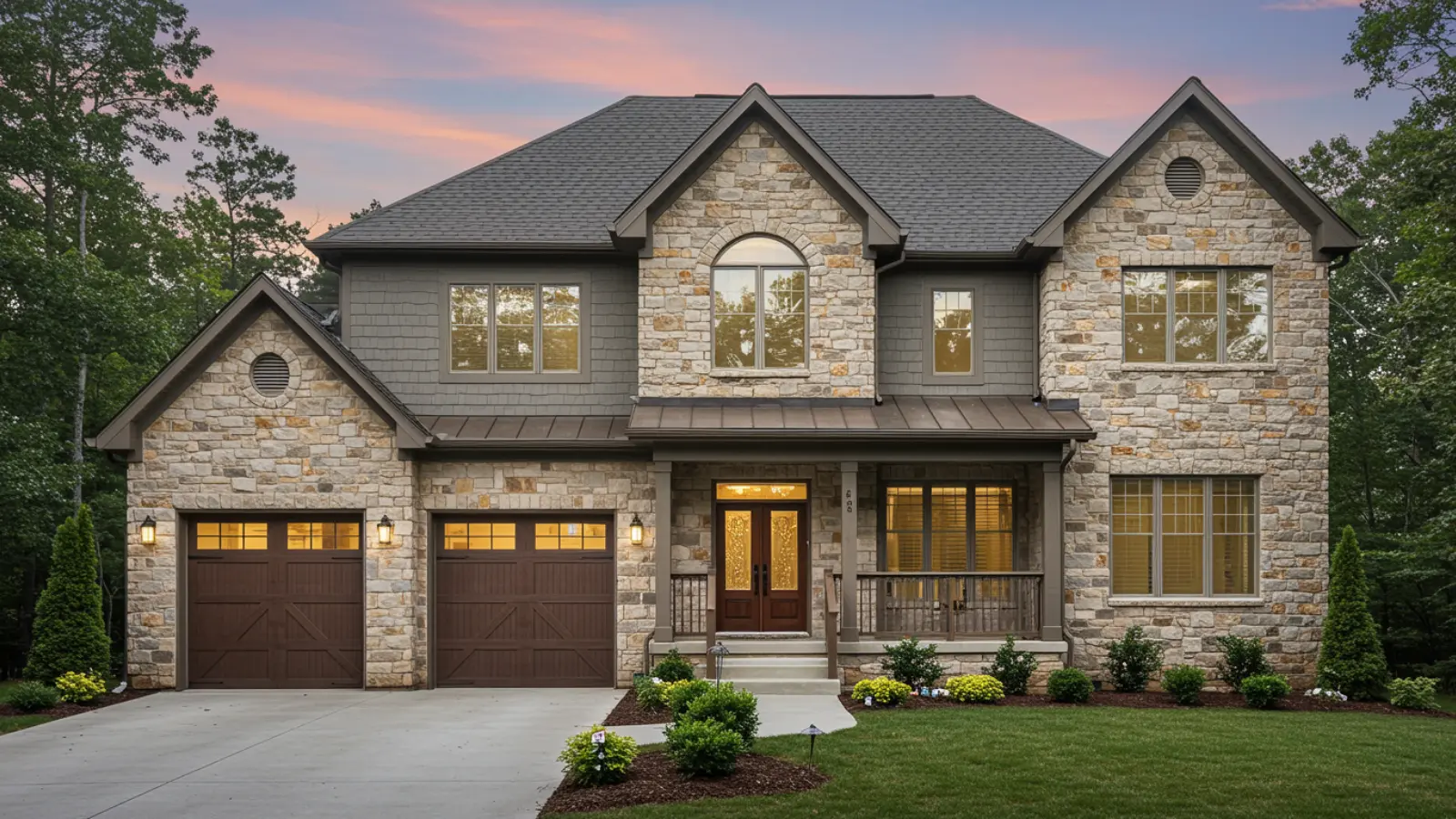
Tri-Level House: Layout, Remodel & Tips
Tri-level houses are mid-20th-century designs that stagger living spaces across three short levels. This layout separates private, public, and utility areas while keeping the home compact.
The upper level usually has bedrooms and bathrooms for privacy. Windows are positioned for natural light and seclusion.
The mid or entry level contains the kitchen, dining, and living areas. Open sightlines make the space feel connected and welcoming.
The lower level is flexible for family rooms, guest suites, or utility spaces. It can also serve as an office, recreation area, or storage depending on needs.
What is a Tri-Level House?
A tri-level house is designed with three staggered levels connected by short flights of stairs. This layout separates the home into distinct functional zones for better privacy and flow.
The upper level typically contains bedrooms and full bathrooms, creating a private retreat for family members. Windows are often positioned to capture views while maintaining seclusion.
The mid or entry level serves as the main living area, including the foyer, kitchen, dining, and living room. This level often provides sightlines that make the space feel open and connected.
The lower level is flexible, used for family rooms, guest suites, or utility spaces like laundry and garage. It can also be a recreation or office area.
Tri – Level House Layouts

Tri-level homes divide living space across three staggered levels. Each level has a distinct function, creating privacy and efficient flow.
| Level | Key Areas | Notes / Use |
|---|---|---|
| Entry / Mid | Foyer, Kitchen, Dining, Living | Main living areas with sightlines and flow |
| Coat closet | Storage and organization | |
| Stair access to upper/lower | Connects all levels efficiently | |
| Upper | Bedrooms | Private zones for family members |
| Bathrooms | Full baths for convenience and privacy | |
| Master suite | May include walk-in closet and en-suite | |
| Lower | Family / Media Room | Flexible space for recreation or gatherings |
| Laundry / Garage | Utility and storage | |
| Office / Recreation | Optional workspace or gym |
This layout helps buyers and homeowners quickly understand how the tri-level home separates private, public, and flexible areas efficiently.
Pros and Cons of a Tri-Level House
Tri-level homes separate living and private areas efficiently. They save space while keeping functional zones distinct.
Pros:
- Natural separation of public and private areas, reducing noise transfer.
- Compact layout saves space while maintaining functional zones.
Cons:
- More stairs, which can be difficult for elderly or young children.
- Segmented layout and uneven heating/cooling may affect comfort.
Ideal for privacy and space efficiency, but consider stairs and temperature differences.
Popular Remodel Ideas
Tri-level homes can be updated to improve light, flow, and functionality. Non-structural upgrades make spaces more practical and inviting.
- Lighting and Sightlines: Open the main level, increase natural light, and add layered lighting to the lower level.
- Kitchen & Main Level: Create open floor plans with modern cabinets and durable finishes for a cohesive look.
- Lower Level: Refresh family rooms with built-ins, recessed lighting, and multipurpose setups.
- Mudroom & Office Conversions: Optimize unused dining or formal spaces into mudrooms or home offices for practical use.
These remodels enhance livability and flow while maximizing the functionality of each level.
Marketing Tri-Level Homes
Effective marketing helps buyers understand the flow and potential of a tri-level home.
Clear visuals and targeted messaging highlight functional spaces and upgrades.
| Strategy | Action | Benefit |
|---|---|---|
| Photo Angles | Capture multiple levels and short stair runs | Shows vertical flow and connectivity |
| Before/After Visuals | Use renovation renderings or staging | Helps buyers visualize potential and upgrades |
| Highlight Upgrades | Emphasize kitchen, lighting, and lower-level updates | Demonstrates value and functionality |
| Lower-Level Versatility | Showcase in-law suites, offices, or recreation areas | Highlights flexible and practical spaces |
Using clear photos, visualization tools, and strategic highlights makes listings more engaging and easier for buyers to understand.
Benefits of Living in a Tri-Level Home
Tri-level homes are designed to separate living, sleeping, and utility areas efficiently. This layout provides privacy, comfort, and makes the most of a compact footprint.
- Clear separation of private and public spaces reduces noise transfer.
- Compact design saves space and fits well on smaller lots.
- Flexible lower levels can serve as family, office, or recreation spaces.
- Staggered levels create visual interest and functional zoning for daily living.
Tri-level homes combine practicality and privacy for families of all sizes. Thoughtful design and layout make them both functional and appealing for long-term living.
Tri-Level Home Comparisons
Tri-level homes differ from split-level, two-story, and ranch-style homes in layout and appeal.
Understanding these differences helps buyers evaluate space, flow, and functionality.
| Home Type | Layout Features | Appeal / Notes |
|---|---|---|
| Tri-Level | Three staggered levels connected by short stairs | Clear separation of private, public, and utility areas |
| Split-Level | Two main levels with short stair flights connecting them | Open feel with partial separation; compact footprint |
| Two-Story | Two full floors stacked vertically | Taller exterior; traditional zoning; larger rooms |
| Ranch | Single-story layout with extended horizontal footprint | Easy accessibility; open-plan living; no stairs |
Tri-level homes offer vertical separation and natural zoning for privacy.
Choosing the right home style depends on space, lifestyle, and family needs.
Conclusion
Tri-level homes efficiently separate private, public, and flexible spaces. This staggered layout keeps the footprint compact while maximizing usability.
The design naturally zones sleeping, living, and recreation areas. Families benefit from privacy, functional flow, and distinct living zones.
Thoughtful remodeling enhances light, connectivity, and room functionality. Non-structural updates make each level practical and visually appealing.
Showcase your tri-level home’s potential with clear photos and staged visuals. Interested in learning more tips or sharing your experience? Comment below!
Frequently Asked Questions
How many bedrooms do tri-level homes usually have?
Most tri-level homes have 2–4 bedrooms on the upper level, depending on the overall size and design.
Are tri-level homes more expensive to maintain?
Maintenance costs are generally comparable to other homes, but multiple short staircases may require extra cleaning and minor upkeep.
Can tri-level homes be converted to open-concept layouts?
Yes, with non-structural remodeling, walls can be removed or partially opened to create open living and kitchen spaces.