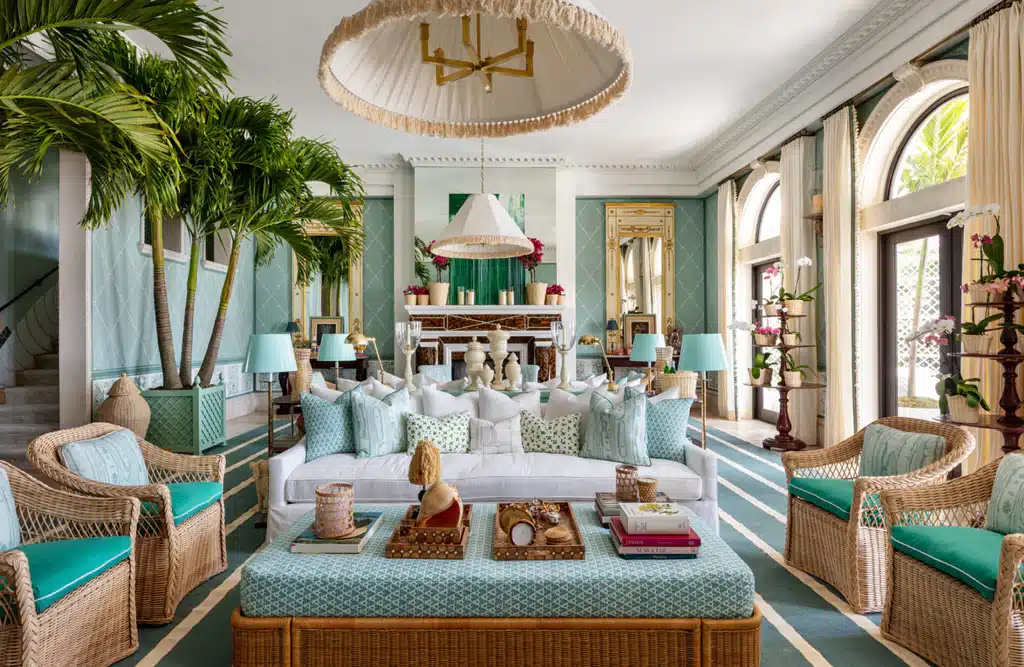
21 Transitional Dining Ideas for Every Home
Tired of choosing between traditional charm and modern flair for your dining room?
A transitional dining room blends both styles seamlessly. This versatile design fits any home, allowing you to mix your favourite elements into one cohesive, stylish space.
Whether you love vintage vibes or contemporary sleekness, transitional style lets you enjoy the best of both worlds.
By the end of this blog, you’ll have the tools to create a dining room that matches your unique taste, from subtle elegance to bold accents.
Why a Transitional Dining Room is the Perfect Choice?
A transitional dining room combines the warmth of traditional design with the clean lines of modern style. It offers the best of both worlds, creating a space that is both functional and stylish.
- Versatility: This style adapts to any taste, blending the best of both worlds. Whether you prefer a rustic vibe or a sleek, contemporary look, transitional design offers the flexibility to create a space you love.
- Timelessness: Transitional rooms don’t rely on fleeting trends, making them timeless. The blend of classic and modern elements ensures the design will remain stylish for years.
- Functionality Meets Style: A transitional dining room isn’t just about looks – it’s about creating a space that works for your lifestyle. With the perfect balance of styles and functionality.
Transitional Dining Styles and Decor Ideas
These designs combine classic elements with contemporary touches for a balanced, stylish look.
1. Warm Minimalist

This style blends cozy warmth with clean, simple lines. Choose wooden dining tables, soft neutral colors, and minimalist accessories for a relaxed, modern feel.
Who This is For: People who crave clean, uncluttered spaces but find cold, stark minimalism too lifeless and uninviting.
2. Collected and Layered

A style that feels lived-in and personal. Mix vintage and modern pieces, layer rugs, and use a variety of textures for a homey, inviting space.
Who This is For: Those who love warmth, character, and a home that tells a story through every carefully chosen piece.
3. Coastal Transitional

For a relaxed vibe with modern touches, use light wood furniture, white or soft blue tones, and natural materials like wicker or jute to bring the outdoors in.
Who This is For: Anyone living in a light-filled home who wants their dining room to feel like a permanent exhale.
4. Modern Farmhouse Transitional

Combine rustic charm with modern design. Opt for reclaimed wood furniture, sleek metal accents, and neutral tones like gray or beige for a warm yet fresh look.
Who This is For: People who want a hardworking, lived-in dining room that still looks intentional and put-together.
5. Moody and Dramatic Transitional

Go bold with deep colours like charcoal or navy. Use dark wood furniture, dramatic lighting, and sleek, contemporary pieces to create a moody atmosphere.
Who This is For: Design-confident individuals who want their dining room to feel like an immersive, atmospheric experience.
6. Scandinavian Transitional

For a bright, airy space, focus on light wood furniture, soft whites, and minimal accessories. Keep the decor simple with clean lines and natural elements.
Who This is For: Minimalism lovers who want their space to feel genuinely warm and human, not cold or overly spare.
7. Eclectic Transitional

Mix and match traditional and modern pieces for a unique, personalized look. Add colorful accents, mismatched chairs, and a variety of textures to make the space your own.
Who This is For: Creative personalities who refuse to be boxed into one look and want a dining room that reflects a genuinely unique point of view.
8. Industrial Transitional

Combine raw materials like metal and wood with sleek modern furniture. Use exposed beams, concrete floors, and minimalist light fixtures for an urban, industrial look.
Who This is For: Urban dwellers who love raw, utilitarian lookss but want their dining room to still feel warm enough to actually eat and linger in.
9. Bohemian Transitional

Mix boho flair with clean lines by using vibrant textiles, woven furniture, and lush plants. Soft neutrals with pops of color create a cozy, relaxed dining room.
Who This is For: Free-spirited decorators who want maximum personality and warmth in their dining room without following any conventional design rules.
10. Transitional Maximalist

More is more with this style! Layer textures, bold patterns, and luxurious fabrics, but keep the design balanced with modern touches and a neutral base.
Who This is For: Confident, expressive decorators who believe more is more and want a dining room that feels genuinely lavish, joyful, and full of life.
11. Japanese Wabi-Sabi Transitional

Embrace simplicity and imperfection. Use natural wood, minimalist furniture, and earthy tones, creating a calm, peaceful space that celebrates the beauty of imperfection.
Who This is For: Mindful decorators who find beauty in imperfection and want a dining room that feels humble, authentic, and quietly extraordinary.
12. Transitional Traditional Revival

Bring back classic elegance with updated traditional pieces. Use formal furniture with modern upholstery, classic chandeliers, and soft, muted colors for a timeless look.
Who This is For: Classic design lovers who want to honor traditional vibes while keeping the overall result feeling relevant, livable, and current rather than dated.
13. Japandi Transitional

Blend Japanese minimalism with Scandinavian simplicity. Focus on light, neutral colors, natural materials, and functional, sleek furniture for a calm, uncluttered space.
Who This is For: People who find beauty in restraint and want a dining room that feels meditative, grounded, and deeply intentional.
14. Rustic Transitional

Combine the warmth of rustic elements like wood and stone with modern furniture. Use earthy tones, textured fabrics, and cozy lighting to create an inviting atmosphere.
Who This is For: Nature lovers who want a dining room that feels rooted, raw, and organically beautiful without sacrificing modern comfort.
15. Mediterranean Transitional

Think sun-drenched spaces with terracotta accents, light woods, and natural textures. Mix traditional Mediterranean pieces with simple modern lines for a breezy, relaxed feel.
Who This is For: Those drawn to old-world European warmth who want their dining room to feel like a countryside villa – unhurried, layered, and full of character.
16. Art Deco Transitional

Blend bold, geometric patterns with sleek modern lines. Use luxurious finishes like gold or chrome, along with art-inspired details, for a chic, sophisticated atmosphere.
Who This is For: Those who want their dining room to feel luxurious and visually striking without tipping into full maximalist territory.
17. Mid-Century Modern Transitional

Use clean lines, sleek furniture, and retro-inspired designs with a modern twist. Opt for wood tables, geometric lighting, and minimalist accessories to create a timeless feel.
Who This is For: Design enthusiasts who appreciate iconic furniture silhouettes and want a dining room with genuine historical reference and timeless visual appeal.
18. Hollywood Regency Transitional

For a glam dining room, mix modern furniture with luxurious materials. Think mirrored furniture, velvet chairs, and bold, shiny lighting for a touch of drama.
Who This is For: Anyone who considers their home an extension of their personality and wants a dining room that makes an unforgettable first impression.
19. Biophilic Transitional

Bring the outdoors inside by using lots of plants, natural wood furniture, and earthy colors. Large windows and natural light will help create a refreshing, nature-inspired space.
Who This is For: Plant lovers and nature-driven personalities who want their dining room to feel like eating outdoors – even when firmly inside.
20. Parisian Transitional

For a sophisticated French-inspired look, mix traditional furniture with modern elements. Use vintage-style furniture, luxurious fabrics like velvet, and elegant chandeliers for a chic vibe.
Who This is For: Romantics who want their dining room to feel like a Parisian apartment – cultured and casually sophisticated without trying too hard.
21. Zen Transitional

Create a peaceful, balanced dining room with simple, functional furniture. Use neutral colors, natural materials, and calming decor to evoke a sense of tranquility.
Who This is For: People actively seeking calm in their home environment who want a dining room that genuinely slows the pace and encourages presence over performance
Bringing Transitional Design to Your Dining Room
Creating a transitional dining room is all about mixing and matching elements to find the perfect balance.
| Design Tips | What to Do | Why It Works |
|---|---|---|
| Mix and Match Textures | Combine soft and hard materials (e.g., velvet pillows on wood chairs) | Adds depth and balance to the space |
| Soft vs. Hard | Pair contrasting textures like wood and fabric | Keeps the room dynamic and interesting |
| Play with Proportions | Mix oversized pieces with smaller items | Creates harmony and avoids clutter |
| Avoiding Clutter | Choose impactful furniture, avoid too many small items | Keeps the space open and balanced |
| Art and Decor | Mix classic art with modern twists | Adds personality while feeling timeless |
| Personal Touches | Add family heirlooms or vintage finds | Brings warmth and uniqueness to the room |
Conclusion
Creating a transitional dining room allows you to embrace the best of both worlds – traditional warmth and modern style.
Whether you’re drawn to rustic charm, sleek contemporary designs, or a bold, dramatic atmosphere, the transitional style offers endless possibilities.
By mixing textures, playing with proportions, and adding personal touches, you can craft a dining space that reflects your unique taste while staying timeless.
With the tips and ideas from this blog, you’re all set to create a dining room that’s both practical and visually stunning.