
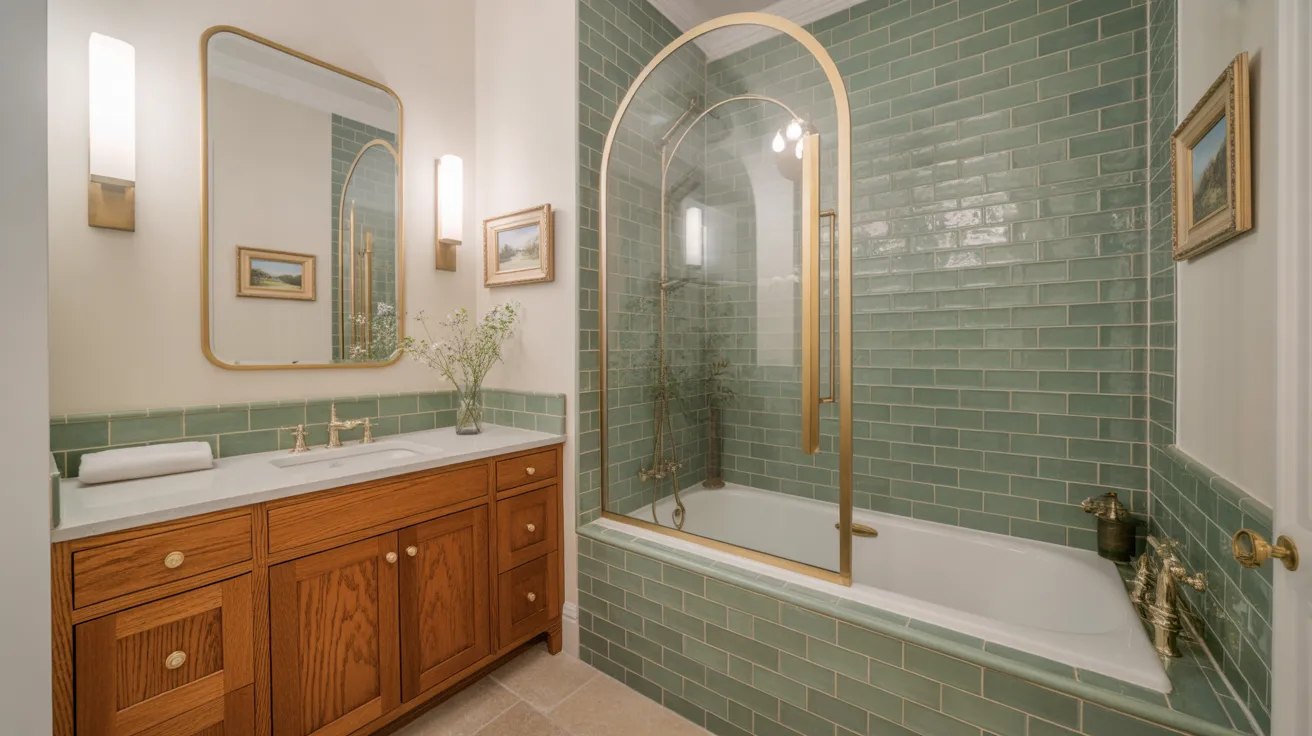
Top 12 Small Master Bathroom Ideas That Actually Work
A small master bathroom can feel frustrating. Limited space, poor storage, and bad lighting make daily routines harder than they need to be.
But the size of your bathroom is not the real problem. The way it is planned and designed makes all the difference.
The right small master bathroom ideas can completely change how the space looks and feels.
Simple changes like better lighting, smarter storage, and space-saving fixtures can open up even the tightest bathroom.
Read on to find ideas, tips, and practical advice that work for any budget and any layout.
Key Features of a Well-Designed Small Master Bathroom
A small bathroom doesn’t have to feel tight or uncomfortable. The right features can make even the smallest space work well for you.
- Efficient layout: a smart layout lets you move around without bumping into things. Every inch is planned with purpose.
- Space-saving fixtures: compact toilets, smaller sinks, and slim-profile tubs free up valuable floor space. Less bulk means more room to breathe.
- Smart storage: built-in shelves, recessed niches, and wall-mounted cabinets keep things organized. You get storage without giving up space.
- Good lighting: bright, even lighting removes dark corners and shadows. It makes the room feel open and clean.
- Proper ventilation: good airflow keeps moisture out, and the space feels fresh. It also protects walls and fixtures over time.
- Cohesive color scheme: light, consistent colors reflect more light and create a sense of space. Avoid too many contrasting shades in a small room.
These features work together to improve both function and feel. A well-planned small bathroom can be just as comfortable as a large one.
Small Master Bathroom Ideas
Small bathrooms need smart ideas, not more space. These twelve changes can transform your bathroom’s look and feel.
1. Replace the Tub With a Walk-In Shower
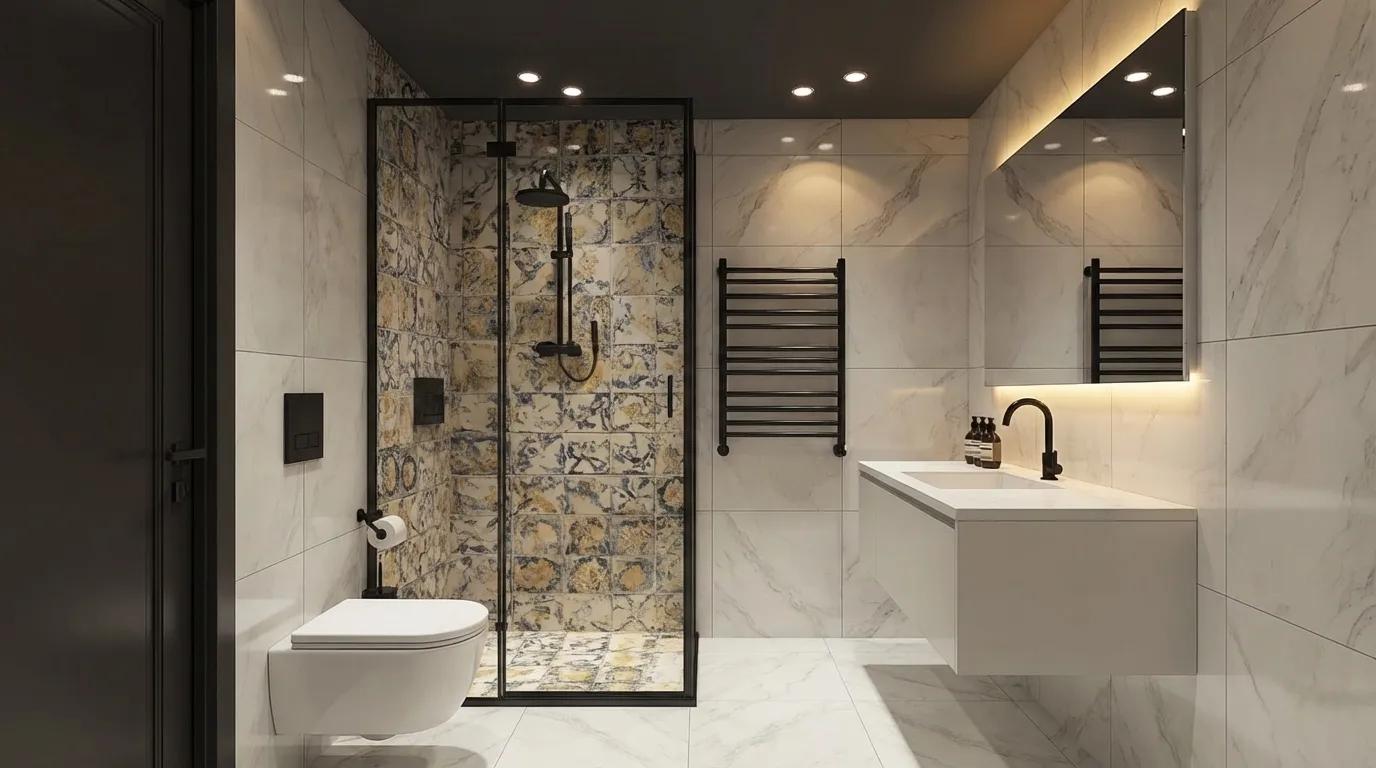
A walk-in shower removes bulky barriers and instantly opens up floor space. Glass panels let light through, making the room feel bigger and less divided.
This works best in tight layouts. Avoid it if the shower area itself is too cramped to move in comfortably.
2. Install a Floating Vanity
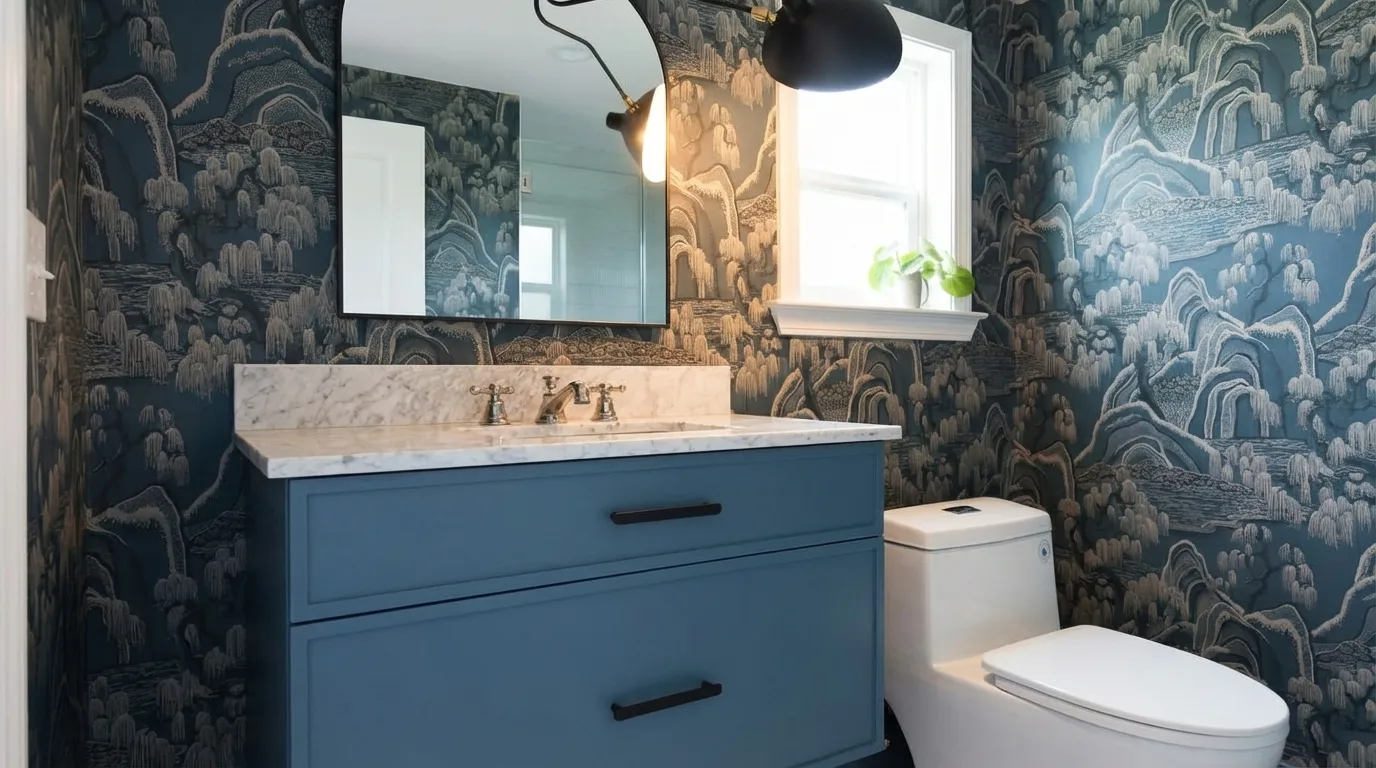
A floating vanity exposes the floor beneath it, which creates an instant sense of openness. It also makes cleaning easier and reduces visual weight in the room.
Make sure the vanity fits the wall properly. One that is too wide will crowd the space rather than open it up.
3. Use Recessed Storage Inside Walls
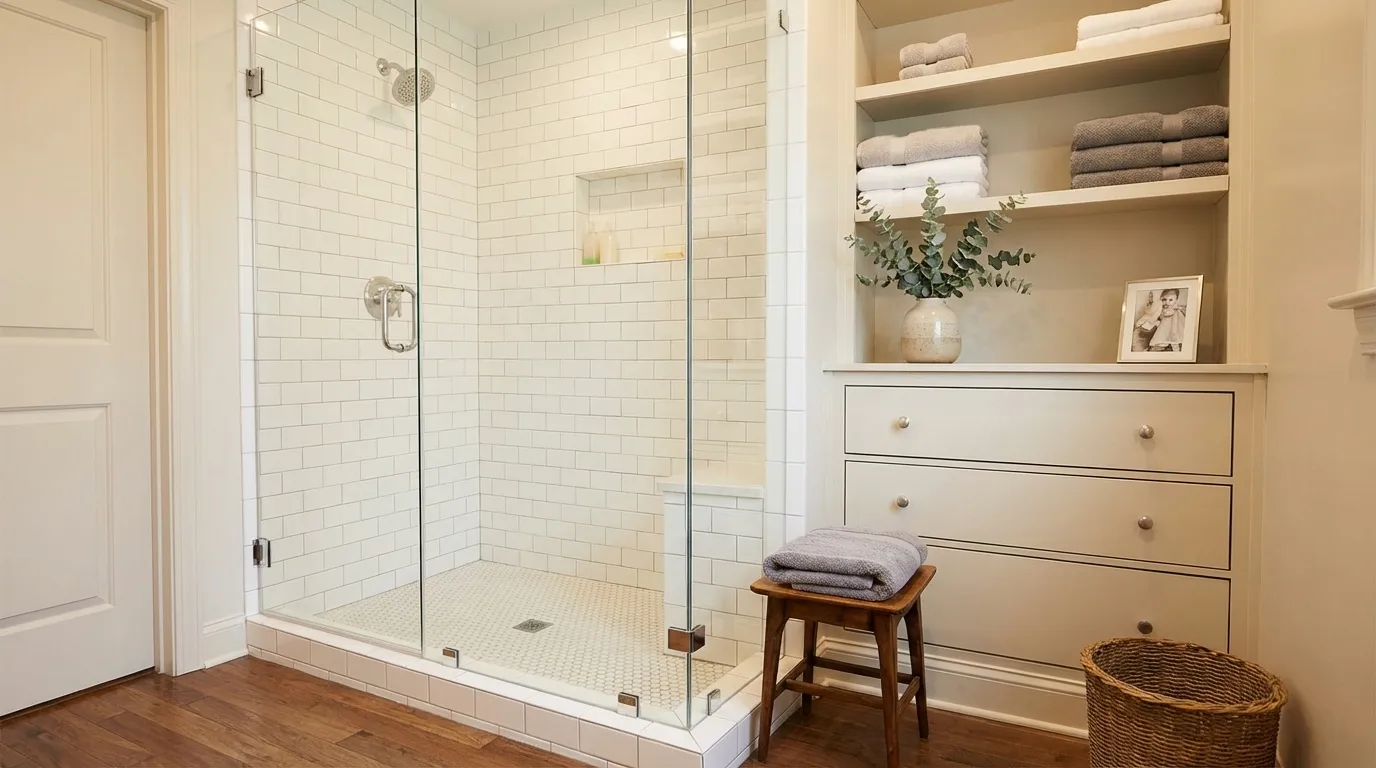
Wall niches and built-in shelves sit flush with the wall, keeping essentials within reach. You get useful storage without adding any bulk to the room.
This only works if the wall depth allows proper installation. Always check with a professional before cutting into walls.
4. Add Large Mirrors to Create Depth
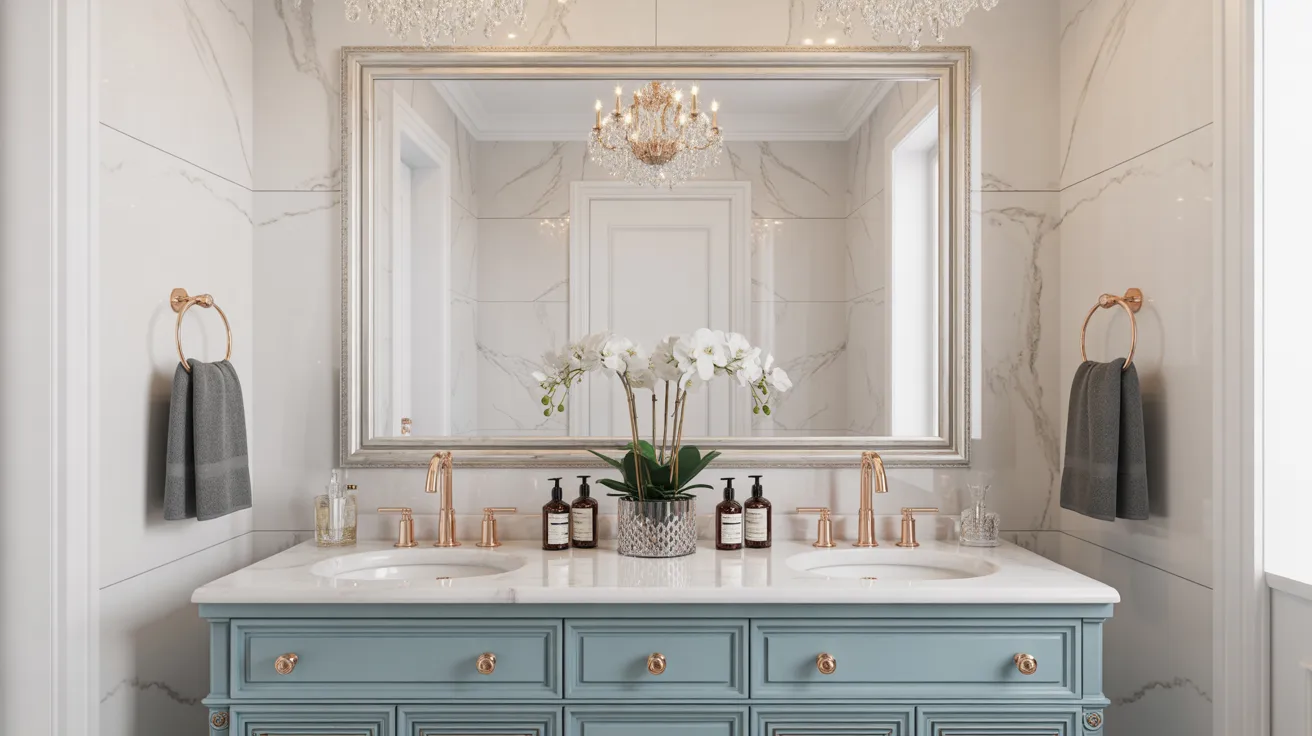
A large mirror reflects light, making the bathroom feel deeper than it is. Placing it across from a light source significantly improves this effect.
Small or poorly placed mirrors reduce the benefit. Choose a mirror that covers a good portion of the wall for the best result.
5. Keep the Layout Open With Glass and Light Colors
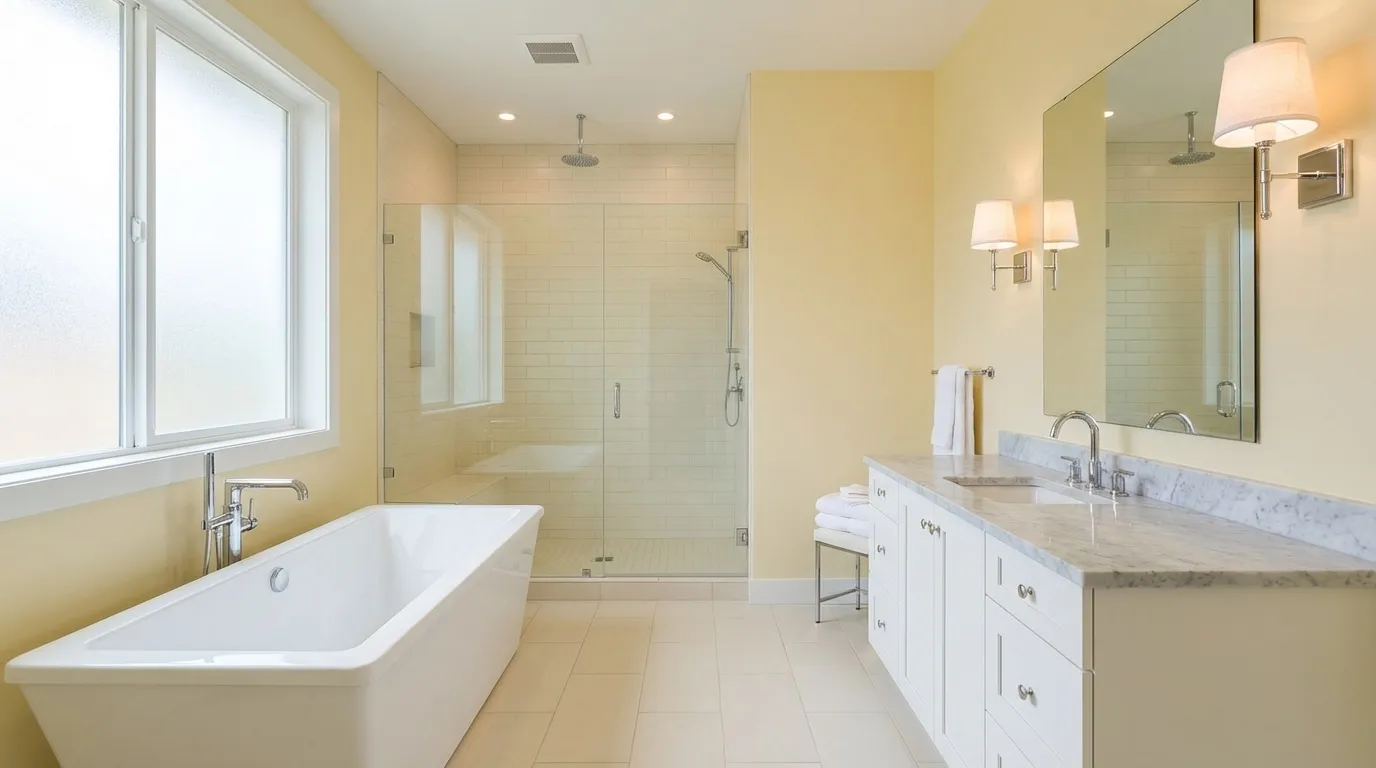
Glass shower doors and light shades reduce visual breaks in the room. Fewer divisions make the space feel larger and more open.
Avoid too many dark elements. They absorb light, making even a well-planned bathroom feel closed and tight.
6. Use Vertical Storage to Maximize Height
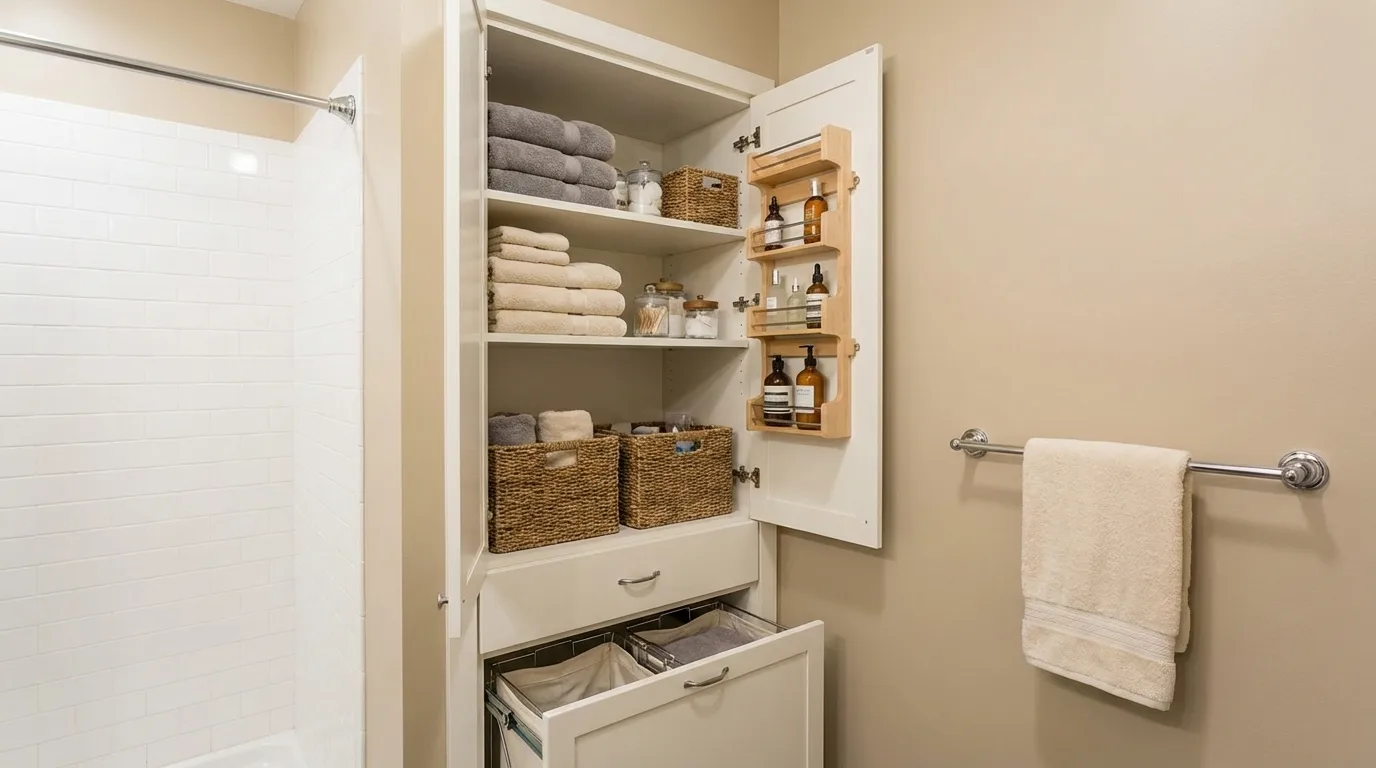
Tall cabinets and open shelves use wall space rather than floor space. This keeps the lower area clear and makes movement throughout the room easier.
Make sure shelves are easy to reach daily. Placing them too high reduces usability and defeats the purpose of the storage.
7. Switch to Sliding or Pocket Doors
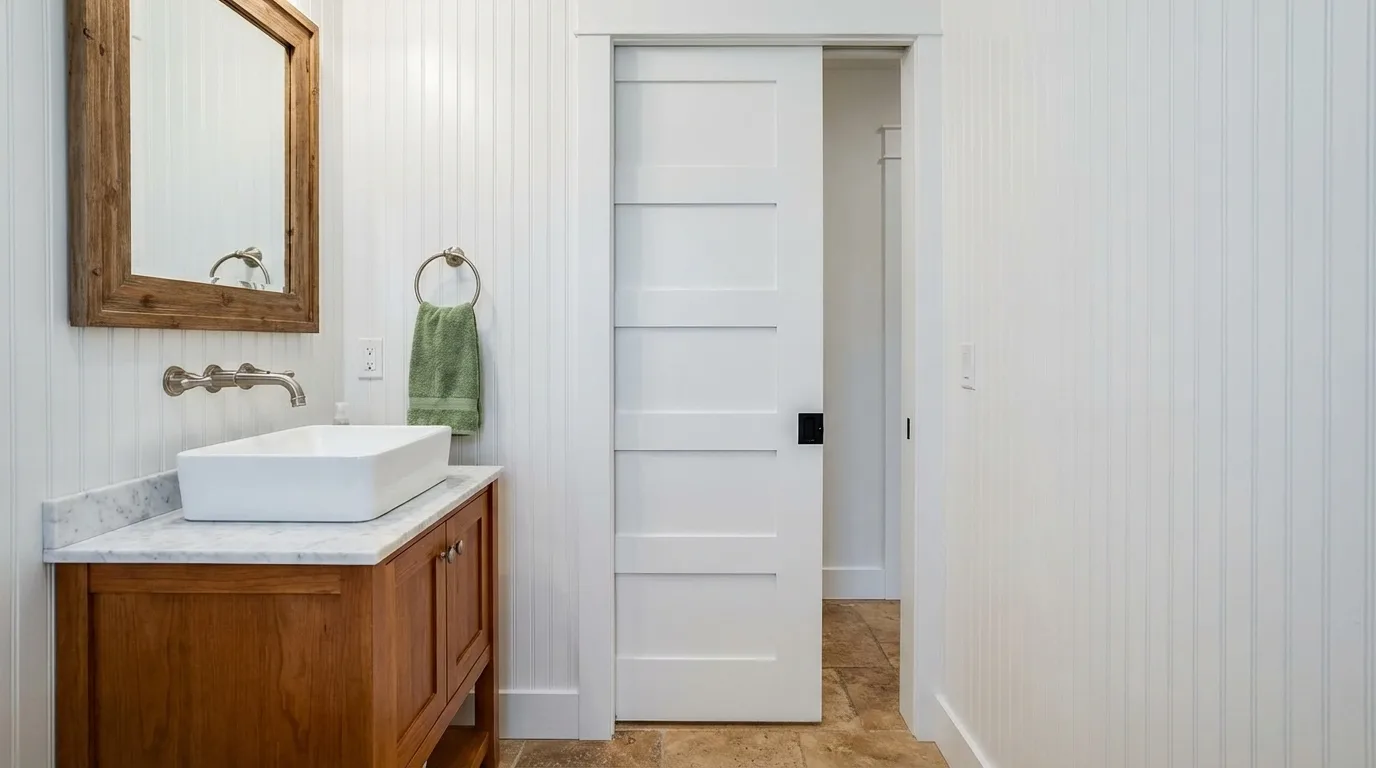
Traditional doors take up space every time they swing open. Sliding or pocket doors eliminate that problem and instantly free up usable floor area.
This works best in tight layouts. The wall structure must be able to support the door mechanism before installation begins.
8. Choose Compact Fixtures
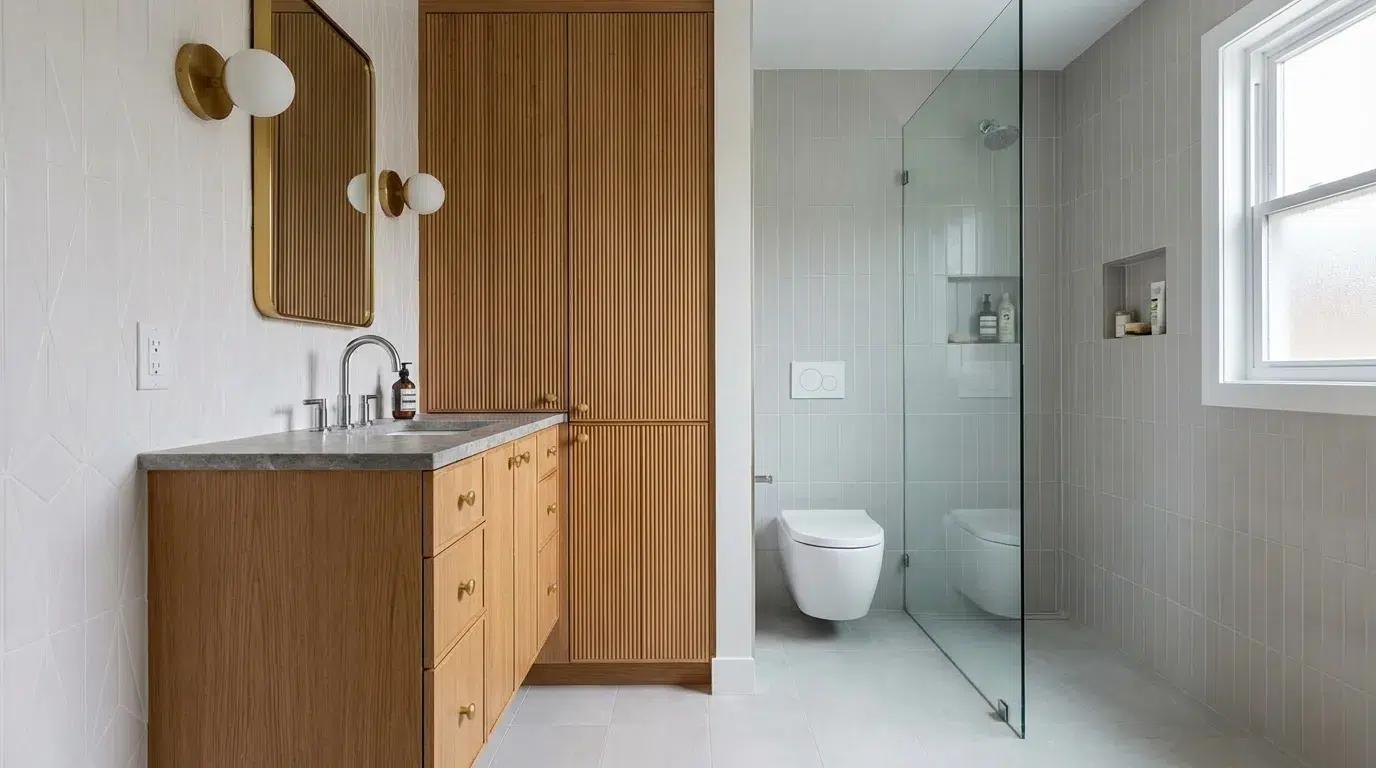
Smaller sinks, toilets, and vanities reduce crowding and help maintain clear walking space. This is especially important in narrow bathroom layouts.
Avoid oversized fixtures at all costs. They quickly make even a well-designed small bathroom feel cramped and uncomfortable.
9. Keep Flooring Continuous
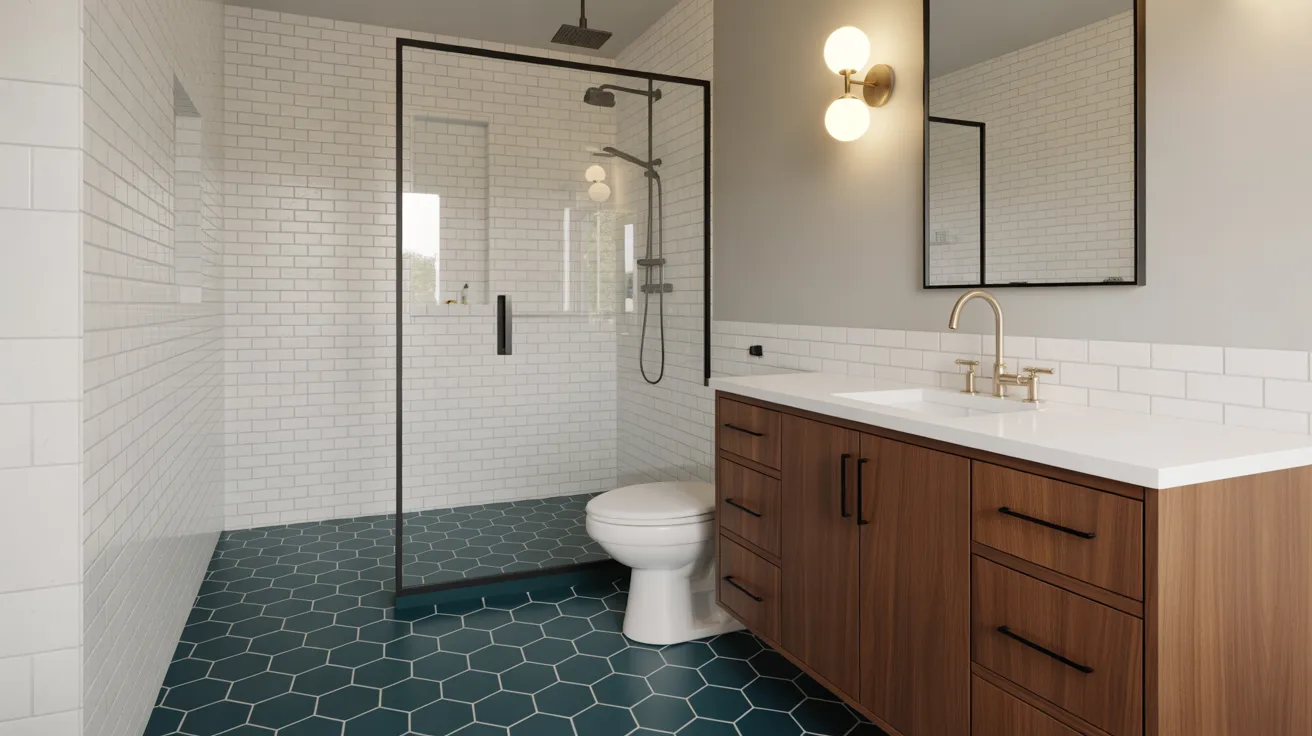
Using the same flooring throughout the bathroom reduces visual breaks and makes the space feel larger. Consistent flooring allows the eye to travel further without interruption.
Avoid too many patterns or transitions between areas. Multiple floor changes shrink the perceived space and add unnecessary visual clutter.
10. Improve Lighting With Layered Sources
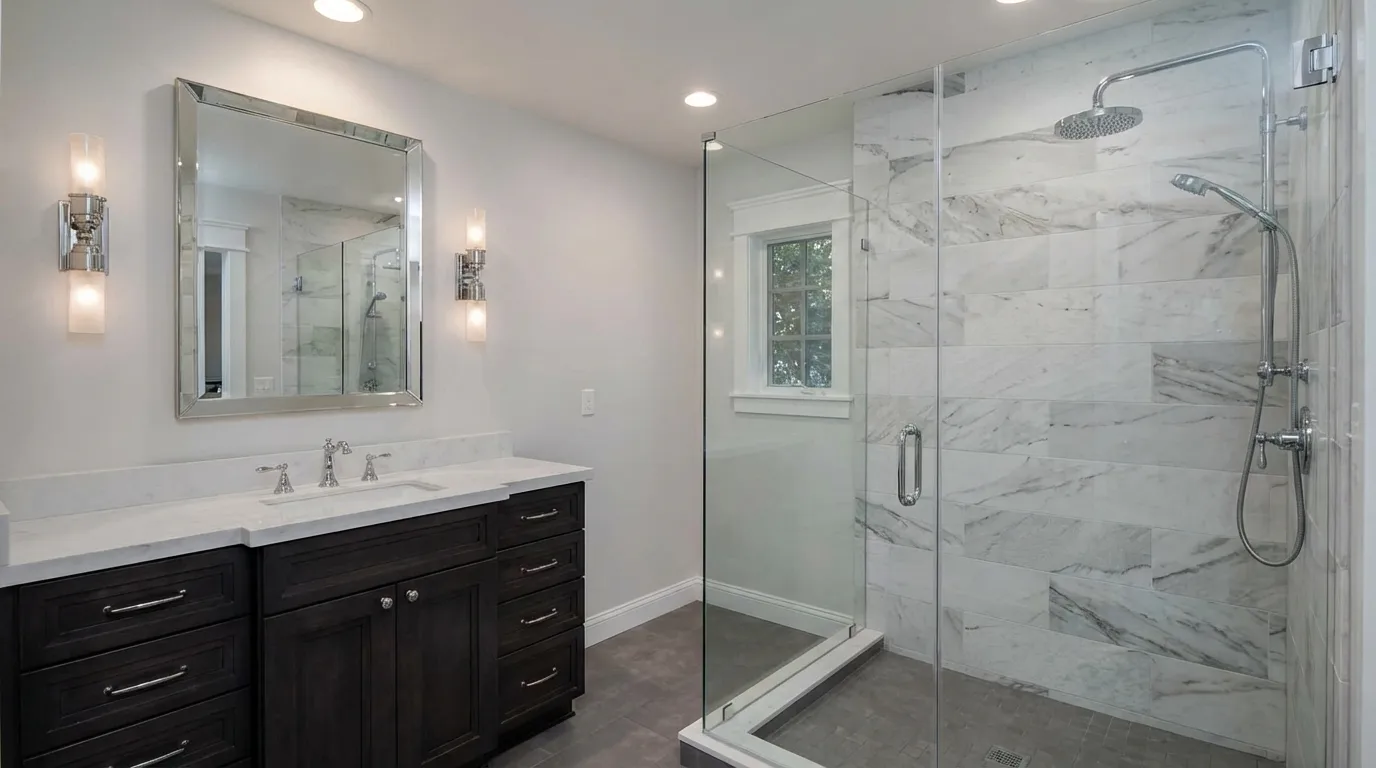
A mix of overhead and mirror lighting removes shadows and makes the space feel more open. Even lighting improves both visibility and the overall feel of the room.
Avoid relying on a single light source. One overhead light creates dark corners and makes the bathroom feel smaller than it is.
11. Use Minimal Decor to Avoid Clutter
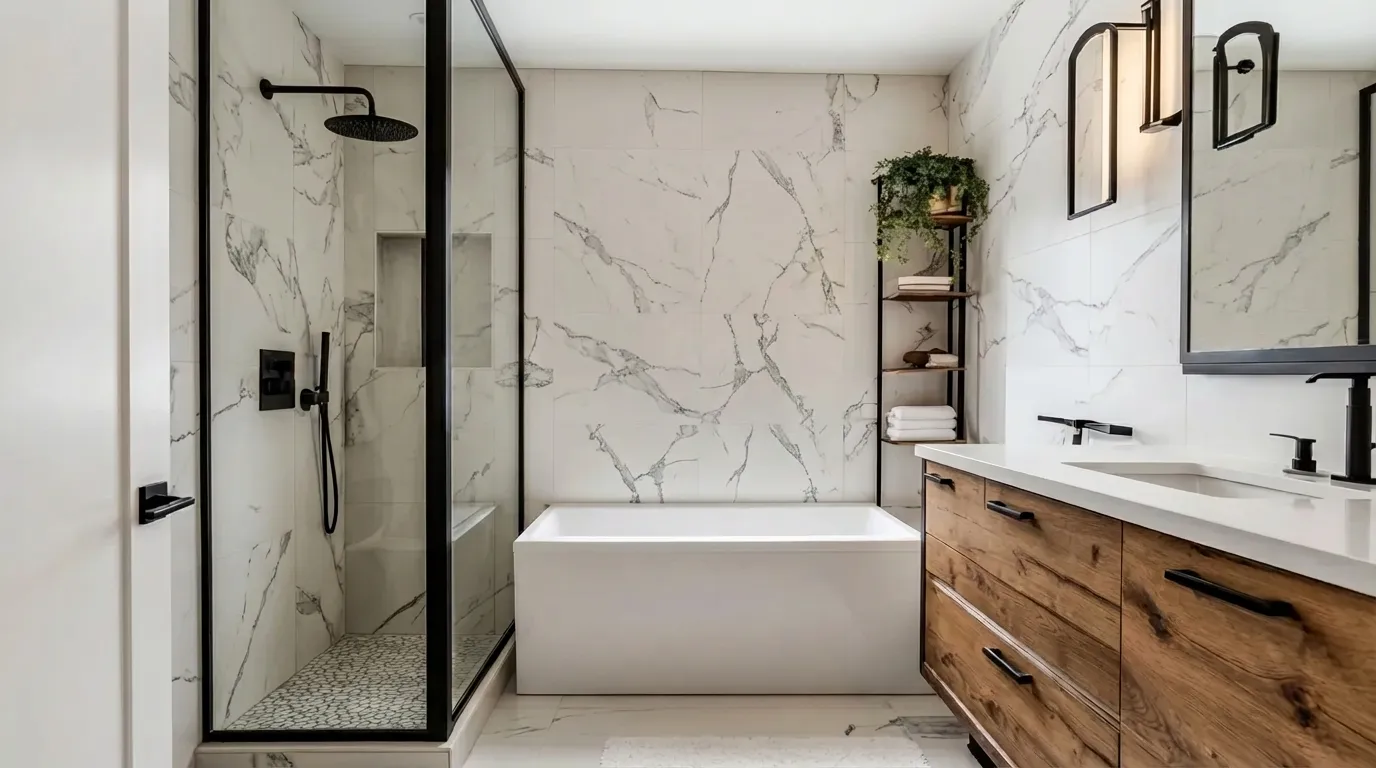
Keeping counters and walls simple helps maintain a clean and open feel. Too many items reduce usable space and make even a functional layout feel crowded.
Choose a few purposeful pieces instead of filling every surface. Less decor always makes a small bathroom feel more spacious.
12. Align Fixtures to Improve Movement Flow
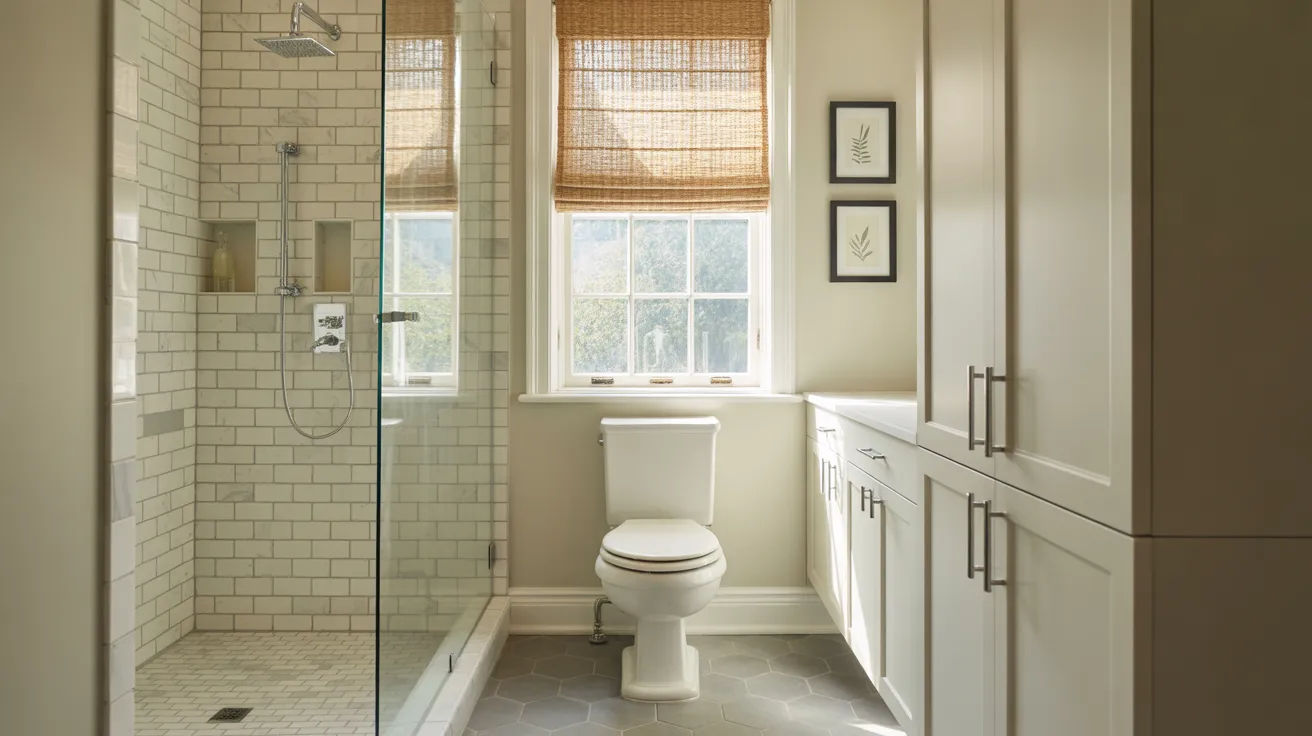
Placing fixtures in a straight or logical layout improves daily usability and reduces awkward movement. A well-aligned layout makes the most of every inch available.
Poor alignment leads to wasted space and blocked pathways. Plan the fixture layout carefully before making any permanent changes.
These twelve ideas work because they focus on light, space, and smart use of every inch. Apply even a few of them, and your small master bathroom will feel noticeably different.
Common Mistakes That Make Small Bathrooms Feel Smaller
Many small bathrooms feel cramped due to avoidable errors. Fixing these issues can improve space without major changes.
- Oversized vanities or cabinets: they eat up floor space and crowd the room
- Solid partitions: they block natural light and make the space feel closed
- No vertical storage: ignoring wall height wastes valuable and easy-to-use space
- Too many decorative elements: excess decor creates visual clutter and reduces openness
- Poor lighting: shadows make even a well-designed bathroom feel tight and small
Conclusion
These mistakes reduce both usable and perceived space. Avoiding them costs little but makes a big difference.
A small master bathroom does not have to feel cramped or cluttered. With the right ideas and a clear plan, even the smallest space can work beautifully.
Start with the changes that matter most to you. Fix the lighting, clear the clutter, or swap out an oversized fixture. Small steps add up quickly and make a real difference.
You do not need to do everything at once. Focus on one or two ideas, see the results, and build from there.
Which of these small master bathroom ideas are you planning to try first? Comment below and let us know. Your experience might help someone else make the right choice.
Frequently Asked Questions
How Long Does a Small Master Bathroom Renovation Typically Take?
The timeline depends on the scope of work. Simple updates like painting or fixture swaps take a few days. Mid-range upgrades may take one to two weeks. Full renovations involving plumbing or layout changes can take four to six weeks or more.
Can I Renovate a Small Master Bathroom Without Hiring a Contractor?
Yes, for basic updates like painting, replacing mirrors, or swapping fixtures. However, work involving plumbing, electrical changes, or wall modifications requires a licensed professional. Doing complex work without one can lead to costly mistakes and safety risks.
What Permits Are Required for A Small Master Bathroom Remodel?
Permit requirements vary by location. Cosmetic changes rarely need permits. Work involving plumbing, electrical, or structural changes usually does. Always check with your local building authority before starting any renovation to avoid fines or issues when selling your home.


