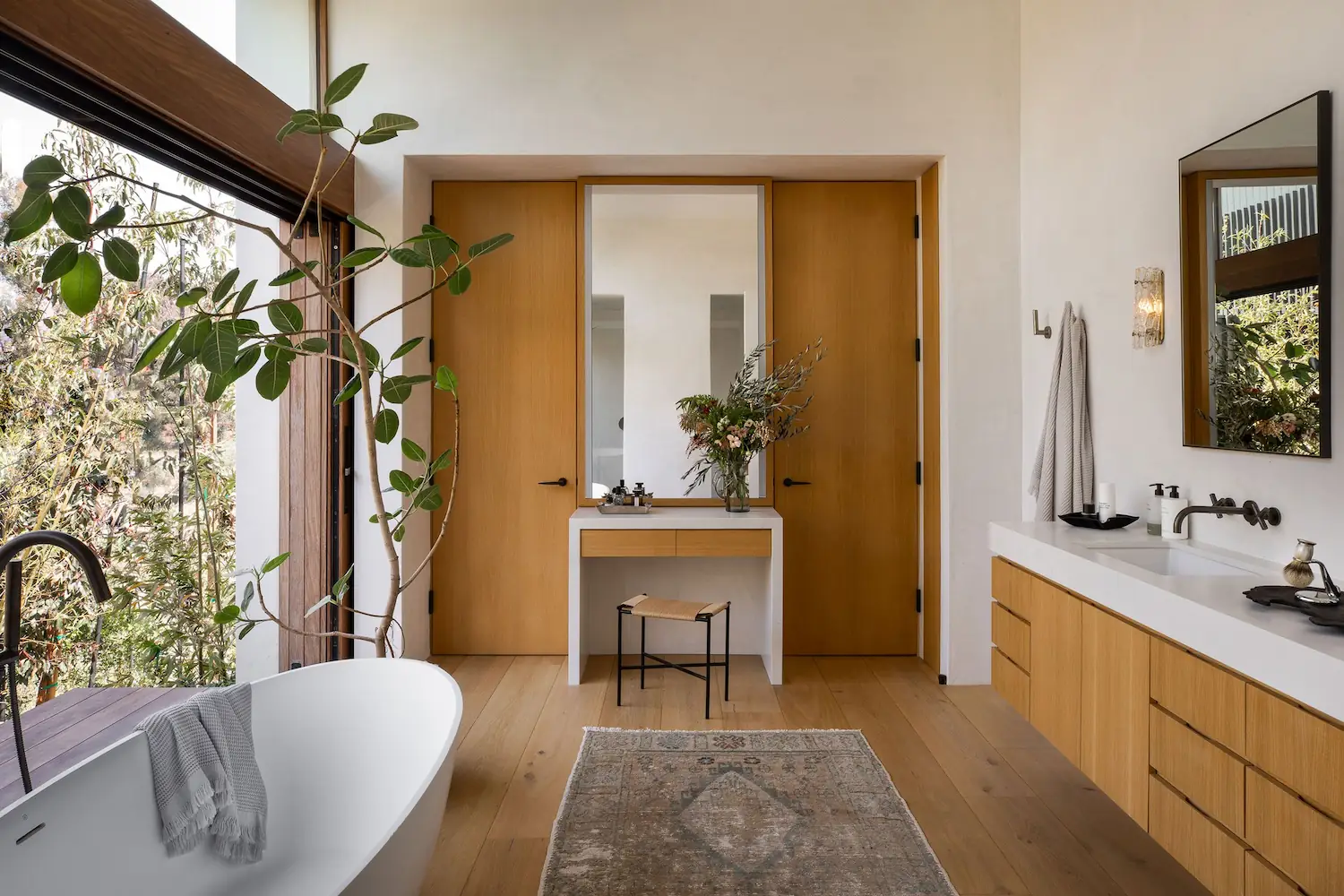
The Ultimate Guide Floor Care Guide: How to Clean and Maintain Your Floors
Like other parts of the house, floors require some maintenance to preserve their appearance and last long. While dirt, dust, and grime can accumulate quickly, you should clean your floors regularly to prevent damage. Adopting a no-shoe policy, using doormats, and grooming your pets outdoors can prevent dirt accumulation. However, you still need to clean your floors.
Apart from rigorous cleaning, regular sealant and polish help with floor maintenance. However, this depends on the type of flooring material used. For instance, if you are repainting your walls, these tips to remove paint from floors can help. Below are a few floor cleaning and maintenance tips you should know.
General Home Flooring Care Tips
Whether your floor is wooden, vinyl, or tile, the following tips can help:
- Use high-quality cleaning products. Avoid harsh chemicals that ruin the floor finish and cause severe damage. While you can increase the cleaning frequency, using quality products assures better results and a longer lifespan.
- Sweep and mop regularly using a damp mop. Refrain from using too much water, especially if the floor is made of porous materials.
- Tools such as vacuum cleaners, cleaning towels, dustpans, and brooms are important for floor care. However, you should choose products specific to the type of your floor.
- Exposing your floor to direct sunlight damages its finish. Protect your floors by shutting your curtains and blinds to avoid discoloration and fading.
- Be careful when moving heavy objects and leverage floor protectors to avoid dents and permanent damage to the floor.
Caring for Hardwood Floors
Hardwood floors should be cleaned regularly according to manufacturers’ instructions to minimize wear and preserve their appearance. You should avoid cleaning hardwood floors with water or steam. You should avoid using cleaning products that use water as a solvent because moisture can damage the floor. Instead, you should use hardwood floor cleaners designed specifically for these floors.
Additionally, you should control indoor humidity levels to protect your hardwood floors from expansion and shrinkage. If you live in areas that experience low humidity, invest in humidifiers to increase indoor humidity. Similarly, homeowners in areas with high humidity should use dehumidifiers and air conditioners to regulate indoor temperatures and humidity.
To further protect your hardwood floors, consider placing felt pads under furniture legs and using area rugs in high-traffic zones. This helps prevent scratches and scuffs caused by dragging or shifting heavy items. Avoid walking on hardwood floors with high heels or cleats, as they can dent or damage the surface.
Regularly trimming your pet’s nails can also minimize scratches. Lastly, reapplying a protective finish or sealant every few years will help maintain the floor’s sheen and provide an added layer of defense against daily wear and tear.
Floor Care for Vinyl Floors
The use of vinyl flooring has increased in popularity due to its low maintenance and durable nature. However, it is highly susceptible to discoloration if not regularly cared for. You should:
- Clean spills and stains immediately
- Observe routine care by sweeping, vacuuming, and mopping
- Use safe cleaning products
- Use slip-resistant mats and rags made from breathable materials
- Use glides and casters when moving furniture to avoid scratches
Caring for Tile Floors
Tiles are durable and low-maintenance flooring materials. However, you should observe the following cleaning and maintenance tips to guarantee longevity:
- Clean regularly to prevent the build-up of dirt, debris, and water
- Use PH-neutral cleaners and water to prevent film formation. Avoid oil and wax-based cleaners as they even or remove the slip-resistance abilities of tiles.
- Pay close attention to grout maintenance. As such, don’t use cleaning products with ammonia and acids.
Caring for Carpet Floors
Carpeted floors add warmth, comfort, and sound insulation to your home, but they also tend to trap dust, allergens, and dirt more easily than hard surfaces. Regular maintenance is key to preserving their appearance and extending their lifespan. Here are some tips for maintaining carpet flooring:
- Vacuum high-traffic areas: Do this at least twice a week, and less-used areas weekly. Use a vacuum with a HEPA filter to remove allergens effectively.
- Tackle stains immediately: Blot spills right away with a clean, dry cloth. Avoid rubbing, which can push the stain deeper into the fibers. Use a carpet-safe stain remover or a mix of mild detergent and water for tougher spots.
- Schedule deep cleaning: Have your carpets professionally steam-cleaned at least once or twice a year. Alternatively, you can rent a carpet cleaner or use a home unit for deep cleaning.
- Use doormats and area rugs: Place mats at entrances to minimize the amount of dirt brought in. Use rugs in high-traffic areas to reduce wear on the carpet underneath.
- Rotate furniture periodically: Changing the arrangement of your furniture occasionally helps prevent permanent indentations and uneven fading of the carpet.
- Keep shoes off indoors: Encourage a no-shoes policy to keep outdoor grime and contaminants off your carpet.
By following these steps, your carpets will not only look better but also contribute to a cleaner and healthier home environment.
Endnote
While it seems obvious, most homeowners find floor cleaning and maintenance challenging. You should prevent dirt build-up, use the right cleaning products, and observe various floor maintenance practices.