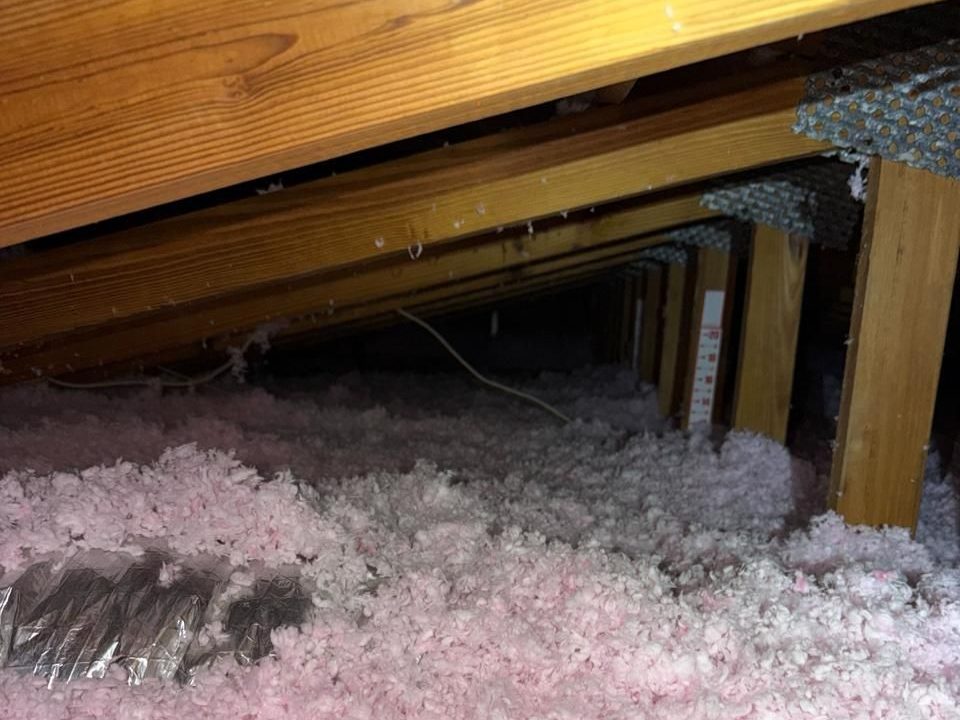
The Silent Energy Leak Most Homeowners Never Think About: Attic Insulation
Most homeowners notice the symptoms long before they discover the cause. The air conditioner runs all afternoon but the house still feels warm. Certain rooms become uncomfortable after noon. Humidity lingers indoors even during cooler evenings. Energy bills climb higher every summer despite no major change in usage.
What many people never realize is that the home may be losing enormous amounts of conditioned air through the attic every single day.
In South Florida, the attic becomes one of the harshest environments inside a property. Roof surfaces absorb relentless sunlight for hours, pushing attic temperatures beyond 130°F during peak summer conditions. At the same time, outdoor humidity constantly presses against the structure, searching for every small opening where moisture and heat can move inside. When insulation begins deteriorating — even gradually — the entire balance of the home changes.
This is why poorly performing attic insulation affects far more than monthly utility costs. It influences indoor air quality, HVAC efficiency, temperature stability, moisture control, and the overall comfort of the living space. In many houses, the attic quietly becomes the largest hidden source of energy waste without any obvious warning signs.
🌡️ Why Heat Builds Faster Than Most Homes Can Handle
South Florida homes operate under constant thermal stress. Unlike colder climates where insulation mainly keeps warmth inside during winter, Florida attics spend most of the year defending the home against extreme exterior heat trying to move downward through the roof structure.
This process becomes especially aggressive when insulation materials start losing effectiveness. Fiberglass batts compress over time. Blow-in insulation settles unevenly and leaves exposed sections behind. Moisture trapped inside insulation layers reduces thermal resistance even further.
Once these weaknesses develop, attic heat begins radiating directly into ceilings and wall cavities. Homeowners often describe the result as a house that “never fully cools down,” even when the air conditioning system runs continuously.
The HVAC system is then forced into longer operating cycles simply to maintain basic indoor comfort. Over time, this creates higher electricity usage, increased equipment wear, and uneven cooling throughout the property.
💧 Humidity Quietly Damages Insulation Performance
Heat alone is not the biggest problem in Florida attics. Humidity changes how insulation behaves over time.
Tiny gaps around plumbing penetrations, recessed lights, duct transitions, and attic access points allow warm humid air to move into attic cavities continuously. Once moisture enters the insulation system, materials begin trapping condensation and losing efficiency much faster.
Damp insulation also creates an environment where mold spores and airborne contaminants spread more easily. In many homes, indoor air quality issues begin above the ceiling long before visible symptoms appear inside living spaces.
Signs connected to attic-related humidity problems often include:
- 🌬️ Persistent indoor humidity despite AC usage
- 💸 Energy bills increasing during warm seasons
- 🦠 Musty odors near vents or hallways
- 🌡️ Rooms that stay warmer than others
- 😷 More dust accumulation and allergy irritation indoors
These issues rarely disappear on their own because the attic continues feeding heat and moisture into the structure every day.
🔍 Small Air Leaks Create Large Energy Losses
One of the least visible attic problems often becomes the most expensive over time. Small openings throughout the ceiling allow conditioned air to escape upward while hot attic air moves downward into the home.
This constant air exchange weakens overall energy efficiency far more than most homeowners expect. Even modern insulation materials struggle when airflow remains uncontrolled.
Professional attic work focuses heavily on identifying these hidden leakage points before adding or replacing insulation. Areas around electrical fixtures, attic hatches, ductwork, plumbing lines, and framing joints are especially common problem zones.
Without proper air sealing, insulation upgrades alone may produce only temporary improvements.
🏡 Old Insulation Can Affect Indoor Air Quality
Many homeowners assume insulation only impacts temperature control. In reality, aging attic insulation can influence the quality of the air circulating through the house every day.
Old insulation often contains years of trapped dust, moisture, pest debris, bacteria, and airborne contaminants. When HVAC ducts pass through overheated attic spaces, those particles may circulate throughout the property repeatedly.
This becomes more serious in humid climates where microbial growth spreads faster inside damp insulation materials.
Professional insulation removal is sometimes necessary before installing new materials. Removing contaminated insulation allows technicians to inspect hidden attic conditions and restore the thermal barrier properly instead of covering old problems with another layer.
🔥 Different Insulation Systems Solve Different Problems
No single insulation method works perfectly for every attic. The right approach depends on airflow conditions, roof design, humidity exposure, and the current state of the attic structure.
Blow-in insulation is commonly used to improve coverage across irregular attic spaces and hard-to-reach areas. Batt insulation remains effective for targeted applications where precise fitting matters. Spray foam insulation offers stronger air sealing performance and helps reduce moisture infiltration in high-humidity environments.
The quality of installation matters just as much as the material itself. Even premium insulation products fail when ventilation problems, moisture intrusion, or airflow imbalance remain unresolved.
Attic Fanatics USA provides attic insulation upgrades, insulation removal, attic sanitation, spray foam insulation, batt insulation, blow-in insulation, and duct cleaning services designed specifically for South Florida’s climate conditions.
🌴 Why Proper Attic Performance Changes the Entire Home
A well-insulated attic affects daily living in ways homeowners immediately notice. Indoor temperatures become more stable between rooms. Cooling systems operate more efficiently instead of running constantly. Humidity becomes easier to control, especially during peak summer months.
Many homeowners also notice cleaner indoor air, less dust circulation, and fewer hot spots throughout the house after professional attic improvements are completed.
The attic is not simply unused storage space above the ceiling. It functions as a critical barrier between the living environment and one of the hottest, most humid climates in the country. When that barrier weakens, the entire house feels the impact.