The Homeowner’s Playbook: Maintenance, Repairs, and Upgrade Strategies
Owning a place comes with plenty of responsibilities. It’s not just about keeping things clean or fixing what breaks. It’s about long-term planning, making thoughtful changes that add value, improve energy use, and bring lasting comfort.
Some people take this seriously and look for service providers that offer quality warranties and better prices. These companies allow people to invest wisely in upgrades that are built to last, especially for big items like siding or energy-saving windows.
If you’re planning to protect what matters most and avoid spending more than needed later, here’s how you can organize your strategy across routine checkups, product replacements, and priority investments:
Start with a Seasonal Maintenance Routine
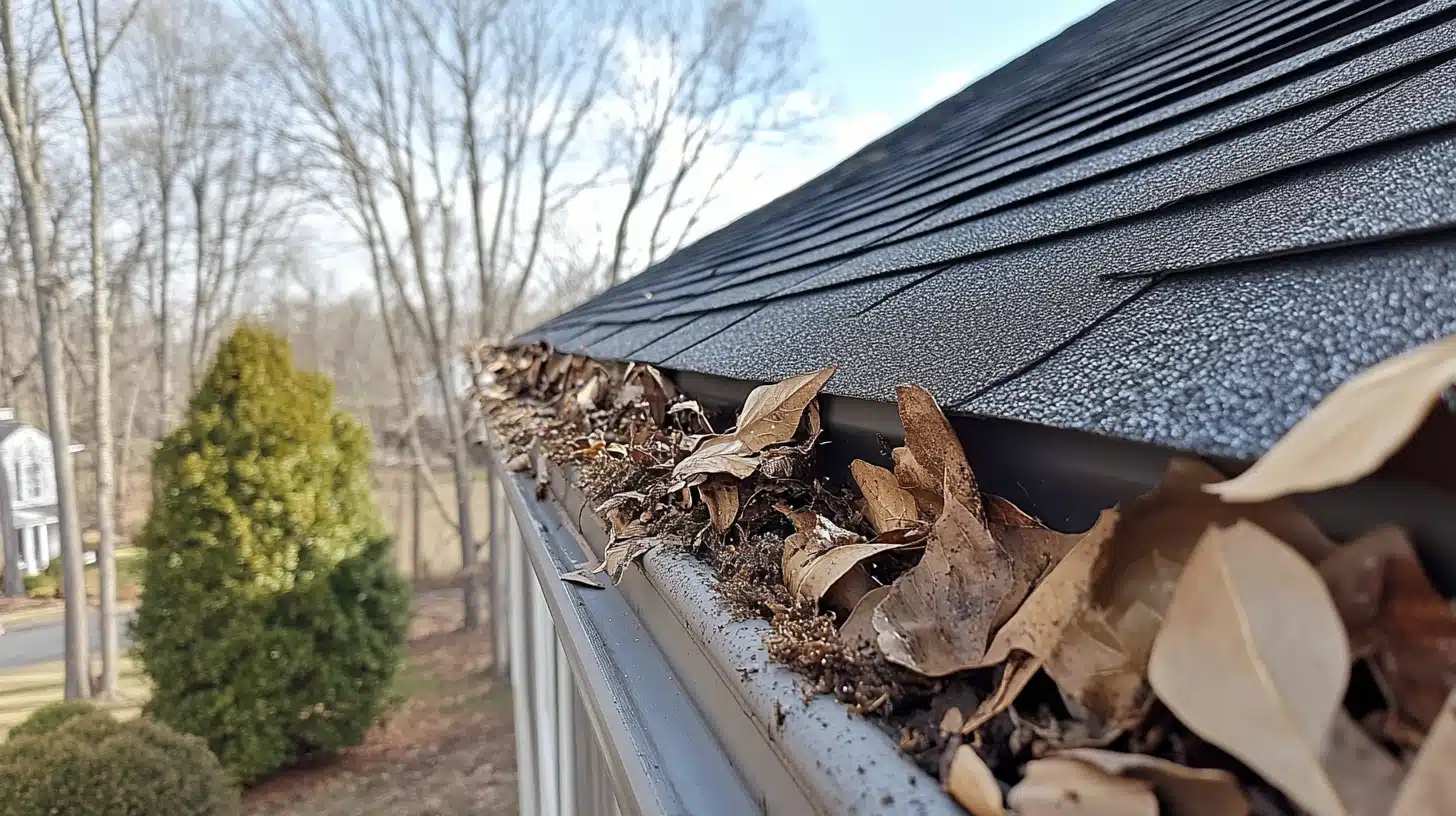
Break the year into four parts and plan tasks around the weather. Spring is perfect for inspecting roof materials, clearing out the gutter system, and checking the concrete around the foundation. In summer, focus on ventilation, air conditioning, and checking for leaks.
Fall brings cooler weather, so seal up any gaps around doors and swap out worn weatherstripping. Winter requires attention to insulation, airflow, and frozen water risks. Track these steps with a checklist. This rhythm helps you avoid high repair costs by catching issues early. It also makes your home safer and more energy efficient throughout the year without needing constant service calls or emergency fixes.
Why Window Upgrades Matter
Old or worn-out siding and glass units can cause high energy bills, uneven temperatures, and water issues. That’s why it’s smart to consider advanced products that are built to hold up long-term. Windows Direct USA is a standout window replacement company for people looking to add value without overspending.
They offer insulated vinyl materials and custom installations with low-E technology for better energy use. Their pricing comes straight from the manufacturer, and they include lifetime warranties, which makes future replacements less of a burden. These features help reduce drafts and heat loss, making the interior feel more consistent without relying on constant HVAC adjustments.
Keep Your Roof in Working Order
Check your shingles or metal panels at least twice a year. Look for curled edges, gaps, or signs of sagging. If anything looks off, get it checked out quickly. Flashing should stay tight around chimneys and vents. Moss buildup and debris in the valleys should be cleared to avoid water getting trapped. If you delay action, the cost goes up and the risk increases.
There are also energy-efficient roof coverings now that reflect heat instead of absorbing it. This helps lower cooling bills during warm months. Staying ahead of issues like these helps avoid big repairs that often come from years of neglect.
Don’t Ignore Small Repairs
Loose doorknobs, stained ceilings, and flickering lights may not seem like much, but ignoring them can backfire. A drip under the sink can lead to mold. A soft spot in the floor may signal structural problems. If you keep a simple punch list and block out time once a month to handle small tasks, you’ll avoid bigger jobs down the road.
Even squeaky hinges or doors that don’t close right deserve a look. Taking action early means fewer surprises later and fewer emergency bills. It’s not about perfection—it’s about being mindful and taking care of problems while they’re still easy to manage.
HVAC and Plumbing: Annual Checkups Help
Your heating and cooling systems need regular check-ins. In spring and fall, schedule a quick inspection to look for blocked filters, uneven airflow, or high energy use. Listen for strange sounds or notice if rooms aren’t getting the temperature you expect. These signs mean it’s time to act.
On the plumbing side, watch for water stains, slow drains, or low pressure. Even a small drip under the sink or a running toilet can waste a lot of water. If you keep a calendar and budget for one inspection a year, it’s easier to catch small problems before they turn into expensive repairs.
Kitchen and Bath: Focus on Function and Efficiency
You don’t need a total remodel to make these areas more efficient. Swap out older faucets for water-saving models. Change drawer handles, update lighting, or add peel-and-stick backsplash panels. These tweaks add character and make daily routines smoother.
Focus on improving what you use most—think lighting near prep zones, better ventilation, or upgraded storage that clears clutter. Avoid overdoing surface upgrades and instead focus on lasting changes that support your daily use. Some homeowners also replace outdated appliances with energy-efficient models to cut down on utility bills. Keep functionality in mind so you’re not just making things look different—you’re making them work better.
Flooring That Matches Your Lifestyle
Flooring takes a beating, so choose wisely based on your daily habits. For busy homes, luxury vinyl or laminate holds up well and is easy to clean. Tile works great for areas with more moisture. If you prefer warmth underfoot, go for carpet with high stain resistance.
Hardwood looks great, but might need more care in high-traffic zones. Whichever material you pick, watch for wear at thresholds, corners, and areas exposed to moisture. Instead of redoing the entire floor, sometimes replacing small sections or applying a sealant extends its life. Choosing the right flooring early on saves money in the long run.
Exterior Checks: Paths, Drainage, and Sealing
Walk around the outside of your property every few months. Cracks in walkways or driveways can expand quickly when left unattended. Address uneven concrete, raised pavers, or loose gravel before someone trips. Proper drainage is another big factor.
Water pooling near the foundation may signal clogged downspouts or grading issues. You might need to extend the downspout or improve the slope around the base. While you’re at it, look at seals around vents, siding joints, and windows. If there’s a gap, moisture or pests could find their way in. Keeping your surroundings in shape supports the structure as a whole.
Caring for your space doesn’t have to be overwhelming. With a consistent plan and smart decisions, you can protect your investment and live more comfortably. Stay alert to early signs of trouble, address what you can each season, and look for long-term value when choosing where to spend.
Partnering with trusted companies that offer solid warranties, quality materials, and clear pricing helps make those choices easier. Whether you’re tackling small issues or thinking about larger changes, it’s all about making thoughtful moves that keep your space in good shape, now and later.