
The 9 Best Interior Upgrades for Busy, Design-Conscious Homes
A beautiful home shouldn’t need constant supervision. The most successful interiors feel intentional while still absorbing muddy shoes, rushed breakfasts, pets, children, and the clutter of an ordinary week.
That balance rarely depends on a dramatic renovation. It is usually created through precise decisions: a rug that can be cleaned, lighting that changes with the hour, and storage placed where objects naturally collect. These nine upgrades improve how a home looks, but their value is clearest in daily use.
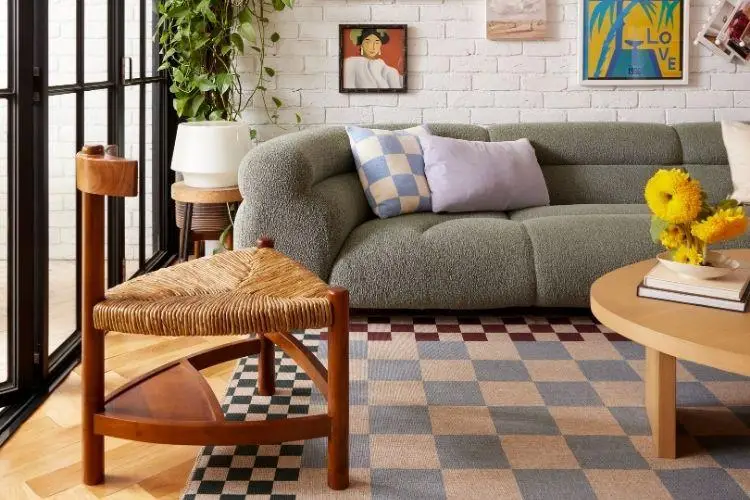
1. Choose a Rug That Can Return to Real Life
A rug catches crumbs, wet footprints, pet hair, and the occasional glass of something red. A washable option makes it easier to use a lighter tone or stronger pattern without treating the floor as a protected zone.
The collection from double shows how washable construction can sit alongside chenille, wool, organic cotton, and jute textures rather than looking purely utilitarian. Check the care instructions for the exact material and size, since “washable” doesn’t always mean every rug belongs in a domestic machine.
Scale matters too. In a living room, let at least the front legs of the main seating rest on the rug. Under a dining table, choose a size that keeps chair legs on the surface when pulled back.
2. Replace One Bright Ceiling Light With Layers
A single overhead fixture tends to flatten a room. Add a floor lamp beside the sofa, a shaded table lamp on a console, and focused light where reading, cooking, or working happens.
When buying bulbs, compare lumens for brightness rather than relying on wattage. The U.S. Department of Energy also recommends checking the Lighting Facts label for color appearance, measured on the Kelvin scale from warm to cool.
Keep color temperatures reasonably consistent within one sightline. Dimmers are useful where the same space shifts from homework or food preparation to dinner and conversation.
3. Build Storage Around Habits, Not Floor Plans
Generic storage often fails because it is assigned by room rather than behavior. Before ordering cabinetry, notice where keys, bags, chargers, mail, and half-finished projects actually land. That is where storage is needed.
A small UCLA study of dual-earner families found that women who described their homes using more language associated with clutter and unfinished projects also showed less favorable daily cortisol patterns and mood. The researchers noted that the findings were correlational and based on a limited sample.
Use closed cupboards for visually noisy essentials and open shelves for objects worth seeing. Few busy homes benefit from displaying everything they own.
4. Upgrade the Upholstery Before Replacing the Sofa
A structurally sound sofa may need new upholstery rather than replacement. Reupholstering can also correct choices that make a piece difficult to live with, such as a pale, loose weave, fragile piping or fixed seat covers.
Ask for large fabric samples and test them in the room for several days. Examine them beside pet hair and in morning and evening light. For heavily used seating, tightly woven textiles, removable covers and patterns with subtle tonal variation are often more forgiving than a flat color.
The same principle applies to other textiles in the room. Double’s range moves beyond the flat, printed surfaces often associated with washable furnishings, showing how practical materials can still carry visible pile, texture, and tonal variation.
Don’t assume “performance fabric” describes one standard. Ask what the finish resists, how it should be cleaned, and whether treatment changes the fabric’s feel.
5. Fit Window Coverings That Work Beyond Decoration
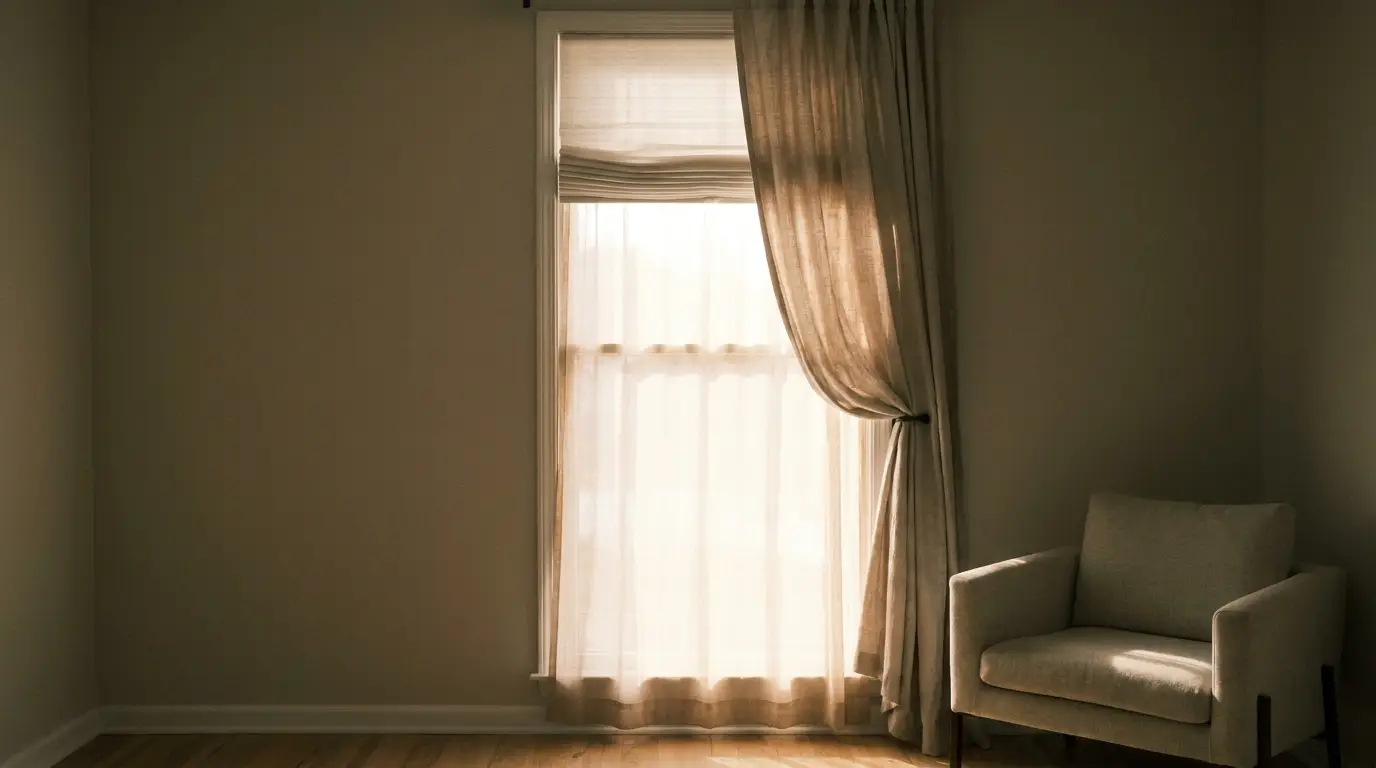
Window treatments should manage privacy, glare, heat, and the proportions of the room. A practical scheme may combine a light-filtering daytime layer with a more substantial curtain or shade for evenings.
Well-fitted cellular shades trap air within their honeycomb structure and between the shade and the window. Department of Energy research found that they can reduce heat loss and unwanted solar gain, although performance varies with the product, climate, and how consistently it is used.
Mounting curtains closer to the ceiling can make modest windows feel taller. In workspaces and television rooms, address glare directly rather than darkening the entire house.
6. Specify Low-Emission Paints and Finishes
Color receives most of the attention during a repaint, but product composition matters too. Paints, varnishes, adhesives, furnishings, and cleaning products can emit volatile organic compounds, or VOCs.
The Environmental Protection Agency reports that concentrations of many VOCs are consistently higher indoors than outdoors and recommends ventilation when using products that emit them. It also notes that health effects vary by chemical, exposure level, and duration.
Look beyond a broad “low-VOC” claim. Check for emissions testing, follow the manufacturer’s ventilation guidance, and keep leftover coatings out of occupied rooms.
7. Give the Entryway a Proper Job
An entry needs to absorb the transition between outside and in. Even a narrow hallway can hold a shallow shelf for keys, a wall-mounted rail, a durable runner, and a basket for items waiting to leave.
This is one of the places where Double’s practical design approach feels especially relevant. A washable runner can soften a hard hallway while coping with the dirt, damp shoes and repeated foot traffic that arrive at the door.
Design storage for the volume you genuinely have. Three hooks won’t manage six coats, school bags, and a dog lead. A bench is useful only when its surface isn’t permanently occupied, so pair it with drawers or baskets.
8. Anchor Tall Furniture and Resolve the Cables
Safety details should be integrated into the scheme, not added reluctantly later. Anchor dressers, bookcases, and televisions, then use paintable cord covers, recessed outlets, or cable channels to clean up the visual result.
The U.S. Consumer Product Safety Commission advises securing televisions and heavy furniture to prevent tip-overs. In 2026, the agency stated, “Anchoring TVs and furniture is a quick, effective step that can prevent serious injuries and save lives.”
Place heavy objects on lower shelves and avoid storing toys or remotes where children may be tempted to climb.
9. Choose Furniture That Can Change Roles
Choose adaptability without filling the house with gimmicks. Nesting tables, an extendable dining table, a compact stool that works as an occasional side table, and modular storage can be genuinely useful.
The strongest multipurpose pieces still perform one primary role beautifully. A sofa bed that is uncomfortable in both forms isn’t an upgrade. Prioritize the function used most often, then judge how gracefully the piece handles its second task.
Conclusion
A design-conscious home doesn’t need to look untouched. It needs materials, furniture, and systems that become more useful as life moves through them.
Double is part of a wider shift away from treating practicality as a visual compromise. The most convincing interiors now allow for cleaning, movement and daily wear without losing their material character.
Start with the pressure points you encounter every day: a rug that causes anxiety at dinner, a dim kitchen counter, an entry crowded with bags, or a living room that can’t adjust when friends arrive. The best upgrades aren’t always the most visible. They are the ones that remove friction while preserving the character of the room.
References
Saxbe, D. E., & Repetti, R. L. (2010). No place like home: Home tours correlate with daily patterns of mood and cortisol. Personality and Social Psychology Bulletin, 36(1), 71–81.
U.S. Consumer Product Safety Commission. (2026, February 5). CPSC urges fans: Anchor TVs and furniture before Super Bowl LX.
U.S. Department of Energy. (n.d.). Lumens and the Lighting Facts label.
U.S. Department of Energy. (2021). Interior cellular shades boost home energy performance.
U.S. Environmental Protection Agency. (2026, June 23). Volatile organic compounds’ impact on indoor air quality.


