
Smart Ways to Plan Easy Home Updates That Last
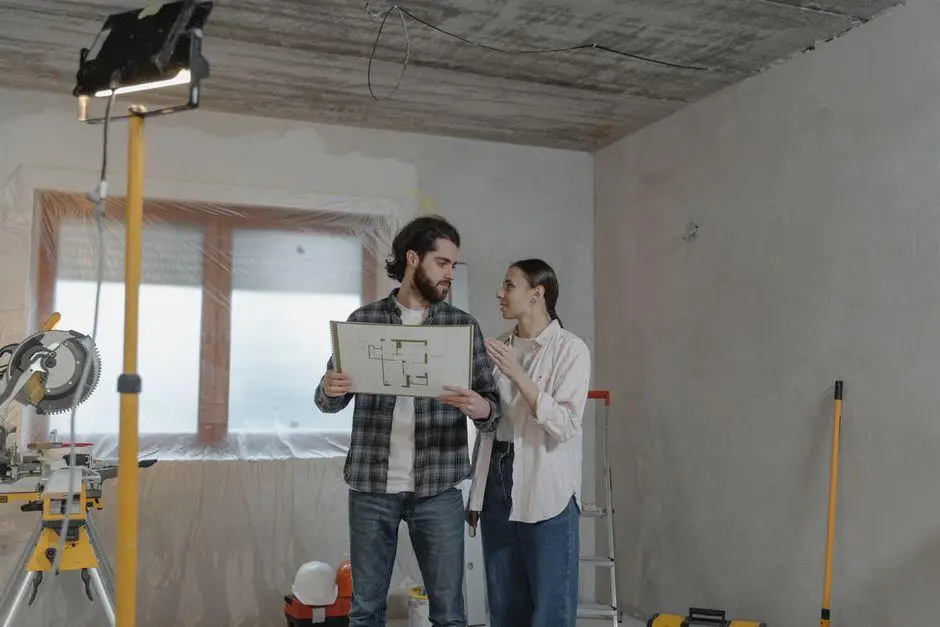
Your home doesn’t need a giant makeover to feel better. Sometimes the biggest improvement comes from fixing the little things that bug you every day, like a draft that follows you around the living room or a front door that sticks every time it rains. If you want updates that actually help your life, not just your photos, it pays to plan with a clear head. A simple strategy can save money, reduce stress, and help you choose changes that still make sense years from now.
Start With Priorities
Before you start picking paint colors or scrolling through dreamy room photos, stop and ask one basic question: what actually needs help first? A pretty update won’t feel very exciting if your rooms run cold in winter, your entry door has stopped sealing, or your patio sits unused half the year. Start by walking through your home and writing down what frustrates you most.
This is also a good time to figure out which fixes are cosmetic and which ones are structural. Drafty windows, a failing door, and an unusable outdoor space each cost you comfort every day, and fixing them piecemeal usually costs more than fixing them together. Many homeowners opt for home services by Palmetto Home & Bath to cover window replacement, door replacement, and sunroom and patio enclosures in one go. The goal isn’t to rush into anything. It’s to understand what kinds of solutions exist so your list of priorities is based on real needs, not just a weekend burst of enthusiasm.
Know Your Daily Pain Points
The smartest updates usually come from everyday irritation. Your home gives you clues all the time. Maybe the bathroom has no place to set a towel. Maybe the shower is tricky for kids or grandparents to use. Maybe the kitchen looks fine, but you still bump into the trash can every single day like it’s playing defense.
Pay attention to what slows you down. If a room is hard to clean, that matters. If poor lighting makes it harder to get ready in the morning, that counts too. These pain points can seem small, but they add up fast. A home should support your routine, not create obstacle courses.
Try this for one week: each time something annoys you, write it down. Don’t filter it. By the end, patterns usually appear. You may realize your best next project isn’t the one you thought. That’s useful because practical changes often bring more relief than flashy ones.
Set a Realistic Budget
A good budget is less about being cheap and more about being honest. You want to know what you can spend without turning your home update into a dramatic mini-series. Start with your total number, then split it into categories like materials, labor, cleanup, and a cushion for surprises. Because yes, surprises love home projects.
It helps to divide your wish list into three groups:
- must-haves
- nice extras
- maybe later items
That keeps you focused if costs shift. For example, replacing worn features that affect safety or daily use should usually come before decorative touches. New hardware is fun, but not if the room still doesn’t function well.
Leave room for hidden costs too. Older homes especially like to reveal little plot twists. A realistic budget doesn’t kill creativity. It actually protects it. When you know your limits, you can make choices with less panic and more confidence.
Choose Upgrades With Value
Not every update needs to boost resale value like a game show prize. Some upgrades are worth it because they make your life easier every single day. The sweet spot is finding changes that feel good now and still hold value later.
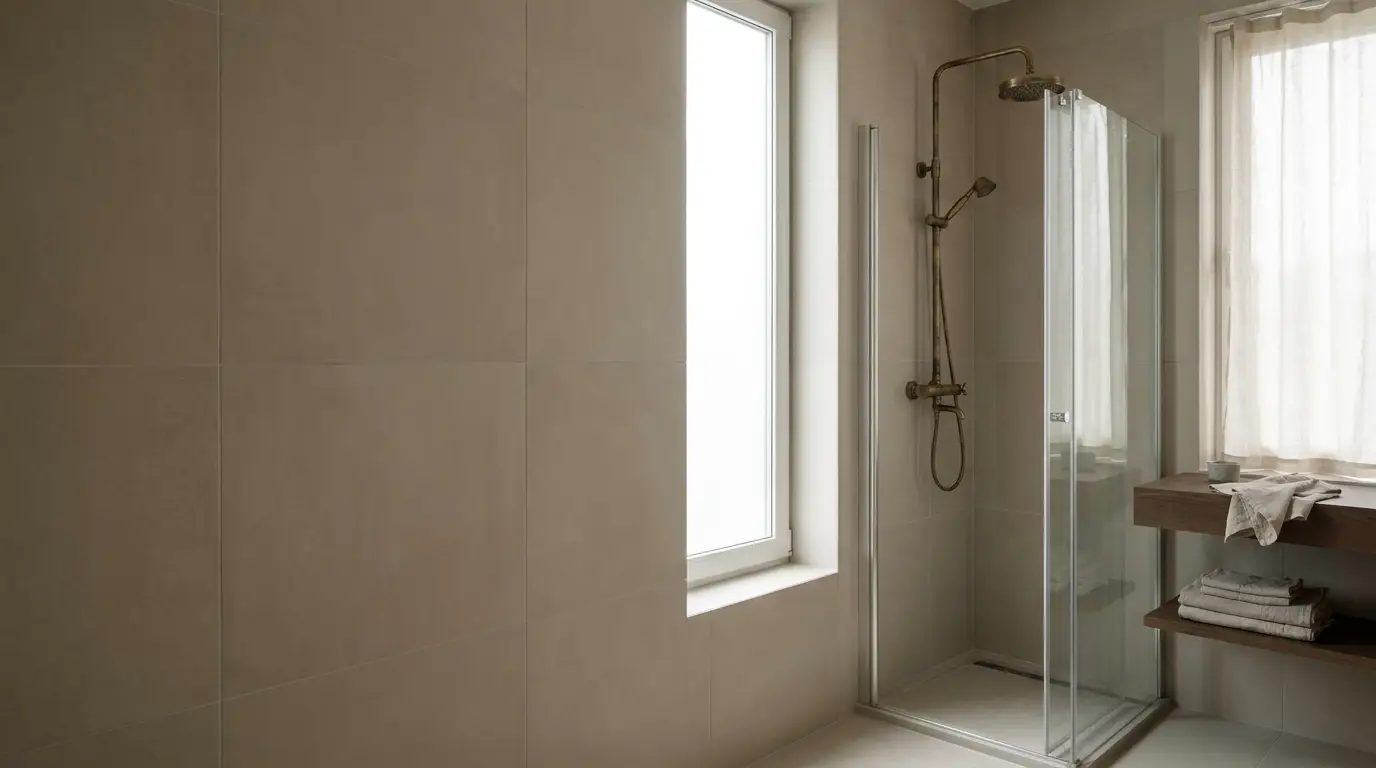
Bathrooms and kitchens often matter because they get used constantly. Durable surfaces, easier-clean finishes, and better layouts tend to earn their keep. So do updates that improve comfort, like a shower setup that’s simpler to enter and maintain. Storage is another quiet hero. You may not brag about it at dinner, but smart storage can make a home feel calmer fast.
Energy-conscious choices can help too. Better lighting, water-efficient fixtures, and materials that last longer may reduce waste and future replacement costs. Think of value as a mix of comfort, function, and staying power. If an update makes daily life smoother and doesn’t go out of style next Tuesday, that’s usually money well spent.
Think Beyond Looks
Looks matter. You should enjoy your home and not feel like you live inside a beige sigh. Still, style works best when it teams up with function. A beautiful room that’s slippery, cramped, or hard to clean gets old in a hurry.
When choosing finishes, ask practical questions. Will this material be easy to wipe down? Will it handle kids, pets, or frequent use? Is the layout safe for someone with limited mobility? A sleek design means less if it creates new problems.
This is especially important in spaces like bathrooms, where moisture, movement, and cleaning all matter. Simple details can make a big difference, such as grab-friendly layouts, low-maintenance walls, and surfaces that don’t show every water spot like a tattletale.
The best home updates usually feel natural after a while. You stop noticing the design first and start appreciating how easy the room is to use. That’s when you know the choice was more than just pretty.
Hire Help at the Right Time
Some home projects are perfect for DIY. Painting a wall or swapping simple hardware can be satisfying and budget-friendly. But other jobs need more experience, especially when water, structure, or long-term durability are involved. There’s no prize for making your own life harder.
A good rule is this: if a mistake could cause damage, safety issues, or expensive rework, bring in a professional. That often applies to bathroom remodels, tub or shower updates, and anything that affects waterproofing or fit. A project might look simple on a video, but real homes are full of quirks.
Hiring help doesn’t mean giving up control. It means knowing when skilled work protects your time and money. You can still make the design choices, ask questions, and stay involved. Think of it like cooking. Making toast is one thing. Hosting Thanksgiving with a broken oven is another story.
Make the Finish Work
Once you’ve chosen your project, a little prep goes a long way. Confirm your budget, timeline, and must-have features before work begins. If the space will be out of use for a while, make a backup plan. That might mean setting up another bathroom station or clearing a path for workers and materials.
Keep your decisions simple near the end. Last-minute changes can slow things down and raise costs. If you’ve already done the planning, trust the process. It’s normal to second-guess a tile or fixture when you’ve stared at samples for too long. At some point, your brain just becomes grout-flavored mush.
The goal isn’t perfection. It’s a home that works better for real life. When you focus on comfort, usefulness, and lasting choices, even a modest update can feel huge. The best projects don’t just change a room. They make your day easier, and that’s a pretty solid return.


