11 Small Front Yard Landscaping Ideas
A small front yard does not need more space to look better. It needs a layout that makes every plant, path, and border earn its place.
Small front yard landscaping ideas help create a balanced outdoor area with the right plants, pathways, and borders. Simple features can improve structure and appeal.
Using suitable elements and proper placement can make compact yards feel more open, organized, and welcoming. Even small updates can create a cleaner look.
These ideas show practical ways to arrange plants, add structure, and maintain a low-maintenance yard that stays neat and functional.
Why Does Small Front Yard Landscaping Matter?
Small front yard landscaping creates structure and prevents limited spaces from looking empty or cluttered. Clear zones and balanced layouts improve overall organization.
A well-planned yard enhances curb appeal by adding features like pathways, plants, and defined edges. Small updates can create a complete look.
Balanced placement of greenery, hardscaping, and open areas helps compact yards feel spacious and intentional. It also keeps the design visually appealing.
Simple landscaping choices make regular maintenance easier by reducing upkeep needs. A structured layout supports easier care throughout the year.
Small Front Yard Landscaping Ideas
Small front yard landscaping ideas help maximize space while creating a neat and welcoming outdoor area. Smart design choices improve balance and structure.
They focus on simple layouts, suitable plants, and easy-care features to enhance curb appeal. Small updates can make a big difference.
1. Improve the Entryway First

A well-designed entryway creates the first impression of the home and sets the overall tone for the front yard. It includes walkways, gates, and front door framing that guide movement and improve visual flow.
Simple materials like pavers, bricks, or stone help create a clean and structured entrance. A strong entryway immediately improves curb appeal and makes even small spaces feel more inviting.
2. Use Small Trees for Structure

Small trees add vertical structure and help balance the overall layout of a compact front yard. They work well without overwhelming limited space and still provide strong visual impact.
Compact varieties like redbud or dwarf spruce add seasonal interest and shape. They also help frame the house and improve long-term landscape structure.
3. Replace Lawn with No-Mow Areas

No-mow areas reduce the need for regular lawn maintenance and simplify yard care. They use ground cover plants instead of traditional grass for better coverage.
Plants like creeping phlox, clover, and lilyturf grow easily and spread naturally. They also help reduce soil erosion and improve ground stability.
4. Define Clean Borders and Edges

Clear borders help separate lawns, garden beds, and pathways for a more structured look. This prevents the yard from appearing messy or uneven.
Materials like stones, edging tools, or shrubs are commonly used. They also improve visual clarity and make maintenance easier over time.
5. Add Simple Pathways

Pathways guide movement from the street to the entrance in a clear direction. They also reduce unused or empty areas in small yards.
Stepping stones and gravel paths are cost-effective and easy to install. They help make the overall layout feel organized and intentional.
6. Create Flower Bed Borders

Flower bed borders add color and life to the edges of the house or driveway. They highlight key areas and improve visual depth.
Plants like petunias, salvia, and geraniums work well in these spaces. They provide seasonal variety and enhance overall curb appeal.
7. Build Shrub or Living Borders

Shrub borders act as natural boundaries that define the yard space. They also create a softer alternative to hard fencing.
Plants like boxwood, azalea, and dwarf shrubs form structured green edges. They also improve privacy and add long-term landscape value.
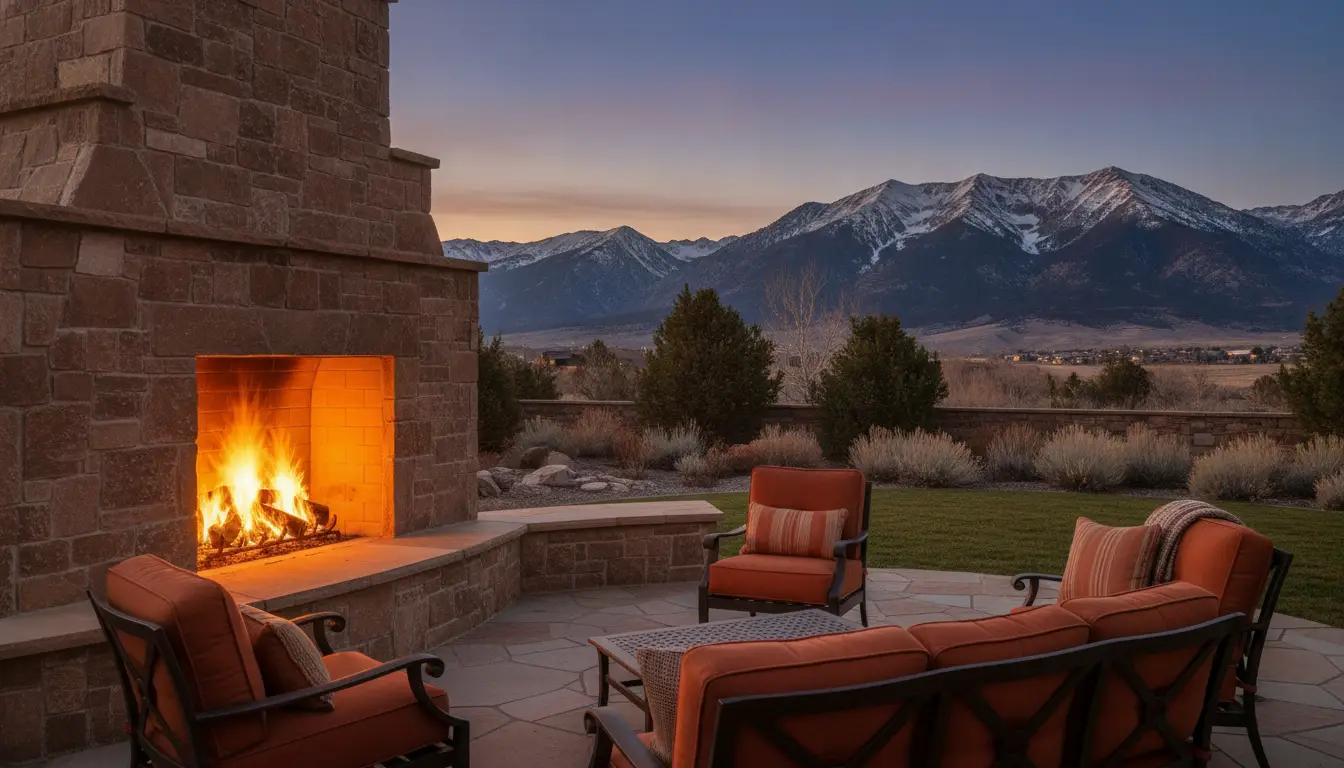
8. Add Seating Areas

Seating areas make small front yards more functional and usable. Even compact benches or chairs can create a relaxing outdoor spot.
Weather-resistant furniture is ideal for long-term use. These spaces work best in corners or near garden features.
9. Improve Privacy with Landscaping

Privacy landscaping helps block direct views from streets or neighboring homes. It makes outdoor spaces feel more comfortable and enclosed.
Hedges, fences, and vertical plant supports are commonly used. They also soften boundaries and improve visual balance.
10. Use Modern Minimal Design

Modern design focuses on clean layouts and reduced plant clutter. It prioritizes structure over dense planting.
Gravel, succulents, and simple plant arrangements work best. This approach lowers maintenance while creating a neat appearance.
11. Add Decorative Personal Touches

Decorative elements add character and individuality to small front yards. They help break repetitive design patterns.
Items like sculptures, bicycles, or garden décor pieces are commonly used. They create visual interest without major construction work.
Common Front Yard Landscaping Mistakes to Avoid
A well-planned front yard can lose its appeal when common design mistakes are made. Avoiding these issues helps maintain structure, balance, and long-term visual quality.
- Overcrowding the space makes the yard feel tight and messy while reducing visual balance.
- Ignoring maintenance needs leads to overgrown plants and a cluttered appearance over time.
- Poor border definition removes structure and makes lawn and garden areas blend together.
- Wrong plant selection leads to poor growth and increases the need for frequent replacements.
- Lack of a focal point makes the yard look scattered and visually incomplete from the street.
Avoiding common landscaping mistakes helps keep small front yards clean and structured. Simple planning improves curb appeal and makes maintenance easier over time.
Small Front Yard Landscaping: Practical Planning Tips
Small front yards work best with simple, structured designs that are easy to maintain. Practical planning helps make the most of limited space.
A balanced layout with smart features keeps the area clean and functional. Thoughtful choices improve the overall look of the yard.
- Keep plant selection minimal: Use fewer plant types to create a clean look and make maintenance easier.
- Define clear pathways: Add gravel, stone, or stepping stones to improve flow and structure.
- Focus on one focal point: Use a tree, planter, or sculpture to create a clear visual highlight.
- Use mulch for easy maintenance: Mulch helps control weeds, retain moisture, and keep beds neat.
- Choose low-maintenance plants: Pick native or drought-tolerant plants that need less care and water.
- Balance open space and greenery: Leave some open areas to keep the yard spacious and visually balanced.
Practical small front yard landscaping focuses on simple designs, structure, and easy upkeep. Small improvements create lasting curb appeal and visual balance.
Conclusion
Small front yard landscaping ideas maximize limited space with balanced, welcoming designs. Simple planning can improve curb appeal with ease.
Small changes like plants, pathways, and borders can create a more organized look. The right layout helps compact yards feel open and functional.
Smart design choices lower maintenance and improve your home’s exterior. Start with updates that fit your space.
Create a front yard that looks clean and inviting with ideas that fit your needs. Share your thoughts or questions in the comments below.
Frequently Asked Questions
How do I Plan a Small Front Yard from Scratch?
Start by dividing the space into simple zones like entry, planting, and walking paths. Keep the layout basic so every element has a clear purpose and the space does not feel crowded.
Can I Mix Different Plant Styles in a Small Front Yard?
Yes, but keep it limited to a few compatible types. Mixing too many plant styles can make the space look busy, while simple combinations create balance and clarity.
How can Lighting Improve a Small Front Yard?
Low pathway lights or solar fixtures highlight key areas and improve visibility. They also make the yard look more structured in the evening.