Quality Craftsmanship in Modern Post-Frame Building Design
Quick Answer
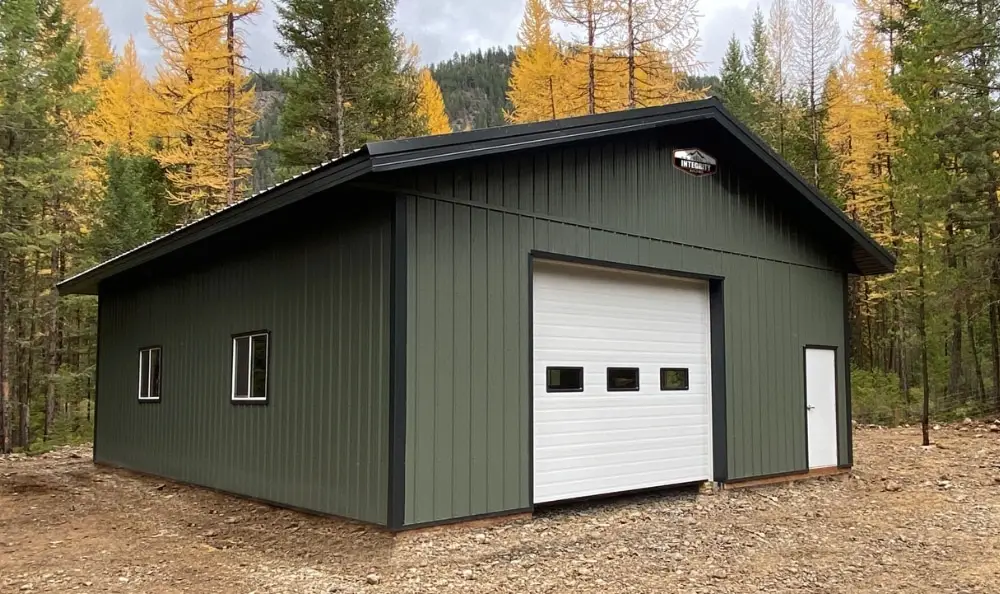
Quality craftsmanship in post-frame building construction methods determines whether a rural structure holds its value for decades or deteriorates within years. Construction teams build these frameworks by anchoring pressure-treated timber or high-quality laminated posts rated for ground contact directly into the soil or into precast concrete columns like the DuraColumn. Modern upgrades such as Storm Brackets, Frost Shield, DuraPanel and Metal Cladding add long-term resilience without complexity, making the initial investment far more worthwhile.
Introduction
Too many rural projects fall short because shortcuts are taken during construction. Property owners invest significant capital into a new shop, storage facility, or agricultural building only to watch walls lean, floors crack, and doors bind within a few seasons. The root cause is almost always a gap between what was promised and the quality of craftsmanship actually delivered.
Understanding how post-frame building construction methods influence long-term structural performance is critical for anyone planning a build in rural areas of British Columbia, Alberta, or Saskatchewan. The difference between a structure that lasts five years and one that lasts fifty often comes down to foundation engineering and material selection.
By anchoring sturdy, laminated posts directly into the ground or precast concrete columns such as DuraColumns, this method eliminates the need for massive concrete pours. The result feels both robust and sensible, creating expansive, open interiors ideal for agricultural and commercial operations.
Why Post-Frame Construction Methods Define Long-Term Value
Post-frame building construction methods differ from conventional approaches in one fundamental way.
The Foundation Advantage
Builders use pressure-treated timber or high-quality laminated posts rated for ground contact, anchoring them directly into the ground or into precast concrete columns like the DuraColumn. This method skips complicated concrete pours, cutting down on time and material needs right from the start. The result is a wide, column-free interior optimized for heavy machinery and custom workshops.
Material Selection and Structural Longevity
The quality of materials chosen at the outset has a direct impact on how a structure performs fifteen or twenty years after construction. Builders who cut corners on post grades or fastener specifications often leave property owners facing premature repairs that far exceed the original savings.
In practice, selecting posts with verified treatment levels and pairing them with Storm Brackets, hardware developed to stabilize the building and prevent leaning during high-velocity wind events, creates a highly resilient framework. That level of resilience does not happen by accident; it is the direct result of intentional material choices made before the first post goes into the ground.
Technical Advances in Post-Frame Design
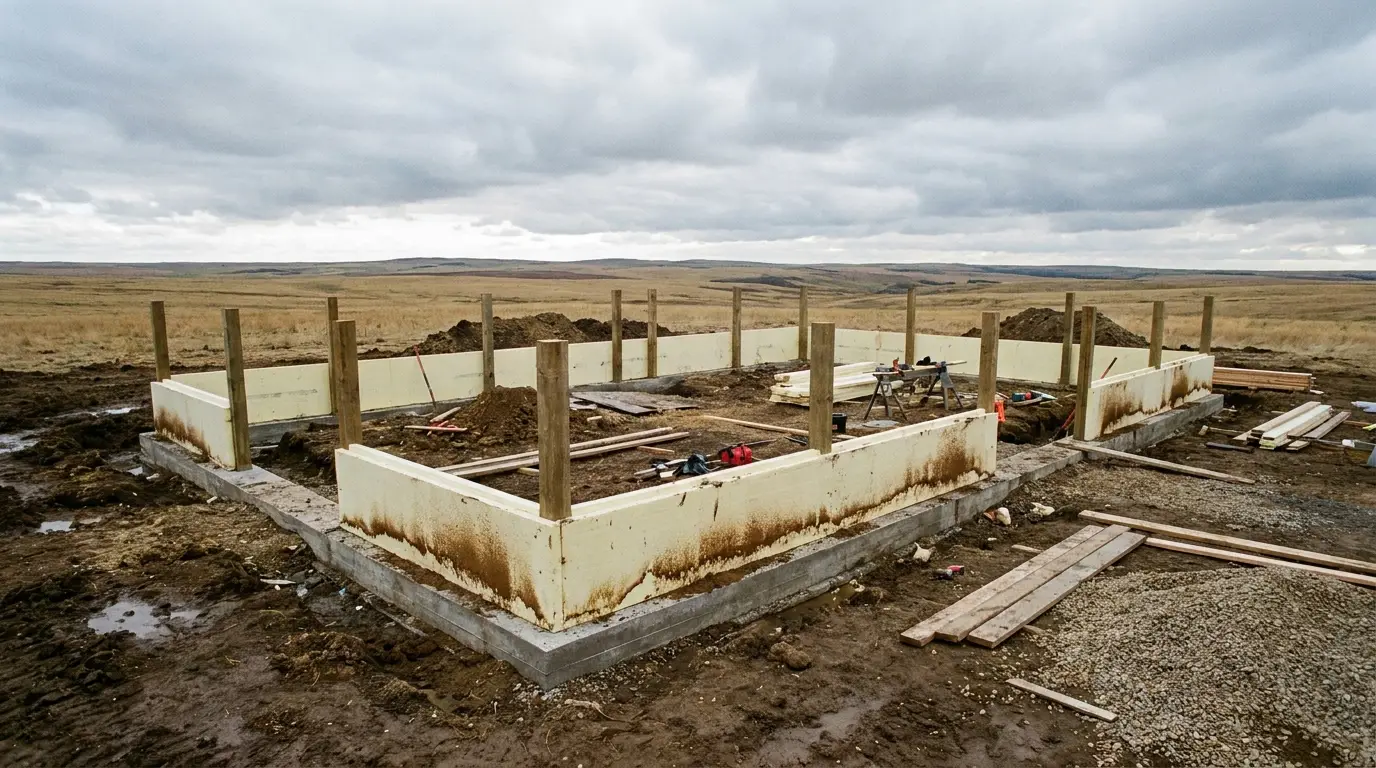
Modern post-frame building design has evolved far beyond the simple pole barns of previous decades. Today’s builds integrate technologies that directly address the environmental stresses rural structures face season after season.
Frost Heave Protection
In regions with deep frost penetration, frost heave is a constant threat that can lift and crack interior concrete floors over time. To combat this, advanced foundation systems now utilize Frost Shield, a combination of horizontal and vertical rigid insulation. Rather than allowing the cold to penetrate, this system creates a thermal barrier between the exterior elements and the building’s footprint.
By keeping the soil beneath the slab warmer and directing moisture away from the foundation through a sloped design, Frost Shield ensures that the interior floor remains level and stable, neutralizing the soil expansion that causes traditional buildings to shift and ‘jack’ during the spring thaw, even through the most volatile Western Canadian freeze-thaw cycles.
Engineered Hardware and Cladding Systems
Custom post-frame structures benefit from purpose-built components that work together as an integrated system. The table below compares key technologies now standard in professional builds:
| Component | Function | Long-Term Benefit |
|---|---|---|
| Storm Brackets | Maintains structural alignment | Developed to stabilize the building and prevent leaning during high-velocity wind events. |
| Frost Shield | High-performance perimeter insulation | Technology that ensures concrete footings do not heave during extreme freeze-thaw cycles, protecting the building’s long-term alignment. |
| Metal roofing, siding, and DuraPanel | Weather protection | Provide a robust barrier against wind-driven snow and hail common in the region. |
Each of these components addresses a specific failure point that conventional rural buildings often overlook. When combined with properly rated posts and precision fastening, they transform a basic structure into one engineered for decades of reliable performance.
What Experienced Post-Frame Building Contractors Do Differently
Choosing the right builder matters just as much as choosing the right materials. Experienced contractors bring a level of precision that separates structures built to last from those that begin failing within a few years.
Standards That Protect Your Investment
Professional contractors working across rural areas of British Columbia, Alberta, and Saskatchewan follow practices that go well beyond meeting minimum code requirements. The qualities that distinguish a skilled builder include:
- Site-specific engineering that accounts for local soil conditions, wind exposure, and frost depth before design begins
- Verified material sourcing with full documentation on post-treatment ratings and fastener specifications
- Integrated technology installation, including the precise placement of hardware, advanced thermal barriers, and weather-resistant cladding systems
- Transparent project timelines with clearly defined milestones from foundation preparation through final inspection
These are not optional extras. They represent the baseline standard that any qualified contractor should meet when constructing agricultural post-frame buildings or large-scale commercial structures in demanding climates.
The long-term value of any rural building project ultimately rests on the craftsmanship behind it. Property owners who invest in qualified professionals and proven methods position their structures to perform reliably for decades, protecting both their capital and their operations well into the future.
Value Through Quality Post-Frame Construction Methods
A rural building project is only as strong as the craftsmanship and materials behind it. From foundation engineering and frost protection to engineered hardware and professional installation standards, every decision made during construction shapes the structure’s long-term performance.
Property owners who prioritize verified materials, integrated technologies, and experienced builders will see that investment reflected in decades of reliable service. When post-frame construction methods are executed with precision and care, the result is a structure that holds its value through every season.