
PVC Windows: Types, Cost, Pros & Buying Guide
Windows do more than just fill a wall opening. They shape how your home feels, how air moves, and how well it handles heat and noise over time.
Many homeowners today are looking for options that balance performance, cost, and ease of use. That’s where PVC windows come in. They have become a common choice in modern homes for their practical benefits and simple upkeep.
If you are trying to understand what they are, how they work, and whether they fit your needs, this guide walks you through the basics in a clear and easy way.
What are PVC Windows?
PVC windows are made from polyvinyl chloride, a plastic used to create strong frames for glass panels.
In most cases, these are UPVC windows (unplasticized PVC), which are rigid because they do not contain plasticizers, helping them keep their shape and resist cracking over time.
The term vinyl windows, commonly used in the US, usually refers to UPVC windows.
Technically, UPVC is a rigid form of PVC used for window frames, while standard PVC is more flexible and not used structurally. In everyday use, these terms are often treated as the same, but UPVC is the actual material used in most window frames.
These windows are widely used because they offer good insulation, resist moisture without rotting or swelling, require very little maintenance, and are cost-effective for homes and commercial buildings.
How PVC Window Frames are Made
The frames are made by heating PVC and shaping it into profiles for the frame and sash. Inside, multiple hollow chambers trap air for insulation and add strength without extra weight. Some frames also include steel or fiberglass reinforcement for durability.
Glass is fitted into the frame, usually as double or triple glazing, with air or gas between panes to reduce heat transfer and outside noise. Seals and gaskets prevent air and water leaks.
The space between glass panes is often filled with gases like argon or krypton, which slow down heat movement more effectively than regular air. Low-E (low emissivity) coatings are also applied to the glass surface to reflect heat while still allowing light to pass through.
Together, these features reduce heat gain in summer and heat loss in winter, improving overall energy efficiency.
Types of PVC Windows Available
PVC windows come in different styles and materials, each designed to match specific space, ventilation, and usage needs.
1. Sliding Windows
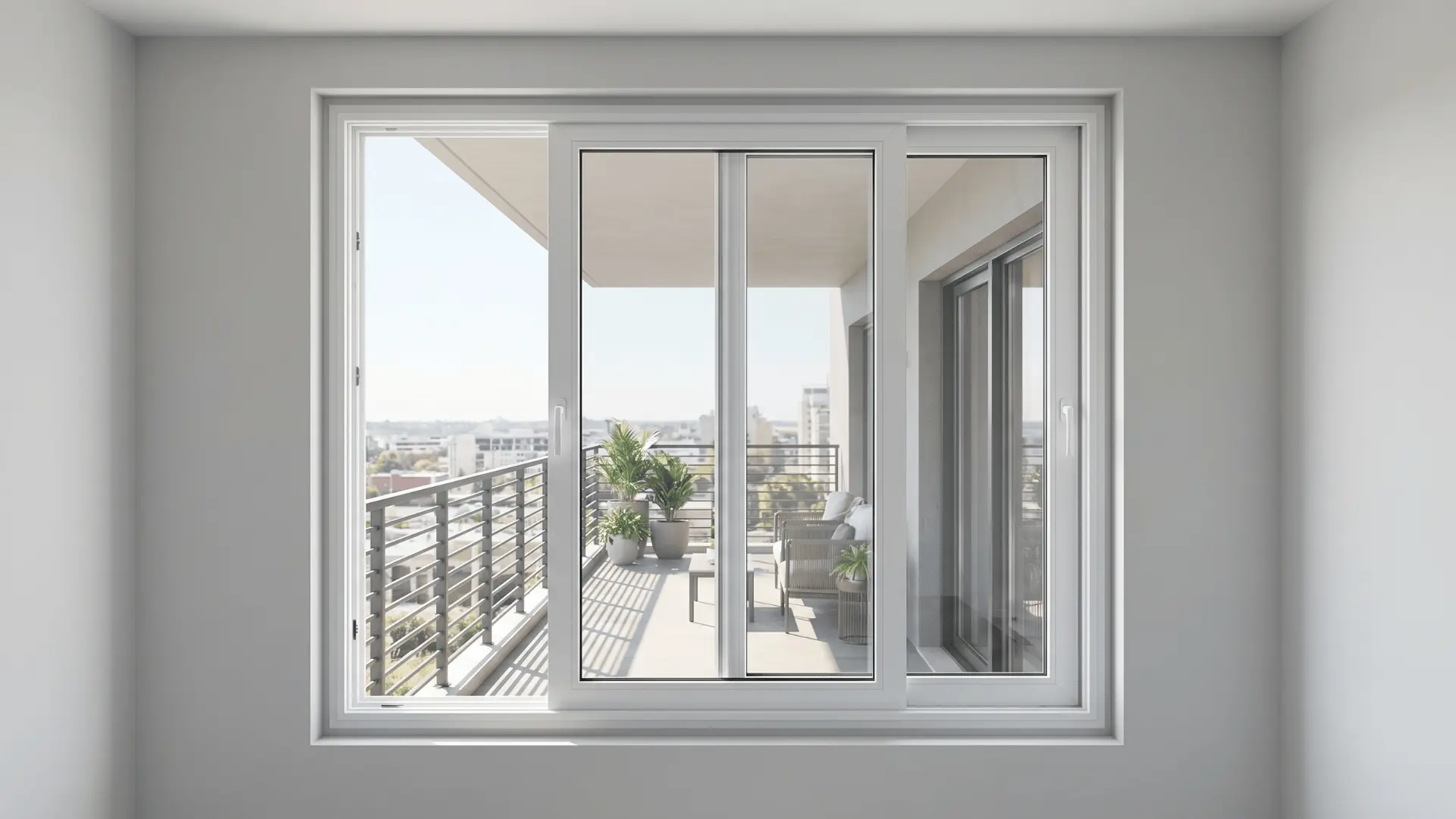
Sliding windows move horizontally along a track, which makes them ideal for areas where space is tight and outward or inward opening is not possible.
They are commonly used in apartments and balconies because of their simple design. While they do not open fully, they still allow steady airflow and are easy to operate and maintain.
2. Casement Windows
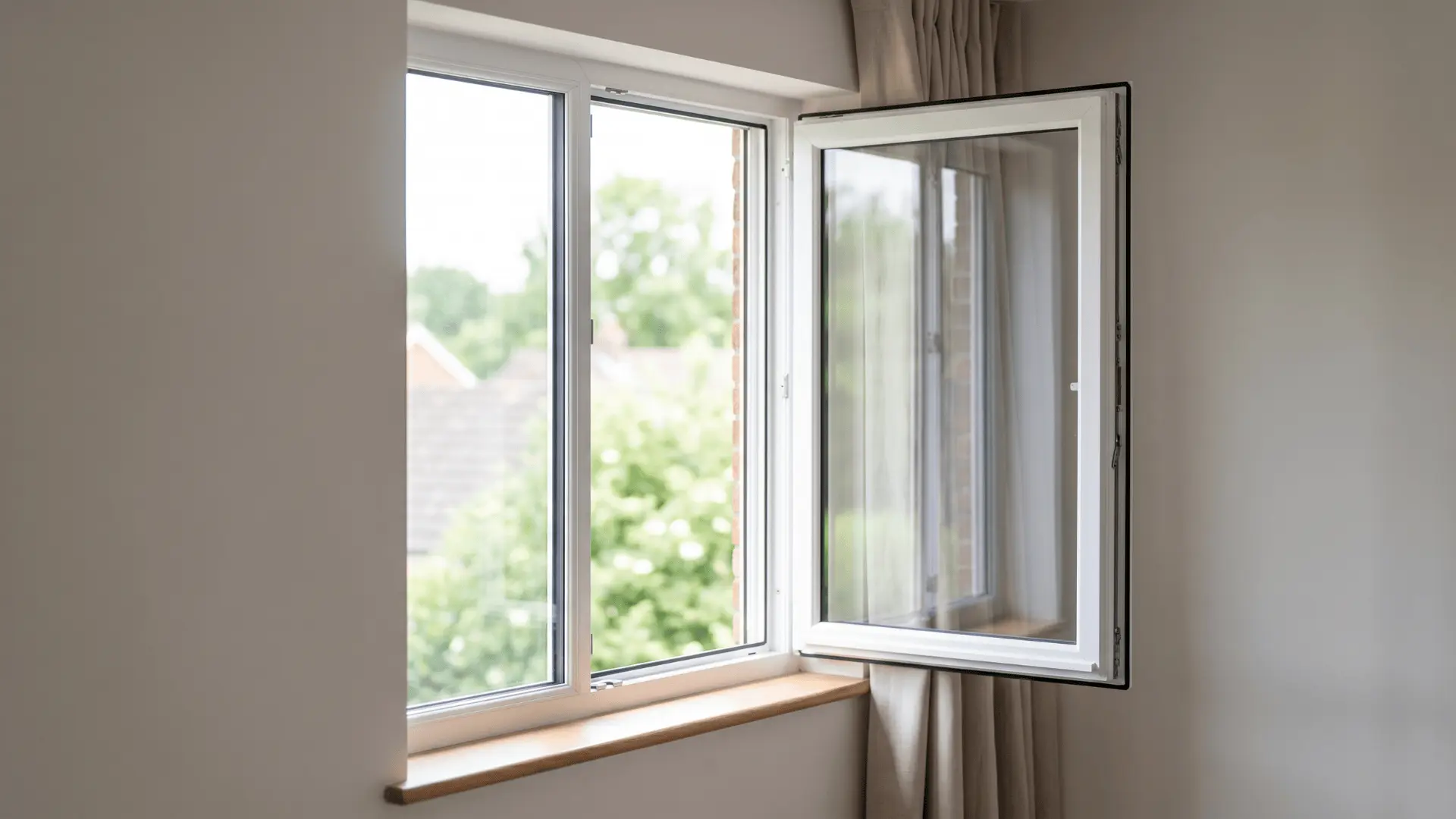
Casement windows open outward like a door and are designed to allow maximum airflow into the room. They are often used in bedrooms and living spaces where proper ventilation is important.
Their tight seal when closed helps improve insulation, making them a good option for maintaining indoor comfort and reducing outside noise.
3. Tilt-and-Turn Windows
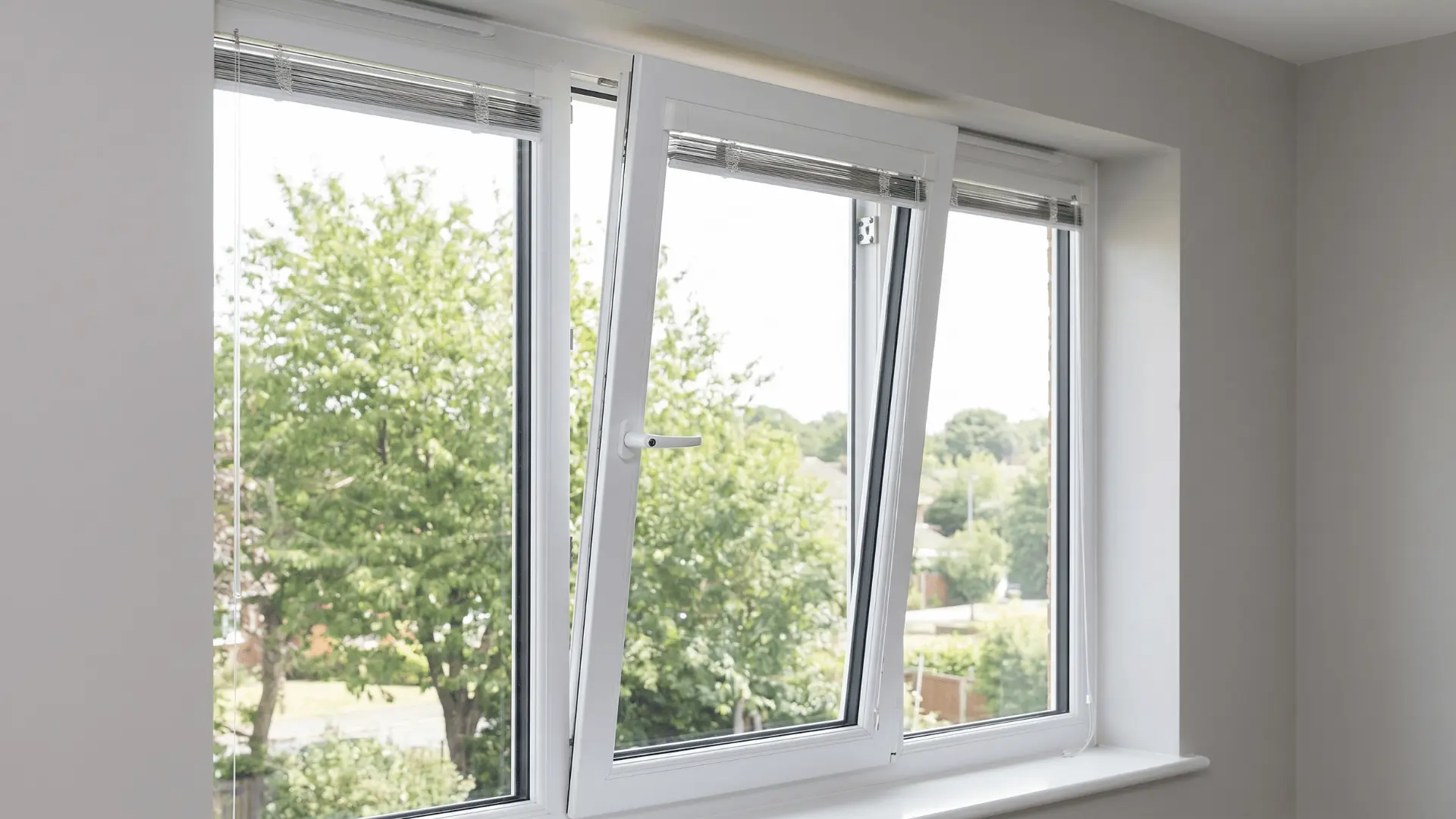
Tilt-and-turn windows offer two opening options in a single design, making them flexible for different needs. They can tilt inward slightly for controlled airflow or open fully inward for maximum ventilation.
This design is also useful for easy cleaning from inside, which makes them practical for modern homes and upper-floor installations.
4. Fixed Windows
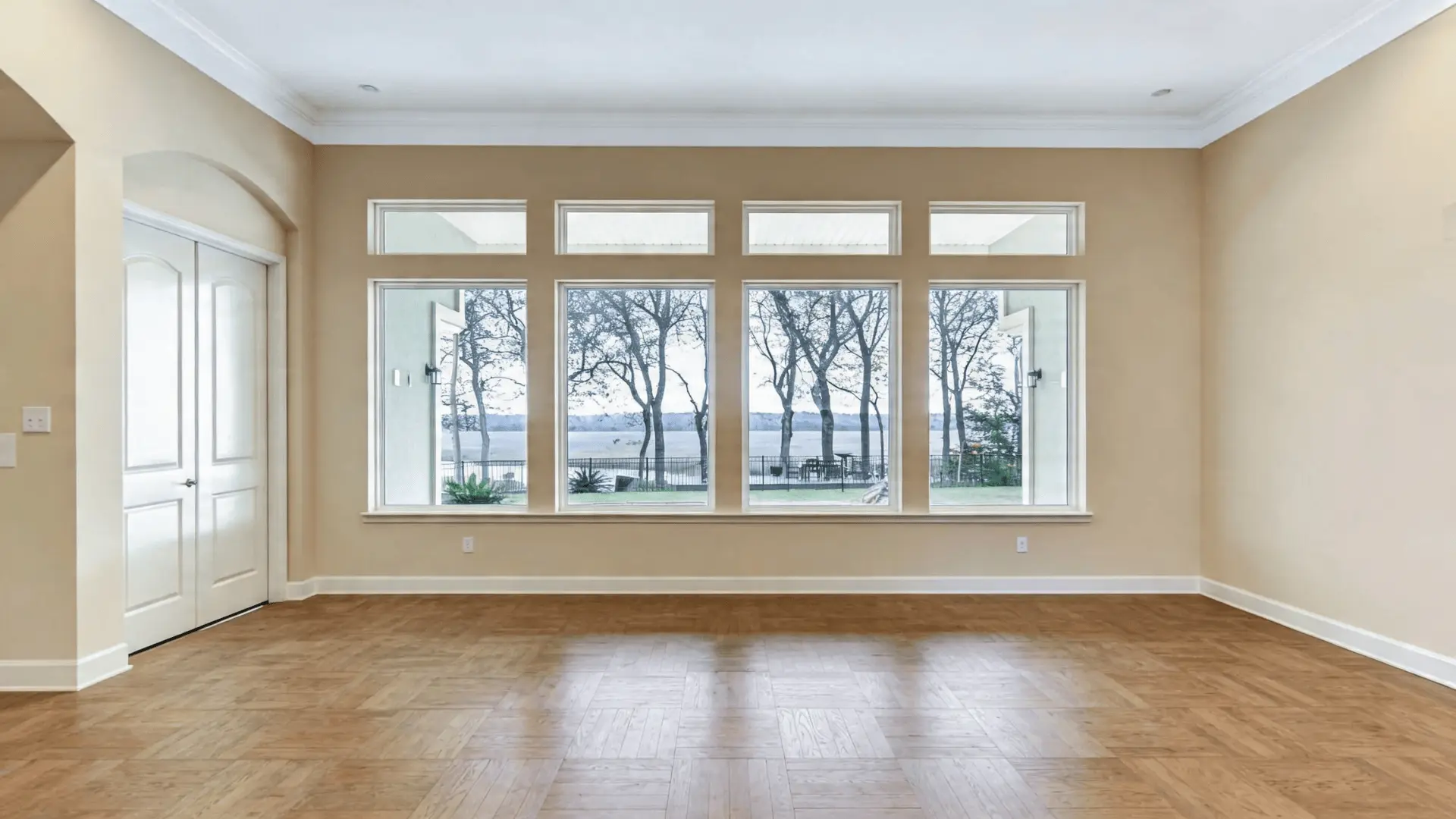
Fixed windows are designed to stay closed and are mainly used to bring in natural light and provide clear outside views.
Since they have no moving parts, they offer strong insulation and help reduce energy loss. They are often combined with other window types to balance lighting, visibility, and ventilation within a space.
5. Awning Windows
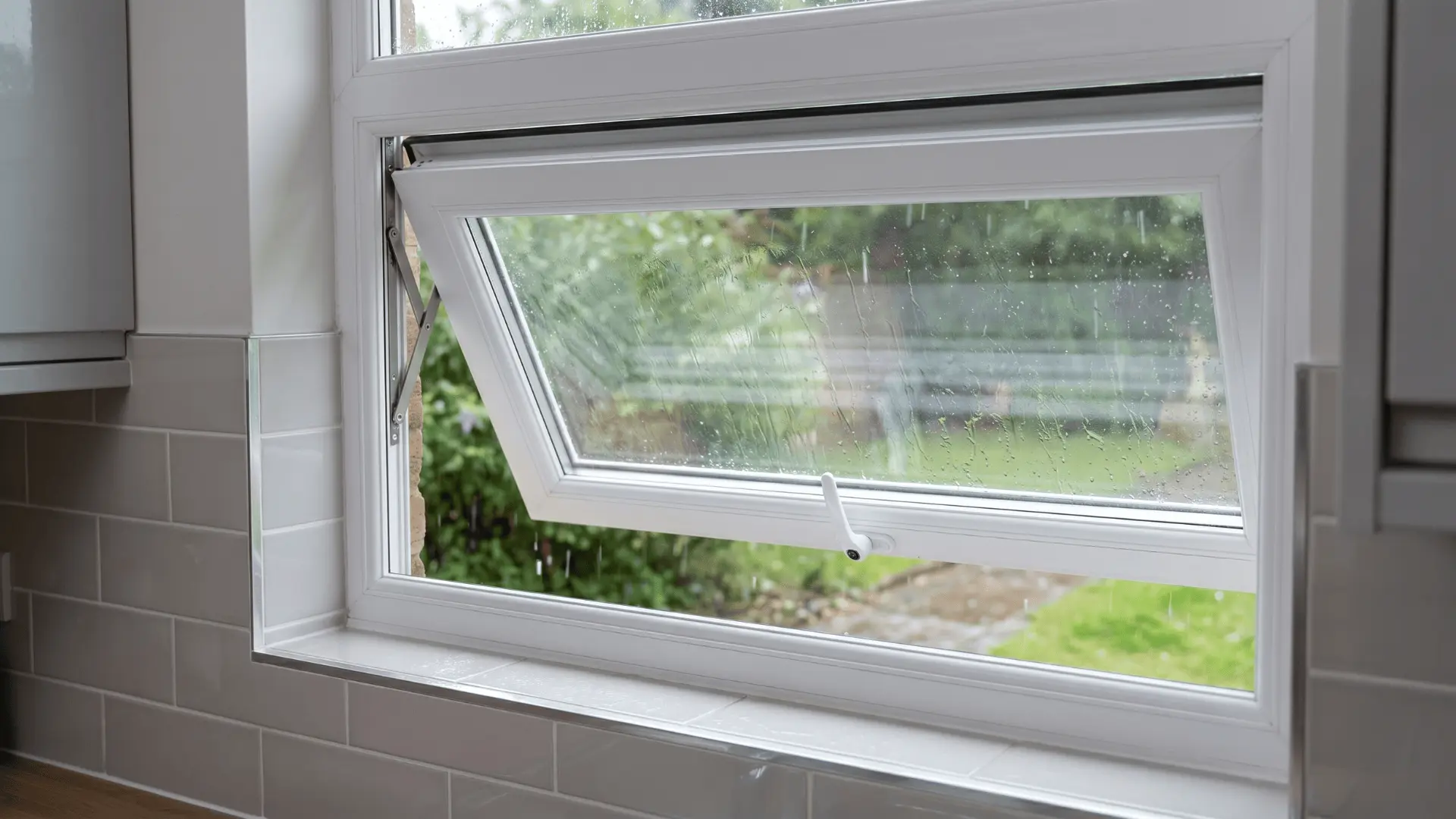
Awning windows are hinged at the top and open outward from the bottom, allowing air to enter even during light rain.
Their design helps keep water out while still providing ventilation, which makes them suitable for kitchens and bathrooms. They are often installed higher on walls for privacy while maintaining airflow.
6. Hopper Windows
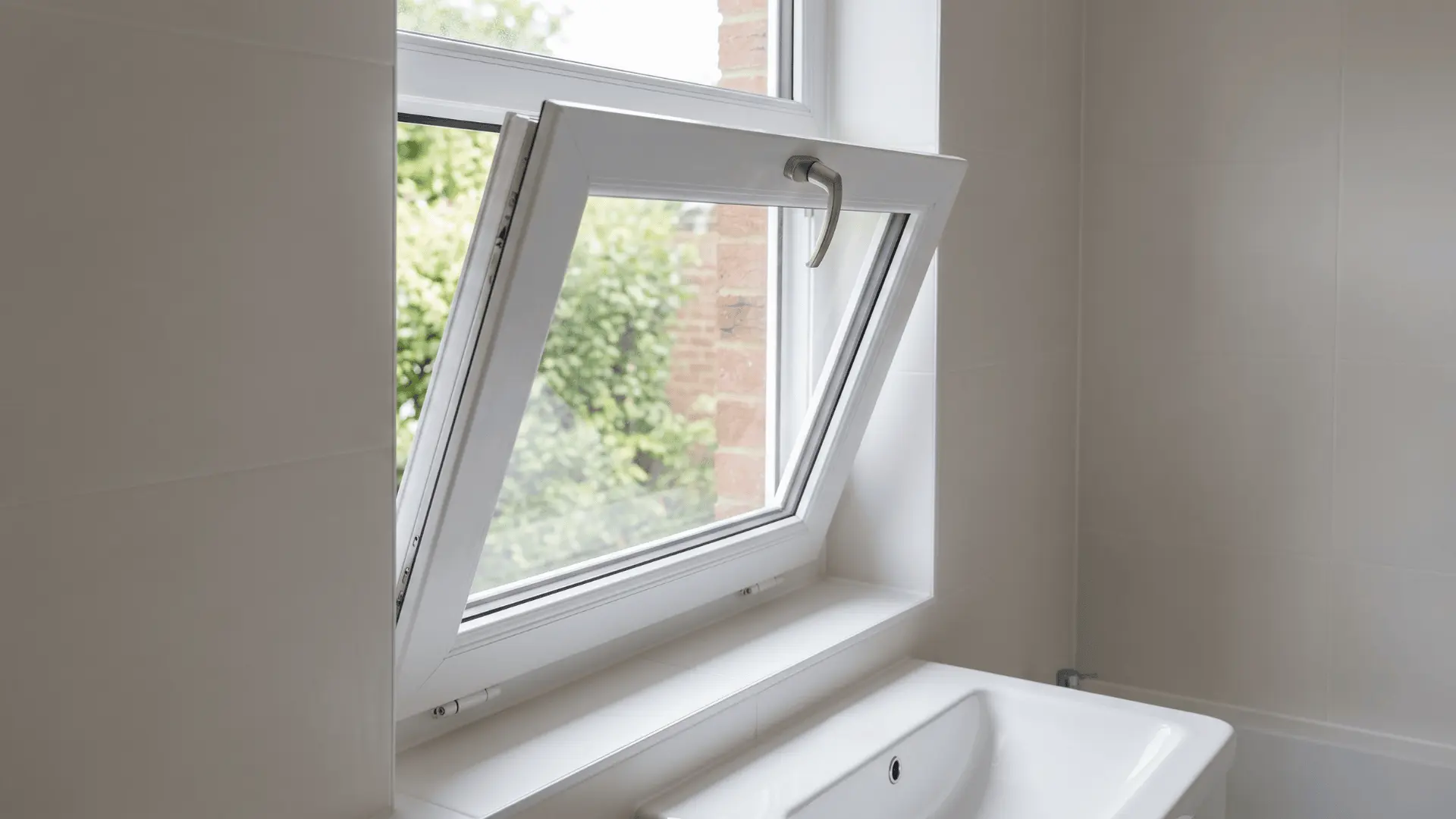
Hopper windows are hinged at the bottom and open inward from the top, making them suitable for small or enclosed spaces.
They are commonly used in bathrooms and basements where controlled ventilation is needed. Their inward opening design helps save exterior space while still allowing fresh air to circulate inside.
7. Standard PVC Windows
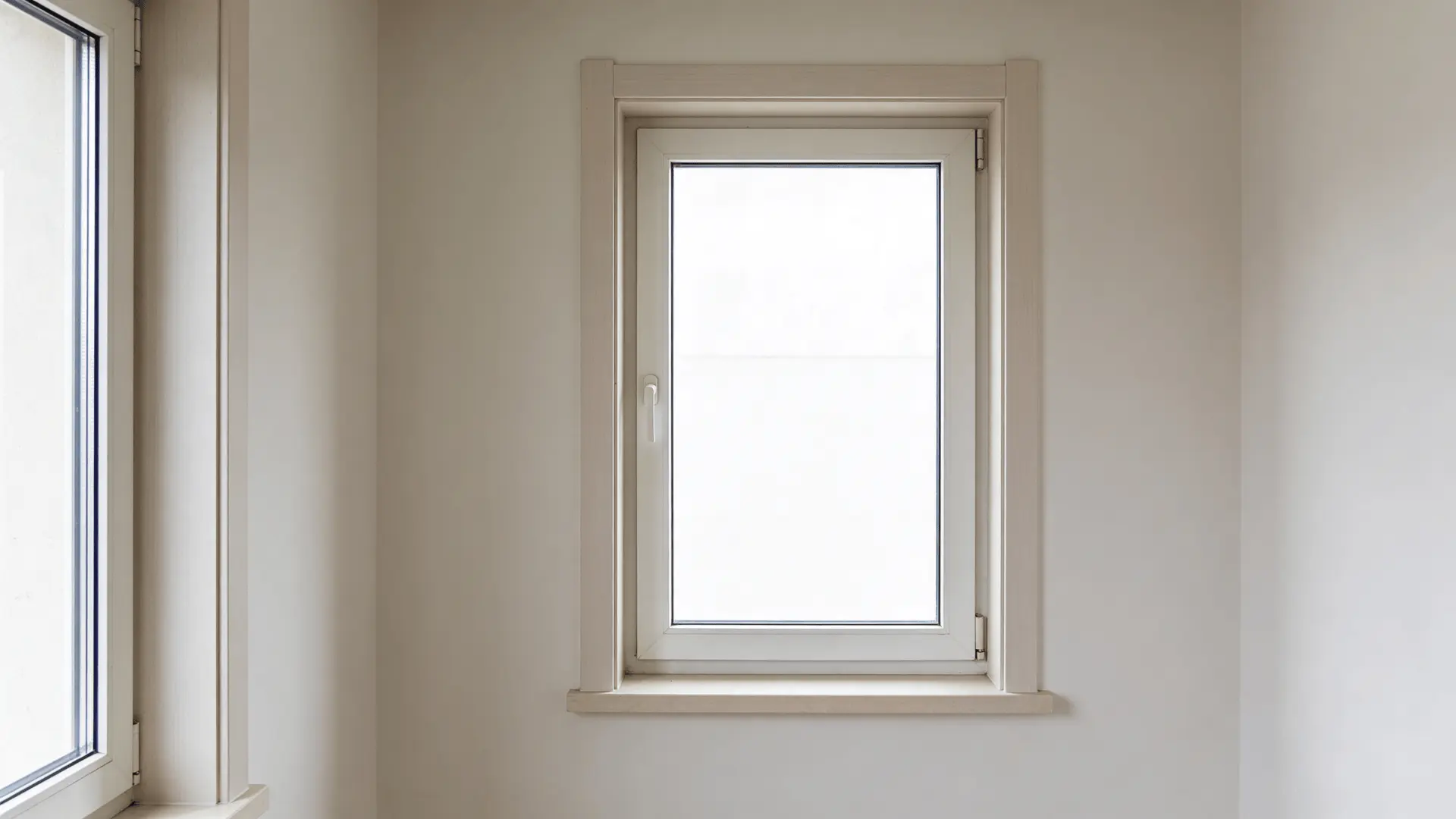
Standard PVC windows are the most commonly used option for everyday residential applications. They are budget-friendly and provide reliable performance for basic needs.
These windows are suitable for spaces where advanced features are not required and are available in simple designs that fit most home layouts.
8. Cellular PVC Windows

Cellular PVC windows have a foam-like internal structure that adds strength and rigidity compared to standard PVC. This makes them more stable and gives them a better surface finish.
They are often chosen for spaces where both durability and appearance matter, offering a more refined look without significantly increasing weight.
Compared to standard PVC windows, cellular PVC uses a denser internal structure, which improves strength, surface finish, and overall durability.
9. Reinforced PVC Windows
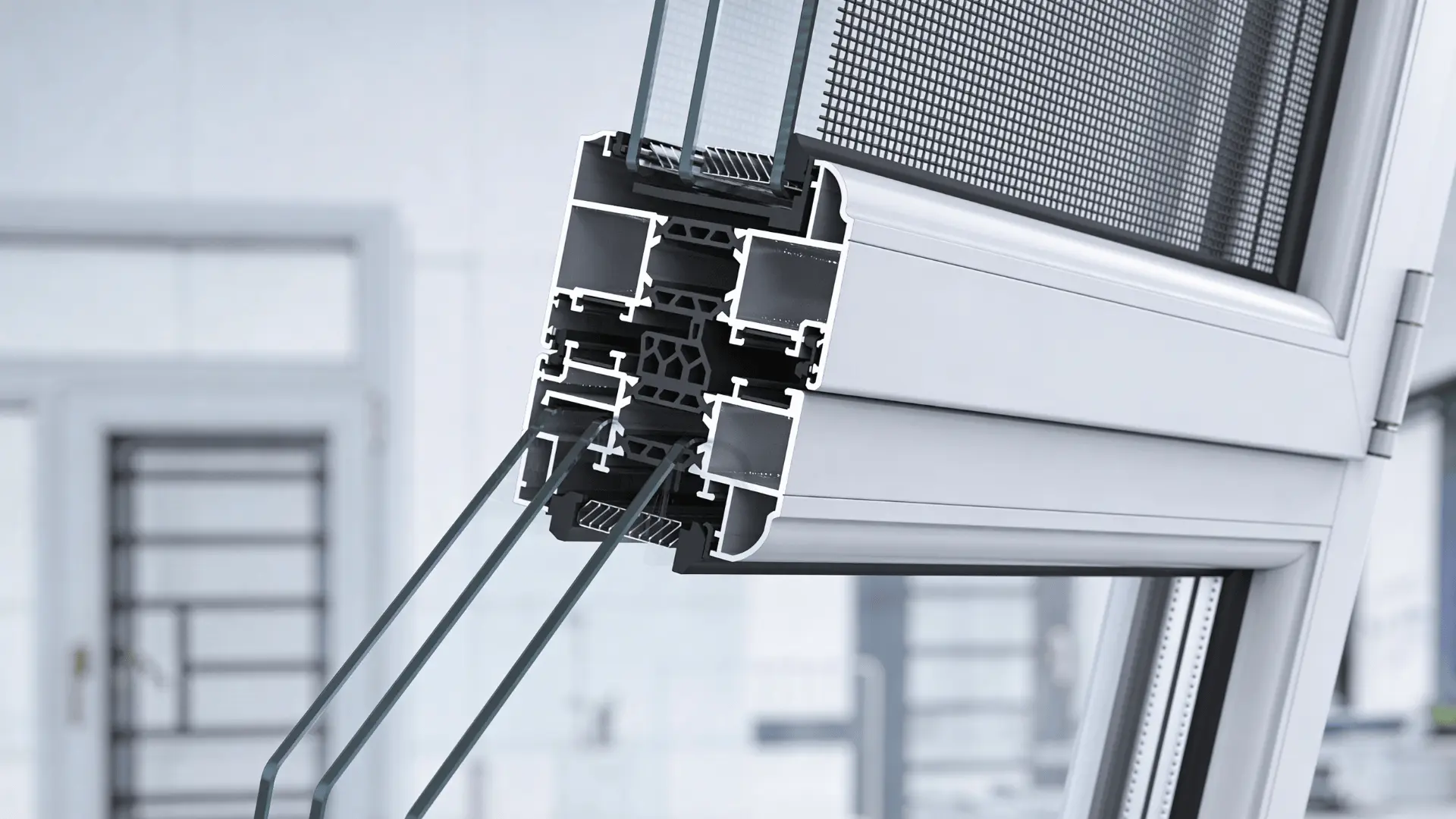
Reinforced PVC windows include internal support such as steel or fiberglass to improve strength and stability. This makes them suitable for larger window sizes or areas exposed to strong winds and heavy use.
They are designed to handle more demanding conditions while maintaining long-term durability and structural support.
How to Match Window Type with Room Needs
Choosing the right window depends on how each space is used. The goal is to balance ventilation, space, and ease of use.
- Bedrooms: casement or tilt-and-turn for better airflow
- Living rooms: sliding or fixed for wider views
- Kitchens: awning for ventilation during rain
- Bathrooms: hopper for privacy and airflow
- Small spaces: sliding windows to save space
Also consider ventilation needs, available space, and ease of use. The right choice improves comfort and daily usability.
PVC Windows vs. Other Window Materials
Choosing between PVC and other window materials often comes down to performance, cost, and long-term use. Each option has its strengths, so a side-by-side comparison makes things clearer.
| Factor | PVC Windows | Aluminum Windows | Wooden Windows | Fiberglass Windows |
|---|---|---|---|---|
| Cost | More affordable | Usually higher, especially for premium frames | Expensive, especially hardwood | Higher upfront cost |
| Durability | Resistant to moisture and corrosion | Very strong but can corrode over time | Can rot, warp, or get damaged by pests | Extremely strong and stable |
| Insulation | Excellent thermal insulation | Poor unless thermally broken | Naturally good insulation | Excellent |
| Maintenance | Very low | Low, may need coating care | High (painting, polishing required) | Very low |
| Appearance | Limited color flexibility | Sleek, modern, slimmer frames | Premium, natural look | Clean, modern finish |
| Lifespan | Long-lasting | Long-lasting | Long with proper care | Longer lifespan overall |
| Best Use | Budget homes, better insulation | Slim designs, large openings | Premium, traditional interiors | Extreme weather, large windows |
Key Trade-Offs that Influence Decisions
- Budget vs. performance: PVC offers strong performance at a lower cost, while fiberglass and wood cost more for specific benefits
- Looks vs. practicality: Wood looks premium but needs upkeep, while PVC is more practical
- Strength vs. insulation: Aluminum is strong but weaker in insulation unless upgraded
Clearing the “Cheap vs. Premium” Misconception
PVC windows are often seen as a “cheap” option, but that is not always accurate.
- Basic PVC windows are affordable, but high-quality versions can perform at a premium level
- Reinforced PVC and advanced glazing can match or exceed performance in insulation and durability
- The final quality depends more on manufacturing, design, and installation than just the material
In many cases, PVC windows offer the best balance between cost, performance, and ease of use, which is why they are widely chosen for modern homes.
Advantages and Disadvantages of PVC Windows
PVC windows offer strong overall performance, but it’s important to look at both benefits and limitations before deciding.
Key Benefits and Advantages
PVC windows help improve indoor comfort while keeping maintenance simple. Their design focuses on insulation, durability, and long-term usability.
- Energy Efficiency and Insulation: Multi-chamber frames trap air, and double or triple glazing reduces heat transfer. This helps maintain indoor temperature and lowers energy use.
- Durability and Weather Resistance: They do not absorb moisture, resist corrosion, and are not affected by termites or pests. They perform well in rain, humidity, and sunlight.
- Low Maintenance: No need for painting, polishing, or rust treatment. Basic cleaning with a cloth and mild cleaner is enough.
- Noise Reduction: Multi-layer glazing and tight sealing help block outside noise and improve indoor comfort.
- Cost-Effective Performance: They provide a good balance of price, durability, and insulation, making them suitable for most homes.
Common Limitations and Concerns
While PVC windows perform well in most situations, there are a few limitations to keep in mind.
- Limited Color Options: Most come in lighter shades, and repainting is not always recommended
- Heat Sensitivity: Lower-quality PVC may warp or expand in extreme heat
- Basic Appearance: Compared to wood, the finish may feel less premium
- Structural Limits: Larger windows may need reinforcement for added strength
Overall, PVC windows work well for most residential needs, especially when you want a reliable, low-maintenance option with good insulation.
Cost of PVC Windows and What Affects Pricing
The cost of PVC windows varies based on size, type, and quality. It also includes installation and hidden factors that can affect the final price.
| Window Type | Average Cost (USD) | Notes |
|---|---|---|
| Fixed / Picture | $200 – $900 | Most affordable, no opening parts |
| Sliding | $400 – $1,000 | Simple mechanism, mid-range pricing |
| Casement | $300 – $1,400 | Better sealing, slightly higher cost |
| Double/Single Hung | $300 – $1,200 | Common residential option |
| Bay / Large Windows | $700 – $3,500+ | Premium due to size and complexity |
Average Installed Cost: $350 – $1,500 per window
Typical Mid-Range Cost: ~$575 per window
Installation Only: $100 – $500 per window
Factors that Affect the Final Price
- Window Size and Design: Bigger or uniquely shaped windows need more material and support, while complex styles increase both product and installation cost.
- Window Type: Simple types cost less, while options like casement, tilt-and-turn, or bay windows are priced higher due to design and functionality.
- Glass Type (Glazing): Double or triple glazing, along with energy-efficient coatings, improves insulation but adds to the overall cost.
- Frame Quality and Hardware: Better PVC quality, along with strong fittings, locks, and handles, increases durability and price.
- Customization and Brand: Custom sizes, colors, finishes, and premium brands with longer warranties raise the cost compared to standard options.
- Installation and Site Conditions: Labor, location, removal of old windows, wall repairs, access difficulty, and finishing work all impact the final price.
These factors together determine the final cost, so planning for both product quality and installation helps avoid unexpected expenses.
How to Choose the Right PVC Windows
Choosing the right PVC windows depends on room usage, material quality, and long-term performance.
- Selecting the Right Style: Choose window types based on room use, ventilation needs, space, and ease of cleaning.
- Understanding Quality Indicators: Look for thick profiles, multi-chamber frames, strong reinforcement, smooth hardware, and tight seals.
- Energy Ratings and Certifications: Prefer double or triple glazing with good ratings to improve insulation and reduce cooling costs.
- Avoiding Low-Quality Options: Skip very cheap products; check brand, warranty, specifications, and ensure proper installation for long-term performance.
ENERGY STAR certification is a useful reference when comparing window performance. It sets climate-based standards for insulation and heat control, which helps ensure the window performs well in real conditions.
Checking ENERGY STAR labels or similar certifications gives you a simple way to compare efficiency across different brands and models.
PVC Window Installation and Lifespan
PVC windows can last long and perform well, but the outcome depends on how they are installed and where they are used. Both factors directly affect durability, efficiency, and overall performance.
1. Installation Type and Conditions
PVC windows are installed either in new openings or as replacements. New installations allow better sealing and alignment, making them ideal for new homes or full renovations. Replacement installations fit into existing frames and are quicker, but may slightly reduce glass area and efficiency.
Installation timing also plays a role. Mild weather supports proper fitting, while extreme heat or heavy rain can affect sealing and delay the process.
2. Lifespan and Durability
PVC windows typically last 20 to 30 years or more. Their lifespan depends on the quality of the material and how well they are installed.
Good-quality windows maintain their structure, insulation, and smooth operation over time. With basic cleaning and minimal maintenance, they continue to perform consistently for years.
3. Installation Quality and Performance
Installation quality has a direct impact on how well PVC windows function. Poor fitting can lead to air leaks, water seepage, and frame misalignment, which reduces efficiency.
Proper installation ensures tight sealing, smooth operation, and better insulation. It also helps avoid long-term issues and keeps performance stable.
4. Suitability and Limitations
PVC windows are a good choice for homeowners who want low maintenance, good insulation, and cost-effective performance. They work well in humid, rainy, and coastal environments.
However, they may not be ideal for projects that need a natural wood finish, very large window sizes, or better performance in extreme heat with low-grade material.
5. Alternative Material Options
In cases where PVC is not suitable, other materials can be considered. Wood is preferred for a natural and premium appearance. Aluminum works well for slim, modern designs. Fiberglass is better suited for large windows and extreme weather conditions.
These materials usually cost more but can better meet specific design or performance needs.
Maintenance and Care Tips for Long-Term Performance
- Basic Cleaning and Upkeep: Clean frames with a soft cloth and mild soap, use glass cleaner for panes, and remove dust from tracks. Avoid harsh chemicals. Light cleaning every few weeks keeps windows in good condition.
- Preventing Warping and Damage: Avoid constant high heat exposure and pressure on open panels. Ensure proper ventilation. Good-quality PVC helps prevent warping or fading over time.
- Simple Adjustments and Repairs: Tighten loose handles or hinges, clean and lubricate tracks, and check seals for dust. Minor opening or closing issues can often be fixed easily.
- When Professional Servicing Is Needed: Call experts for air or water leaks, broken hardware, or misalignment. Occasional servicing helps maintain long-term performance.
Wrapping Up
Choosing the right windows comes down to how well they support comfort, durability, and daily use.
PVC windows stand out as a reliable option that offers good insulation, low maintenance, and long-term value without adding unnecessary complexity.
They fit well in most home setups and handle different weather conditions with ease. The key is selecting the right type and ensuring proper installation for consistent performance over time.
If you are planning an upgrade, take a closer look at your needs and compare your options carefully.


