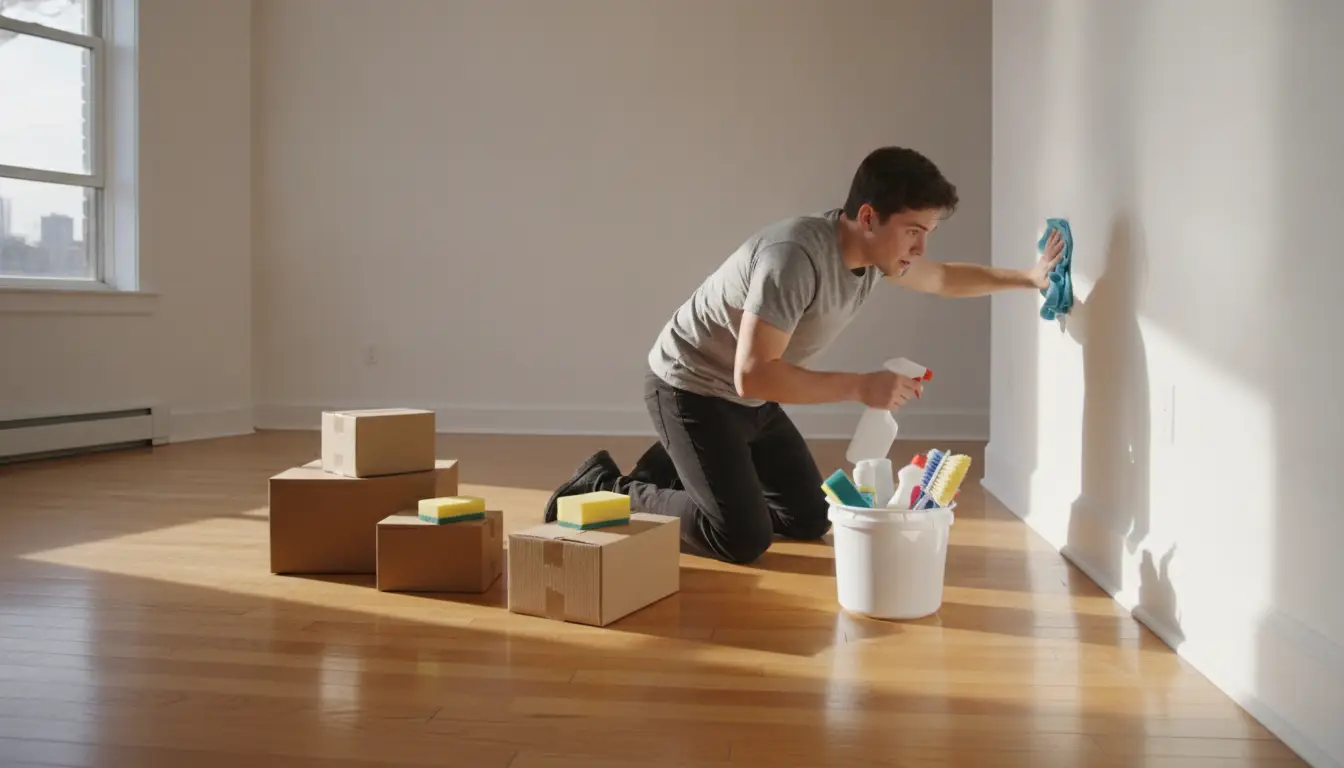
Moving Out of an Apartment? Avoid These Security Deposit Mistakes
Most states have a time frame that is set by law within which a security deposit must be returned, ranging from as short as 14 days in Hawaii and New York to 45-60 days in Arkansas, West Virginia and other states. The average period is around 30 days which varies in New Jersey, 20 days in Delaware and so on.
Very few disputes arise from significant property damage. They are the result of minor, easily avoidable problems; an undocumented condition dispute or notice deadline a few days late. With a clear understanding of the common places where deposits are lost, it is easy to prevent such events.
Why Security Deposits Are Often Lost Over Small Mistakes
Security deposits are supposed to help protect landlords from tenants who don’t pay rent or otherwise cause significant property damage, but each year millions of tenants end up losing hundreds or even thousands of dollars for little more than a minor oversight, miscommunication or simple procedural mistake.
Knowing these small reasons for these errors and the property manager’s way of assessing the unit at move out will help you receive your money back in full.
- Unrepaired damage: pet damage, broken blinds, wall gauges and deep carpet stains.
- Overlooked cleaning: dirty ovens, fridges and exhaust fans have been left grease stained.
- Not having original documents: accused of pre-existing issues that you did not document when you moved in.
- Improper move-out notice, falling to provide the required notice.
- Losing all keys, mailbox keys or having garage fobs not returned.
Most disputes are avoidable simply by knowing these baseline rules before move-out day, not after.
Cleaning and Damage Mistakes That Cost You Money
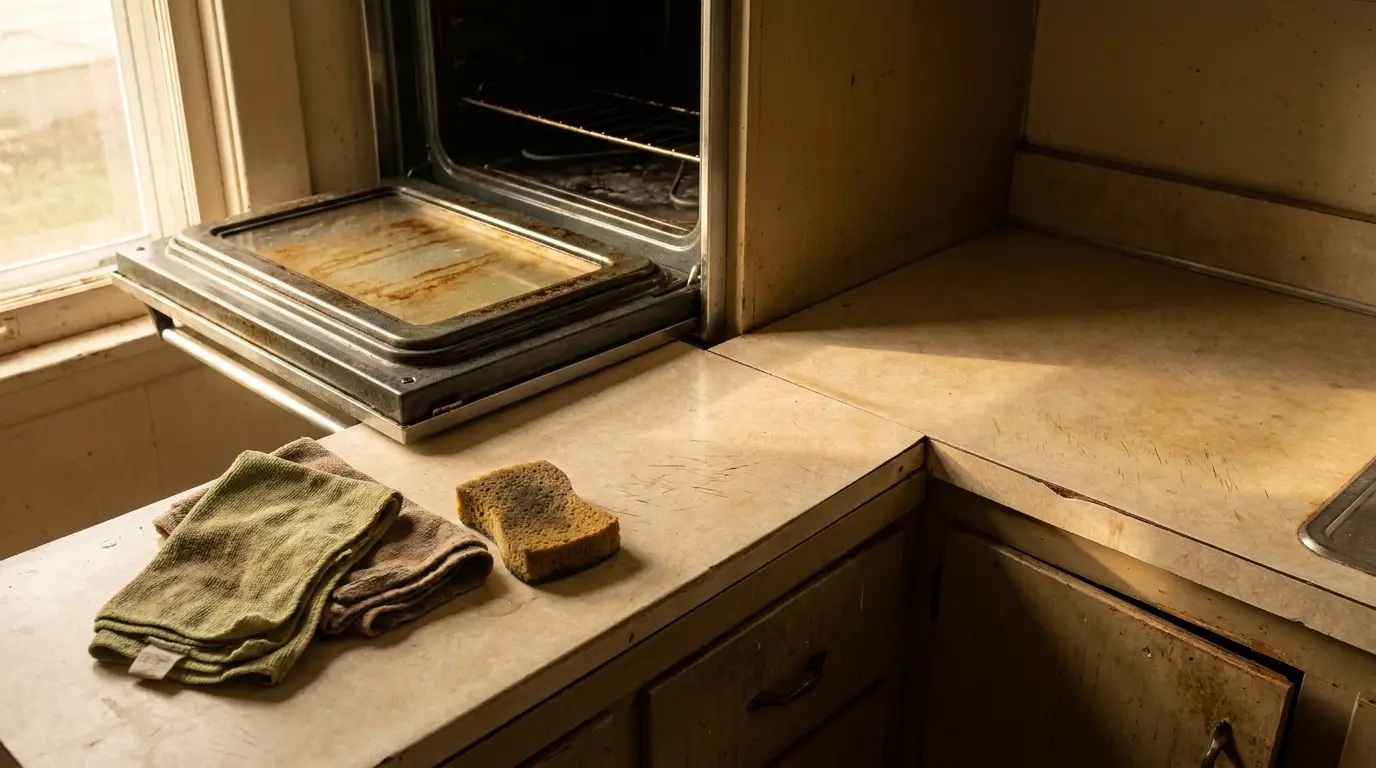
Much of the withheld deposits are for cleaning and minor damage, and both are easily prevented, with a specific checklist rather than a general clean:
- Grease accumulation in the oven and range hood, which regular wipe downs can’t reach
- Mineral deposits and soap scum in the bathroom, especially in grout lines and shower tracks.
- Nail holes or anchor holes in walls that have not been patched.Unpatched nail holes or anchor holes in walls.
- Stains or odours in carpet/sufficient to call in the professionals for cleaning, and not just vacuuming.
- Appliance debris and dust that are shifted when appliances are deep cleaned
These are easy to repair prior to move-out and hard to repair after.
Paperwork and Communication Mistakes
Beyond cleaning, a large share of deposit disputes come down to documentation gaps rather than actual damage. A landlord may not change for anything that was not listed during the move-in walk through if it was known at the time, which is why a tenant’s most powerful weapon months in the future is a photo or video taken at the time of a move with a date and time stamp.
It also works the other way around, a walk-through recorded in pictures or videos on the day of move-out is typically the deciding factor in whether a disputed charge sticks. A verbal contract for repairs or deadlines, basically is not as good as a written contract in the event a dispute goes all the way to a small claims court.
Only dated and written evidence would count. Written notice of intent to vacate is also more significant than most tenants realize. Most leases call for a 30-day notice, some call for 60. Falling to provide that notice can go towards the move out date and the notice itself can be the reason for forfeiting the deposit.
A Simple Checklist to Get Your Full Deposit Back
A short, specific checklist covers most of what determines whether a deposit comes back in full:
- Check with the lease for an exact notice period and provide a written one.
- Take a picture of each room, closet and appliance on move out day, before you turn in the keys.
- Deep clean kitchen appliances, bathroom fixtures and carpets rather than relying on surface clean.
- Relocate furniture and appliances with experienced moverswho know how to not scuff or damage walls, floors or door frames.
- Offer a written forwarding address for the deposit and itemized statement so that they are sent out immediately.
Handled in this order, most of the deductions landlords typically apply become avoidable rather than automatic.