
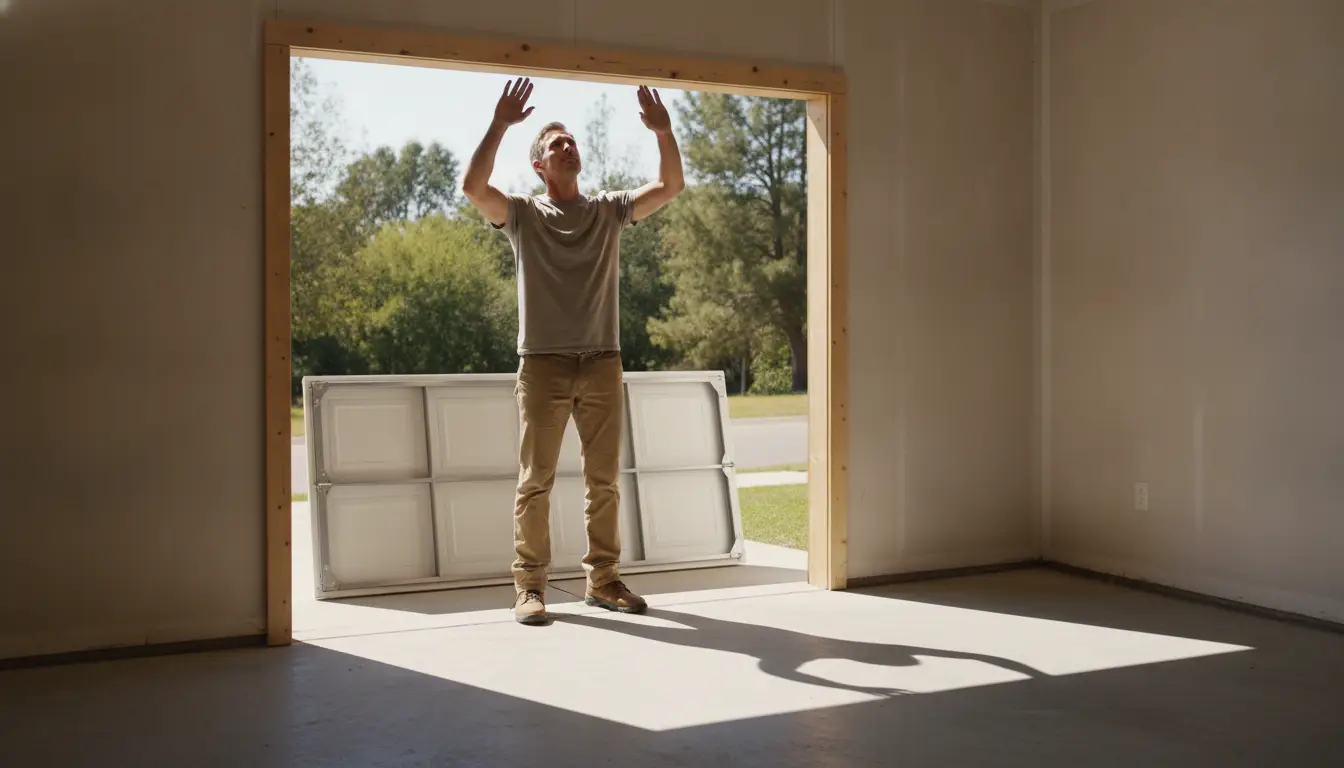
Make Sure Your New Garage Door Will Fit Before You Buy
Ordering a garage door that doesn’t fit your opening or choosing an opener that can’t handle the weight wastes money and creates installation setbacks. Getting the size right requires measuring your garage opening accurately and understanding how door dimensions affect your opener requirements. Both steps matter equally if you want a smooth purchase and a door that works properly from day one.
How Do You Measure Your Garage Door Opening?
Three measurements matter most when sizing a new door, and skipping any one of them can cause fit or installation problems later.
- Width and height of the rough opening: Measure the opening width at the widest point and the height from the floor to the top of the opening. These dimensions determine which door sizes will physically fit.
- Headroom: Most doors need adequate space above your opening where the door track and rolled-up door will sit, though requirements vary by door type and model.
- Sideroom: Measure the clearance on each side of your opening for the vertical door tracks. The exact clearance needed depends on your door’s spring and track system, so check your chosen door’s specifications before finalizing your opening.
- Backroom: Also called depth, this is the distance your garage door extends when fully open. The required clearance varies by door type and opener, so confirm the requirement with your door manufacturer’s specs.
Measure at multiple points since floors and ceilings aren’t always level. If your garage door opening measurements vary, use the smallest dimension to ensure your new door fits without requiring adjustments during installation.
What Other Factors Affect Your Garage Door Size?
Standard residential garage doors come in a handful of common sizes that fit most homes, with single-car and double-car doors following different typical proportions. Manufacturers offer custom sizes if your garage falls outside these ranges, though they cost more and take longer to produce.
Door material and thickness also play a role in overall fit. Steel, wood, aluminum and fiberglass doors each have different weights and panel thicknesses that can affect clearance requirements. Insulated doors add thickness and weight compared to uninsulated models, which matters when you’re working with limited clearances or selecting an opener.
Local building codes and wind load requirements can further limit your options, since garage doors are tested and rated against national standards that many municipalities adopt into their building codes. Coastal areas often require wind-rated doors, and some neighborhoods restrict door colors or styles through HOA rules. Check these requirements before you buy to avoid ordering a door you can’t legally install.
Some providers offer tools that help homeowners preview garage door collections and visualize different looks before choosing a final size and style, such as LiftMaster with Clopay’s EZDoor™ visualizer tool.
How Does Door Size Affect Your Opener Choice?
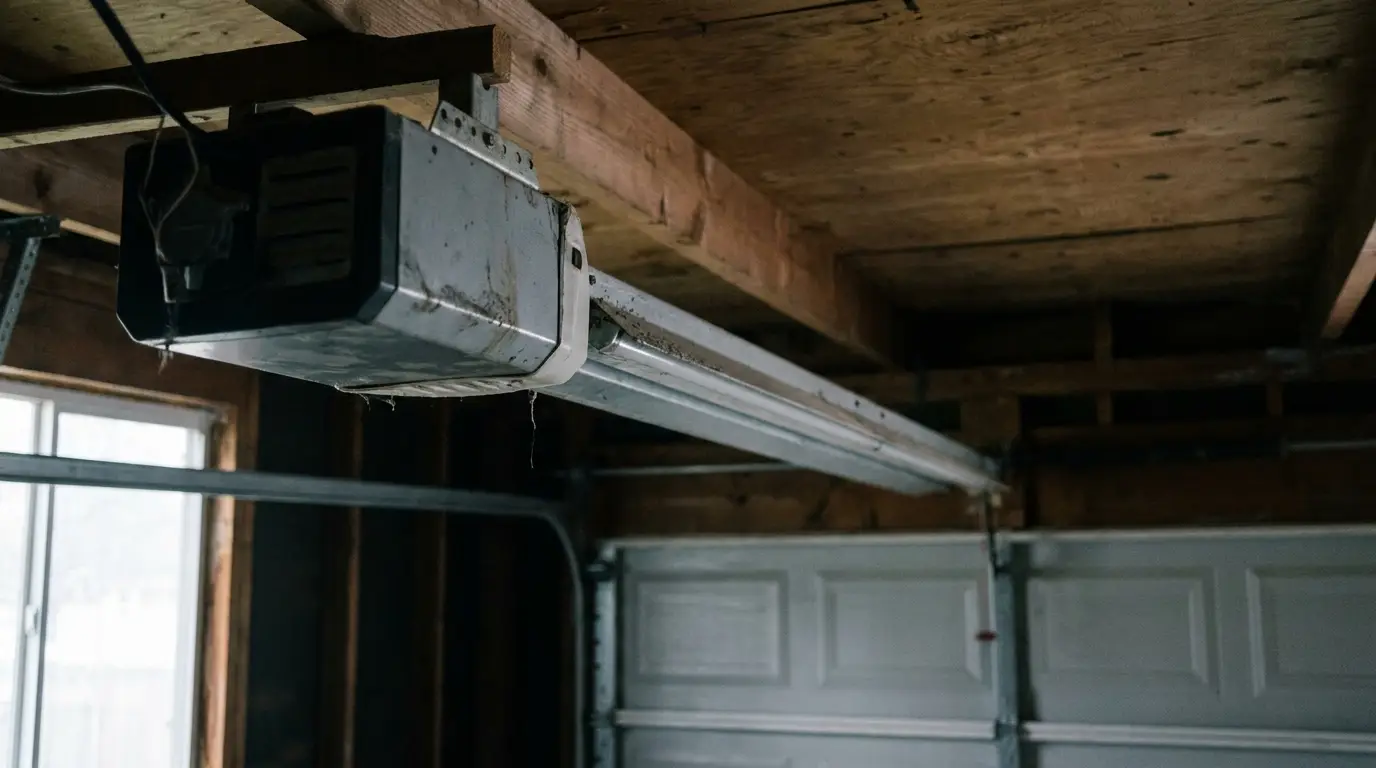
Garage door opener horsepower requirements generally scale with the door’s size and weight. A lighter single-car door typically needs less power than a heavier, insulated double-car door. LiftMaster with Clopay’s garage door opener buying guide breaks down which horsepower ratings pair with different door sizes and types. Choosing an underpowered opener leads to slow operation and premature wear.
The opener motor and rail assembly also need extra headroom clearance beyond what the door itself requires. The exact amount depends on the opener model, so check the manufacturer’s spec sheet before you buy. If you’re working with limited headroom, you may need a special low-profile opener design.
Door type and material can significantly affect opener requirements. According to LiftMaster with Clopay, matching the right opener to your door’s weight and type helps ensure reliable, long-term performance.
What Mistakes Should You Avoid When Sizing a Garage Door?
Even with careful measuring, a few recurring mistakes trip up homeowners more than any other step in the process.
- Guessing instead of measuring: Estimating dimensions based on what looks right leads to costly returns or doors that don’t fit. Always measure with a tape measure and write down exact numbers.
- Overlooking headroom, sideroom, or backroom clearance: Focusing only on width and height means you might order a door that fits the opening, yet you will be unable to physically install it because the tracks and hardware have nowhere to go.
- Mismatching opener strength to door weight: A door that’s too heavy for its opener wears out faster and may stop working altogether. Check the door’s weight specification and match it to an opener rated for that load.
- Skipping manufacturer specs before purchasing: Different door styles and brands have different installation requirements. Reading the spec sheet before you buy prevents surprises during installation.
Frequently Asked Questions
A few questions often come up once you start shopping for a new door.
How Can You Determine the Right Garage Door Size for My Property?
Start by measuring the width, height, headroom, side room and back room of your garage opening. Compare those measurements to standard door sizes to see if a stock option will work or if you need a custom size. Then factor in your door’s expected weight and material type to select an opener with sufficient horsepower and to ensure you have the required headroom clearance.
What’s a Standard Width for a Two-Car Garage Door?
Most two-car garage doors follow a common width, though the exact standard can vary by builder and region. Check your door manufacturer’s size chart for the options available in your area.
Does Adding an Opener Change How Much Headroom You Need?
Yes. The opener motor and rail assembly typically needs some additional headroom beyond what the door itself needs, though the exact amount depends on the opener model. If you have limited headroom, look for low-profile opener models designed for tighter spaces.
Can Any Garage Door Work With Any Opener?
Not exactly. Manufacturers rate openers for specific door weights and sizes. Using an underpowered opener for your door causes performance issues and shortens its lifespan. Always match the opener’s specifications to your door’s weight and dimensions.
How Do You Get the Right Garage Door Fit the First Time?
Accurately measuring your opening and matching your opener to your door’s size and weight are critical for a smooth purchase and installation. Take the time to gather precise measurements and consult manufacturer specifications before you buy, and you’ll avoid the frustration of returns, modifications or equipment that fails prematurely.


