

Loveseat vs Sofa: Love Seat Dimensions & Size Tips
Choosing the wrong seating can make your room feel crowded and uncomfortable. Many homeowners struggle to decide between a loveseat and a full-sized sofa for their space.
Understanding the difference between a loveseat vs sofa helps you choose furniture that matches your layout and seating needs. The right choice can improve comfort, room flow, and everyday functionality.
Knowing standard love seat dimensions makes it easier to plan your furniture placement before buying. Proper sizing also helps avoid delivery and spacing problems in smaller rooms.
What Is a Loveseat?
A loveseat is a compact two-seater sofa designed for one or two people. It offers comfortable seating while taking up less space than a full-sized sofa.
Loveseats are commonly used in apartments, bedrooms, reading corners, and small living rooms.
Standard loveseat dimensions usually range from 52 to 70 inches wide, making them ideal for compact spaces.
What Is a Sofa?
A sofa is a larger seating option designed for three or more people. It is commonly used in living rooms, family rooms, and entertainment spaces for relaxing, lounging, and guest seating.
Sofas come in different sizes, styles, and materials to match various interior designs.
Many larger sofas include deep cushions and wide seating for better comfort during daily use.
Loveseat Vs. Sofa: Key Differences Explained
Choosing between a loveseat and a sofa depends on your available space, seating needs, and overall room layout.
While both offer comfort and style, they differ in size, functionality, pricing, and the type of spaces they work best in.
| Feature | Loveseat | Sofa |
|---|---|---|
| Seating Capacity | 1–2 people | 3–4 people |
| Space Requirements | Best for small rooms | Needs more space |
| Comfort | Cozy seating | Better for lounging |
| Average Width | 52–70 inches | 72–96 inches |
| Best For | Apartments, bedrooms | Living rooms, family spaces |
| Price Range | Lower | Higher |
Both options can work well depending on your lifestyle and room size. A loveseat is ideal for compact spaces and smaller households, while a sofa offers more seating and comfort for larger families or entertainment areas.
Standard Loveseat Dimensions
Before buying a loveseat, understanding standard love seat dimensions helps ensure it fits comfortably in your room.
Measuring available space and door clearance also helps avoid delivery and placement issues.
1. Loveseat Width
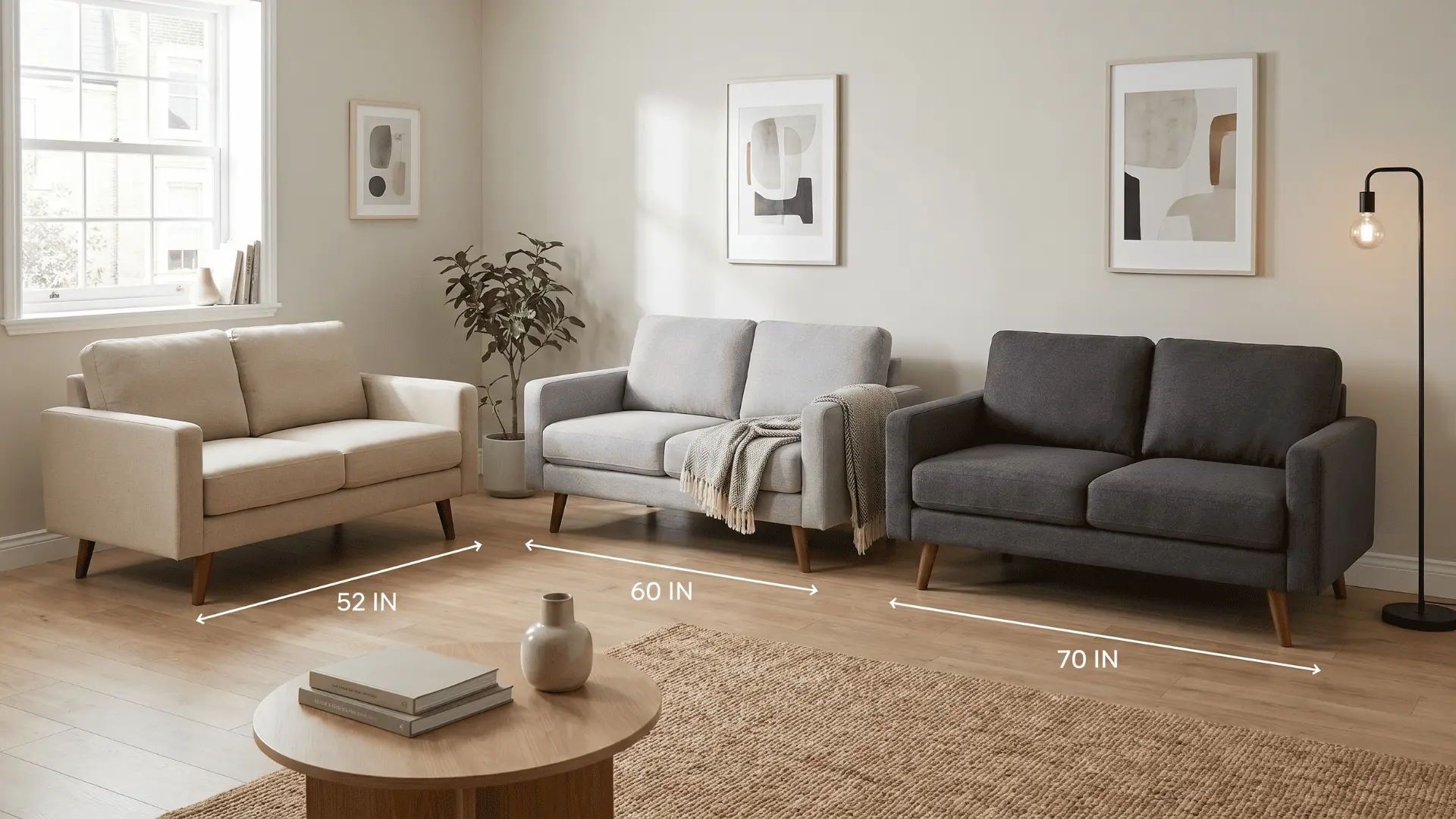
Loveseat sizes vary by design, but most are made to fit comfortably in smaller rooms and compact spaces.
| Loveseat Size Type | Standard Width Range | Best For |
|---|---|---|
| Compact loveseat | 52–58 inches | Small rooms, apartments, tight spaces |
| Medium-sized loveseat | 60–65 inches | Regular living rooms and two-person seating |
| Wider loveseat styles | Up to 70 inches | Extra comfort and more seating space |
| Standard loveseat overall | 52–70 inches | Most loveseat buying needs |
2. Average Loveseat Depth
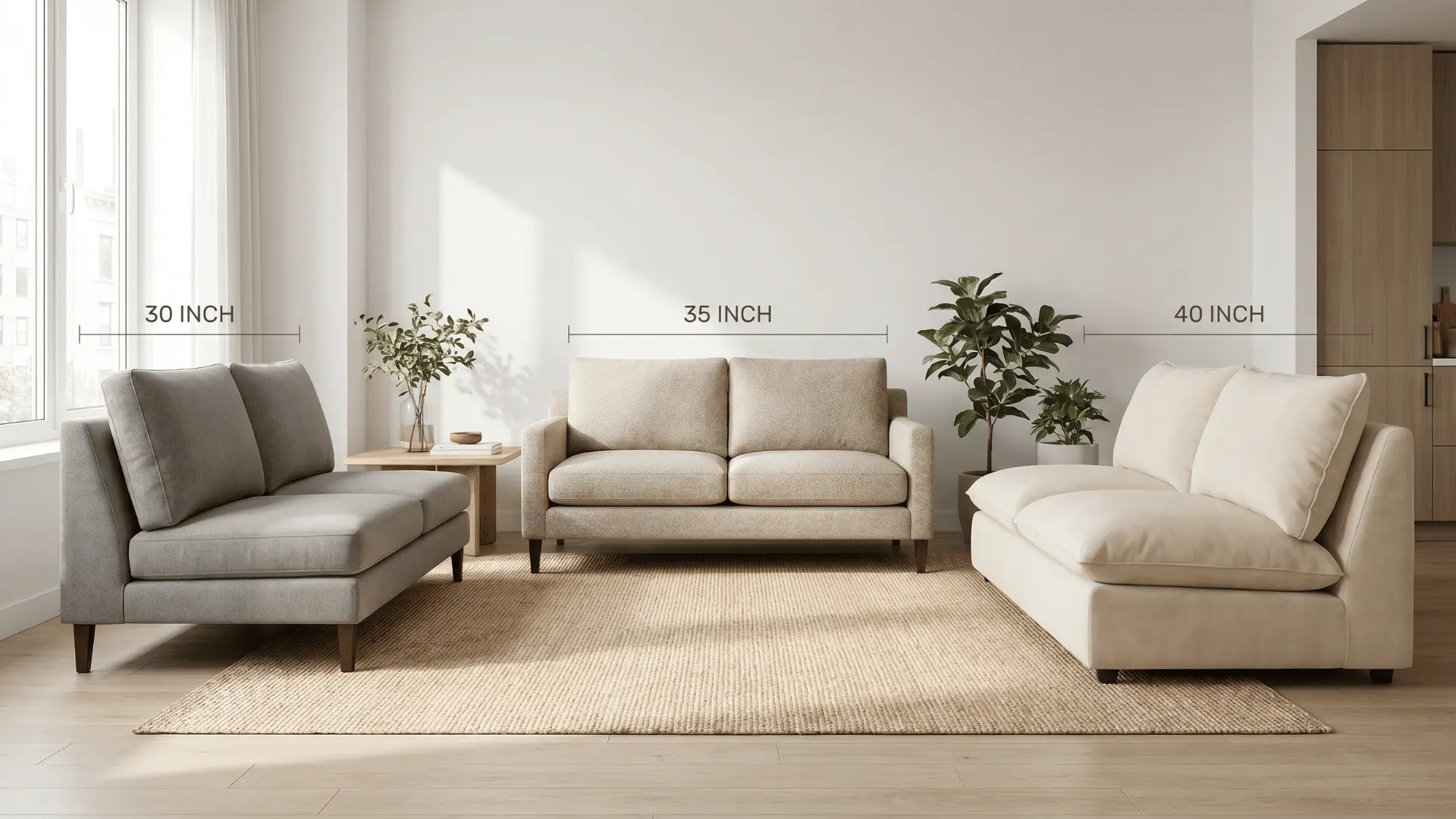
Loveseat depth plays an important role in overall seating comfort and how the furniture fits within your room layout.
| Loveseat Depth Type | Standard Depth Range | Best For |
|---|---|---|
| Shallow-depth loveseat | 30–32 inches | Upright seating |
| Medium-depth loveseat | 34–36 inches | Balanced comfort |
| Deep-seat loveseat | 38–40 inches | Lounging and relaxation |
| Standard loveseat overall | 30–40 inches | Most loveseat buying needs |
3. Average Loveseat Height
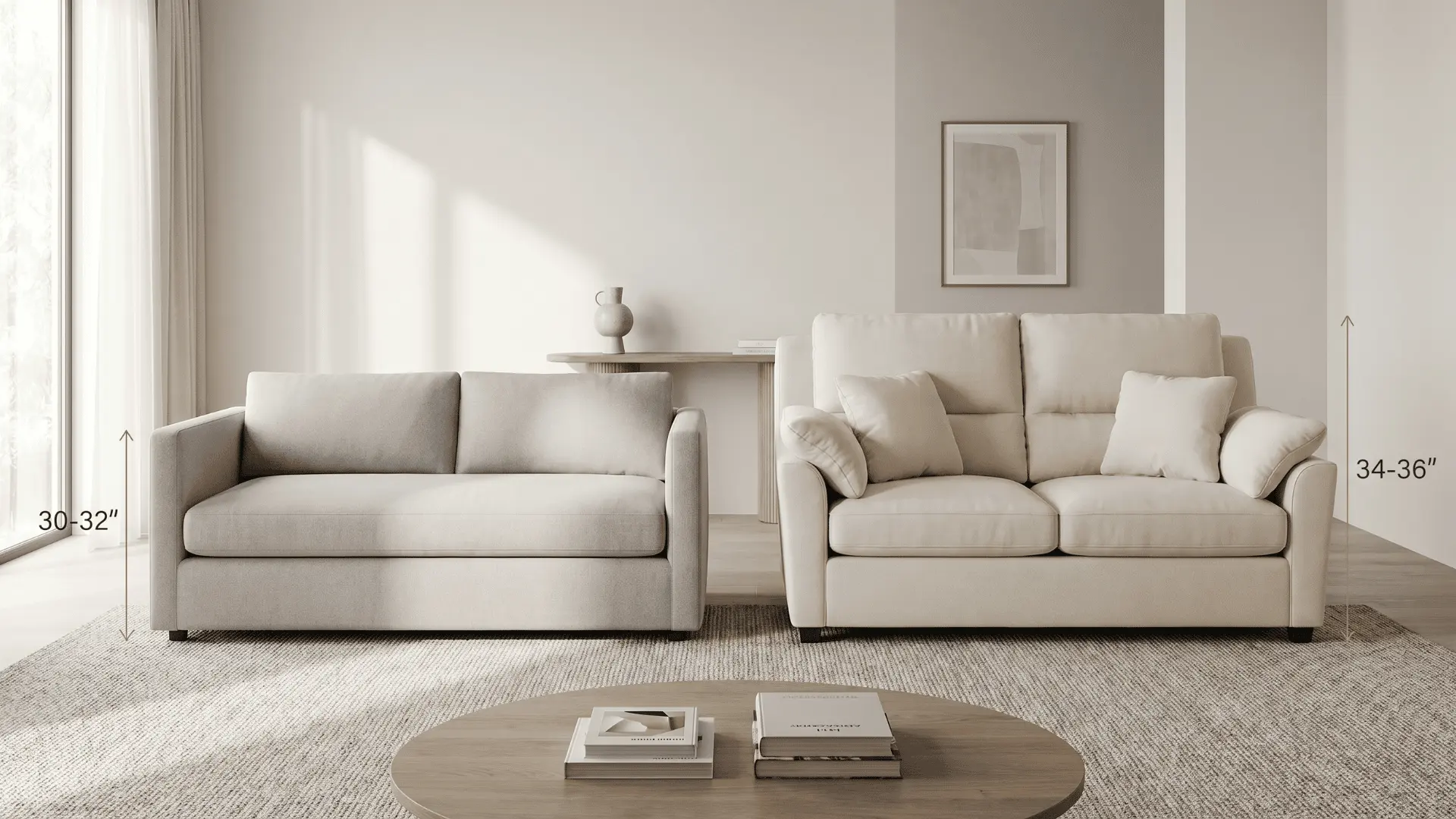
Loveseat height affects both seating comfort and the overall visual style of your living space.
| Loveseat Height Type | Standard Height Range | Best For |
|---|---|---|
| Low-profile modern loveseat | 30–32 inches | Modern rooms and lower seating styles |
| Traditional or cushioned loveseat | 34–36 inches | Added back support |
| Standard loveseat overall | 30–36 inches | Most loveseat buying needs |
4. Compact Loveseat Dimensions for Small Rooms
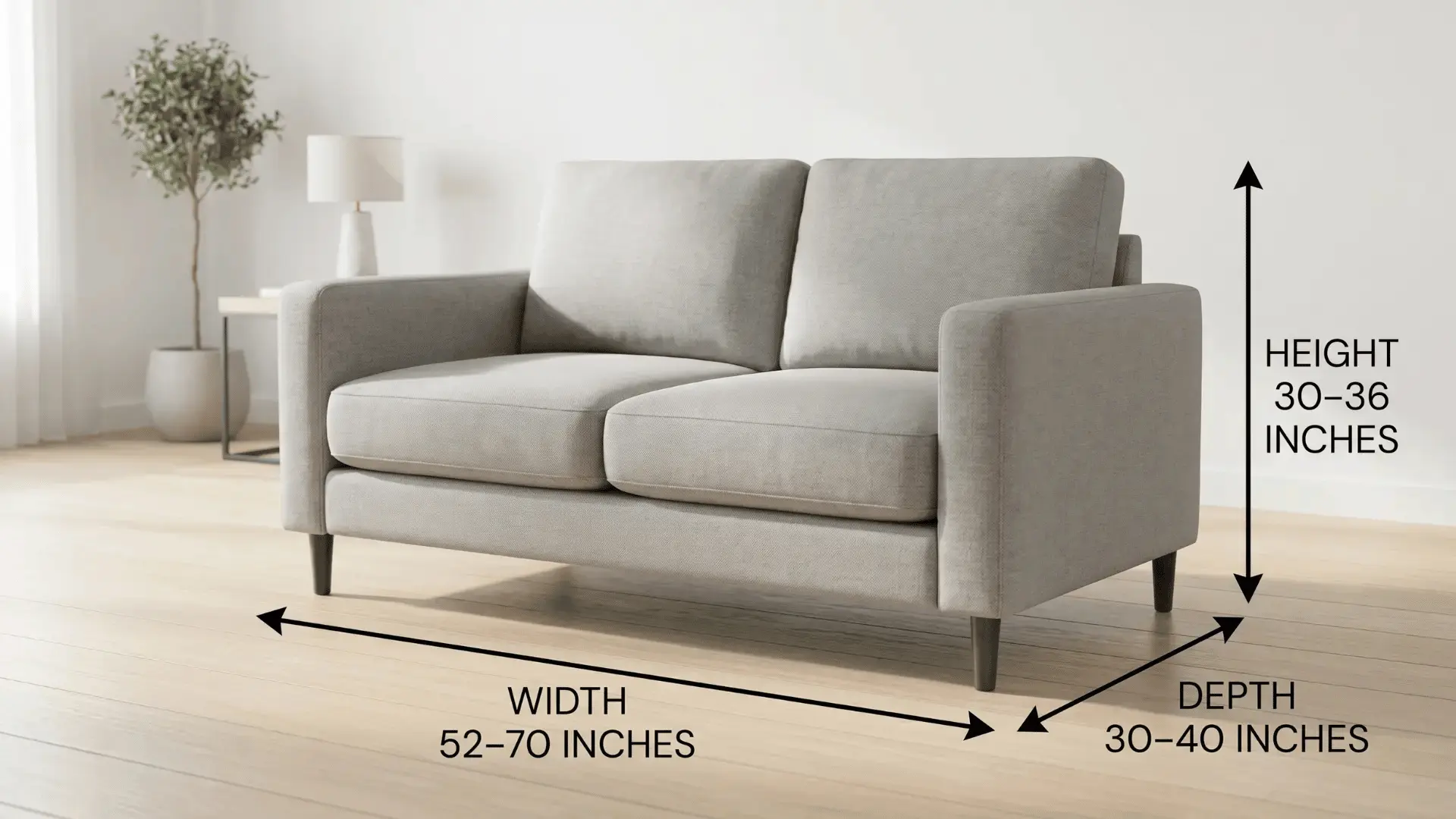
Compact loveseats are designed to provide comfortable seating without taking up too much floor space in smaller homes.
| Apartment-Friendly Loveseat Size | Typical Range | Best For |
|---|---|---|
| Width | 52–70 inches | Small rooms and apartments |
| Depth | 30–34 inches | Compact seating areas |
| Height | 30–36 inches | Lower ceilings and balanced room scale |
Smaller loveseats help maximize available space while keeping the room comfortable, functional, and less crowded.
5. Oversized Loveseat Dimensions
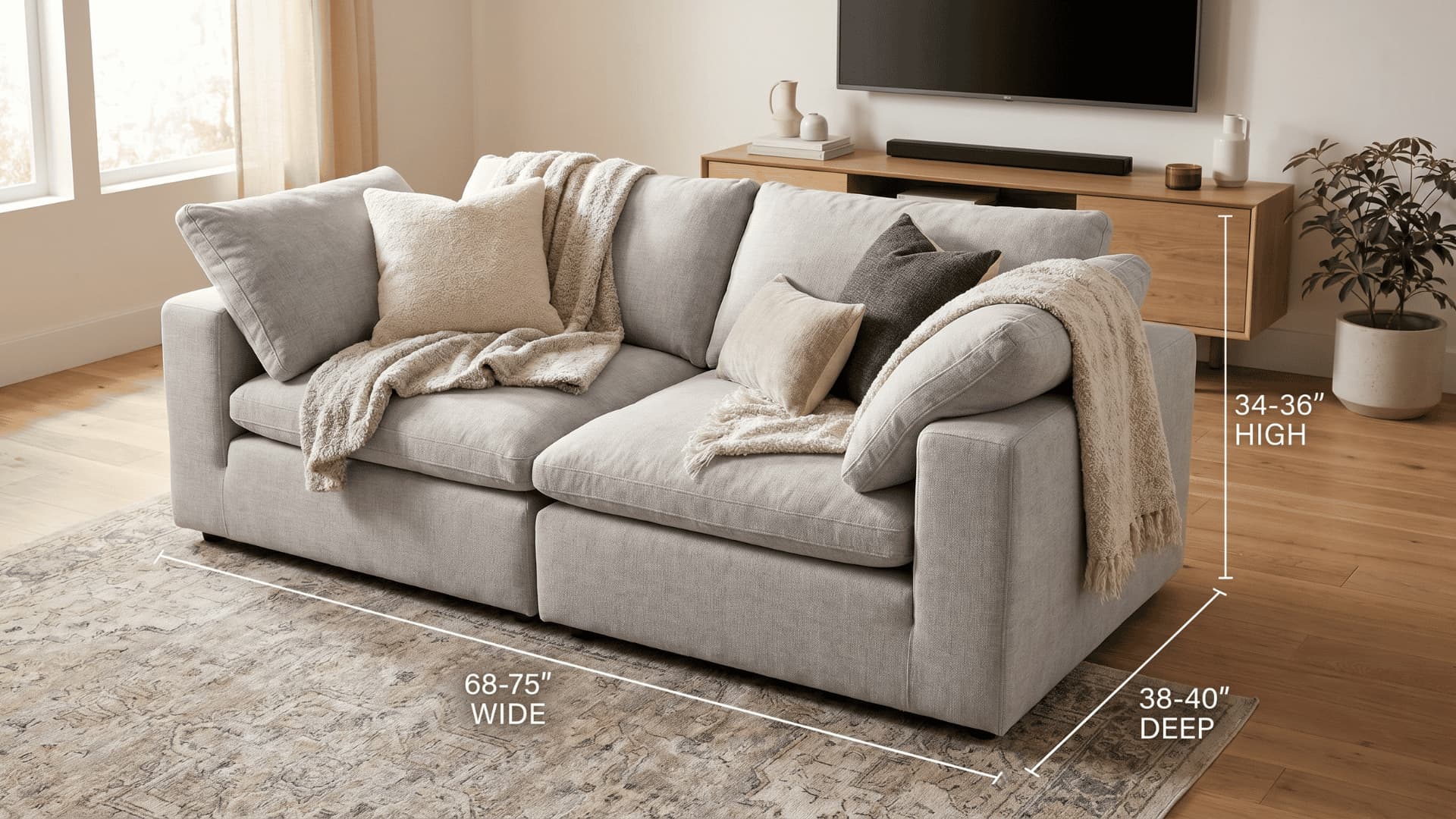
Oversized loveseats are designed for extra comfort and offer more lounging space than standard loveseats.
| Oversized Loveseat Size | Typical Range | Best For |
|---|---|---|
| Width | 68–75 inches | Larger seating areas |
| Depth | 38–40 inches | Lounging and extra comfort |
| Height | 34–36 inches | Added back support |
Oversized loveseats are a great option for relaxing, watching TV, or creating a cozy seating area in larger living spaces.
Standard Sofa Dimensions
Understanding common sofa sizes helps you choose furniture that fits your room comfortably. The right sofa dimensions can improve seating comfort, room balance, and everyday functionality.
| Sofa Type | Width | Depth | Height | Best For |
|---|---|---|---|---|
| 2-Seater Sofa | 60–72 inches | 30–38 inches | 30–36 inches | Apartments, bedrooms, small spaces |
| 3-Seater Sofa | 72–90 inches | 32–40 inches | 30–36 inches | Family living rooms, guest seating |
| Oversized Sofa | 90–120 inches | 38–45 inches | 32–40 inches | Large living rooms, entertainment areas |
Choosing the right sofa size depends on your room layout, seating needs, and comfort preferences. Proper sizing helps create a more spacious, functional, and comfortable living area.
Loveseat and Sofa Placement Tips

Loveseat and sofa placement works best when seating feels comfortable, and the room stays easy to move through. A few simple layout tips can help improve walking space, balance, and daily use.
- Leave enough walking space around seating so the room does not feel crowded.
- Keep a comfortable distance between the sofa or loveseat and the coffee table.
- Avoid placing large seating pieces directly in front of doors or main walkways.
- Place seating where it does not block windows, vents, or natural light.
- Use loveseats in corners or smaller areas to keep the layout open.
- Choose sofa placement based on the room’s main focus, such as a TV, fireplace, or conversation area.
Good placement can make your seating area feel more open, useful, and comfortable. With the right layout, a loveseat or sofa can fit better without blocking the flow of the room.
Final Verdict: Loveseat or Sofa?
The right seating choice depends on your available space, comfort needs, and daily lifestyle. Choosing the right option helps improve room functionality and creates a more balanced layout.
| Factor | Loveseat | Sofa |
|---|---|---|
| Best For | Compact spaces | Larger rooms |
| Seating Style | Cozy and casual | Spacious and relaxing |
| Mobility | Easier to move | Heavier and larger |
| Room Appearance | Keeps the room open | Creates a bold focal point |
| Daily Use | Good for light seating | Better for family use |
| Layout Fit | Corners and small areas | Open living spaces |
The best choice comes down to your available space, comfort, and seating requirements. Loveseats are ideal for compact spaces, while sofas are better suited to larger rooms and family-friendly seating.
Common Mistakes to Avoid When Buying Seating Furniture
Planning before buying seating furniture helps you avoid sizing, comfort, and layout problems. Accurate measurements and daily use needs make it easier to choose furniture that fits your space well.
- Ignoring Measurements: Many buyers forget to measure doorways, staircases, and room space before buying furniture.
- Choosing Style Over Comfort: A good-looking sofa may not provide enough seat depth, cushion support, or back height for daily use.
- Buying Oversized Furniture: Large sofas can make small rooms feel crowded and harder to move through.
- Forgetting Room Flow: Poor furniture placement can block walking paths and make the layout feel cramped.
- Skipping Daily Use Needs: Seating should match how the room is used, whether for relaxing, guests, family time, or everyday seating.
Avoiding these common furniture mistakes can help create a more comfortable and useful living space.
Conclusion
Choosing between a loveseat vs sofa becomes easier when you focus on your room size and comfort needs. The right seating can make your living room feel more functional and comfortable.
Understanding standard love seat dimensions helps you avoid sizing mistakes before buying furniture. Accurate measurements also improve room planning and furniture placement.
Smart furniture choices also make your space feel more practical and welcoming. Ready to upgrade your living room? Compare dimensions carefully and choose the seating that best fits your space.
Which seating option would you choose for your home, a loveseat or a sofa? Let us know in the comments.
Frequently Asked Questions
Can a Loveseat and Sofa Be Mixed in The Same Room Design?
Yes, combining a loveseat and sofa can create flexible seating arrangements. It allows for both intimate and larger group seating without overcrowding the space.
What Materials Are Best for Loveseats vs Sofas?
Loveseats work well with lighter fabrics like cotton or microfiber for easy maintenance in small spaces. Sofas often benefit from durable materials like leather or high-quality upholstery for long-term use.
Can Seating Furniture Affect Lighting in Small Rooms?
Yes, oversized sofas can make small rooms feel darker and more crowded. Compact loveseats help maintain a brighter and more open room appearance.


