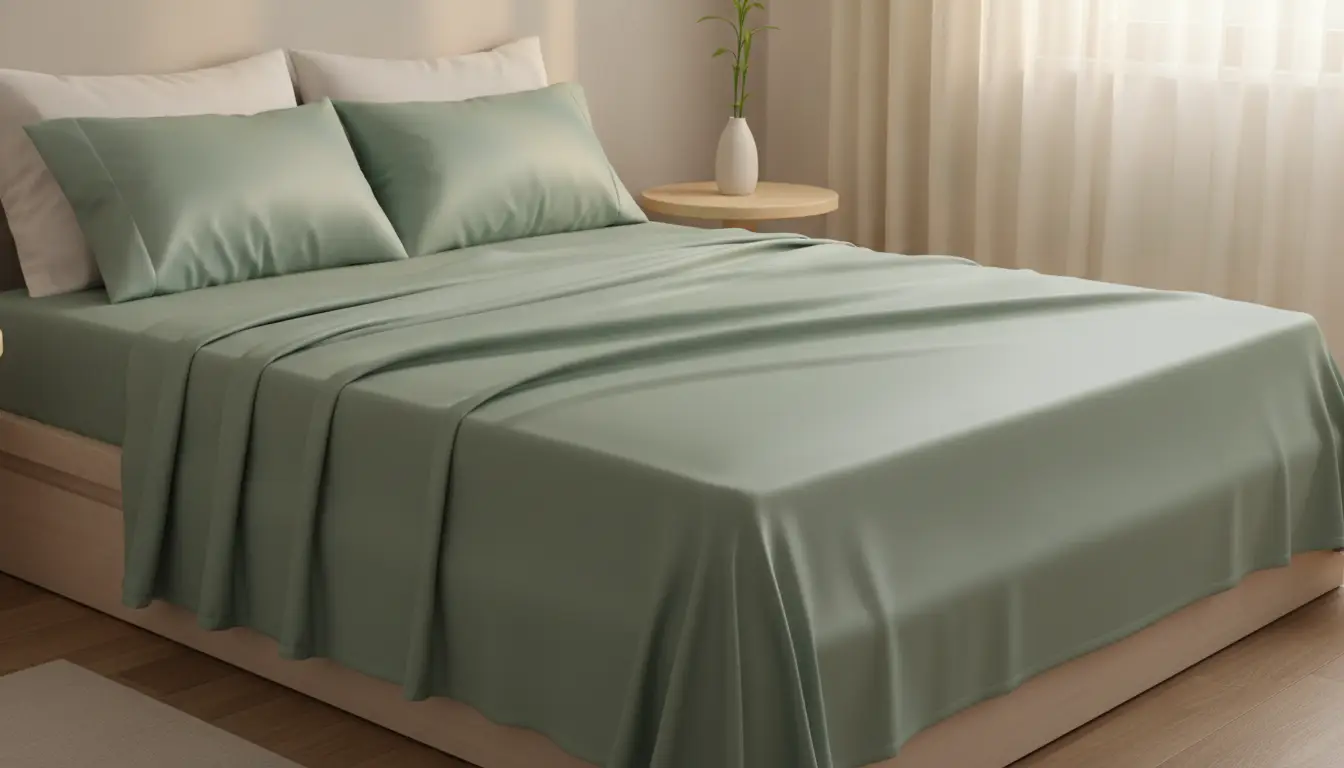
Are 100% Tianzhu Bamboo Viscose Sheets Worth It? Testing Bedelite’s New Cooling Sheet Set
After getting dozens of messages about bedroom upgrades in warmer months from my last home decor post, one question popped up repeatedly.
The most common one? “Can bamboo sheets actually stop night sweats and stay soft wash after wash?”
I get it. Many homeowners are tired of cotton sheets that trap heat and turn damp overnight. There’s no shortage of bamboo bedding options online, but quality varies wildly—some blends cut corners with mixed fibers, and few come with reliable third-party material certifications.
As someone who’s tested dozens of sheet sets while renovating multiple bedrooms, I know how frustrating it is to invest in bedding that fails to live up to marketing claims, whether you’re refreshing your primary bedroom or furnishing a guest space.
Yes, well-made 100% Tianzhu bamboo viscose sheets deliver noticeable cooling benefits.
While not all bamboo bedding is created equal, premium pure bamboo viscose fabric can regulate temperature far better than standard cotton.
In this post, I’ll break down everything you need to know about bamboo viscose bedding, review Bedelite’s brand-new 4-piece sheet set, cover the pros and cons, and share practical tips for shopping for long-lasting bamboo sheets.
Are Pure Tianzhu Bamboo Viscose Sheets Effective for Hot Sleepers?
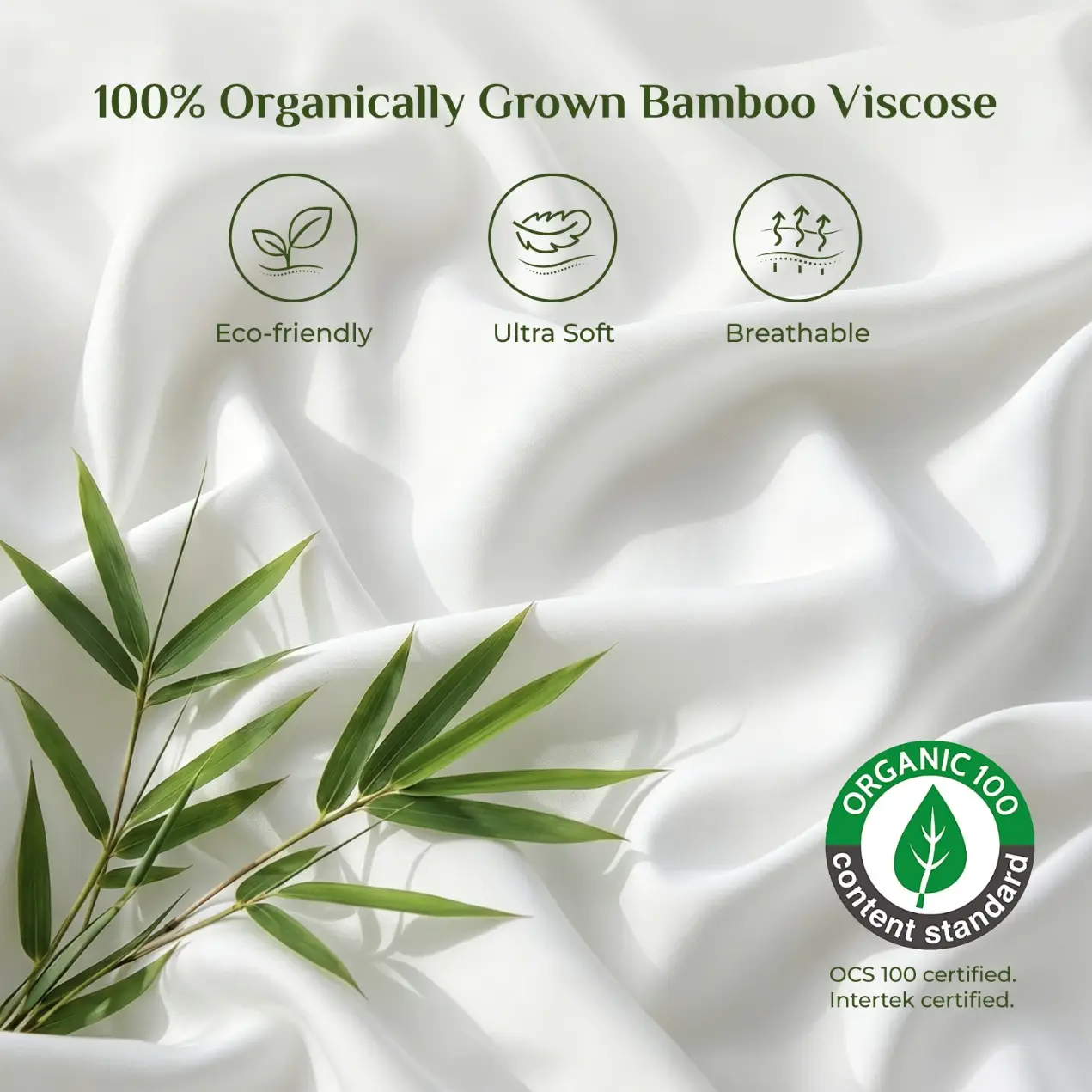
Yes, quality bamboo viscose sheets can reduce nighttime overheating, but there’s plenty to unpack beyond the simple headline. Not all bamboo bedding uses the same raw materials or weaving standards. The set we’re looking at uses 100% TIANZHU bamboo viscose sourced from organically grown bamboo, with zero blended fibers.
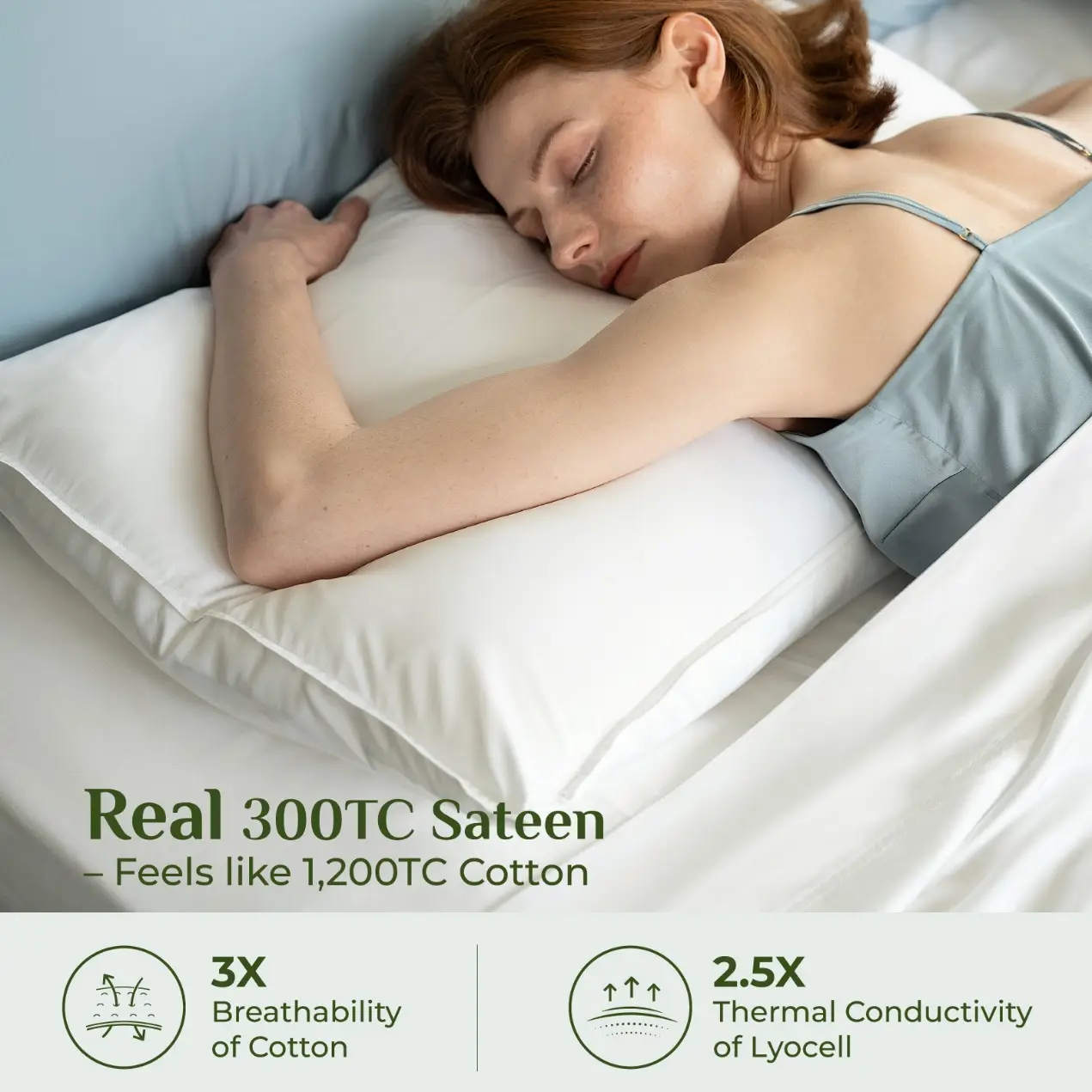
Independent lab tests confirm this fabric wicks moisture three times faster than regular cotton. From my weeks of testing, I found the material stays airy against skin and avoids that sticky, damp feeling many people experience with cotton during warm nights. Still, it’s important to set realistic expectations: bamboo fabric creates a cooler sleeping surface, but it won’t lower the overall temperature of your bedroom.
For many hot sleepers, that moisture transfer is enough to cut down on disruptive night sweats, especially during spring and summer.
Understanding Bamboo Viscose Bedding
Ever wondered why bamboo sheets keep popping up in bedroom design inspiration, but you’re unsure what separates premium options from low-quality alternatives? You’re not alone.
Bamboo bedding has grown massively popular over the last decade, but shopper confusion remains high. It’s a careful balance of raw material sourcing, weaving technique and safe dyeing standards that determines how well a set performs long-term.
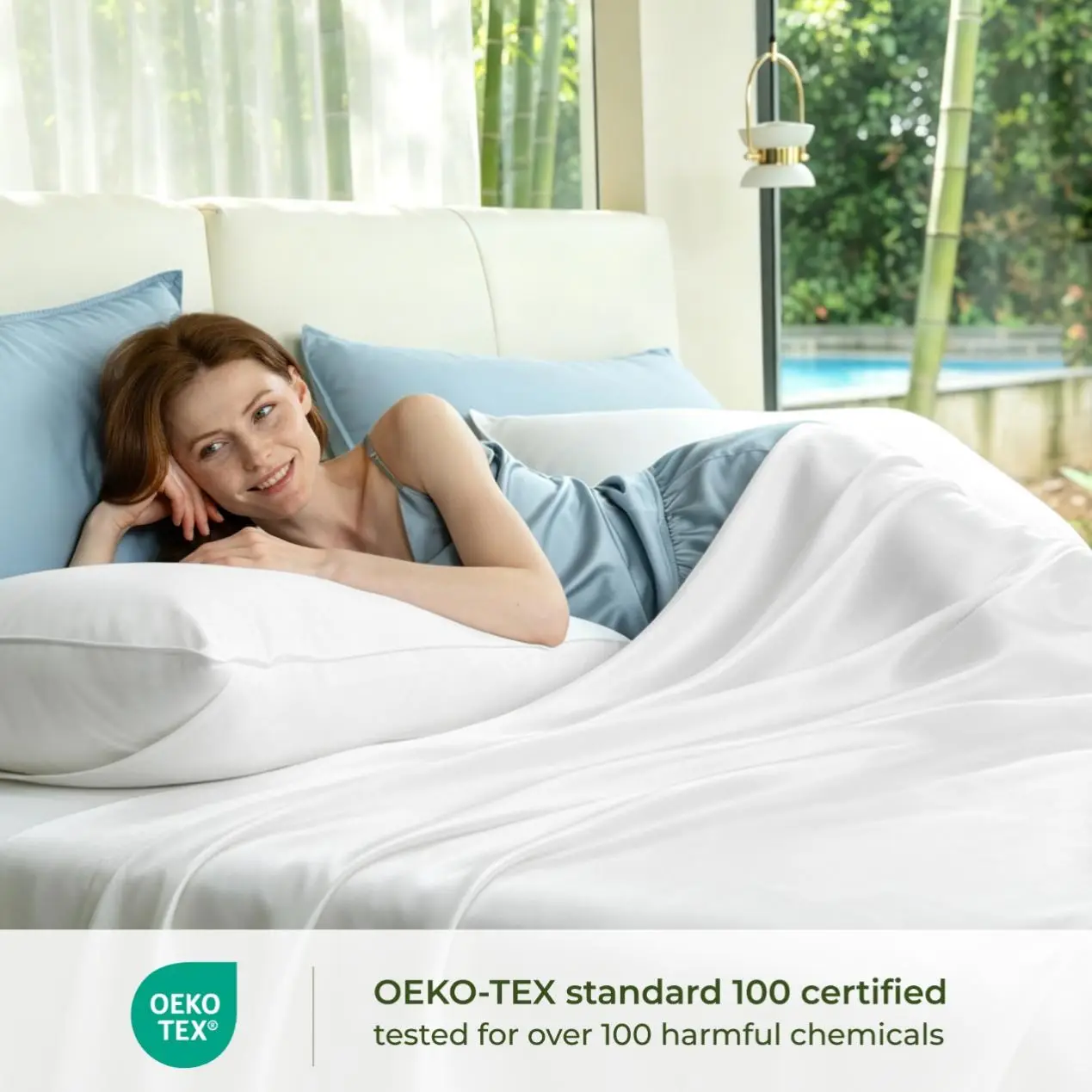
1. What Is TIANZHU Bamboo Viscose?
Think of premium TIANZHU bamboo viscose like a carefully sourced specialty lumber, compared to generic mixed bamboo fabric.
Just as quality timber relies on sustainable harvesting, high-performance bamboo bedding starts with raw organic bamboo. The TIANZHU fiber used in Bedelite’s sheets comes from organically cultivated bamboo, processed into smooth, fine viscose fiber without filler fabrics.
Many cheaper bamboo sheet mixes blend bamboo with cotton or polyester to cut costs, which weakens the cooling and moisture-wicking properties. This set avoids blends entirely.
What makes the fabric appealing for home use is its naturally silky texture. It feels gentle against sensitive skin, and when paired with responsible production standards, it aligns with eco-conscious home styling priorities.
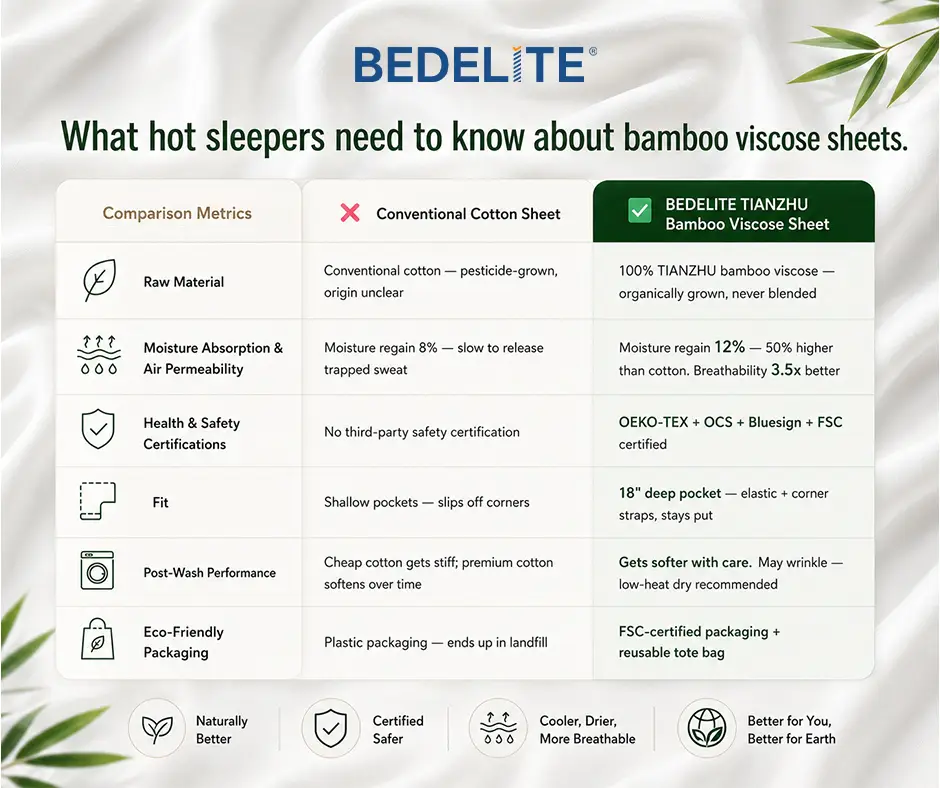
2. How Does Bamboo Viscose Regulate Temperature?
The cooling science behind bamboo viscose is straightforward.
Bamboo viscose fibers feature micro channels that move heat and moisture away from your body as you sleep. It’s like built-in airflow for your bed.
When I swapped regular cotton sheets for this bamboo set, I could feel the difference quickly. Cotton holds moisture close to your skin; bamboo viscose pulls dampness outward so it can evaporate.
It’s worth noting certifications play a big role here. This Bedelite collection carries OEKO-TEX and OCS certifications to verify fiber purity, plus Bluesign-approved dyes. That means the color treatment avoids harsh chemicals, safe for kids and anyone with sensitive skin.
While the fabric performs well year-round, it shines brightest for anyone who regularly wakes up sweaty. Still, no fabric is perfect. I’ll cover the limitations later in this article.
What Makes Bedelite’s New Sheet Set Stand Out?
After testing this four-piece set over several weeks, let’s walk through the design details that solve common complaints with standard bedding.
The biggest frustration most homeowners face with fitted sheets is sliding and bunching overnight. This fitted sheet features an 18-inch deep pocket built to fit thick, plush mattresses. It uses a full 360° elastic band upgraded to 1.2cm width—roughly one-third wider than standard elastic—paired with reinforced corner straps.
During testing, the sheet stayed anchored firmly in place, no repeated smoothing or tugging required in the middle of the night.
Durability is another frequent pain point for lightweight natural fiber sheets. Many budget bamboo sheets become loose, fray or lose softness after a handful of washes. This set uses 300-thread-count sateen weave with double-stitched seams and neat envelope pillow closures.
The sateen construction delivers that smooth, polished surface without being overly delicate. After multiple machine washes, the fabric retained its shape and silky texture, with minimal wrinkling compared to cheaper bamboo alternatives.
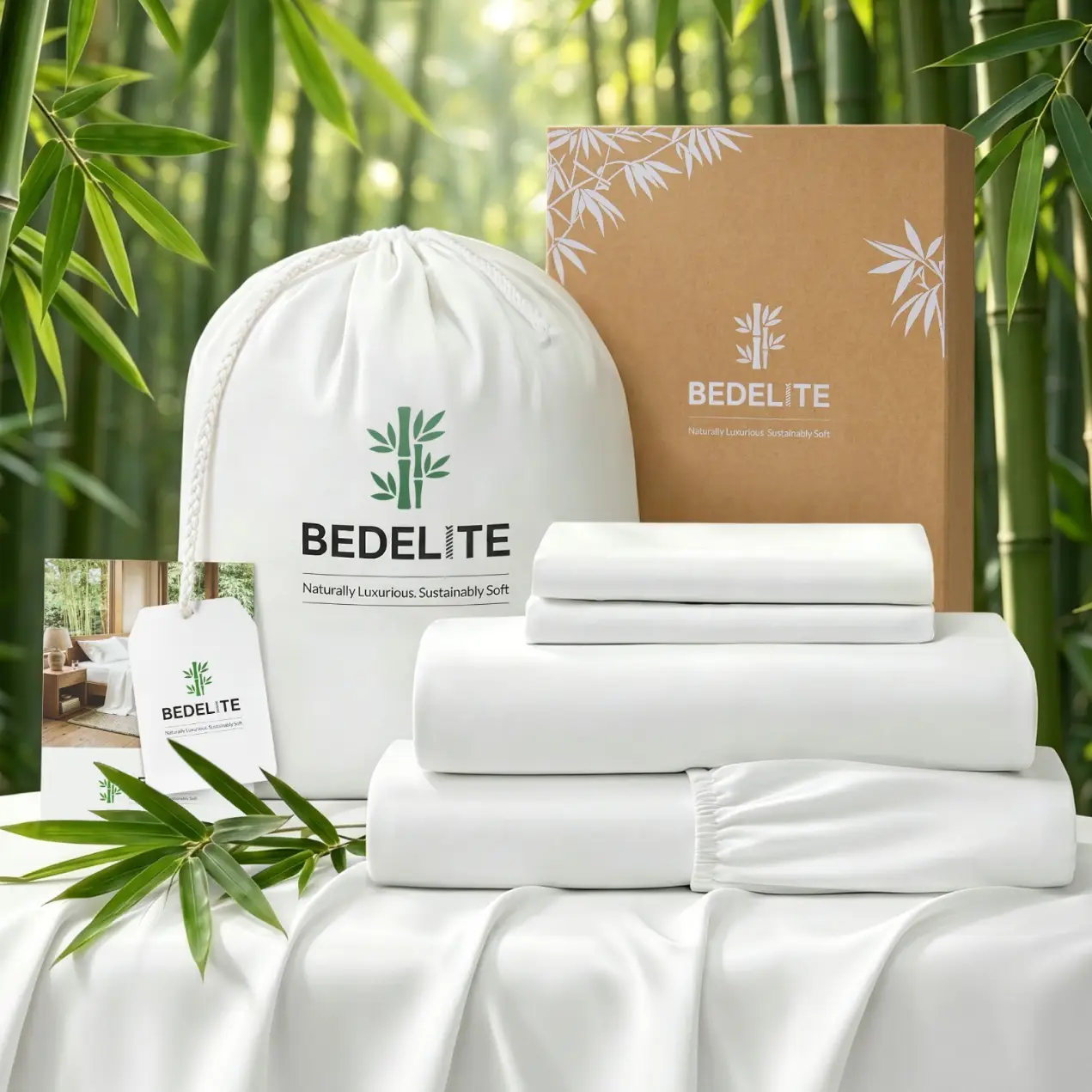
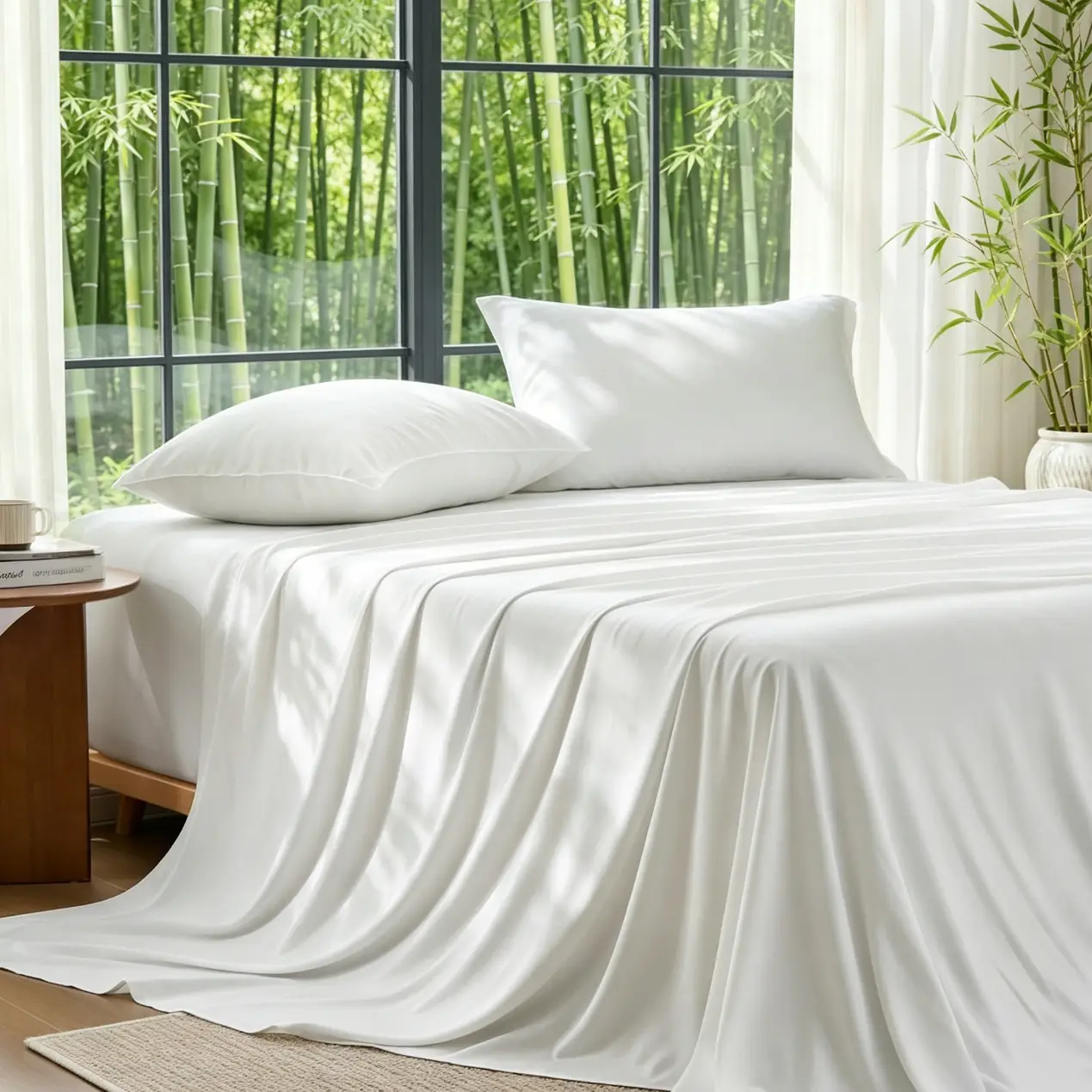
The complete bundle includes one fitted sheet, one flat sheet and two pillowcases, ready for a full bed refresh. Simple machine wash and tumble dry care makes daily use manageable. I also appreciated the packaging: the set arrives in FSC-certified wrapping alongside a reusable tote bag, a thoughtful detail for eco-focused households. It works equally well as a bedroom upgrade or a practical housewarming gift.
Factors That Impact How Well Bamboo Sheets Perform
Through testing different bamboo bedding options, I’ve found several key details that change your experience:
Fabric Composition: Blended bamboo sheets cannot match the cooling performance of 100% bamboo viscose. Many budget brands label items “bamboo sheets” but only include a small percentage of bamboo fiber. Always check product descriptions for fiber content.
Weave Type: Sateen weave creates the silky smooth finish buyers love, but low thread-count sateen will wear faster. The 300-thread-count construction in this Bedelite set balances softness and durability.
Mattress Depth: If you own a thick pillow-top mattress, shallow fitted sheet pockets are a common headache. The 18-inch deep pocket design eliminates that struggle.
Washing Habits: Harsh bleach and high-heat drying can degrade bamboo fibers over time. Gentle cycles and moderate tumble drying help preserve texture and shape long term.
For many homeowners searching for cooler bedding, pure bamboo viscose sheets are a worthwhile upgrade. Just go in with clear expectations about proper care.
Pro Tips When Shopping for Bamboo Viscose Sheets
1. Check Fiber Content and Certifications
One of my biggest shopping mistakes early on was buying sheets marked “bamboo” without reading the full material label. Photos online don’t reveal blends.
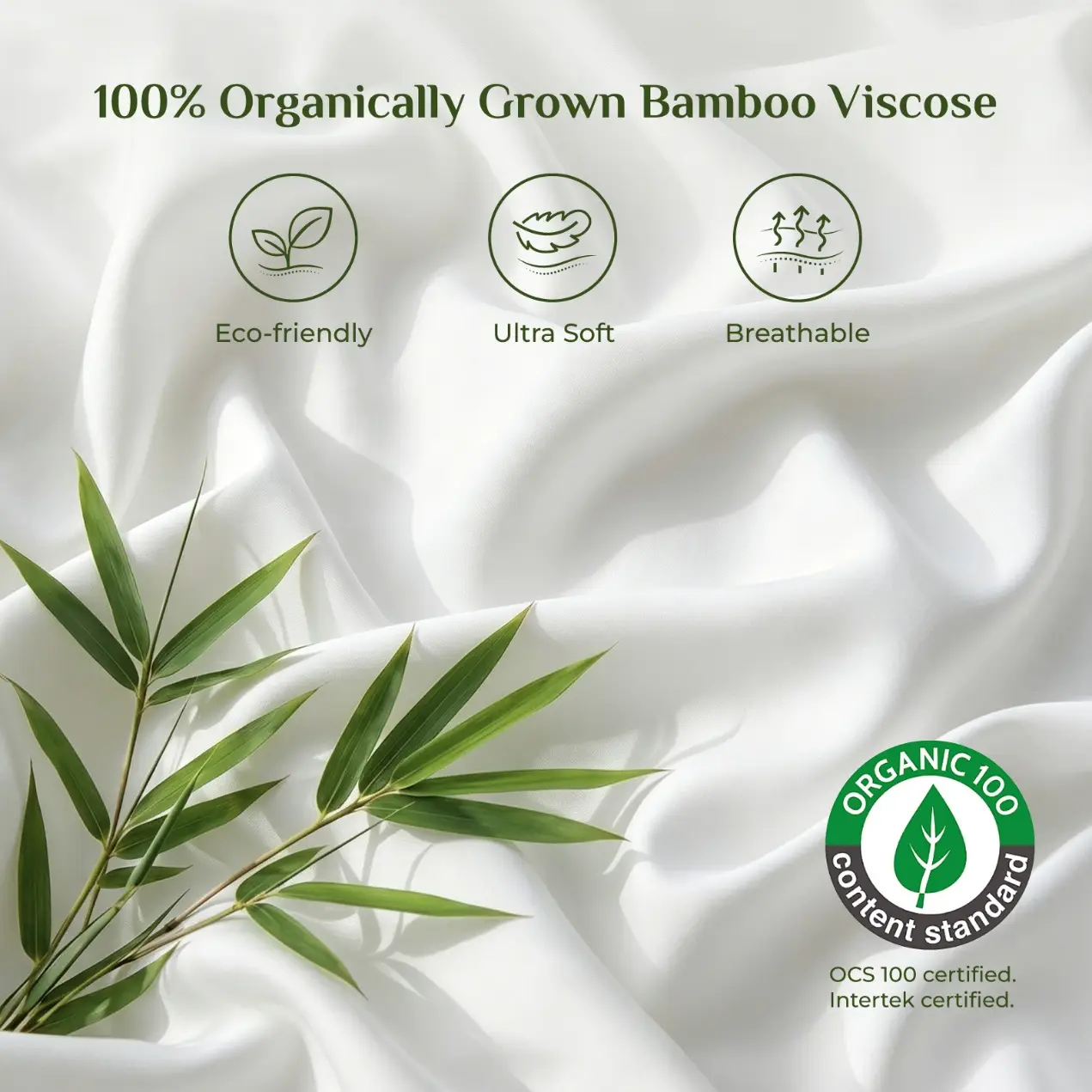
Prioritize sets that clearly state 100% bamboo viscose. Trusted certifications like OEKO-TEX, OCS and Bluesign offer proof of safe sourcing and dyeing. Avoid listings that only vaguely mention “bamboo fabric” with no supporting details.
2. Confirm Your Mattress Height
Before ordering, measure your mattress thickness. Standard pockets only fit mattresses up to 12 inches. If you have thick bedding layers, opt for sheets with 15–18 inch deep pockets, like this Bedelite option. Ill-fitted sheets will slide no matter how strong the elastic is.
3. Adjust Your Laundry Routine
Bamboo viscose responds best to gentle care. Skip high heat and harsh detergents. When you follow recommended washing instructions, the sheets stay soft and resist premature wear.
How Bedelite Compares to Other Popular Bedding Brands
I’ve tested cotton, lyocell, generic bamboo bedding and premium linen sheets across multiple bedrooms, so I can share honest comparisons.
Performance & Comfort
Standard Cotton Sheets: Affordable, widely available. But cotton traps moisture, tends to feel warm in summer, and dries slowly.
Generic Blended Bamboo Sheets: Mixed fibers lower the price, but moisture-wicking ability drops significantly. Texture often feels rough after washing.
100% Pure Tianzhu Bamboo Viscose (Bedelite): Silky, breathable, superior heat dissipation. Balances luxury feel and everyday practicality.
Price & Value
High-end linen sheets carry a steep premium. Many luxury bamboo bedding brands also push prices far higher. Bedelite positions this set as mid-range premium: higher quality than mass-market blended bedding, without designer-level pricing.
The inclusion of reinforced elastic, double stitching and certified materials adds long-term value compared to cheaper alternatives that need replacing sooner.
Alternatives If Bamboo Viscose Isn’t Right For You
While bamboo sheets work beautifully for hot sleepers, they aren’t everyone’s ideal choice.
Premium Long-Staple Cotton
If you prefer a crisp bedding texture over silky fabric, high-quality cotton remains a timeless choice. It’s extremely durable and forgiving during washing.
Linen Sheets
Linen offers exceptional breathability and develops beautiful texture over time. Keep in mind linen has a naturally rumpled look and feels stiffer when brand new.
Bamboo Lyocell
Another popular bamboo-based textile. Lyocell has slightly different environmental processing, though performance overlaps closely with premium bamboo viscose.
For my primary bedroom, I chose this Bedelite bamboo set because temperature regulation is my top priority. For guest rooms where I prefer a crisper feel, I stick with long-staple cotton. There’s no universal “best” sheet material; the choice depends on your sleep preferences.
Conclusion
If you’ve struggled with night sweats and constantly search for bedding that stays cool overnight, pure 100% Tianzhu bamboo viscose sheets deserve consideration.
The answer is yes—they deliver noticeable cooling benefits, but only if you select unblended, well-constructed options with reliable certifications. Budget blended bamboo bedding will not deliver the same results.
This new Bedelite sheet set checks many key boxes: certified organic TIANZHU fiber, strong moisture-wicking performance, deep pocket fitted sheet design, and durable construction built for repeated washing.
With careful fabric selection and basic laundry care, these sheets can transform comfort for warm sleepers.
If you want to test this bamboo viscose sheet set for your bedroom, you can shop via [https://www.amazon.com/gp/product/B0GT8Z4X5D?maas=maas_adg_78E45E4377381862451DF9B6880869B5_afap_abs&ref_=aa_maas&tag=maas&th=1] or visit Bedelite’s official website at [https://bedelite.com/s/pr_bamboo_sheet].
Have you tried bamboo sheets before? I’d love to hear your experience or answer any questions—drop them in the comments below!
Let’s build a bedroom that feels comfortable all year long.
Frequently Asked Questions
Are Bamboo Viscose Sheets Cooling for Winter as Well as Summer?
They work year-round. The fiber transfers excess heat when you’re warm, and retains gentle warmth when temperatures drop, making them versatile across seasons.
Does 100% Bamboo Viscose Wrinkle Easily?
All natural fabrics wrinkle to some degree. The 300 sateen weave minimizes wrinkling compared to lightweight twill bamboo sheets. Removing promptly from the dryer reduces creases.
How Long Can I Expect These Bamboo Sheets to Last?
With proper gentle washing, consistent care and avoiding high heat drying, a quality pure bamboo viscose set like this can stay in good condition for multiple years. Blended alternatives tend to degrade faster.
Is Bedelite an Established Home Textile Brand?
Bedelite focuses on creating practical, premium bedding for modern households. The brand develops sheets, pillowcases and blankets, with consistent attention to fabric safety, sustainable packaging and user-focused design solutions for common bedding pain points.