Kiln-Dried Wood: A Simple Guide for Smarter Buying
If you’ve ever worked with wood that warped or cracked after a few weeks, I get how frustrating that can be.
The truth is, not all wood is ready to use straight from the sawmill. That’s why I wrote this guide: to help you understand kiln-dried wood and why it matters for your projects.
You’ll learn how it’s made, how it compares to other types, where it works best, and what to check before you buy.
By the end, you’ll feel more confident choosing the right wood and avoiding the kind that gives you problems later.
Understanding Kiln-Dried Wood
Learn how kiln-dried wood differs from other forms of lumber. This section breaks down the basics and highlights how it compares to air-dried and green alternatives in use and quality.
Basic Definition
Kiln-dried wood is lumber that has been processed in a controlled chamber using heat and airflow to reduce its internal moisture content. This results in more consistent material suitable for various uses.
This helps make the wood more stable and easier to work with.
By removing moisture efficiently, it also prevents issues such as swelling, shrinkage, or decay. This type of wood is often used in building, furniture making, and flooring due to its improved reliability.
Kiln Drying vs. Air Drying vs. Green Lumber
These three forms of lumber differ in their preparation methods. Green lumber is fresh and untreated.
Air-dried wood relies on natural airflow, while kiln-dried wood is processed in a heated chamber. Each method affects moisture level, workability, and longevity.
|
Type |
Method |
Pros |
Cons |
Common Uses |
|
Green Lumber |
Fresh cut, no drying |
Readily available, low-cost |
Prone to warping, decay, and pests |
Temporary construction |
|
Air-Dried Lumber |
Open-air exposure |
Low cost, no energy required |
Takes months, less moisture control |
Outdoor furniture, fencing |
|
Kiln-Dried Lumber |
Controlled heat |
Stable, faster drying, pest-resistant |
Higher cost, risk of |
Furniture, flooring, cabinets |
How the Kiln Drying Process Works
This section explains how lumber is dried in a controlled setting to reduce moisture. Learn about kilns, drying steps, and the importance of moisture balance in producing usable wood.
What is a Wood Kiln?
A wood kiln is a heated chamber used to dry lumber. It controls airflow, temperature, and humidity to dry wood faster and more evenly than natural methods.
Common types include conventional kilns (which use steam or hot water coils), dehumidification kilns (which recycle heat for efficiency), and vacuum kilns (which operate at low pressure, allowing drying at lower temperatures, ideal for thicker pieces).
Kiln Drying Process Breakdown
Step 1: Lay down long spacers (e.g., 2.5″x4′) to lift and level the stack. Use a straightedge to ensure all spacers align on the same plane.
Step 2: Place your thickest boards (like 2.5″ slabs) as the bottom layer to create a stable foundation that resists warping.
Step 3: Use 1″x1″ stickers for airflow, aligned directly above the base spacers to maintain even weight distribution and stack structure.
Step 4: Add horizontal spacers between heavy stack sections so machinery can lift them safely without unstacking by hand later.
Step 5: Keep boards of similar thickness together. Place thick boards at the bottom and align the log’s pith to reduce splitting.
Step 6: Protect the stack from the sun with tarps or house wrap. This slows drying to avoid surface cracks and produces better lumber.
Step 7: Place rocks or other heavy items on top to prevent bowing or lifting during drying, keeping your stack compressed and flat.
Want to see the whole process in action? Watch this step-by-step video walkthrough for clear, practical guidance.
Moisture Content & EMC Explained
Equilibrium Moisture Content (EMC) is the point where the moisture in wood balances with its surroundings. Kiln drying targets this level to help wood remain stable once in use.
If wood is too wet or too dry for its environment, it may shrink, swell, or crack. Maintaining EMC helps reduce these risks, especially in indoor spaces where temperature and humidity levels often fluctuate.
This makes EMC critical to product longevity.
Common Uses for Kiln-Dried Wood
Kiln-dried wood is selected for many practical applications due to its reduced moisture content, which helps improve its durability, performance, and suitability across residential, commercial, and industrial needs.
Furniture & Cabinetry

Kiln-dried wood is widely used for making tables, chairs, cabinets, and shelving because of its stability and reduced risk of distortion.
The low moisture content helps preserve the shape and strength of joined pieces, making assembly more reliable. Since the lumber remains consistent in size, it is easier to cut and fasten during construction.
This reliability is essential for furniture that must endure regular use without warping or separating at joints over time.
Flooring & Paneling

This type of lumber is ideal for indoor floors and wall panels, where even small shifts in moisture can lead to movement. Kiln drying minimizes the chances of issues like buckling, gaps, or surface defects once installed.
Its consistent shape and reduced moisture levels make it suitable for precision-cut flooring systems, tongue-and-groove boards, or decorative paneling.
Proper drying also reduces adhesive failures and enhances long-term structural performance in rooms where climate control is common.
Outdoor Projects

Kiln-dried wood can be used outdoors if properly sealed. It’s suitable for fences, pergolas, and trim work where a smooth, dry material is preferred. It must be sealed to prevent moisture problems.
Firewood & BBQ Applications
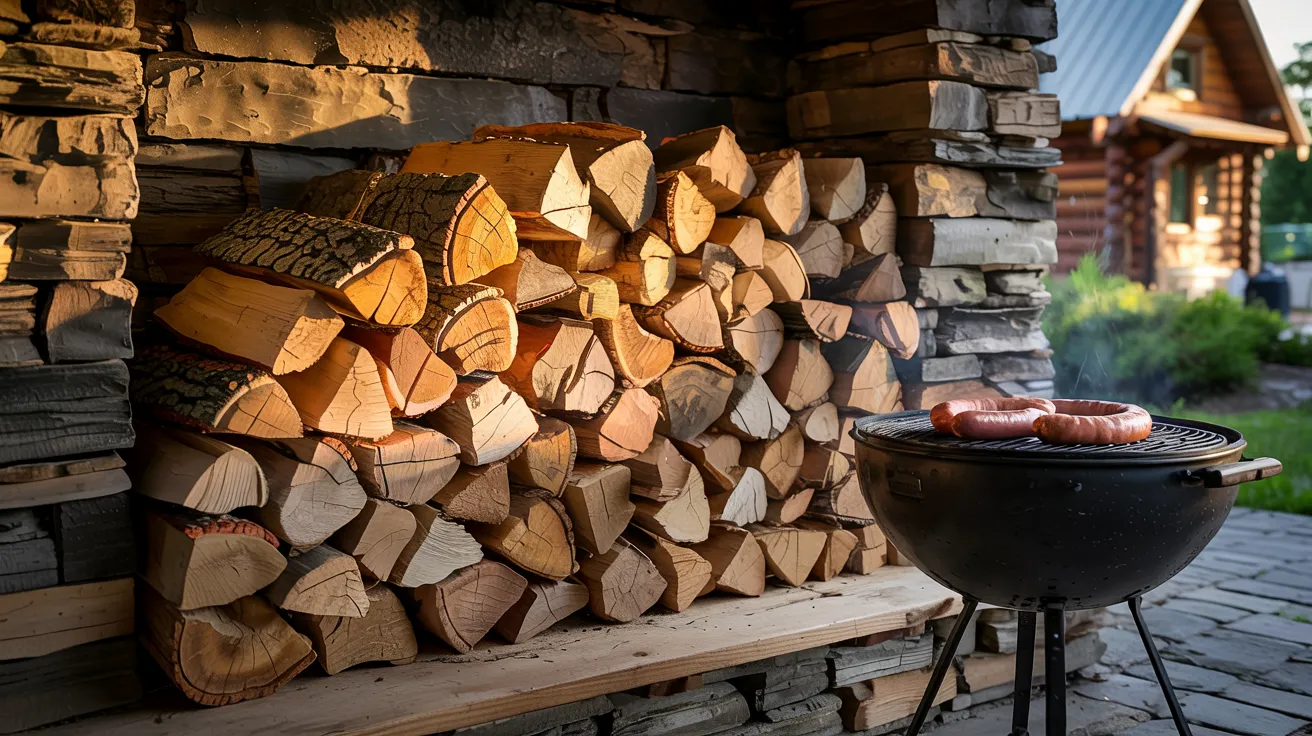
Kiln-dried firewood burns cleaner and more efficiently than wood that hasn’t been properly dried. The low moisture level allows it to ignite faster, produce more heat, and create less smoke.
For cooking or grilling, it is preferred because it generates fewer sparks and burns evenly, making it popular for wood-fired ovens, fire pits, or smokers. The heating process also helps eliminate pests, making it safer for indoor storage before use.
How to Identify Kiln-Dried Wood
Knowing how to identify kiln-dried wood helps ensure you select the right material. This section outlines key signs, tools, and labeling methods used by suppliers and retailers.
Visual Signs
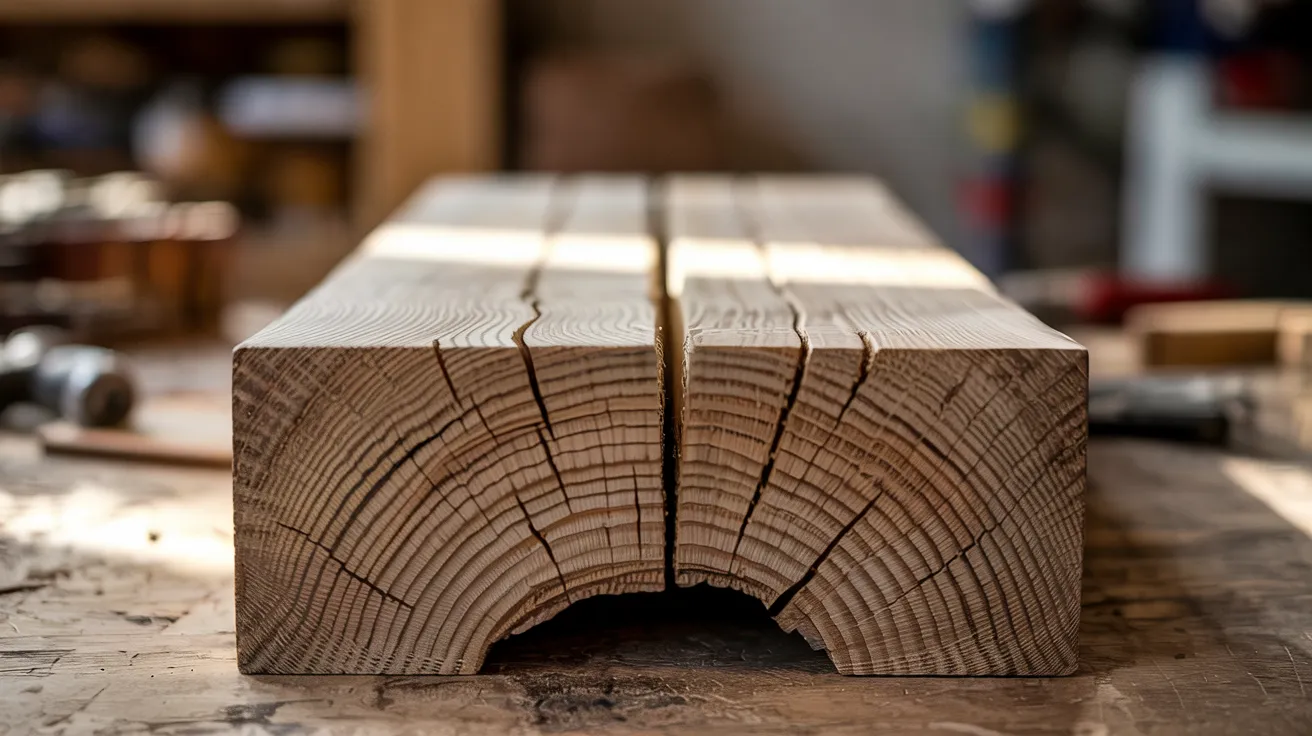
Kiln-dried wood typically has a clean and uniform appearance. The ends may be slightly darker or sealed with wax to reduce checking. Cracks are usually minimal and limited to the surface.
The grain tends to appear tighter and more consistent due to controlled drying. You may also notice a lack of insect damage or visible mold.
While these signs can indicate drying, they are not always conclusive without further testing or confirmation.
Using a Moisture Meter

A moisture meter provides one of the most reliable ways to verify if lumber has been kiln-dried. Readings for properly dried hardwoods typically range between 6% and 8%, depending on the climate.
Pinless meters are preferred for finished surfaces, as they don’t leave marks. Regular checks before purchase or project use can help prevent issues caused by excess moisture, such as warping or joint failure. For bulk orders, testing multiple boards is recommended.
Labeling at Lumber Yards

Most professional lumber suppliers label kiln-dried stock with terms like “KD,” “KDHT” (kiln-dried, heat-treated), or include moisture range tags. These labels may appear on stack ends, wrap covers, or shelf tags.
Staff at the yard should also be able to confirm the drying process used and provide moisture specifications. Keep in mind that some wood may be dried and then reabsorb moisture if not stored correctly, so labeling should be verified with the condition.
Buying Guide
Selecting kiln-dried wood requires more than just checking a label. This section outlines what to ask, how to evaluate grade and moisture levels, and what signs may suggest improper drying.
What to Ask Your Supplier
Ask for the moisture content range, drying method used, and how the wood was stored after processing.
Confirm whether the wood was dried to suit indoor or outdoor use. Also, check if it meets local or industry standards for furniture, flooring, or structural applications.
Reputable suppliers should offer clear answers and may provide documentation or use meters to confirm dryness on the spot before purchase.
Choosing the Right Grade & Moisture Level
Select a grade that matches your project’s visual and structural needs. Higher grades have fewer knots and defects, making them ideal for furniture or cabinetry.
For indoor use, moisture content should typically fall between 6% and 8%. For outdoor use, slightly higher levels may be acceptable, especially if sealing or treatment is planned.
Always match the moisture level to the environment where the wood will be installed or used.
Be Cautious: Kiln-Dried Wood Can Regain Moisture
Just because lumber is labeled as kiln-dried doesn’t guarantee it’s currently dry. Wood can absorb moisture again if exposed to damp conditions during transport or storage.
Always use a moisture meter before working with it. Watch for signs of swelling, cupping, or surface mold, which could indicate reabsorption.
If possible, allow the wood to adjust to your workshop’s climate for a few days before use to reduce performance issues.
Sustainability & Efficiency in Kiln Drying
Kiln drying can impact energy use and resource management. Here are the key factors that influence its environmental and operational efficiency:
- Some modern kilns use heat recovery systems to reduce energy waste.
- Solar-powered kilns offer a low-energy alternative in suitable climates.
- Efficient scheduling helps minimize unnecessary heating cycles.
- Using sustainably harvested timber supports long-term forest conservation.
- Proper insulation in kilns reduces overall heat loss during operation.
Conclusion
Now that you’ve gone through the guide, you know what to expect from kiln-dried wood and how to make it work for you.
It’s more stable, easier to build with, and helps you avoid moisture issues in the long run.
I’ve shown you what to ask for, how to test it, and what signs to look out for. Just remember to let the wood adjust to your space before getting started.
If you’re curious about more ways to improve your results, check out my other posts; they’re packed with tips to help you make smarter choices.