Is Quartz Better Than Granite? Key Differences Explained
Choosing the right countertop can feel confusing. Many homeowners struggle to balance looks, cost, and daily use.
If you are wondering whether quartz is better than granite, the answer depends on how you use your kitchen. One option is easier to maintain, while the other handles heat and heavy cooking better.
A smart choice can save time, effort, and money over the years. Here, you will learn the key differences, pros and cons, and how to choose the right one for your kitchen.
Is Quartz Better Than Granite?
Before deciding which is better, you should know what each material actually is.
Quartz is a natural mineral found in the earth. For countertops, crushed quartz crystals are mixed with resin, pigments, and other binders. This makes it an engineered stone, manufactured under controlled conditions for a uniform, consistent surface.
Granite is a natural igneous rock formed when molten rock cools deep underground. Each slab is quarried, cut, and polished exactly as nature made it. No two pieces look the same.
Here is why this matters for your decision:
Because quartz is engineered, it can be made non-porous, color-consistent, and low-maintenance by design. Granite gets its strength from how it formed, dense, heat-resistant, and completely natural with no added chemicals.
So is quartz better than granite? That depends entirely on what “better” means for your kitchen. One is built for convenience. The other is built by nature.
Quartz vs. Granite: Key Differences that Matter
Choosing between quartz and granite can affect how your kitchen looks and functions day to day.
Here is a clear breakdown of the key differences to help you decide what suits your needs best..
1. Durability for Daily Use
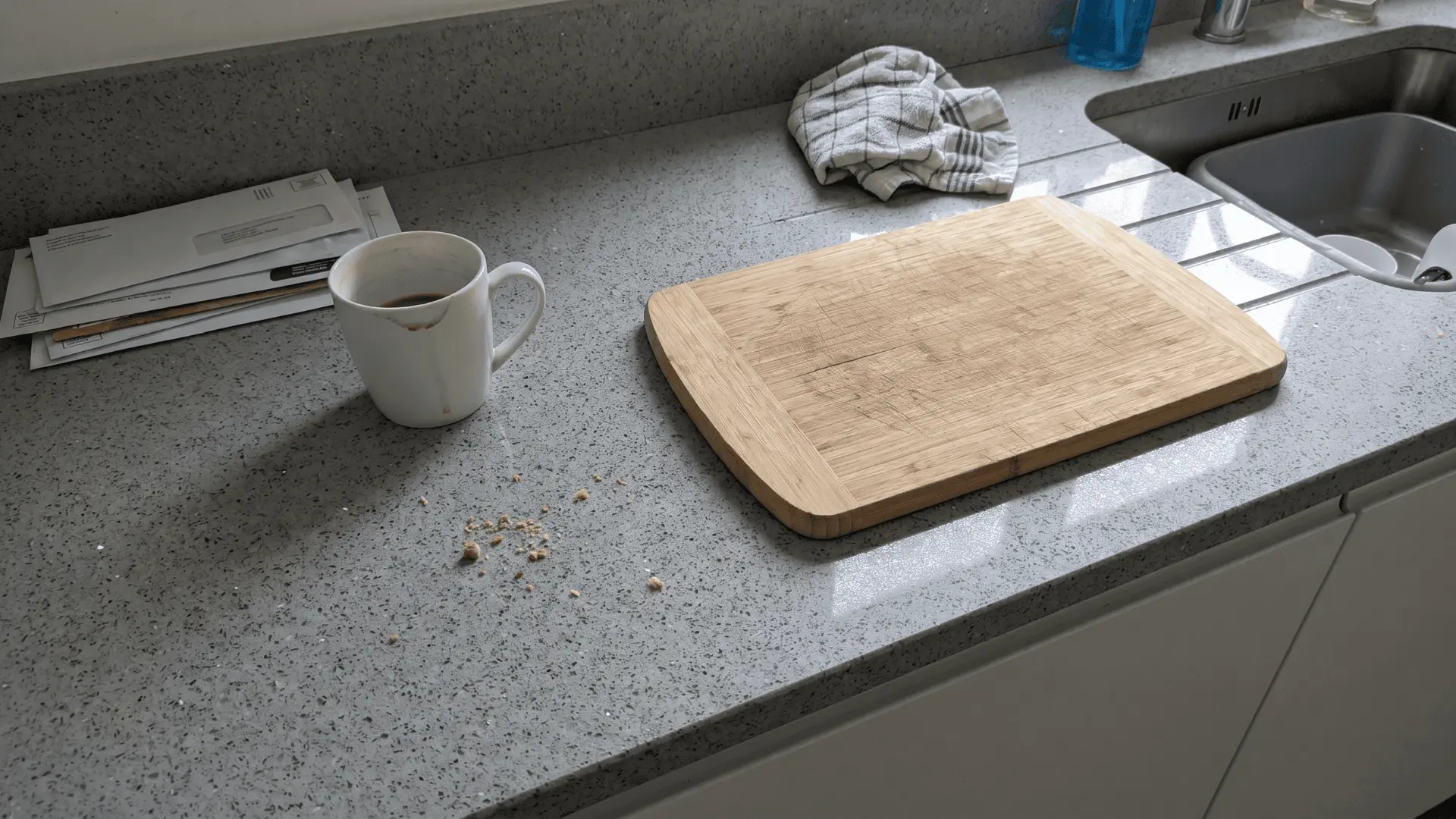
Both materials are built to last, but they handle stress differently. Quartz offers uniform strength across its entire surface, making it great for daily prep and cutting, but its edges are more prone to chipping under heavy impact.
Granite’s denser natural structure gives it a slight edge in impact resistance, enabling it to withstand heavy use and rough conditions more reliably over time.
For heavy cooking and frequent impact, granite is the tougher choice. For everyday strength and surface consistency, quartz holds its own just as well.
2. Performance Under High Heat and Hot Cookware
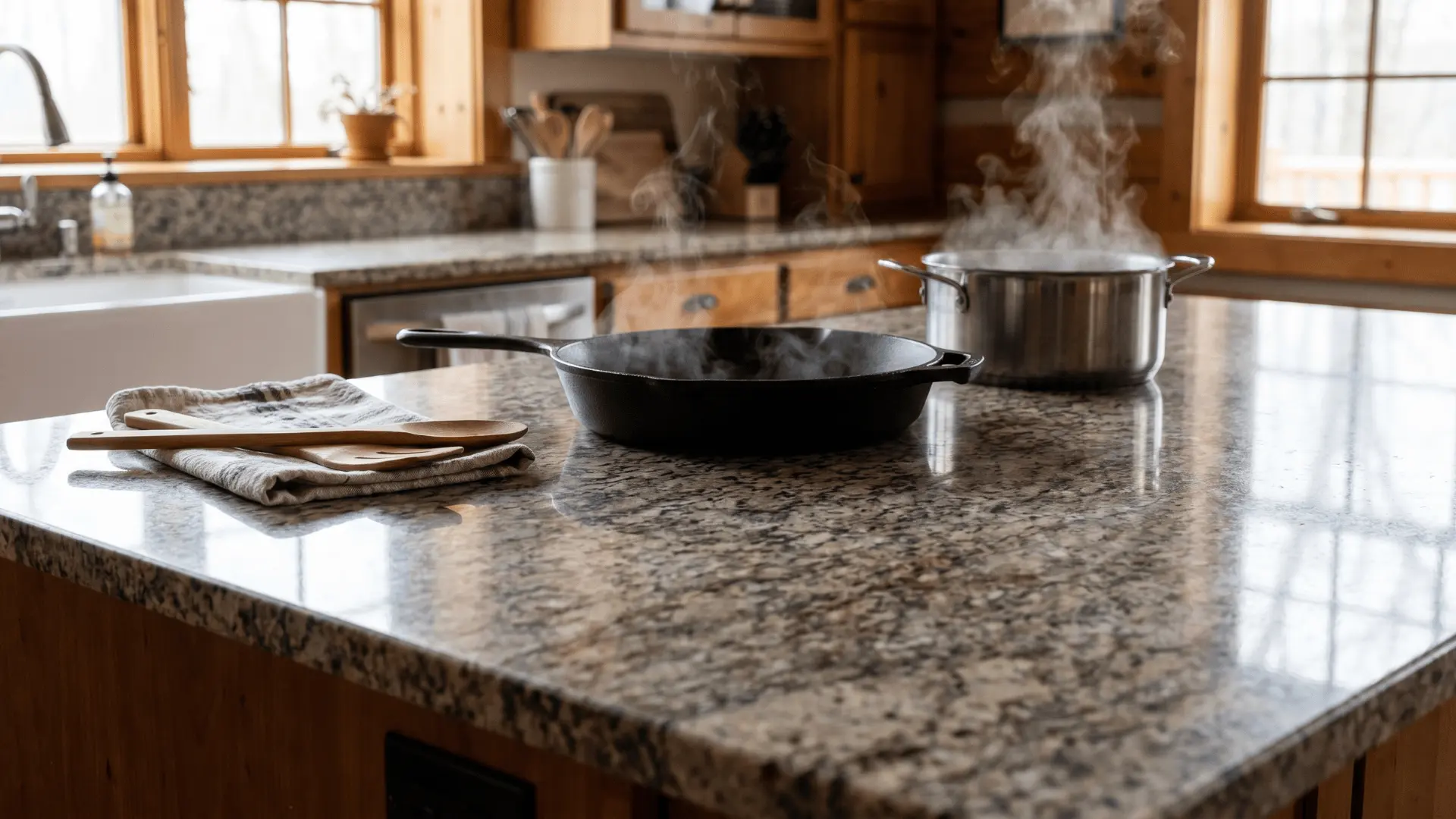
When it comes to heat, granite wins without question. Quartz contains resin binders that cannot handle high temperatures. Place a hot pot directly on it, and you risk warping, discoloration, or permanent marks.
Granite forms naturally under extreme heat, which means hot cookware placed directly on the surface causes zero damage.
If you cook frequently, choose granite. It handles heat effortlessly while quartz simply cannot.
3. Resistance to Stains, Spills, and Bacteria
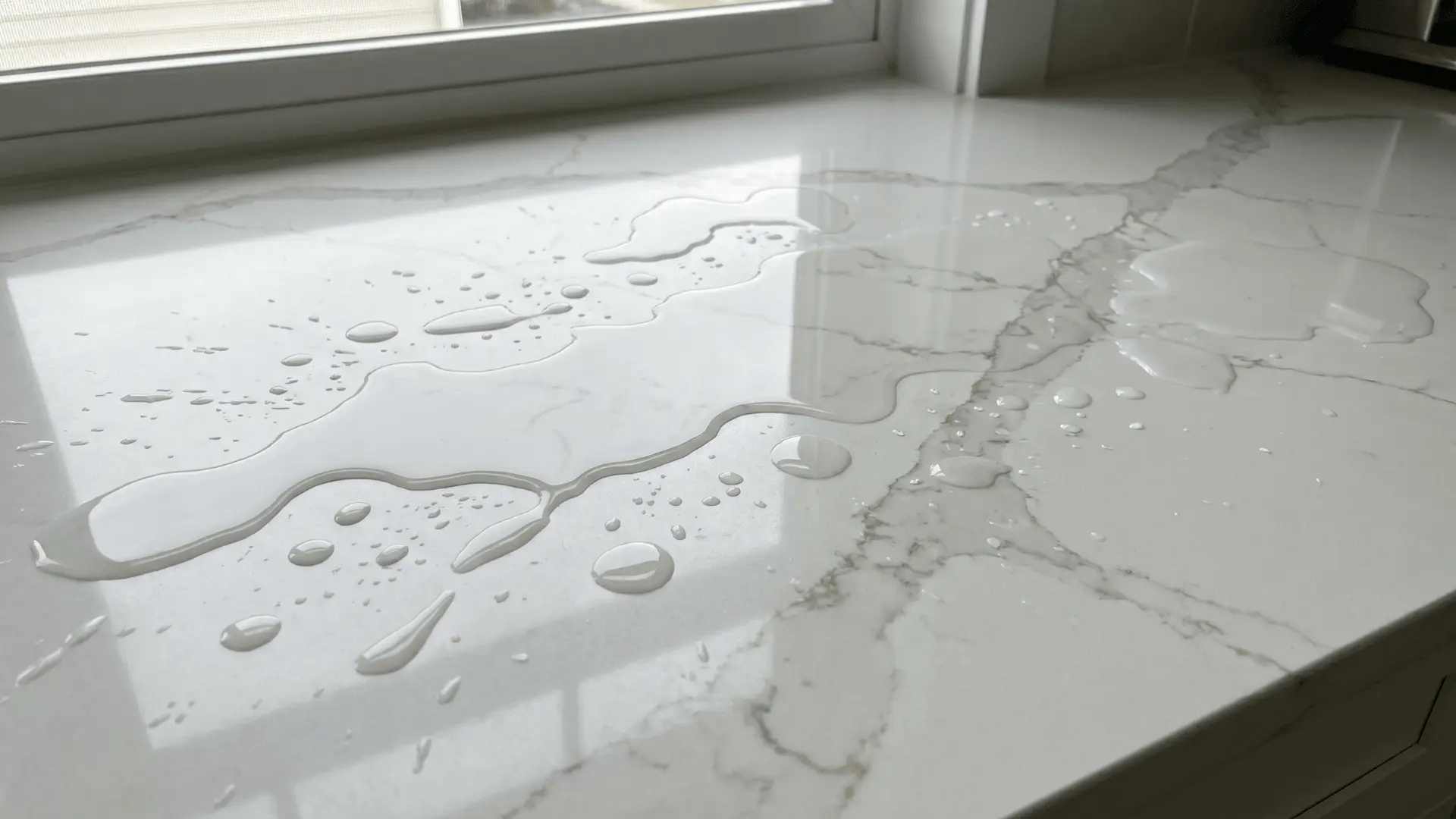
For busy kitchens, what your countertop absorbs matters just as much as how it looks.
Quartz is non-porous, meaning it never absorbs liquids, oils, or bacteria, making it highly stain-resistant and effortless to keep clean without any extra protection.
Granite is naturally porous and can absorb spills if not sealed properly, increasing the risk of stains and bacterial buildup over time. Sealing helps, but it requires consistent upkeep to stay effective.
For busy kitchens where spills are common, quartz is the clear winner; it offers better reliability, stronger hygiene, and far less maintenance than granite.
4. Overall Look, Design Consistency, and Visual Appeal
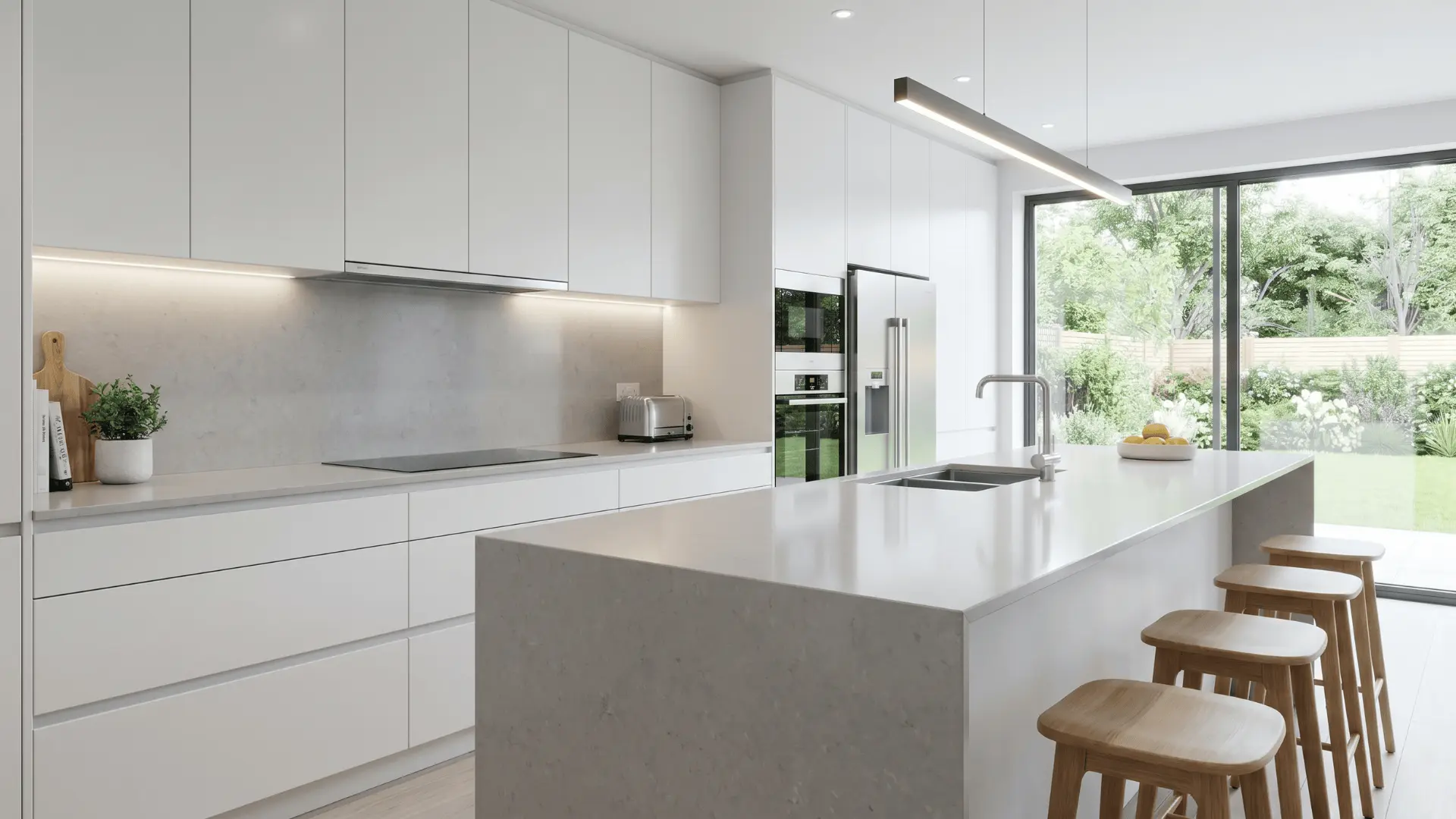
Quartz provides a consistent, controlled look with uniform colors and patterns across slabs. This makes it a popular choice for modern and clean kitchen designs.
Granite offers natural variation, with each slab having unique patterns, textures, and colors. No two granite countertops look the same, which adds a natural feel to the space.
The choice depends on whether you prefer a uniform finish or a more natural, varied appearance.
5. Material Composition
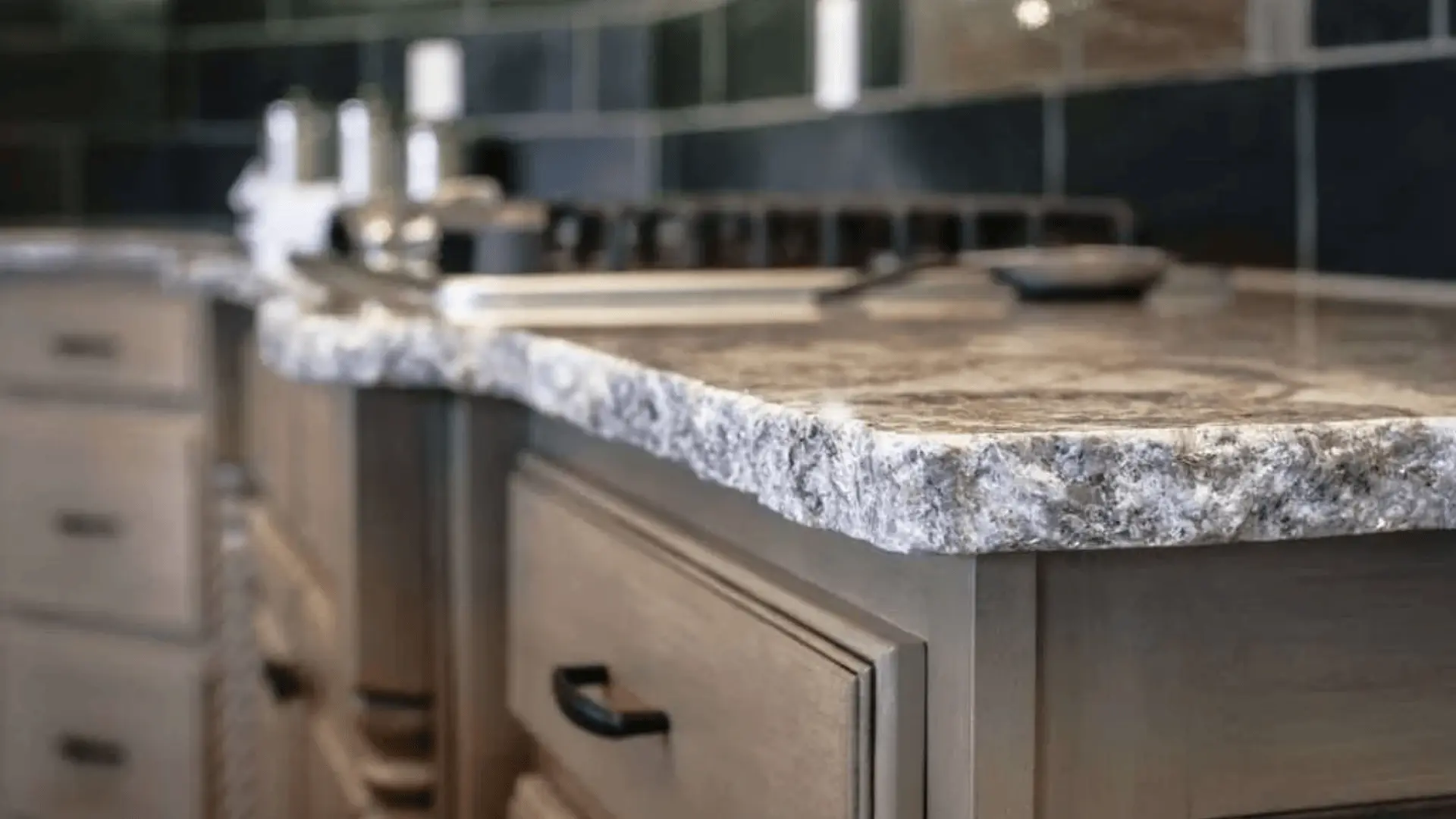
Quartz is an engineered stone made by combining crushed quartz with resin and pigments. This process creates a strong, uniform surface with no weak spots.
Granite is a natural stone that is quarried from the earth and cut into slabs. It contains no added chemicals and retains its natural structure.
Quartz offers consistency and controlled performance, while granite provides natural strength and authenticity.
6. Surface Feel, Texture, and Finish Options
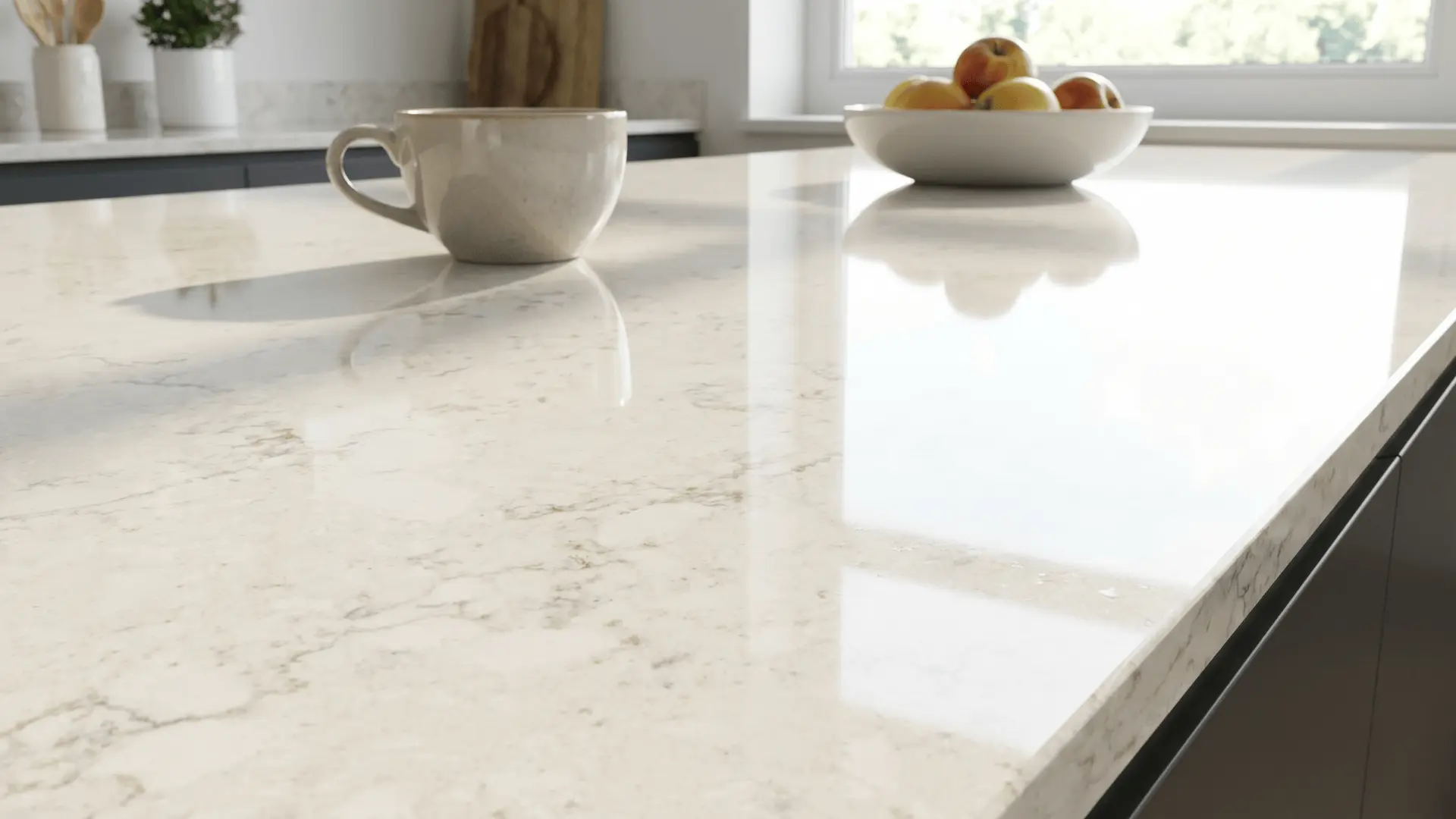
The feel and finish of your countertop matter more than most buyers realize. Quartz offers a smooth, consistent surface with finishes ranging from glossy to matte, sleek and uniform, and is perfectly suited for modern kitchen designs.
Granite has a naturally textured feel with visible crystals and stone layers that give it real depth and character, a finish no engineered material can truly replicate.
So which is better? If your kitchen leans modern and minimal, quartz is the cleaner choice. If you want natural warmth and texture, granite wins every time.
7. Understanding Quality Grades and Choosing the Right One
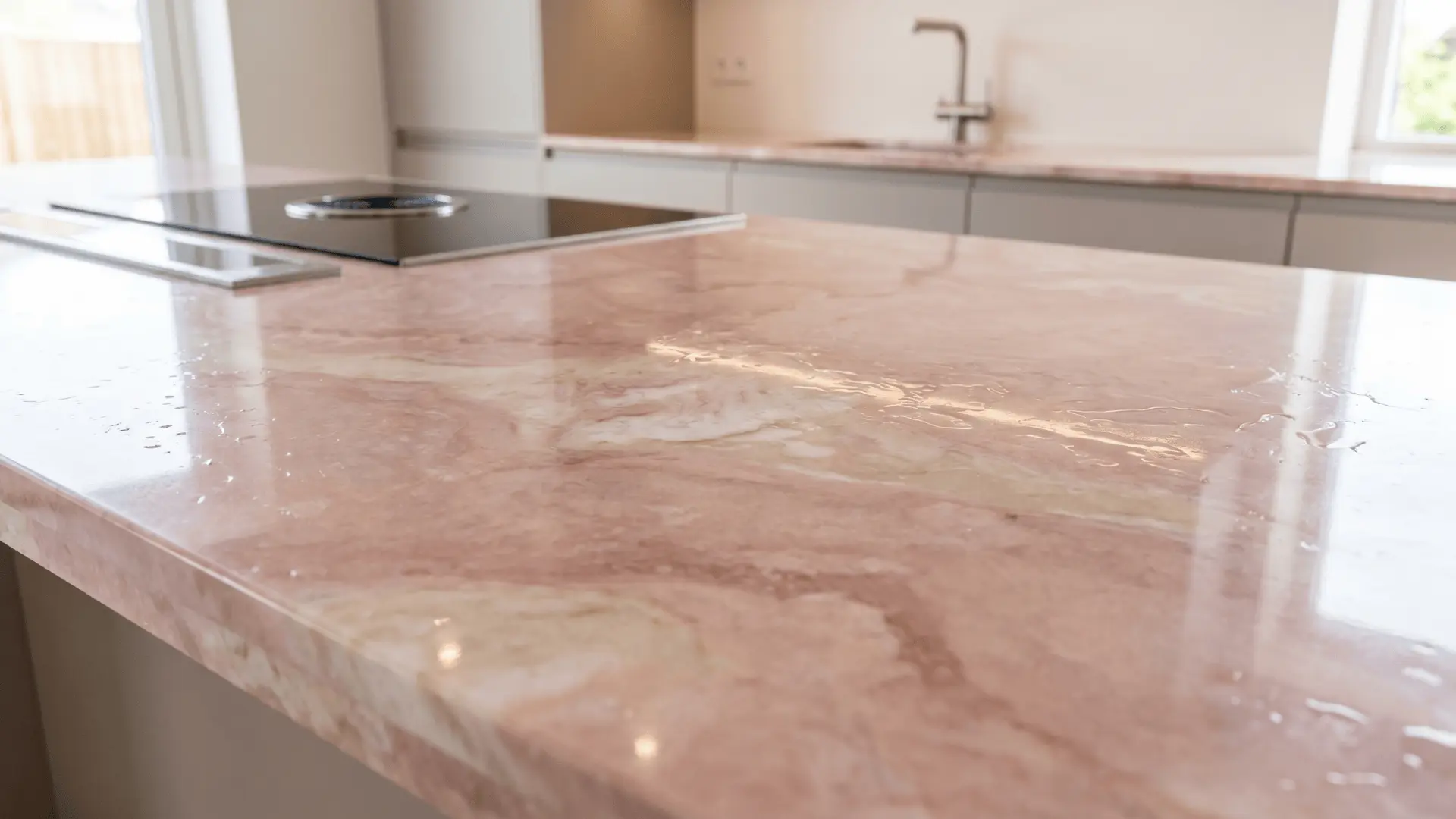
Not all countertops are created equal, and pricing varies based on quality, design, and installation.
Both materials come in entry-level, mid-grade, and premium options. Entry-level slabs tend to have simpler patterns and thinner profiles. Mid and high-grade slabs offer better visual depth, stronger finish quality, and longer wear. For a full cost breakdown, see the section below.
For home kitchens, avoid entry-level grades and choose mid to high-quality slabs whenever possible, as they offer better durability, appearance, and long-term value.
8. Upfront Cost vs. Long-Term Value and Maintenance

On price alone, granite has the edge, but the full cost picture tells a different story.
Granite typically costs $40 to $100 per sq ft, making it more affordable upfront. Quartz runs slightly higher at $50 to $120 per sq ft due to its engineered manufacturing process.
However, granite requires annual sealing, stone-specific cleaners, and occasional professional maintenance, all of which add up over time. Quartz needs none of that, keeping long-term costs significantly lower.
Granite wins upfront, but quartz wins over time. Choose granite for a tighter budget today, choose quartz if you are thinking long term.
9. Environmental Impact and Material Sourcing

Quartz is often produced locally, which can lower transport-related impact. However, it contains synthetic resins, which affect its environmental profile.
Granite is a natural stone with no chemical additives, but it is usually imported, which increases transportation impact.
Both materials have trade-offs, so the better choice depends on what matters more to you.
10. Countertop Performance in Everyday Kitchen Accidents
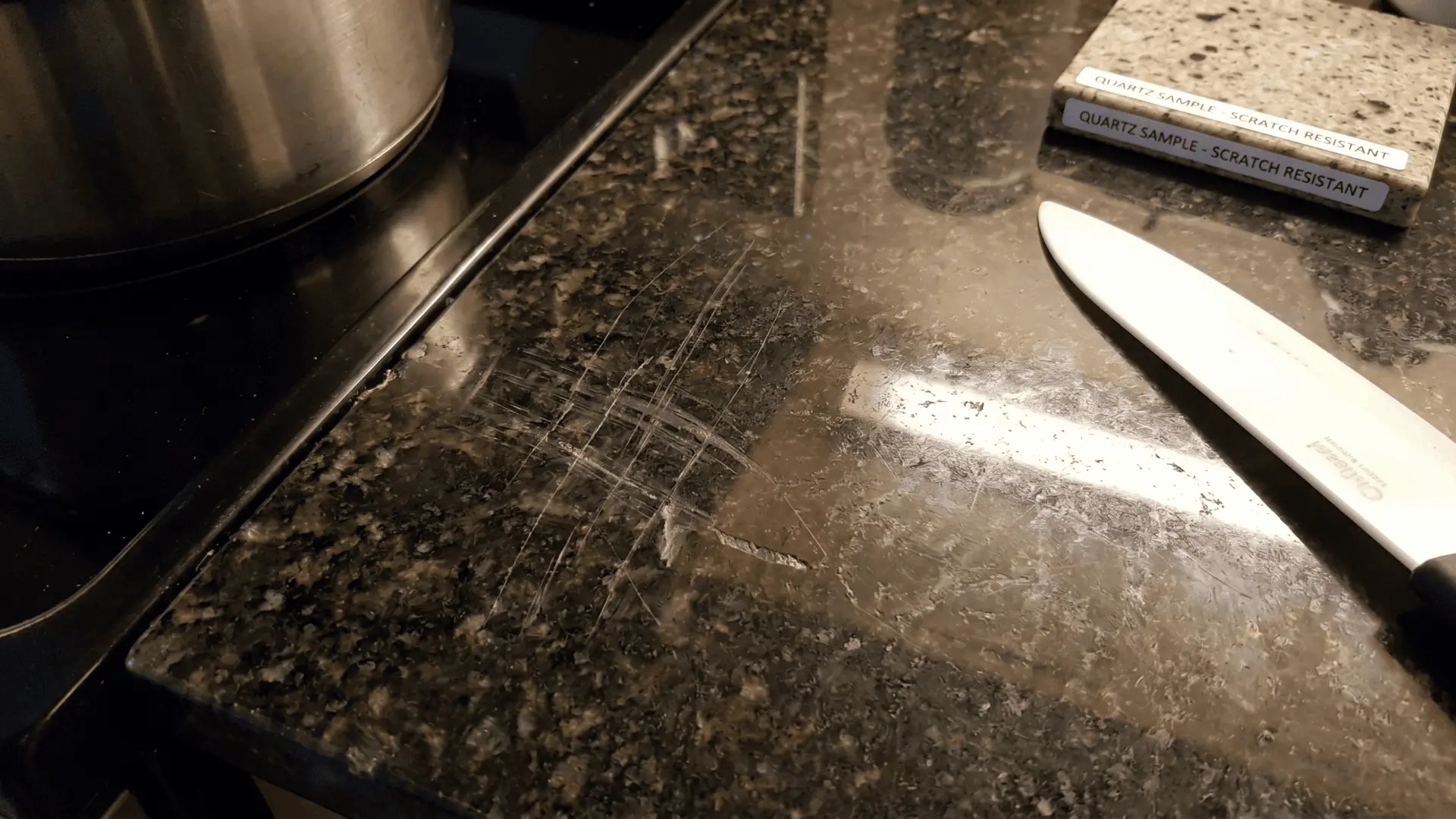
Granite is the tougher material; its natural density withstands rough use, impacts, and heavy handling better than quartz, which is more vulnerable to heat and edge damage due to its resin bonding.
However, granite is more prone to visible surface scratches, especially with regular knife use, whereas quartz resists scratches better due to its engineered composition.
That said, both can break. Granite chips near unsupported edges under heavy impact, while quartz can crack under sudden temperature changes or extreme force at its edges and corners.
For accident-prone kitchens, granite is the safer choice, but proper installation and careful handling are essential for both.
Common Mistakes When Choosing Between Quartz and Granite
Many buyers make avoidable mistakes that lead to regret later.
- Choosing Only on Looks: Ignoring performance can lead to regret later.
- Ignoring Maintenance: Overlooking upkeep can increase time and cost.
- Not Considering Heat: High heat can damage surfaces, especially quartz.
- Assuming They’re the Same: Quartz and granite differ in durability, care, and heat resistance.
A better decision comes from focusing on how you will use the kitchen every day.
Simple Maintenance Tips for Quartz and Granite Countertops
Knowing what your countertop needs is key to keeping it looking great and lasting longer. Here is everything side by side.
| Care Area | Quartz | Granite |
|---|---|---|
| Daily Cleaning | Damp cloth with mild soap, then dry | Warm soapy water, blot spills, then dry well |
| Stain Removal | Isopropyl alcohol, scrub gently, rinse, and dry | Blot instantly, use granite-safe poultice for dried stains |
| Heat Protection | Always use trivets; never place hot items directly | Use trivets and avoid sudden temperature changes |
| Scratch Prevention | Use a cutting board, and felt pads under appliances | Use a cutting board and mats under heavy appliances |
| Products to Use | Standard mild household cleaners | Granite-specific stone-safe cleaners only |
| Products to Avoid | Bleach, acidic cleaners, steel wool, solvents | Bleach, ammonia, vinegar, abrasive scrubbing pads |
| Sealing | Never needed | Once a year, with granite-specific sealant |
| Long-Term Care | Check edges for chips, limit sun exposure | Reseal every 1 to 2 years, re-polish professionally |
Quartz is the easier material to maintain with zero sealing and simple cleaning, while granite requires consistent care with lasting natural beauty. Choose the one that fits your lifestyle.
Quartz or Granite for Resale Value
Both materials can add value to your home, but buyer preference can vary depending on the market and design trends.
Quartz is Preferred for Low Maintenance: Modern buyers love quartz for its no-seal, easy-clean surface and consistent polished look.
Granite is liked for Its Natural Look: Buyers seeking luxury favor it for its unique patterns and timeless appeal.
In the end, neutral design and overall durability matter more than the material itself. Choose wisely, and either option can boost your home’s resale value.
Quartz vs. Granite for Bathroom Countertops
Both materials work well in bathrooms, but each has a clear edge depending on how the space is used.
Quartz is the stronger pick for most bathrooms. Its non-porous surface resists moisture, soap scum, and everyday bathroom products without any sealing needed. It also comes in a wide range of colors and finishes, making it easy to match any vanity or tile design.
Granite works well too, but it needs consistent sealing to prevent water absorption and staining around the sink area. Sealed properly, it holds up and adds a natural, upscale look to the space.
For moisture-heavy bathrooms, quartz is the lower-maintenance choice. For a bold, one-of-a-kind vanity look, granite is hard to beat.
Final Thoughts
When comparing quartz vs granite, both materials offer strong benefits, but the right choice depends on how you use your kitchen.
Quartz works best for low maintenance, stain resistance, and a clean, consistent look. It is a smart pick for busy households and modern designs.
Granite is the better option for heat resistance, natural strength, and a timeless, one-of-a-kind appearance. If you cook heavily or love natural stone, it delivers.
There is no single winner. Your lifestyle, cooking habits, and how much upkeep you are willing to manage matter most. Choose the material that fits your daily routine, and it will serve you well for years to come.
Frequently Asked Questions
Which Countertop is Best for a Modular Kitchen?
The best choice depends on budget, usage, and style preferences. Granite and quartz offer durability, while laminate and solid surface are more affordable.
Is Granite Better than Quartz for the Kitchen?
Both are strong options, with granite offering natural durability and quartz offering low maintenance.
The right choice depends on budget, upkeep, and cooking habits.
Does Quartz Scratch Easier Than Granite?
Quartz is slightly more prone to scratches than granite due to its resin content. However, it is still durable and safe with basic care, like using cutting boards.
Does Quartz Stain More Than Granite?
Quartz is more stain-resistant because it is non-porous. Granite can stain if not sealed, but both perform well with quick cleaning.