Hunter Green vs Olive, Emerald, Forest: Key Differences
Have you ever compared shades of green and felt unsure which one fits best? I’ve had the same question while looking at paint samples, clothing, and decor.
At first, greens like Hunter Green, Olive, Emerald, and Forest might seem alike, but once you look closer, the differences stand out.
In this post, I’ll walk you through Hunter Green vs Olive, Emerald, and Forest so you can see what sets them apart.
You’ll learn how their undertones shift the mood, where each one works best, and why choosing the right green makes such a difference.
By the end, you’ll feel more confident about picking the shade that fits your project or style.
Why Knowing the Difference Matters?
Greens may all seem versatile, but using them without care can create a palette that feels off-balance.
For example, pairing a deep Hunter Green with a bright Emerald can clash instead of complementing.
Knowing the undertones and character of each shade helps you avoid mismatched palettes in design, fashion, or decor.
Color history also has surprising twists, such as the story of Scheele’s Green, a once-popular but toxic pigment that illustrates how innovation in green pigments hasn’t always been safe.
Understanding the differences also makes choices easier. When selecting paint, planning an outfit, or designing a logo, the right shade instantly sets the tone.
Olive brings warmth, Emerald adds energy, Forest offers calm, and Hunter delivers balance.
In short, knowing these differences ensures harmony and gives you more control over the mood you want to create.
Comparing Hunter Green, Olive, Emerald, and Forest
Hunter Green has long been seen as a versatile shade, but to really understand it, it helps to compare it against other well-known greens.
Olive, Emerald, and Forest each bring something different to design, fashion, and branding. Tone, undertones, and depth are the main factors that separate them.
Hunter Green
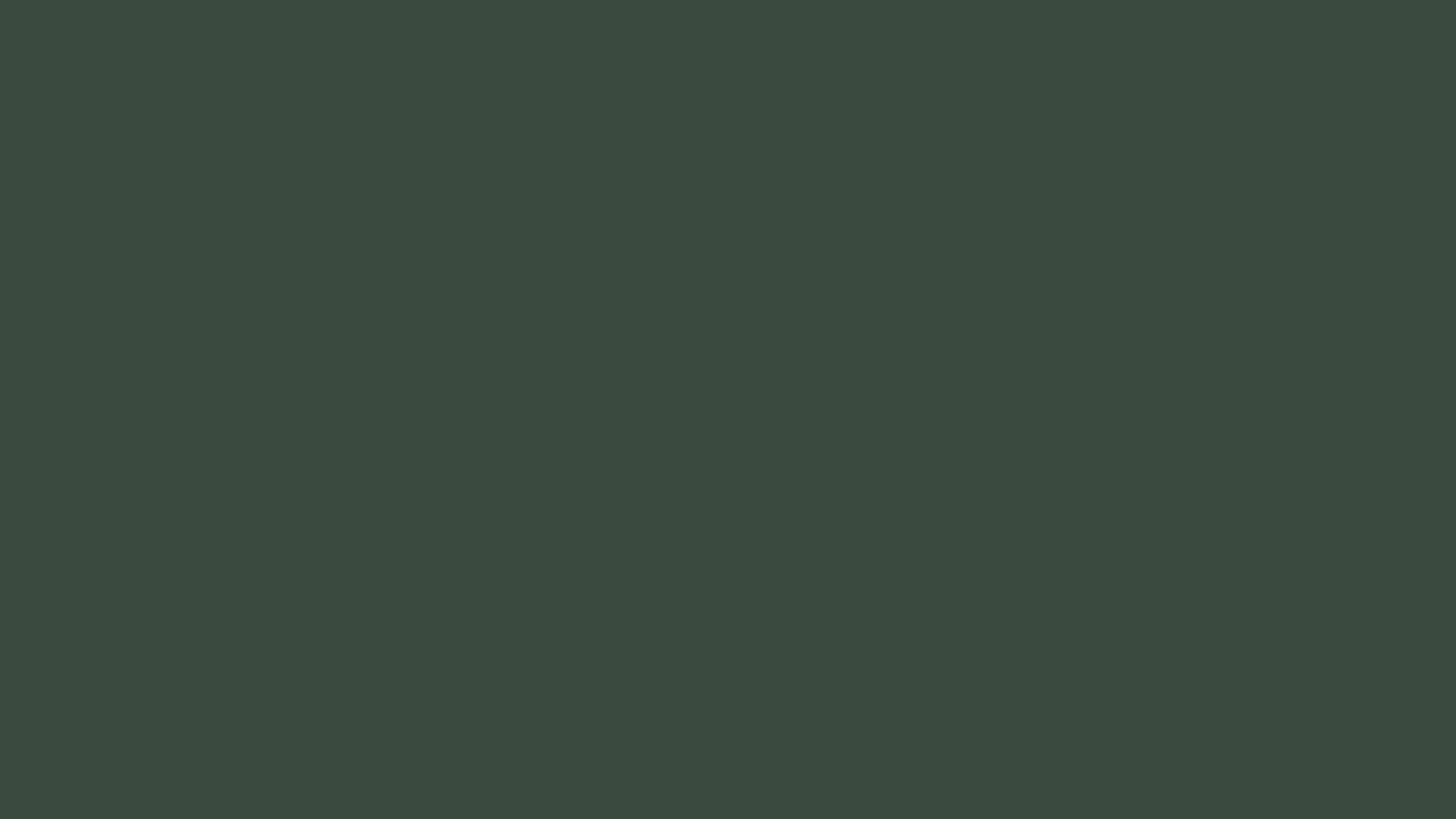
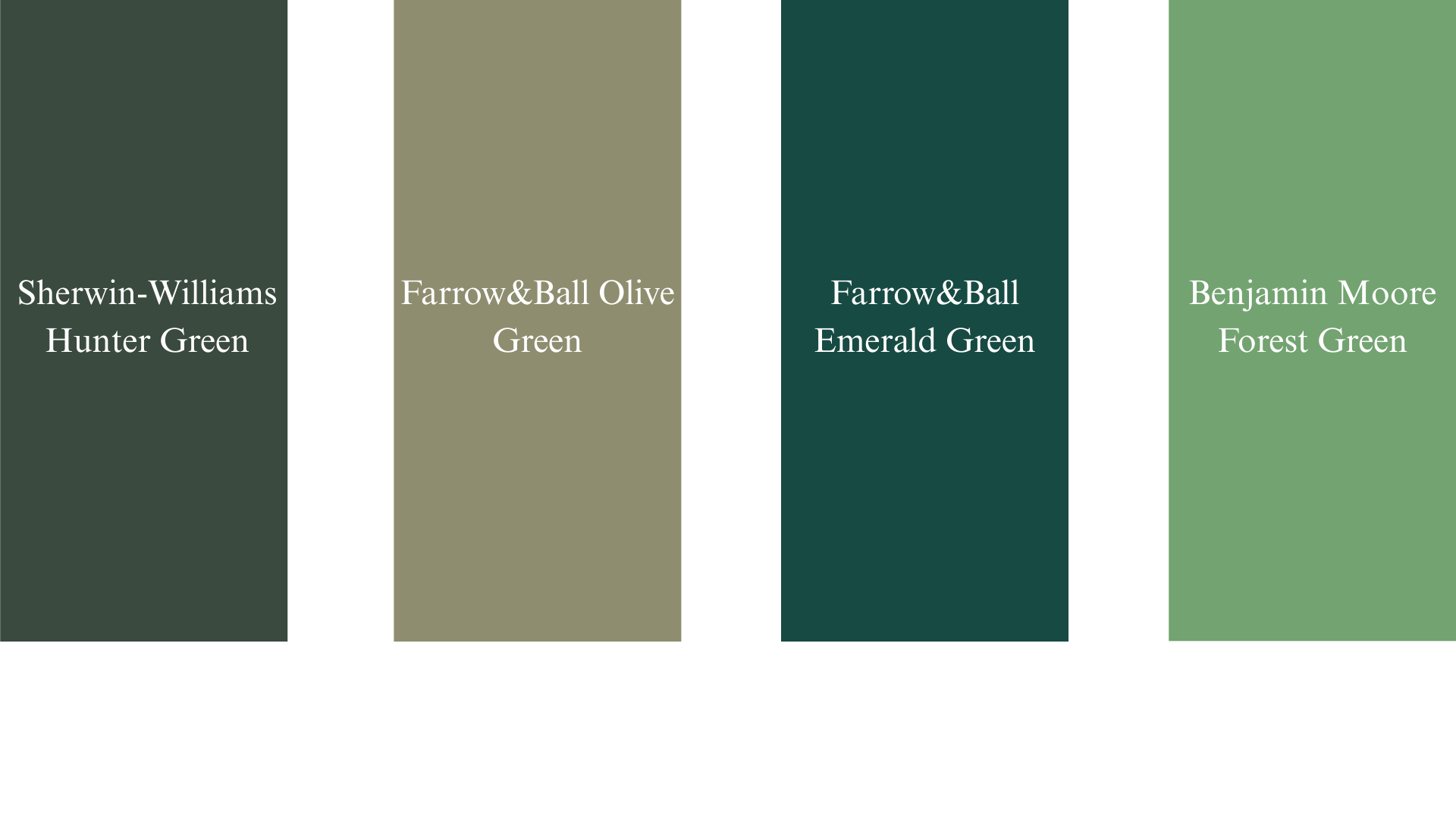
Sherwin-Williams Hunter Green is a deep, rich shade with a mostly neutral undertone. It’s bold without being too bright, which makes it both grounding and adaptable.
- Associations: Tradition, stability, and nature.
- Common uses: Interior walls, kitchen cabinets, formal outerwear, and accessories like bags or boots.
This green feels and works across both modern and traditional styles. Of course, part of its appeal lies in whether Hunter Green works better as an earth tone or a fall color, since its flexibility allows it to shift between grounded neutrals and rich seasonal palettes.
Olive Green
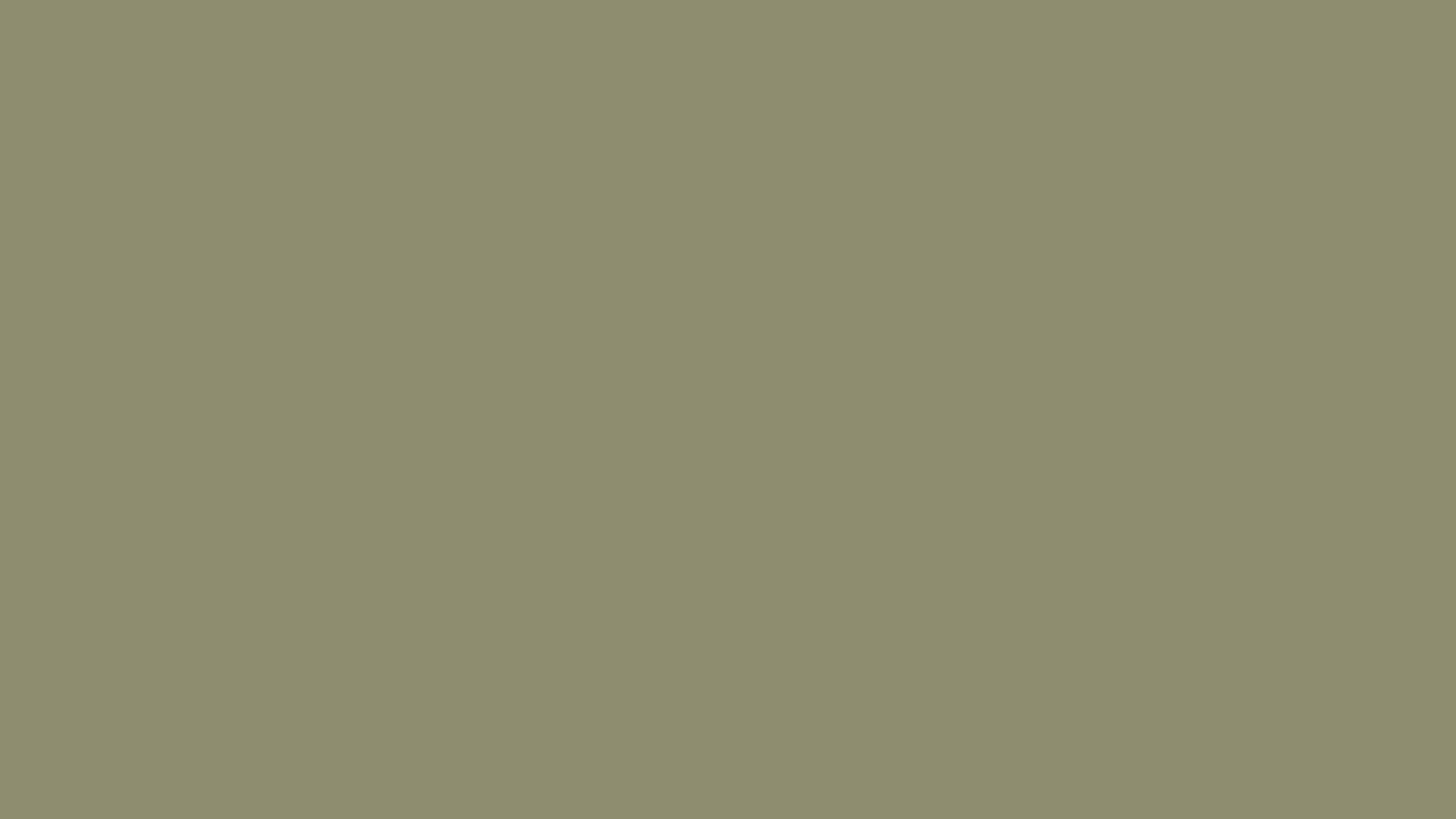
Farrow&Ball Olive Green is softer and more muted, carrying strong yellow-brown undertones. It feels closer to earth tones than jewel shades.
- Associations: Warmth, rustic appeal, and a natural vibe.
- Common uses: Military uniforms, casual fashion, rustic interiors, and fall clothing.
Olive is more relaxed than Hunter Green, often chosen for understated, earthy looks.
Emerald Green

Farrow&Ball Emerald Green stands out for its brightness and jewel-like quality. With a clear blue undertone, it has more vibrancy than the other greens on this list.
- Associations: Luxury, richness, and energy.
- Common uses: Jewelry, glamorous fashion, statement walls, and bold branding.
Emerald is best when the goal is to stand out or make a striking impression.
Forest Green

Benjamin Moore Forest Green resembles the dark shade of pine and evergreen trees. It leans cooler than Hunter or Olive, with blue undertones that give it depth.
- Associations: Outdoors, calmness, and grounding.
- Common uses: Nature-inspired interiors, formal wear, holiday decor, and classic uniforms.
This color feels steady and strong, often used to create a serene or traditional look.
Quick Color Comparison Chart
| Color | Brand | HEX Code | Undertones | Best Uses |
|---|---|---|---|---|
| Hunter Green | Sherwin-Williams | #355E3B | Neutral, balanced | Interiors, cabinets, fashion, outerwear |
| Olive Green | Farrow & Ball | #808000 | Yellow-brown | Military wear, rustic decor, autumn looks |
| Emerald Green | Farrow & Ball | #50C878 | Blue-toned | Jewelry, bold fashion, statement walls |
| Forest Green | Benjamin Moore | #228B22 | Cool, blue-leaning | Holiday themes, formal wear, nature decor |
How to Choose Between Them
Choosing between these greens depends on the mood you want to create and the setting where you’ll use them.
By Mood and Atmosphere
Each shade of green sets a different tone, and the atmosphere it creates can completely change how it feels in a space or outfit.
- Hunter Green: Balanced and versatile, works across seasons.
- Olive Green: Relaxed, natural, and warm.
- Emerald Green: Bold, lively, and eye-catching.
- Forest Green: Calm, grounding, and traditional.
By Design Application
Where you use these colors matters just as much as the shade itself. From interiors to clothing to branding, each green has its own strengths.
- Interiors: Hunter for bold walls, Olive for cozy rustic spaces, Emerald for feature walls, Forest for serene or classic rooms.
- Fashion: Hunter for coats and accessories, Olive for casual wear, Emerald for standout outfits, Forest for formal clothing.
- Branding: Hunter for tradition, Olive for earthiness, Emerald for luxury, Forest for nature or heritage themes.
Wrapping Up
When you look at Hunter Green vs Olive, Emerald, and Forest, it’s clear that each has its own place.
Hunter feels versatile and balanced, Olive leans earthy and warm, Emerald brings bold energy, and Forest offers calm depth.
The real takeaway is that no shade is better than the other; it’s about matching the right green to the mood or project you have in mind. I’ve found that once you notice the differences, it’s easier to choose with confidence.
If this comparison helped you, I’d love for you to check out my other color guides. They’ll give you more simple, practical ideas for pairing shades in your home, wardrobe, or creative work.