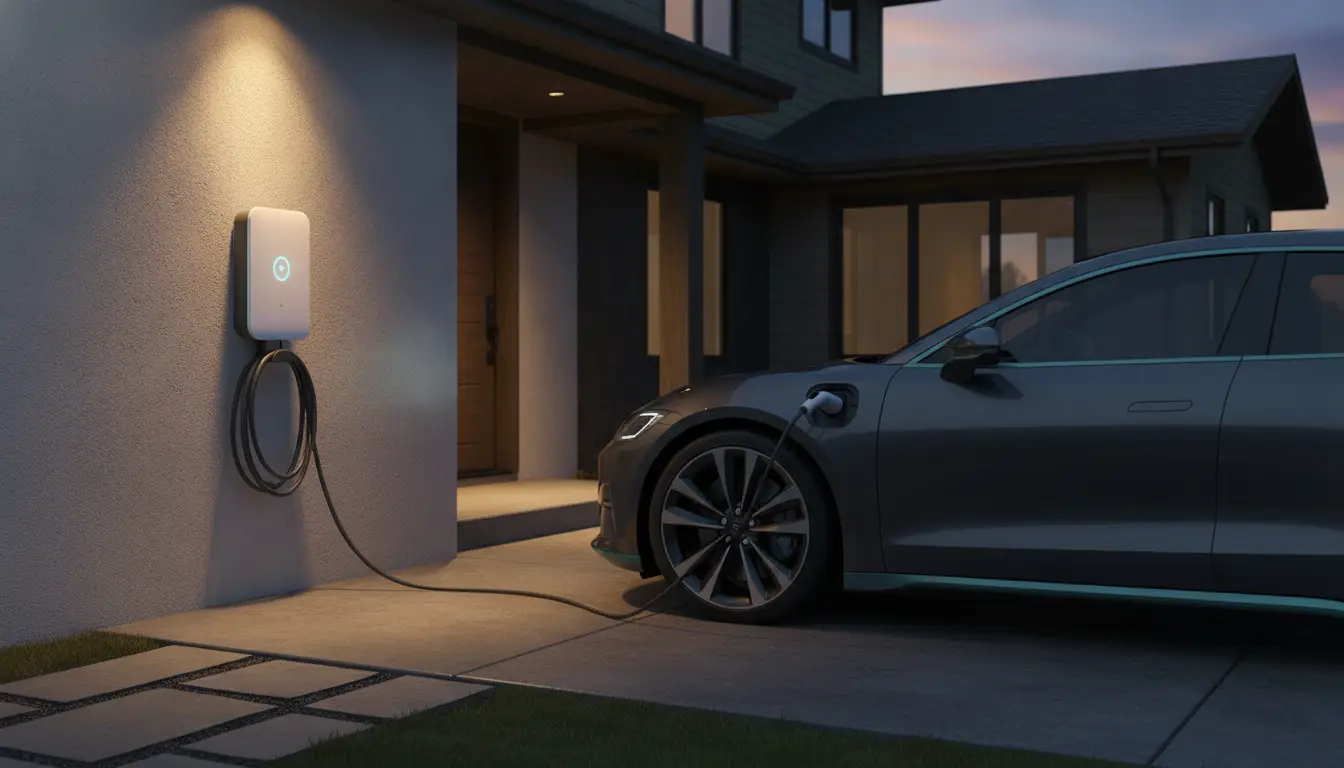
How to Create a Safe and Practical Home EV Charging Area
Home charging should make daily life easier. You park the car, connect the cable, and leave with a full battery the next morning.
A poor setup can create new problems. The cable may cross the route to the front door. The charger may sit too close to the car. A dark driveway can also make the connector difficult to use at night.
Good planning prevents these issues. The charging area should suit the car, the driveway, and the people who move around the home every day.
Choose the Right Location for Your Charger
Begin with the normal parking position of the car. Check which side contains the charging port. The charger should be close enough for the cable to reach without stretching.
Open every car door and the boot. Make sure the charger does not reduce the space needed for passengers, shopping bags, or child seats. Bins, bicycles, and garage storage also need clear access.
A sheltered wall beside the parking space often works well. An outdoor charger must be suitable for local weather conditions. It also needs protection from standing water and direct vehicle contact.
Think about future vehicles too. Charging ports do not appear in the same position on every model. A little extra cable reach can make the setup more flexible.
A qualified electrician should check the electrical supply and installation position. The electrician can also confirm local safety requirements and the correct protection for outdoor use.
Before installation, park the car in its normal position and mark the proposed charger location on the wall. This simple test can reveal access problems early.
Keep Charging Cables Away From Walking Areas
Look at the routes people use around the driveway. These may include the path to the front door, the garage entrance, the bin route, and the space used for bicycles.
Keep the charging cable beside a wall or along the edge of the parking space. Avoid running it across a doorway, step, or narrow path.
Sometimes a crossing cannot be avoided, especially in a shared driveway. A low-profile cable protector can cover the lead and make its route easier to see. Choose one that suits the cable size and the expected traffic.
The protector should sit flat on a firm surface. It should not move when someone steps on it or a vehicle passes over it. A visible colour can also help family members notice the crossing at night.
Do not hide a charging cable under a loose mat or a piece of wood. These items can shift and create another trip hazard.
Check the cable route after the car is connected. It should remain clear of tyres, doors, garden tools, and moving garage doors.
Protect Charging Equipment From Vehicle Damage

A charger installed close to a parking space can be struck by a car door, bumper, or mirror. Repeated light contact can also damage the casing or wall fixings.
Leave a clear gap between the vehicle and the charging unit. Mount the charger on the side of the parking space instead of directly in front of the car where possible.
A parking guide can help the driver stop in the same position each day. Some driveways may also benefit from a parking stop or a small protective post. The choice should suit the available space and the size of the vehicle.
Protect exposed conduit and electrical connections. Keep them away from the path of tyres and garden equipment.
The cable holder also needs a safe position. A holder placed too close to the vehicle may be hit by an open door. One placed too far away may encourage people to leave the cable on the ground.
Protection should remain easy to see, but it should not make the driveway feel like a commercial parking area. Simple colours and a neat wall installation will usually suit a home better.
Improve Visibility for Night-Time Charging
Many people connect their cars after returning home in the evening. The charging point and the route around it need enough light.
A motion-activated wall light can illuminate the area as the car enters the driveway. Position the light so it covers the charging port, cable holder, and nearby walking surface.
The light should not shine directly into the driver’s eyes. It should also avoid creating glare for neighbours or people inside the home. Downward-facing lights often provide useful illumination with less glare.
Charger indicator lights are helpful, but they may not show obstacles on the ground. The surrounding area still needs proper lighting.
Pay attention to steps, changes in level, and the edge of the driveway. Wet surfaces can be harder to see at night. Clear lighting makes it easier to connect the car and return safely to the house.
Test the lighting from the driver’s position and from the walking route. Dark corners and strong shadows may only become clear after sunset.
Store and Manage Cables Properly
A charging cable needs a fixed storage place. A wall-mounted holder keeps it off the ground and close to the charger.
Store the cable in loose, even loops. Avoid sharp bends and tight knots. Follow the storage instructions provided by the charger or cable manufacturer.
The connector should sit in a suitable holder. This protects it from dirt, water, and accidental impact. It also stops the connector from being left on the driveway.
Make cable storage part of the charging routine. Disconnect the vehicle, return the connector to its holder, and place the cable back on the wall.
Inspect the cable regularly. Look for cuts, flattened sections, loose parts, and damage around the connector. Stop using the cable if serious damage appears. Electrical tape is not a safe permanent repair.
Keep the storage area clear of garden tools, sports equipment, and household clutter. Every person who uses the charger should know where the cable belongs.
Before completing the installation, test the whole routine. Park the car, open the doors, connect the cable, and walk back to the house. Repeat the test after dark.
A practical charging area should fit naturally into the home. The car is easy to connect, walking routes stay clear, and the equipment remains protected between uses.