How to Create a Home That Feels Calm, Functional, and Personal
A home does not need to be perfect to feel good. It does not need to look like a magazine spread, follow every design trend, or be filled with expensive furniture. The best homes are the ones that support the people who live in them. They feel calm enough to help you relax, functional enough to make daily life easier, and personal enough to reflect your story.
Creating that kind of space is less about starting from scratch and more about making thoughtful choices. A few small updates, better organization, meaningful details, and a clearer sense of how each room should function can completely change how your home feels.
Start With the Feeling You Want to Create
Before you buy anything new, think about how you want your home to feel. Do you want it to feel peaceful, cozy, bright, minimal, warm, creative, family-friendly, or restorative? This step matters because it gives every design decision a purpose.
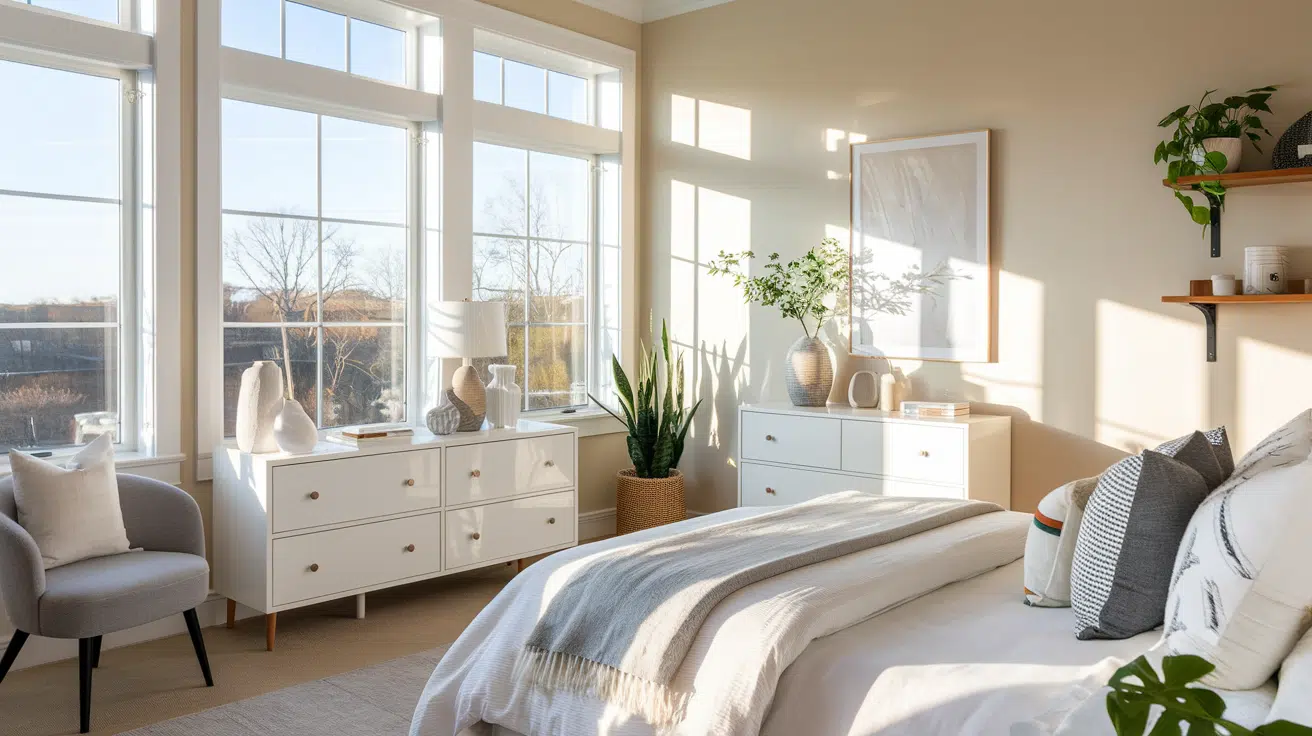
For example, if you want a calmer bedroom, you might choose softer colors, reduce clutter, and add warm lighting. If you want a living room that feels more welcoming, you might focus on comfortable seating, layered textures, and personal decor. If you want a home office that helps you focus, you might prioritize storage, lighting, and a layout that reduces distractions.
When you know the feeling you want, it becomes easier to choose what belongs in the space and what does not.
Declutter Before You Redecorate
One of the simplest ways to make a home feel calmer is to remove visual noise. Clutter can make even a beautiful room feel stressful. Before spending money on new decor, take time to clear surfaces, organize drawers, sort through storage areas, and donate items you no longer use.
This does not mean your home has to be bare or overly minimal. A personal home can still have books, art, family photos, collections, and everyday items. The goal is to keep what is useful, meaningful, or beautiful and let go of what only adds stress.
Decluttering also helps you see what your space actually needs. You may realize you do not need more furniture, but better storage. Or you may find that rearranging what you already own makes the room feel more open.
Make Function the Foundation
A calm home is not only about appearance. It also needs to work well. If a room looks nice but does not support your daily routine, it can still feel frustrating.
Look at the areas of your home that cause the most stress. Maybe shoes pile up by the door because there is no entryway storage. Maybe your kitchen counters feel crowded because small appliances have nowhere to go. Maybe your bedroom feels chaotic because laundry never has a proper place.
Functional design solves real-life problems. Add baskets where clutter gathers, place hooks near the door, use drawer dividers, create a charging station, or move furniture to improve traffic flow. These small changes can make everyday routines feel smoother and more peaceful.
Create Zones for Daily Life
Zones can make a home feel more organized, especially if you live in a smaller space or have rooms that serve multiple purposes. A zone is simply an area designed for a specific activity.
You might create a reading corner with a chair, lamp, and small table. A drop zone near the entrance can hold keys, bags, and shoes. A dining area can feel more intentional with a defined table, rug, or lighting. A work-from-home zone can help separate job tasks from relaxation time, even if it is just a desk in the corner of a bedroom.
Zones help each part of the home do its job. They also make it easier to keep things organized because every activity has a place.
Choose Calming Colors and Natural Textures
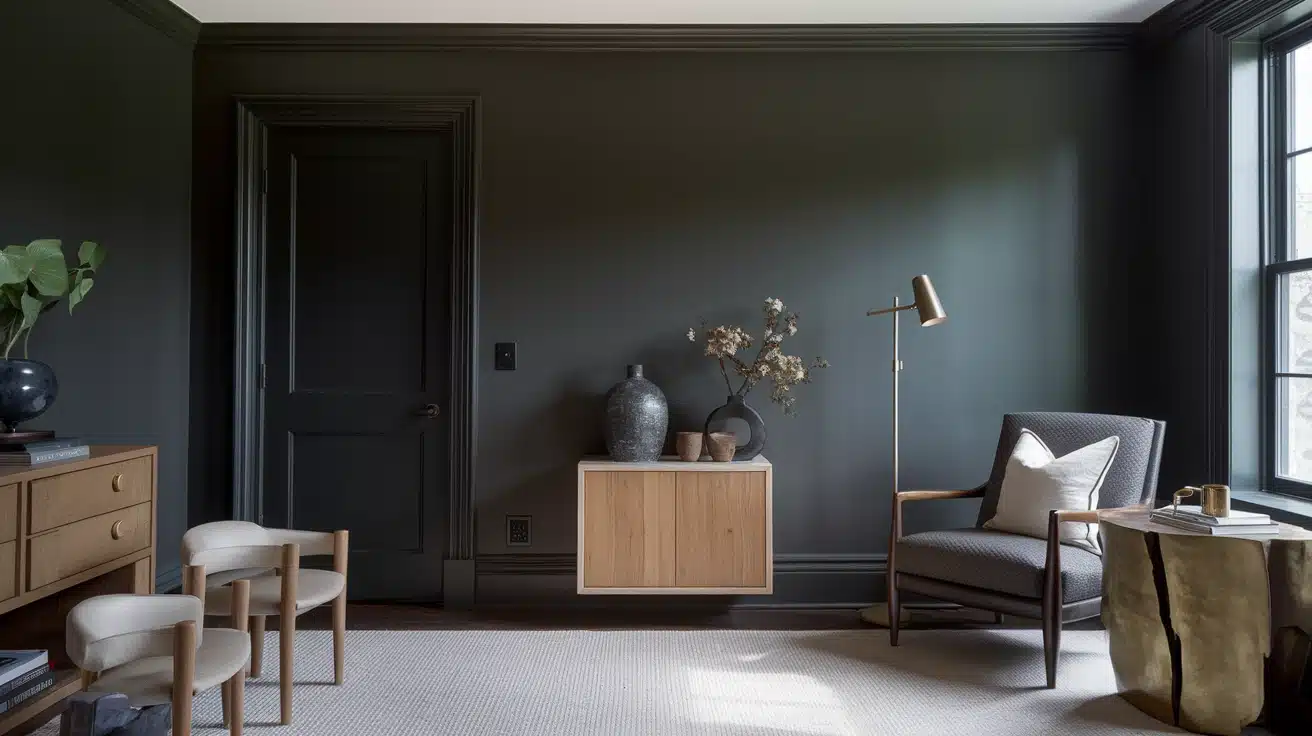
Color and texture have a big effect on how a home feels. Soft neutrals, warm whites, earthy greens, muted blues, sandy tones, and gentle grays can make a room feel grounded and relaxed. That does not mean every home has to be plain or colorless. Even bold colors can feel calming when they are used thoughtfully.
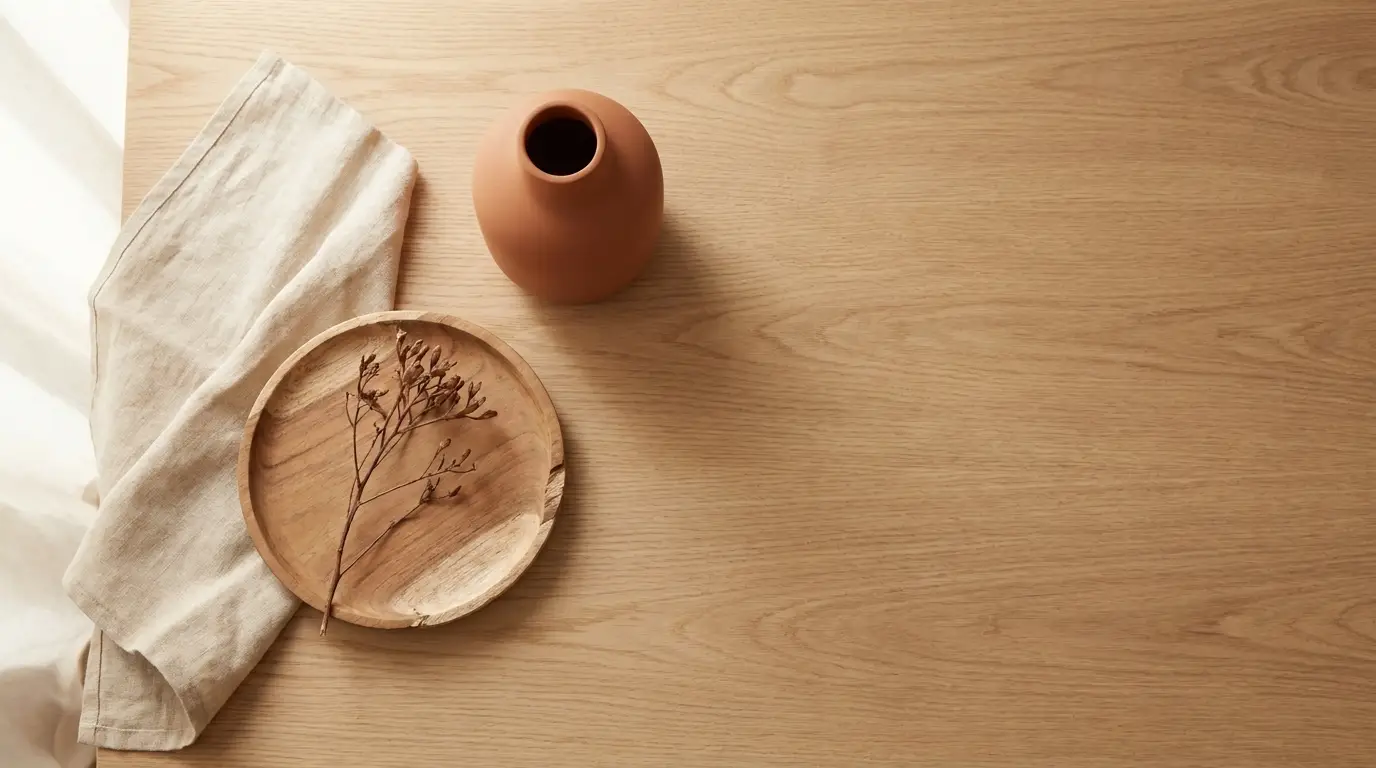
Natural textures can also add warmth and comfort. Wood, linen, cotton, wool, rattan, clay, stoneware, and woven accents help a space feel layered and inviting. These materials bring softness and character without making a room feel busy.
If you are not ready to repaint or buy large pieces, start small. Add a linen throw, a woven basket, a ceramic vase, a wooden tray, or a textured pillow. Small details can shift the mood of a room.
Use Lighting to Shape the Atmosphere
Lighting can completely change how a home feels. Harsh overhead lighting can make a space feel cold, while layered lighting creates warmth and flexibility.
Try using a mix of natural light, table lamps, floor lamps, sconces, and task lighting. Warmer bulbs can make living rooms and bedrooms feel softer, while brighter task lighting works well in kitchens, offices, and reading areas.
Good lighting also supports function. A lamp beside a reading chair, under-cabinet lighting in a kitchen, or a desk lamp in a work area can make everyday tasks easier while improving the overall atmosphere.
Add Personal Details With Meaning
A calm and functional home should still feel like yours. Personal details are what keep a space from feeling staged or generic. Family photos, travel finds, heirlooms, handmade pieces, favorite books, artwork, and objects connected to meaningful memories can all make a home feel more authentic.
The key is to display personal items intentionally. Instead of spreading everything everywhere, create small moments. A few framed photos on a shelf, a stack of favorite books on a side table, or a piece of art from a meaningful trip can tell your story without overwhelming the room.
Plan Bigger Updates With Your Budget in Mind
Some home changes are simple and affordable, while others require more planning. If you are updating furniture, improving storage, adapting a space for accessibility, or making repairs, it is important to review your budget before starting.
For eligible service members, veterans, and military families, veteran loans may be offered as personal loans for certain home-related expenses, depending on the lender and loan terms. This might include smaller updates, repairs, moving costs, or practical improvements that make a home more comfortable and functional. As with any personal loan, it is important to compare interest rates, repayment terms, fees, and monthly affordability before deciding whether borrowing makes sense.
A calm home should not create financial stress. Whether you save, borrow, or complete projects in phases, the best approach is the one that supports both your space and your long-term peace of mind.
Bring Nature Indoors
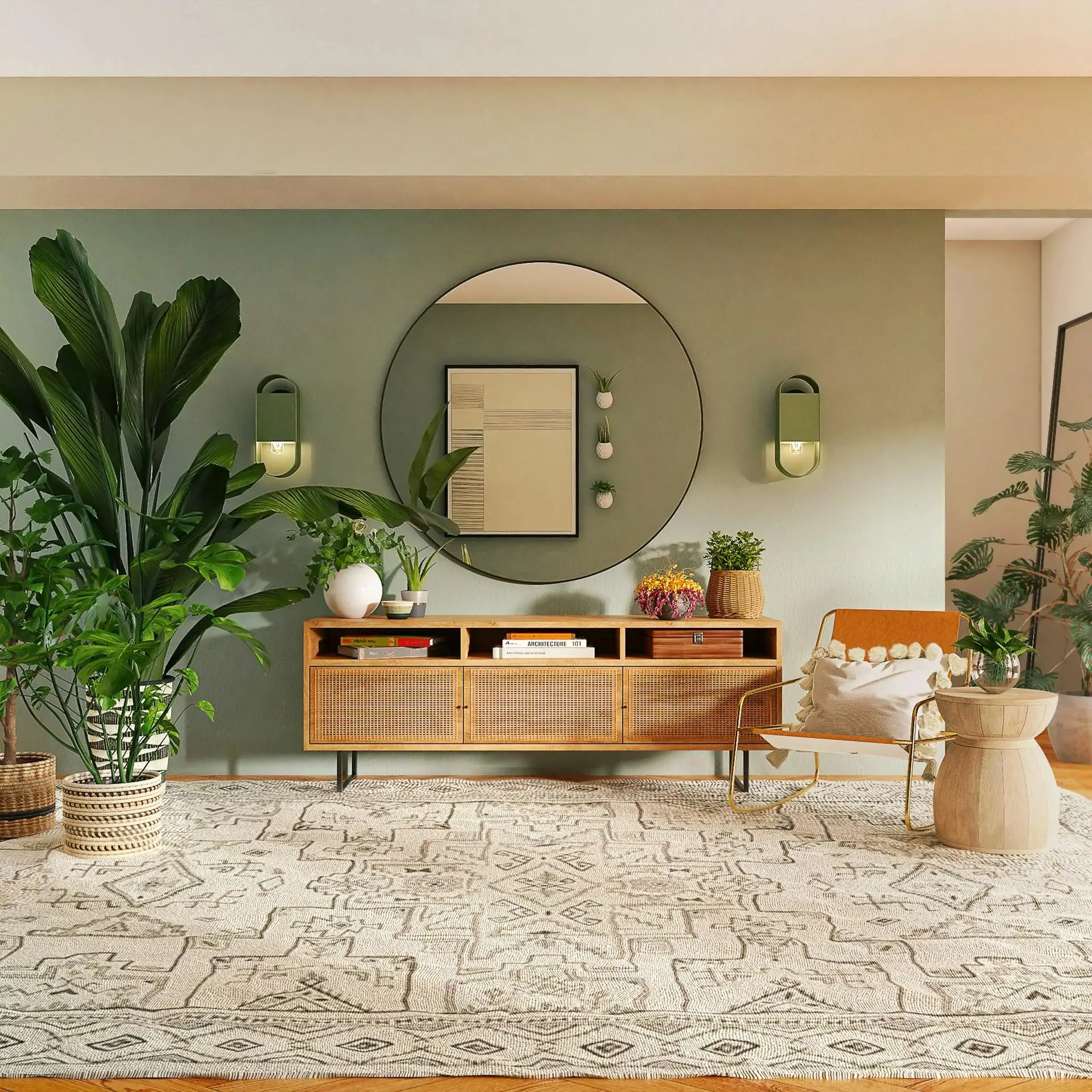
Natural elements can make a home feel more grounded. Houseplants, fresh flowers, branches, natural fibers, wood accents, and views of the outdoors all help create a calmer environment.
If you are not confident with plants, start with low-maintenance options or use natural materials instead. A wooden bowl, woven rug, stoneware planter, or cotton curtains can still bring an organic feeling into the room.
Design for Real Life, Not Perfection
The most welcoming homes are designed for real life. They make room for routines, hobbies, pets, children, work, rest, and occasional mess. A calm home is not one that never gets lived in. It is one that can return to order because it supports the way people actually live.
Focus on comfort, usefulness, and meaning before perfection. Choose pieces that fit your lifestyle. Create storage where you need it. Keep items that matter. Let your home evolve over time.
Final Thoughts
Creating a home that feels calm, functional, and personal is about intention. You do not need to change everything at once. Start by deciding how you want your home to feel, then remove what does not serve that vision and add what supports your daily life.
A good home should make ordinary moments easier and more enjoyable. When your space reflects your needs, routines, and personality, it becomes more than a place to live. It becomes a place that helps you feel settled, supported, and truly at home.