How to Clean a Slow Cooker: A Complete Step-by-Step Guide
Slow cookers make meals easier, but dried food and burnt residue can make cleanup frustrating. You can remove most messes with simple supplies like dish soap, baking soda, and vinegar.
This article covers how to clean the insert, lid, base, and stubborn buildup without damaging your cooker.
What You’ll Need to Clean a Slow Cooker
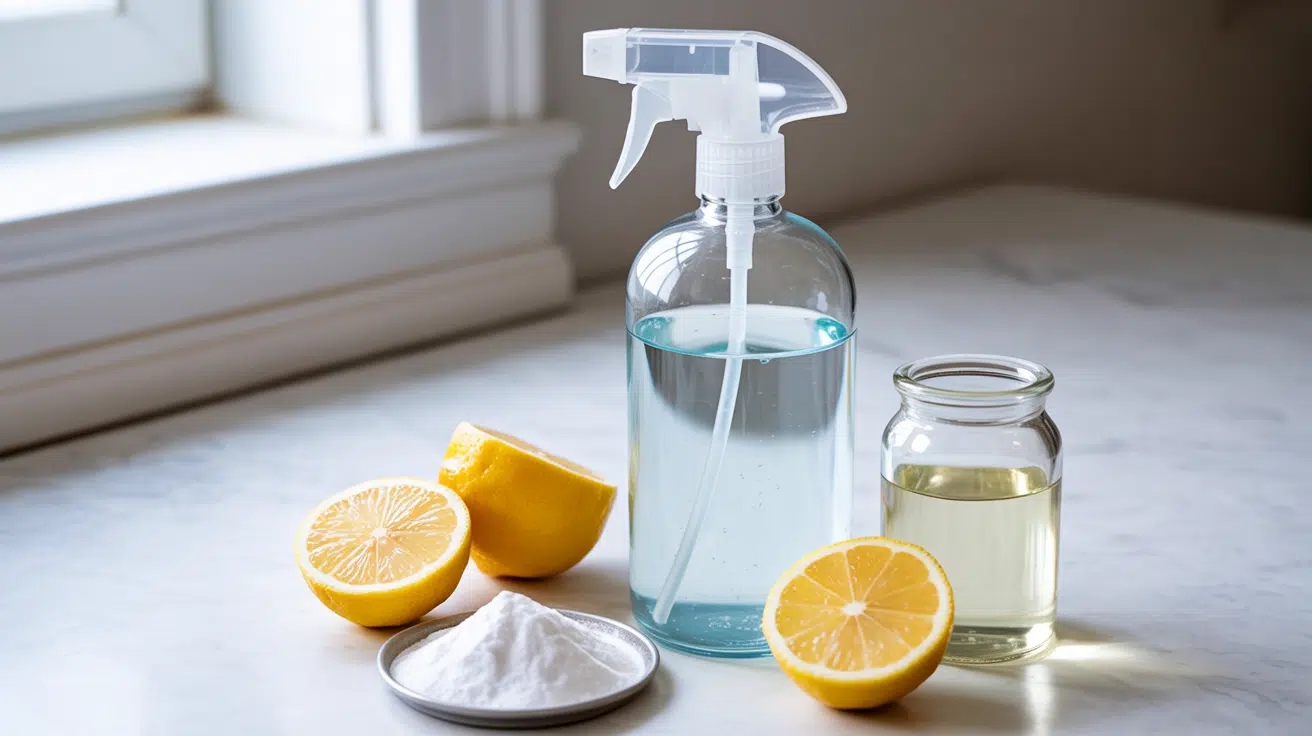
Most of what you need for slow cooker cleaning is already sitting in your kitchen cabinet. Here’s a quick list to gather before you start.
|
Item |
What It’s For |
|---|---|
|
Dish soap |
Washing the insert and lid after every use |
|
Baking soda |
Loosening stuck-on food without scratching the surface |
|
White vinegar |
Cutting through mineral film and grease |
|
Microfiber or soft cloth |
Wiping the base and exterior |
|
Soft sponge or scrub brush |
Removing stuck-on bits without scratches |
|
Small brush or toothpick |
Cleaning seams, vents, and tight corners |
|
Rubber gloves (optional) |
Protecting your hands during a deep clean |
How to Clean a Slow Cooker: Step-by-Step

A slow cooker only has a few parts, so the steps stay simple. Work through them in order, and you’ll cover every surface.
Step 1: Unplug and Let It Cool
Unplug the slow cooker before you touch any cleaning supplies, and check the cord for cracks or fraying while you’re at it. If you just finished cooking, let the unit cool for thirty minutes first. Washing a hot insert with cold water can crack ceramic or ruin the glaze, so a little patience here saves you a replacement part later.
Step 2: Wipe Down the Exterior
Dampen a soft cloth with warm water and a small amount of dish soap, then wipe the outer casing from top to bottom. Stick to mild soap and water at first, since stronger cleaners can dull the finish or wear down the control panel. If a spot won’t budge, a little baking soda mixed with water works as a gentle backup.
Step 3: Remove and Wash the Insert and Lid
Lift out the stoneware or ceramic insert along with the glass lid and wash both in warm, soapy water. If your manual says they’re dishwasher safe, place them on the top rack instead. Either way, avoid steel wool or scouring pads, since they scratch the glaze and make it easier for food stick more easily next time.
Step 4: Clean the Interior Base
Underneath the removable insert sits the heating element, usually tucked inside a metal casing. Wipe this area with a barely damp cloth, since it should never sit in water or go anywhere near a running tap. For dried food along the edges, a cotton swab or soft brush reaches the spots a cloth can’t.
Step 5: Check Underneath and Around the Cord
Spills run underneath the unit more often than people expect, so turn the slow cooker over once it’s dry and wipe the base.
A toothpick or small brush works well for crumbs stuck in vents or seams. This step gets skipped the most, yet it’s where lingering smells often start.
Step 6: Dry and Reassemble
Let every part air dry completely, or dry with a clean towel, before you put the slow cooker back together. Trapped moisture between the lid and insert is a common reason cookers start to smell musty in storage. Once everything is dry, snap the pieces back into place, and you’re set for the next meal.
How to Clean Burnt or Stuck-On Food

Burnt food is the one job every slow cooker owner faces sooner or later. These three methods handle most of it without heavy scrubbing.
1. The Vinegar and Baking Soda Soak
Fill the insert with water until it sits just above the burnt food line, then add half a cup of white vinegar for a small, 3-quart cooker or a full cup for a larger, 6-quart one. Slowly stir in the same amount of baking soda a little at a time, since it bubbles. Cover the unit, run it on low for one to four hours, then let it cool and wash as usual.
2. Scrubbing With a Baking Soda Paste
For spots that survive the soak, mix baking soda with a small amount of water until it forms a thick paste. Rub it into the stain with a soft sponge or your fingers, let it sit for a few minutes, then wipe clean. This paste works as a mild scouring agent that lifts residue without scratching stoneware or ceramic.
3. Removing White Film With Vinegar
Dark inserts often develop a chalky white film from repeated washing and mineral buildup in tap water. Fill the insert with water, add one cup of white vinegar, and let it sit for a few hours or overnight. Wash and dry as normal afterward; the film should lift or fade until it’s barely visible.
Can You Put a Slow Cooker in the Dishwasher?
In most cases, yes. The removable ceramic or stoneware insert and the glass lid on most slow cookers, including many Crock-Pot models, are dishwasher safe, though it’s worth checking the underside of the insert or your owner’s manual for a dishwasher-safe symbol before you load it in.
The one part that never goes in the dishwasher, or in any water at all, is the outer base that holds the heating element and electrical parts.
If you want to protect a nonstick or painted finish over time, hand washing wears down the glaze less than back-to-back dishwasher cycles, even on a gentle setting.
How to Clean a Small Slow Cooker
Mini and small slow cookers, the 1.5 to 3-quart models often used for dips and side dishes, follow the same basic steps, just scaled down.
For the vinegar and baking soda soak, use about a quarter to a half cup of each instead of the full-size amounts, since less water means less residue to loosen.
Some small models have a one-piece design where the insert doesn’t come out, so instead of removing it, you cook off stuck-on food using the water-soak method directly in the unit, then wipe the interior with a damp cloth once it cools.
Always check your specific model’s manual first, since one-piece units usually can’t go anywhere near a dishwasher or a sink full of water.
How to Prevent Odors and Keep a Slow Cooker Smelling Fresh
A slow cooker that smells like last week’s dinner usually just needs a few small habit changes. Try these after your next wash.
-
Store Leftovers Somewhere Else: Move food into a separate container right after cooking instead of leaving it in the warm insert overnight.
-
Use Baking Soda or Lemon Water: A short soak in baking soda water, or a slice of lemon in warm water, neutralizes lingering smells fast.
-
Use a Liner for Foods That Stain: Tomato sauce, curry, and chili leave odors and stains behind, so a slow cooker liner saves the ceramic from soaking them in.
-
Let It Air-Dry With the Lid Off: Leaving the lid propped open after washing stops trapped moisture from turning musty between uses.
Mistakes to Avoid When Cleaning a Slow Cooker
A few habits ruin a slow cooker faster than regular use ever will. Keep an eye out for these common ones.
|
Mistake |
What to Do Instead |
|---|---|
|
Scrubbing with steel wool or abrasive pads |
Use a soft sponge or non-scratch pad to protect the glaze |
|
Submerging the heating base in water |
Wipe it with a barely damp cloth only; never soak or rinse it |
|
Washing a hot insert under cold water |
Let it cool to room temperature first to avoid cracking |
|
Leaving ammonia in a closed room overnight |
Crack a window, or skip ammonia and use the vinegar soak instead |
|
Skipping the owner’s manual |
Check it first, since materials and warranty terms vary by model |
|
Storing it wet or with the lid sealed shut |
Dry every part fully and leave the lid off until it’s stored |
How Often Should You Clean a Slow Cooker?
Wipe down the insert, lid, and exterior after every single use, since leftover food residue only gets harder to remove the longer it sits.
A full deep clean with the vinegar-and-baking-soda soak is worth doing every month or two, or any time you notice a stubborn ring of buildup. Michigan State University Extension points out that starting with a clean cooker matters for food safety too, not just appearance, since leftover residue can hold onto bacteria between uses.
Building this into your regular kitchen routine takes a few extra minutes but keeps both your food and your appliance in good shape.
Keep Your Slow Cooker Ready for Every Meal
Cleaning a slow cooker comes down to a routine: wipe the base after each use, wash the insert and lid in warm, soapy water or the dishwasher if the manual allows it, and use the vinegar-and-baking-soda soak when food is burnt on.
Skip steel wool, never submerge the base, and let every part dry fully before you store it. Follow the steps above, and your slow cooker will be ready for the next soup, stew, or roast.
Frequently Asked Questions
How do you clean the inside of a slow cooker?
Remove the ceramic insert and wash it with warm water and dish soap, or place it in the dishwasher if your manual allows it. For stuck-on food, soak it first in warm water with baking soda before you scrub.
How can I clean a burnt slow cooker?
Fill it with water above the burnt line, add vinegar, then stir in baking soda a little at a time. Cover it, run the unit on low for an hour or more, then wash it once it cools.
What is the tea towel trick in a slow cooker?
The tea towel trick involves placing a folded towel under the lid to absorb condensation, helping prevent excess moisture from dripping onto food.
What not to do with a slow cooker?
Don’t submerge the heating base, scrub with steel wool, or wash a hot insert in cold water. Skip ammonia in a closed room too, and always check your manual before using a cleaner you haven’t tried on it before.
How to deodorize a slow cooker?
Wipe the interior with a cloth dampened with white vinegar, or run a short soak with baking soda and warm water. Leaving the lid off to air dry after every wash also stops smells from building up over time.
Can I wash my slow cooker?
The removable insert and lid, yes, usually by hand or in the dishwasher if your manual allows it. The base with the heating element and cord should only ever be wiped down, never washed or submerged.