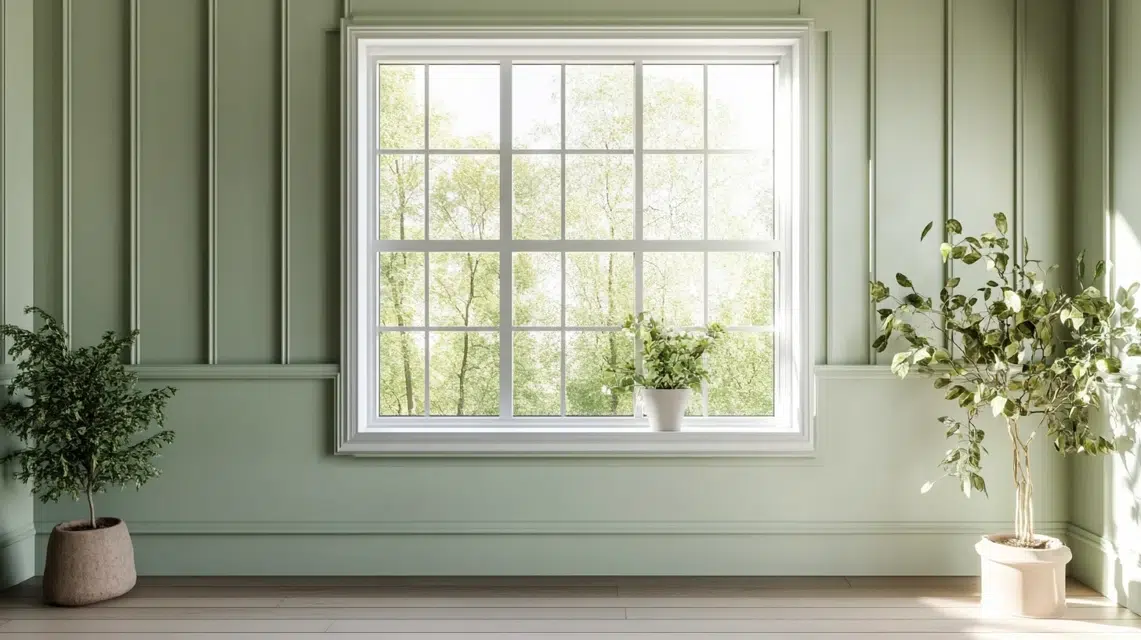
How Skirting Boards Enhance the Overall Finish of Interior Spaces
Interior design often focuses on major elements such as furniture, flooring, lighting, and wall colors. While these features certainly shape a room’s atmosphere, smaller architectural details also play an important role in achieving a polished, cohesive interior. One of the most important yet often overlooked finishing elements is the skirting board.
Placed along the base of walls where they meet the floor, this detail provides both functional and aesthetic value. When thoughtfully selected and installed, it helps unify different parts of a room while improving the overall appearance of interior spaces.
Creating a Clean Transition Between Walls and Floors
One of the primary purposes of a skirting board is to create a smooth transition between the wall and the floor. Without this element, the point where the flooring meets the wall can appear incomplete or uneven.
This finishing feature neatly covers small gaps that may appear during flooring installation and helps frame the room visually. Defining the boundary between vertical and horizontal surfaces allows walls and floors to connect in a way that feels intentional and professionally finished.
In both modern and traditional interiors, this clean transition greatly contributes to a balanced, refined design.
Enhancing Interior Design and Architectural Character
Beyond its functional purpose, this architectural trim also enhances a room’s visual appeal. The style, height, and profile of the trim can influence how the interior feels and how well the design elements work together.
For example, sleek, simple profiles are commonly used in contemporary homes, where minimalism and clean lines are preferred. More detailed profiles can complement classic or traditional interiors by adding subtle decorative depth.
By reinforcing the room’s design language, these finishing touches help create a cohesive, thoughtfully designed space.
Protecting Walls From Everyday Wear
Another practical benefit is the protection it provides to the lower portion of walls. This area is particularly vulnerable to everyday wear caused by furniture movement, cleaning equipment, and foot traffic.
Wall trim helps absorb these impacts, preventing scuffs, dents, and marks from affecting painted surfaces or wallpaper. This protective layer allows homeowners to maintain the appearance of their interiors for longer periods without frequent repairs.
As a result, it contributes not only to aesthetics but also to the long-term durability of interior spaces.
Supporting Balance and Proportion in Interior Design
Interior design relies heavily on proportion and balance. Even small architectural elements can influence how a room feels visually. Trim along the base of the wall helps anchor the vertical surfaces and provides structure to the room’s overall layout.
In spaces with higher ceilings, taller trim designs can add elegance and help maintain proper visual proportions. In smaller rooms, more subtle designs keep the space looking light and uncluttered.
By defining the lower edge of the wall, this feature plays an important role in creating harmony within the interior environment.
A Small Detail That Makes a Big Difference
While it may seem like a minor design element, base trim has a surprisingly large impact on a room’s final look. It helps create clean transitions, protects walls, and adds architectural detail that enhances the entire interior.
Carefully chosen finishing details like these can transform a simple room into a space that feels complete, refined, and professionally designed. Often, it is these subtle features that bring together all the elements of an interior and give it a truly polished appearance.