How Much to Paint a House Interior: Cost Breakdown Guide
Many homeowners start their search with one simple question: how much does it cost to paint a house interior?
The answer is not always straightforward because painting costs can vary depending on home size, wall condition, labor, and the type of paint used.
Interior painting is one of the simplest ways to refresh the look of a home without major renovations. A new coat of paint can brighten rooms, cover damage, and improve the overall feel of the space.
However, before starting the project, most homeowners want a realistic budget estimate.
Understanding average painting prices, common cost factors, and real homeowner experiences can make planning much easier and help avoid unexpected expenses during the project.
Quick Answer: How Much to Paint a House Interior
While prices vary by location and home condition, most interior painting projects follow similar price ranges.
On average, professional painters charge between $2 and $6 per square footfor interior painting . This price usually includes labor, basic wall preparation, and standard paint materials.
For a full interior repaint, homeowners often spend between $3,000 and $15,000, depending on the size of the home.
Smaller houses with fewer rooms cost less, while larger homes with high ceilings or detailed trim work can increase the final price.
If only a few rooms are being painted, the total cost may range from $400 to $1,500 per room , depending on room size and surface preparation.
These estimates provide a helpful starting point, but the final quote usually depends on several factors such as wall condition, number of coats, and paint quality.
Average Cost to Paint a House Interior
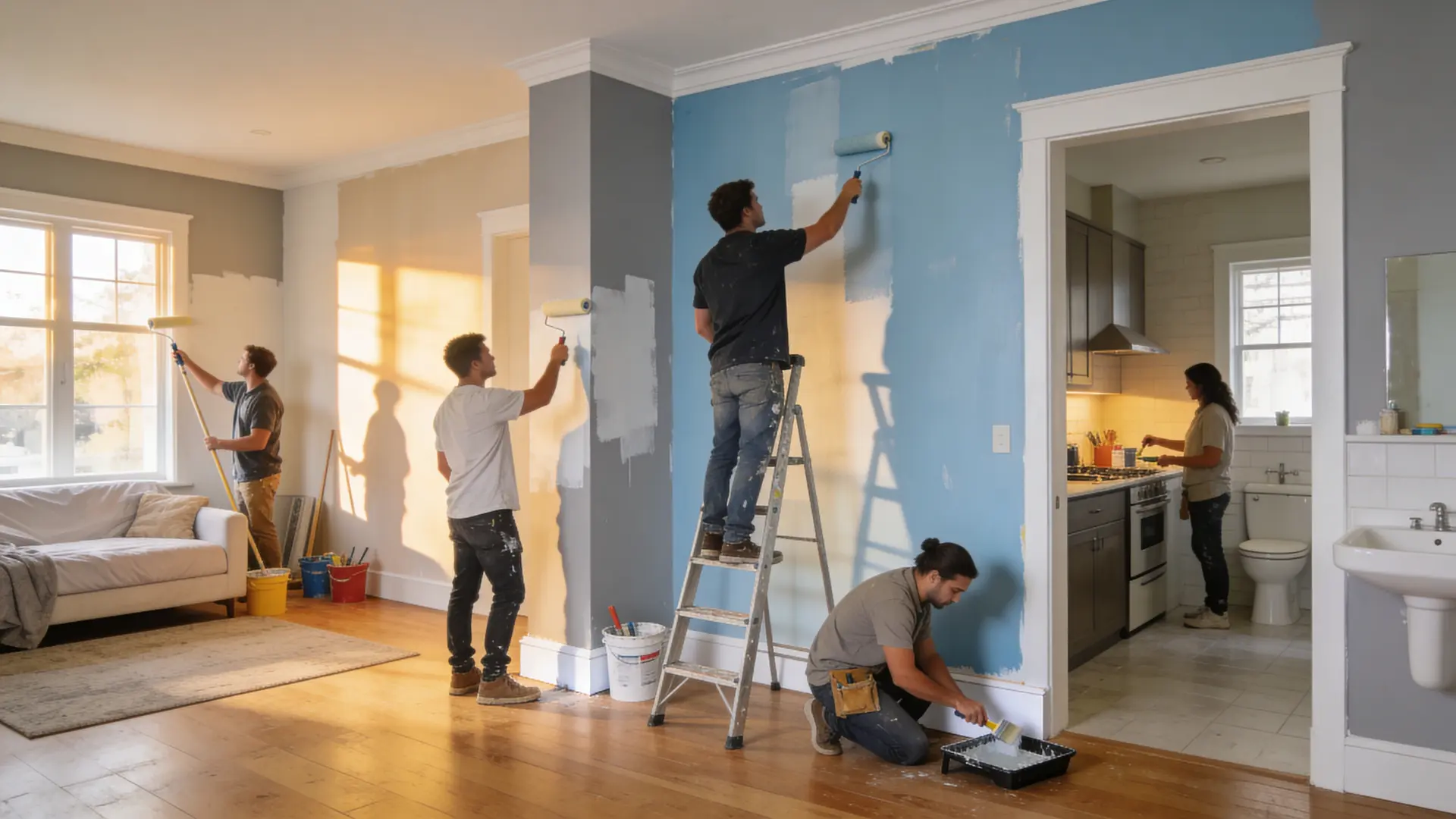
Most painting contractors estimate projects based on the total square footage of the interior space. This method helps provide a general idea of how much paint and labor the job will require.
The larger the home, the more time painters need for preparation, painting, and cleanup. Because of this, interior painting costs usually increase as square footage grows.
Here is a general estimate of what homeowners might pay based on home size:
| Home Size | Estimated Interior Painting Cost |
|---|---|
| 1,000 sq ft | $2,000 – $6,000 |
| 1,500 sq ft | $3,000 – $9,000 |
| 2,000 sq ft | $4,000 – $12,000 |
| 2,500 sq ft | $5,000 – $15,000 |
| 3,000 sq ft | $6,000 – $18,000 |
Because every home is different, contractors typically visit the property before giving a final quote. Wall condition, ceiling height, and the number of rooms can all influence the price.
Interior Painting Cost per Square Foot
Professional painters commonly estimate projects using the cost per square foot of paintable space. This pricing model helps people understand how much they might spend before getting a detailed quote.
In most areas, interior painting costs fall within a predictable range depending on the level of work required.
Typical price ranges include:
- Basic Interior Painting: $2 – $3 per square foot
- Standard Professional Painting: $3 – $5 per square foot
- High-End Projects with Extensive Prep: $5 – $6 or more per square foot
Lower prices usually apply to homes with smooth walls, similar paint colors, and minimal preparation work.
Higher prices often involve additional tasks such as:
- Repairing damaged drywall
- Removing wallpaper
- Painting multiple colors or accent walls
- Painting ceilings, trim, and doors
Another factor is paint quality. Premium paints may cost more per gallon but often provide better coverage and durability, which can reduce the number of coats required.
For this reason, painters usually calculate square-foot pricing after evaluating the condition and complexity of the interior space.
What Affects the Cost to Paint a House Interior
Interior painting costs depend on more than just the size of the house. Several factors influence the amount of labor, preparation, and materials needed for the project.
- Surface Condition and Preparation: Walls with cracks, nail holes, stains, or peeling paint need extra preparation before painting.
- Ceiling Height and Room Accessibility: Rooms with high ceilings, stairwells, or hard-to-reach areas require more time and equipment.
- Number of Paint Colors: Using multiple colors increases the amount of work required.
- Trim, Doors, and Built-In Features: Painting trim, doors, baseboards, and shelves involves detailed work.
- Paint Quality andType: Higher-quality paint costs more but offers better coverage and durability.
- Furniture and Occupied Homes: Painting in a furnished home takes more time.
These factors explain why painting costs can vary, even for homes with similar sizes.
Interior Painting Cost by Room Type
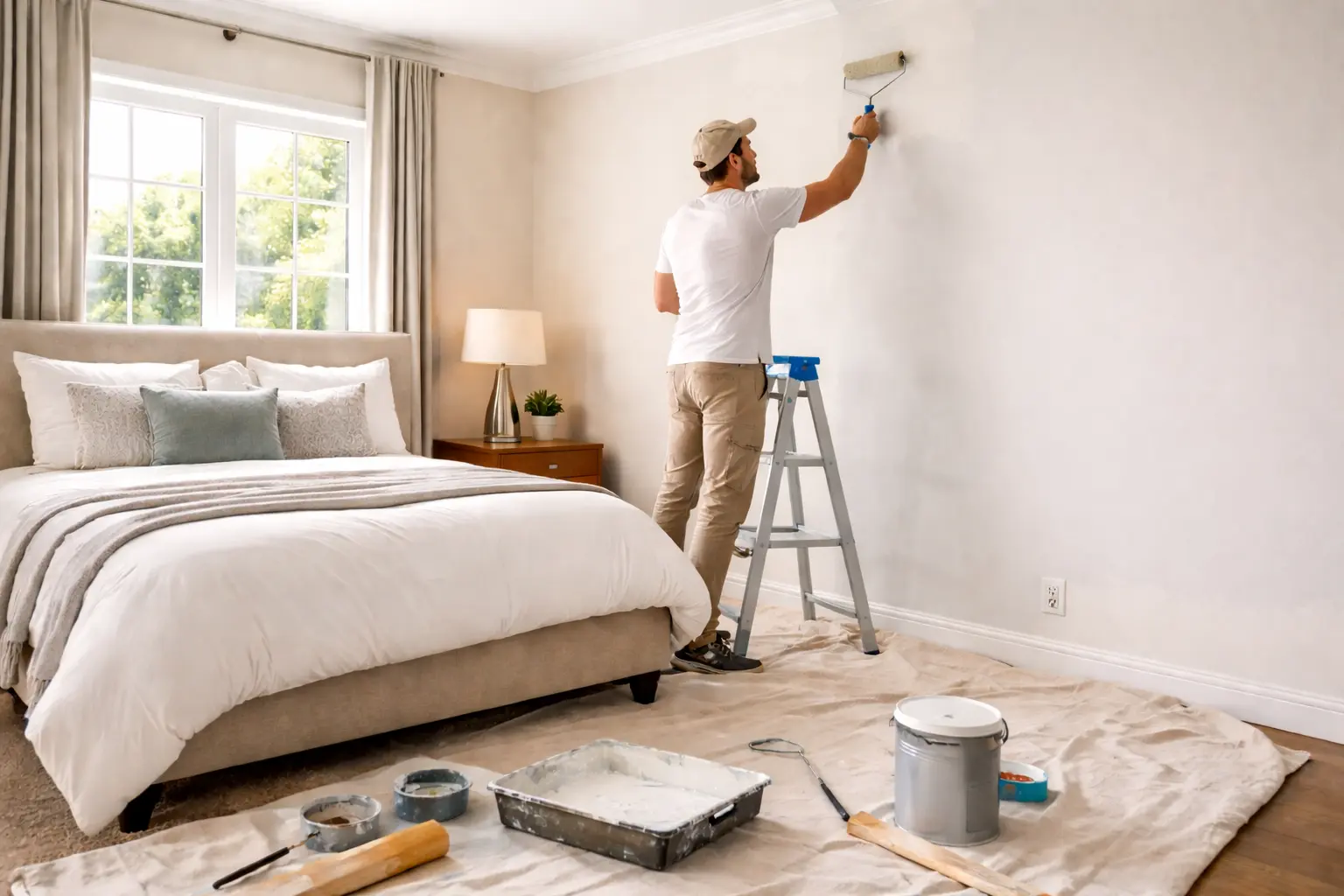
Some people choose to paint specific rooms rather than repaint the entire house. Room-by-room painting can help spread costs over time and focus on areas that need the most attention.
Below are typical interior painting price ranges by room type:
| Room Type | Average Cost |
|---|---|
| Bedroom | $400 – $800 |
| Bathroom | $300 – $600 |
| Kitchen | $600 – $1,200 |
| Living Room | $800 – $1,500 |
| Dining Room | $500 – $1,000 |
| Hallways & Staircases | $600 – $1,200 |
The price of painting a room depends on several factors, including the size of the space, ceiling height, wall condition, and the amount of trim or detail work.
Bathrooms and kitchens sometimes cost more per square foot because painters must work around cabinets, appliances, and tight corners.
Living rooms and open areas may also cost more due to larger wall surfaces, high ceilings, or built-in features like fireplaces or shelving.
Real Interior Painting Cost Examples from Homeowners
Many homeowners look at community discussions and forums like Reddit to understand how much others have paid for interior painting.
Below are common pricing examples shared by homeowners in online discussions:
Example 1: Medium Home Full Interior
A homeowner on Reddit (r/HomeImprovement) shared receiving a quote of around $9,000 for a 2,000 sq ft home.
The job included walls and ceilings with premium paint, along with minor drywall repairs. Vaulted ceilings increased labor time, which raised the cost.
Example 2: Walls-Only Painting
In another discussion (r/Home), a homeowner reported paying about $3,000 to repaint only interior walls.
Since ceilings, trim, and doors were excluded, the total cost stayed lower.
Example 3: Small Home Interior
A user on Reddit (r/DIY) mentioned paying around $2,200 for labor + $850 for paint for a smaller home.
The work was completed by a single painter in a lower-cost area, which helped keep costs down.
Example 4: High-End Painting Project
Some homeowners in a discussion (r/HomeImprovement) reported quotes ranging from $15,000 to $18,000 for larger homes.
These projects included tall ceilings, multiple paint colors, trim work, and detailed preparation.
Interior Painting Timeline: How Long It Takes
The time required to paint a house interior depends on the home’s size, wall condition, and the number of painters working on the project. While small spaces can be finished quickly, larger homes take several days to complete.
Typical interior painting timelines include:
- Single Room: Usually completed in one day or less for a standard-size room with minimal preparation.
- Rooms with Repairs or Accent Walls: May take a full day or slightly longer due to patching, sanding, and additional coats of paint.
- Small Homes (1,000–1,500 Sq Ft): Usually take 3–4 days to complete, including preparation and cleanup.
- Medium Homes (2,000–3,000 Sq Ft): Often require 4–7 days, depending on the number of rooms and surface condition.
- Large Homes or Complex Layouts: May take 1–2 weeks, especially if the house has vaulted ceilings, staircases, or detailed trim work.
Other factors that can influence the timeline include:
- Drying time between paint coats
- Wall repairs and surface preparation
- Multiple paint colors or accent walls
- Furniture moving and room accessibility
- Whether the home is occupied during painting
Because of these factors, professional painters usually provide a project timeline after inspecting the home.
DIY Interior Painting vs. Hiring A Professional
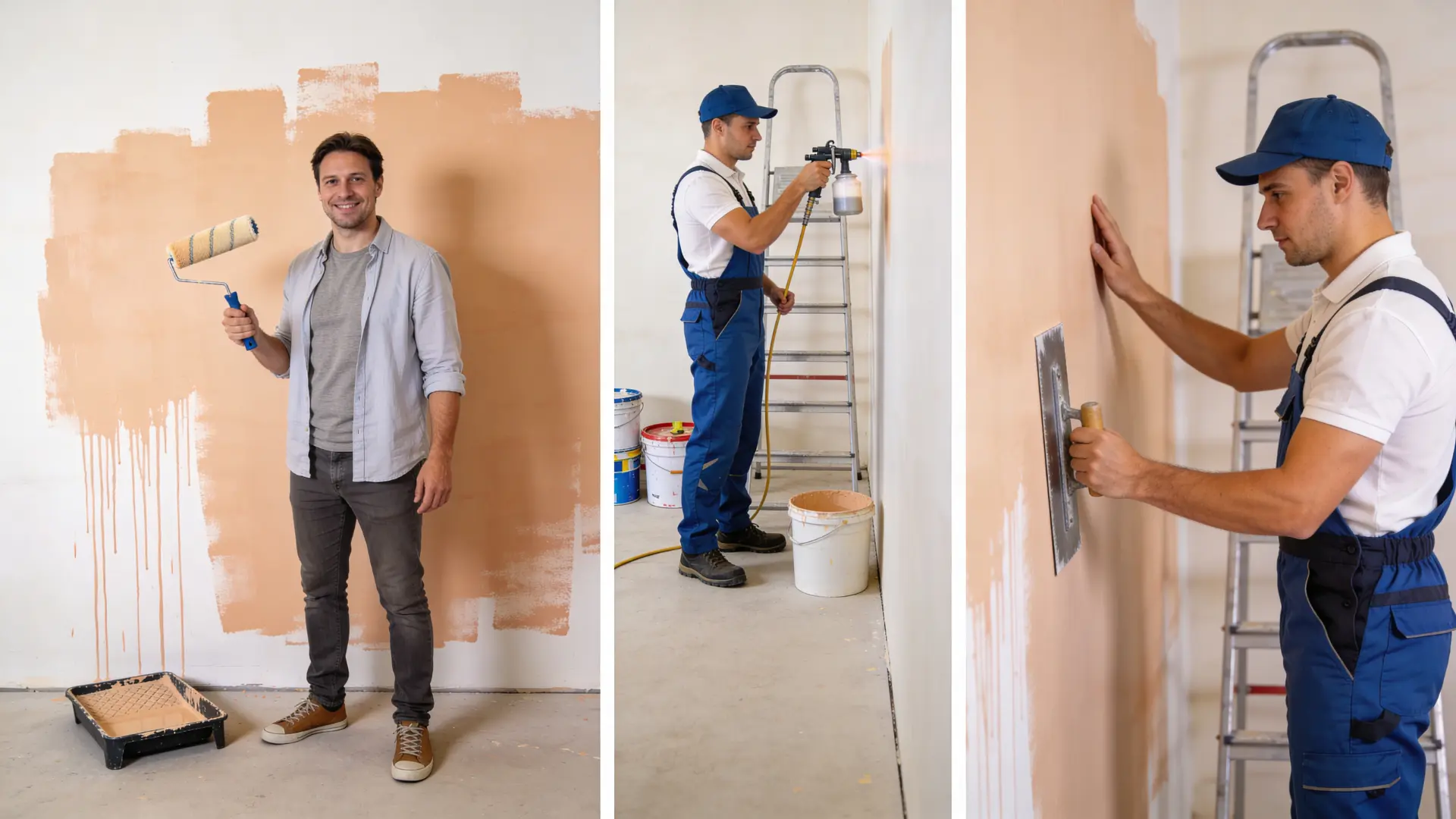
Many homeowners wonder whether to tackle an interior painting project themselves or hire professionals. The choice often depends on budget, time, and the desired finish.
DIY painting can save on labor costs, typically ranging from $200 to $600 per room for supplies. However, it requires purchasing equipment like rollers, brushes, and ladders, and can be time-consuming, especially for beginners.
Hiring professionals, on the other hand, costs between $2 and $6 per square foot or $300 to $800 per room. While pricier, professionals complete the job faster, handle all preparation, and ensure a consistent finish.
For small rooms or touch-ups, DIY may work, but for larger projects, professionals offer better efficiency and long-term value.
Ways to Save Money on Interior Painting
Interior painting can become expensive, especially for larger homes. A few smart choices can help reduce costs while still achieving good results.
- Prepare the space before painting: Move furniture, remove wall décor, and clean surfaces. This reduces labor time and lowers overall painting costs.
- Paint high-traffic areas first: Focus on spaces like living rooms, kitchens, and hallways. This refreshes the home without repainting every room.
- Use quality paint: Higher-quality paint may cost more upfront, but it provides better coverage. Fewer coats and longer durability help save money over time.
- Get multiple estimates: Request quotes from different painters before starting the project. Comparing prices helps find a better deal for the same work.
- Do small tasks yourself: Simple tasks like taping edges or minor prep work can be done without hiring help. This reduces the total labor cost.
These steps help manage the budget while still improving the overall look of the home.
Signs Your Home Interior Needs Repainting
Interior paint does not last forever. Over time, normal wear, sunlight, moisture, and everyday activity can cause walls to look dull or damaged.
Recognizing the early signs of aging paint can help homeowners refresh their space before the walls begin to look neglected.
A fresh coat of paint can improve the appearance of the home and protect wall surfaces from further damage.
Here are common signs that it may be time to repaint your home interior:
- Fading wall color: Sunlight and time can cause paint colors to fade, making rooms look dull or uneven.
- Peeling or cracking paint : Paint that begins to peel or crack often indicates moisture issues or aging paint layers.
- Visible stains or marks : Stains, scuff marks, and grease spots that no longer clean easily may signal the need for repainting.
- Frequent wall damage: Nail holes, dents, and scratches can accumulate over time, making walls appear worn.
- Outdated color choices: Older color schemes can make rooms feel dark or dated compared to modern interior styles.
- Chalking or powdery residue: As paint breaks down, it can leave a powdery residue on the surface.
Questions to Ask Before Hiring a Painter
Before hiring a painter, ask a few key questions to understand what is included in the project and avoid unexpected costs. A clear conversation with the contractor helps ensure the work meets your expectations.
1. What is included in the estimate?
Ask whether the quote includes labor, preparation work, paint, primer, and cleanup. Some estimates only cover walls, while ceilings, trim, or doors may be priced separately.
2. What type of paint will be used?
Different paint brands and finishes vary in quality and durability. Ask which brand will be used and how many coats are included in the project.
3. How much preparation work is included?
Preparation may involve sanding, patching holes, repairing drywall, or priming surfaces. Confirm what level of prep work will be completed before painting begins.
4. How long will the project take?
Understanding the timeline helps you plan around the work. Ask how many days the project will take and if the same crew will be present each day.
5. Is cleanup included after the job is finished?
Professional painters usually handle cleanup, but it is still important to confirm. Ask if they will remove tape, drop cloths, and leftover materials once the job is complete.
These questions help compare quotes, clarify the scope of work, and choose a painter who provides clear, reliable service.
Wrapping Up
Ultimately, understanding how much it costs to paint a house interior requires evaluating several factors: home size, paint quality, and the level of preparation needed.
Whether you choose to tackle the job yourself or hire a professional, knowing the typical costs involved will help you make an informed decision.
Remember, planning ahead and seeking multiple estimates can save you both time and money.
Ready to vamp up your space with a fresh coat of paint? Start by gathering quotes and take the first step toward a refreshed home today.