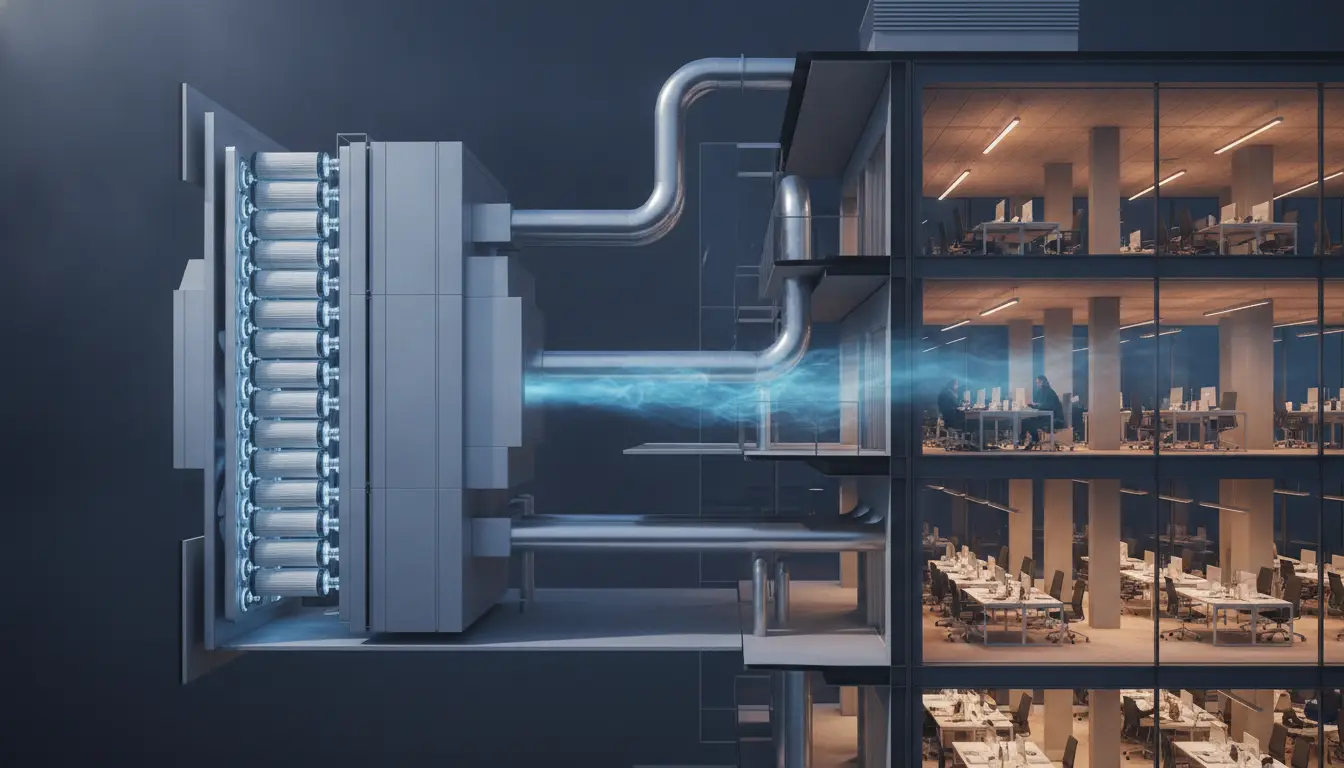
How Lutron Vive Wireless Controls Simplify Lighting Management
In commercial real estate, lighting has evolved from a background utility into a strategic lever for performance. Owners and operators now view illumination as a contributor to energy savings, tenant comfort, and environmental compliance. As utility rates rise and sustainability mandates expand, the pressure to modernize lighting infrastructure has intensified. What was once a simple matter of switching circuits on and off has become a sophisticated exercise in data driven management.
Traditional hardwired control systems often struggle to meet these new expectations. They demand significant upfront coordination, invasive installation, and costly reconfiguration when spaces change. In occupied buildings, retrofits can disrupt tenants and strain budgets. As a result, many property managers have postponed upgrades despite clear efficiency gains.
Wireless control platforms such as Lutron Vive respond directly to this challenge. By replacing extensive control wiring with secure radio frequency communication, Vive simplifies deployment while preserving advanced functionality. It allows facilities to modernize lighting systems without dismantling ceilings or interrupting daily operations. In a market where agility and cost discipline matter, that proposition carries weight.
Why Wireless Control Matters in Existing Buildings
Most commercial buildings in operation today were not designed with modern lighting codes in mind. They rely on legacy systems that lack granular dimming, occupancy sensing, or daylight integration. Retrofitting these properties with conventional wired controls can require tearing into walls and ceilings, creating noise, dust, and tenant dissatisfaction. Wireless technology alters this equation by dramatically reducing physical disruption.
Lutron Vive devices communicate wirelessly, allowing sensors, keypads, and dimming modules to coordinate without dedicated control wiring. This architecture enables phased upgrades. A facility team can begin with high impact areas such as conference rooms or open offices, then expand as budgets permit. The system grows with the building rather than forcing a single large capital outlay.
Equally important, wireless flexibility supports evolving tenant needs. Office layouts change, departments expand or contract, and new compliance requirements emerge. Because Vive configurations can be adjusted through software, lighting zones and scenes can be reprogrammed without rewiring. This adaptability transforms lighting from a fixed constraint into a responsive asset.
Building the Right Foundation with Compatible Hardware
A successful wireless lighting strategy begins with selecting the right components. Dimming modules, occupancy sensors, and load controllers form the backbone of the system. These devices must be reliable, code compliant, and capable of integrating seamlessly into a broader network. For contractors and facility managers, sourcing dependable hardware from established suppliers becomes part of the planning process.
Industry professionals often rely on established electrical supply partners that understand the technical and logistical demands of commercial retrofit projects. Reputable distributors such as BuyRite Electric provide access to advanced wireless lighting controls and compatible Vive system components suited for scalable installations. That can include Lutron PowPak dimming modules for 0–10V line-voltage applications, as well as Vive wireless hubs that support system setup, scheduling, integration, and centralized control across connected devices. By sourcing through knowledgeable suppliers, contractors can better coordinate compatibility, specification requirements, and long-term reliability from the earliest stages of project planning.
When paired with the Vive platform, these components create a flexible and scalable lighting network. The emphasis is not merely on hardware, but on how that hardware integrates into a unified system. By carefully aligning product selection with control objectives, installers can deliver advanced performance while minimizing disruption. This foundational step sets the stage for intelligent lighting management across the facility.
Intelligent Dimming and Responsive Environments
At the core of Vive’s value proposition is intelligent dimming. Rather than operating lights at full output throughout the day, the system adjusts levels based on occupancy and available daylight. In perimeter offices and open workspaces, sensors detect natural light and reduce artificial illumination accordingly. Over time, these incremental reductions translate into meaningful energy savings.
Occupancy sensing adds another layer of efficiency. Lights turn off automatically when rooms are vacant, eliminating reliance on manual switches. In conference rooms and private offices, this function prevents energy waste during idle periods. The system can also be programmed to restore preferred light levels when occupants return, preserving convenience and comfort.
Responsive dimming also enhances the user experience. Adjustable scenes support presentations, collaborative work, or focused tasks. Employees gain greater control over their immediate environment, which can improve satisfaction and productivity. By merging automation with personalization, Vive aligns operational efficiency with human needs.
Streamlined Installation and Lower Project Costs
Installation logistics often determine whether a lighting upgrade proceeds or stalls. Hardwired control systems require pulling new low voltage cabling across ceilings and through walls. This process can conflict with other trades and extend construction timelines. Wireless devices reduce these complications by eliminating most control wiring.
Because Vive components communicate over radio frequency, installers can mount and power devices with fewer physical connections. Commissioning is handled through intuitive software tools that assign zones, scenes, and sensor behaviors. Adjustments can be made after installation without opening walls or rerouting cables. This flexibility is particularly valuable in occupied buildings where downtime carries financial consequences.
Lower labor requirements translate into tangible cost savings. Shorter installation windows reduce disruption and accelerate project completion. For building owners balancing capital budgets with tenant commitments, these efficiencies can make the difference between postponing and executing an upgrade. Vive’s streamlined approach acknowledges these economic realities.
Centralized Oversight with Local Flexibility
Modern facilities demand both macro level insight and micro level control. Corporate operators seek portfolio wide visibility into energy performance. At the same time, occupants expect intuitive wall controls within their own spaces. Vive addresses these dual expectations through a layered control structure.
Centralized software platforms allow administrators to monitor energy usage, adjust schedules, and implement changes across multiple zones. Data from occupancy and daylight sensors provides insight into space utilization patterns. This information can inform broader operational decisions, including HVAC scheduling and capital planning. Lighting thus becomes part of a larger building intelligence ecosystem.
Yet local control remains integral. Wireless keypads and switches empower occupants to select scenes or fine tune light levels. This autonomy reduces frustration and discourages workarounds that undermine energy savings. By balancing centralized oversight with individual flexibility, Vive supports both efficiency and user satisfaction.
Meeting Energy Codes and Sustainability Goals
Energy regulations continue to tighten across jurisdictions. Requirements for automatic shutoff, daylight harvesting, and demand response are increasingly standard. Buildings that fail to comply risk penalties or diminished asset value. A comprehensive control system simplifies adherence to these mandates.
Vive integrates occupancy sensing, scheduling, and daylight responsive dimming into a cohesive framework. Instead of assembling disparate devices, project teams deploy a coordinated solution designed with code compliance in mind. Documentation and verification become more straightforward when controls operate as a unified system. This reduces administrative burdens and compliance risk.
Beyond code requirements, sustainability goals increasingly shape corporate strategy. Investors and tenants evaluate properties based on energy performance and environmental stewardship. Advanced lighting controls contribute directly to lower consumption and reduced carbon footprint. By modernizing lighting management, building owners strengthen both operational efficiency and market competitiveness.
A Strategic Investment in Building Performance
Lighting management now occupies a central role in commercial facility strategy. It influences operating expenses, tenant experience, and regulatory compliance. Lutron Vive wireless controls offer a practical path to modernization that avoids the disruption of traditional rewiring. Through scalable architecture, intelligent dimming, and simplified installation, the system addresses the multifaceted demands of contemporary buildings.
For facility managers, the appeal lies in measurable results and operational clarity. Energy savings, streamlined commissioning, and adaptable configurations create long term value. For contractors and specifiers, wireless technology reduces complexity and accelerates delivery. Each stakeholder benefits from a solution designed for real world conditions.
Ultimately, effective lighting management is about aligning infrastructure with evolving expectations. Vive demonstrates that modernization does not require upheaval. By combining advanced control with wireless flexibility, it transforms lighting from a static utility into a dynamic contributor to building performance.