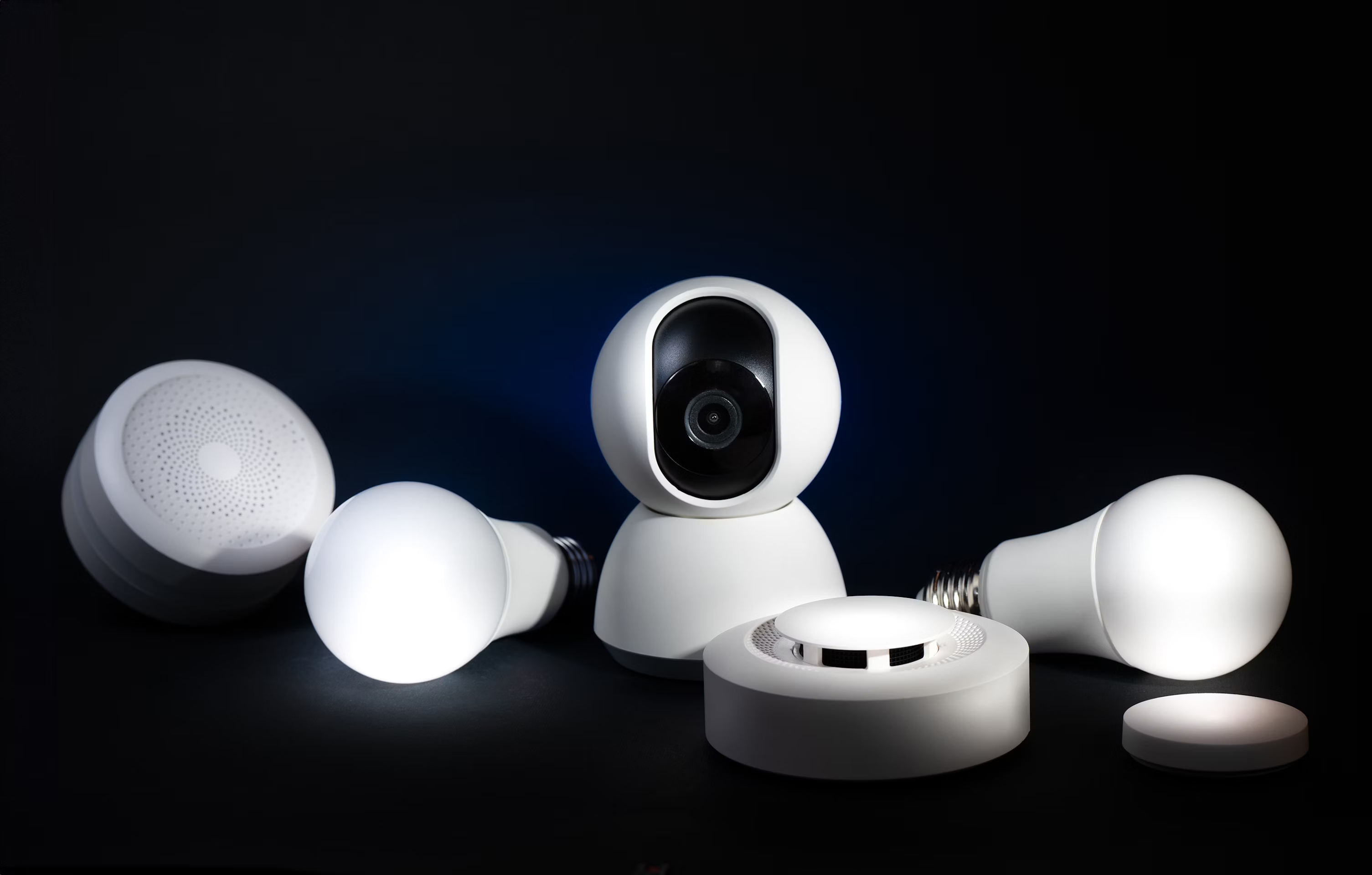
Guard Your Upgrades: 5 Best Home Insurance Comparison Sites for 2025
You’ve lime‑washed the brick, splurged on the artisan rug, and maybe even added a handcrafted stair‑landing bench. But the smartest design decision you can make this year isn’t a new sconce. It’s shielding every upgrade against relentless home insurance price surges that have plagued homeowners for the last five post-COVID years.
Nearly half of U.S. homeowners were hit with premium hikes over the past 12 months, the steepest jump in more than a decade. Analysts expect average costs to climb another 8% by year‑end, while three‑quarters of surveyed owners are bracing for even higher bills in 2026.
Switching carriers after a rate pop is the quickest way to recoup décor dollars. Trimming even $300 off a policy covers that statement pendant you’ve been eyeing. Yet comparison‑shopping can feel riskier than stripping wallpaper: some quote sites sell your details to agents who flood your phone and inbox. Others partner with just a handful of insurers, leaving savings on the table.
Below is a ranking of five comparison platforms that combine broad carrier access, transparent pricing and a commitment to data privacy. Skim the “best for” notes, match them to your coverage priorities, and collect quotes from at least two of them before you renew.
1. Insurify – Best all‑around for speed, depth and zero spam
- Carrier network: 500+ integrations (100+ for homeowners).
- User sentiment: 4.8/5 from 9,000+ reviews; BBB‑accredited.
- Why it tops the list: AI‑driven quotes in under two minutes and a strict no‑spam promise. You can preview bundling and smart‑home‑sensor discounts without sharing personal contact info.
- Best for: Homeowners who want the widest market check in the least time and who have zero tolerance for spam.
2. Compare.com – Best for bundle hunters and desktop shoppers
- Carrier network: About 120 property and casualty insurers plus dozens of regional auto partners, giving robust home‑and‑auto bundle visibility.
- Trust factors: A+ BBB rating with 10 years of accreditation and minimal complaints; Trustpilot score 4.7/5 across 250+ reviews.
- User experience: Clean, ad‑free interface built for laptop users. The homepage highlights a “no spam” pledge.
- Best for: DIY researchers comparing multi‑policy discounts on a big screen.
3. Policygenius – Best educational content, solid for complex coverage gaps
- Strengths: Deep library of plain‑English explainers on dwelling limits, ordinance‑or‑law add‑ons and hurricane deductibles – a boon if your latest reno raised your rebuild cost.
- Reputation: 4.6 Trustpilot rating from 5,900+ reviewers; BBB A‑ with 25 complaints over 12 years.
- Limitations: Smaller homeowners‑carrier panel (a few dozen) rather than the leaders; some quotes require a quick phone chat before final pricing.
- Best for: Readers juggling upgrades like solar panels, studio‑shed offices, who need guidance on endorsement choices.
4. Zebra – Best interface, but mind the mixed feedback
- Interface perks: Slider tool shows how raising deductibles or adding smart‑leak sensors shifts your premium in real time.
- Reviews: Trustpilot 4.6/5 from 2,100+ users, yet Sitejabber posts a 2.9‑star average with data‑sharing concerns.
- Best for: Rate‑testers who love interactive tools and can handle occasional marketing emails.
5. Gabi – Mobile‑first niche pick with limited track record
- What it is: An app‑centric broker offering “apples‑to‑apples” policy matches in minutes.
- Concerns: Sparse homeowner‑specific reviews; BBB shows just two customer ratings, averaging 1/5. Carrier panel caps around 40.
- Best for: Tech‑savvy homeowners who already manage finances on their phone and want a quick second opinion. You should still cross‑check with a larger site.
Your next move
If you only have room to test two platforms, start with Insurify for its market depth and privacy stance, then run the same profile through Compare.com to pressure‑test bundle pricing. Lock in the better deal, set a calendar reminder to repeat the exercise next renewal, and funnel every dollar you save toward your next project (or emergency fund).
Design may make a house feel like home, but the right insurance keeps that feeling secure – and comparison‑shopping is the easiest renovation you’ll never see.