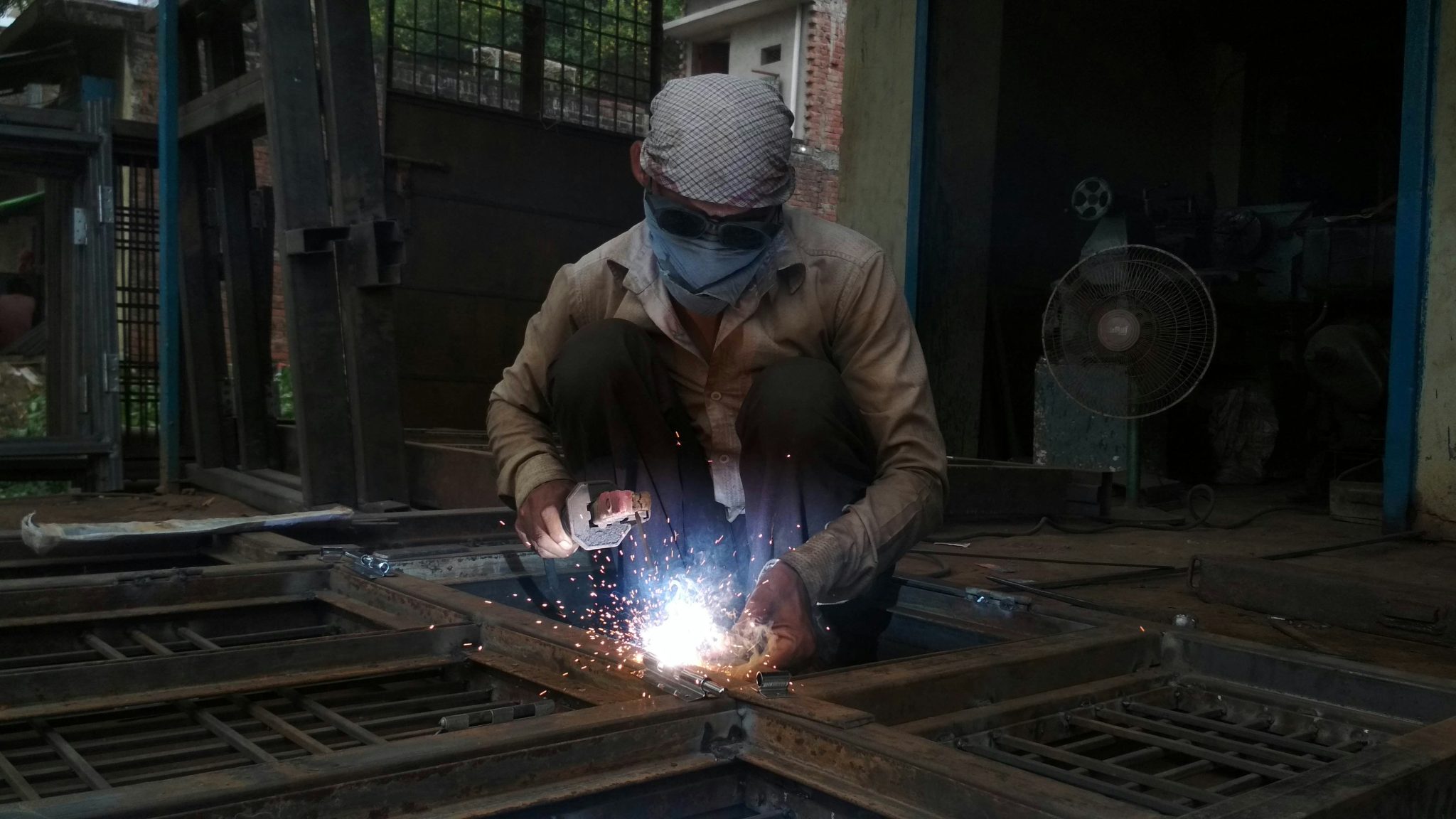
Fire Watch for Welding Operations and the Push for Safer Worksites
Welding is a cornerstone of modern industry, from constructing skyscrapers to maintaining essential infrastructure. Yet, the very process that allows metals to fuse under intense heat also presents significant fire hazards. Sparks, molten metal, and extreme temperatures can quickly escalate into dangerous fires if precautions are not strictly enforced. In response, the role of fire watch personnel has become increasingly critical in protecting workers, property, and compliance standards on industrial sites.
Understanding the risks and regulatory expectations surrounding welding operations is vital for creating safer worksites. The integration of dedicated fire watch practices demonstrates a proactive approach to mitigating fire incidents, enhancing both employee safety and operational efficiency.
The Risks Inherent in Welding Operations
Welding is not inherently unsafe, but the conditions under which it occurs can transform a routine task into a major hazard. High temperatures, sparks, and ultraviolet light all contribute to an environment where flammable materials can ignite in seconds. Industrial settings often contain substances such as solvents, oils, plastics, and gases, which amplify the potential for fire.
According to the National Fire Protection Association (NFPA), welding, cutting, and other hot work activities contribute to a substantial number of workplace fires annually. Beyond immediate property damage, such incidents can result in injuries, lost productivity, and significant financial liability. In some cases, failure to adhere to fire safety regulations can also lead to legal penalties and insurance complications.
What a Fire Watch Entails
A fire watch is more than just a precautionary measure; it is a structured safety protocol designed to monitor welding operations and respond quickly if a fire occurs. Fire watch personnel are trained to recognize potential hazards, maintain constant vigilance during welding tasks, and act decisively in the event of an incident. Their responsibilities often include:
- Inspecting the workspace before welding begins to remove or protect flammable materials.
- Maintaining a presence during welding operations to detect sparks or flames early.
- Having immediate access to firefighting equipment, such as extinguishers or hoses.
- Monitoring the area for a prescribed period after welding concludes, ensuring no smoldering embers remain.
Fire watch duties are governed by standards such as NFPA 51B, which provides detailed guidance for fire prevention during cutting and welding operations. Adhering to these protocols not only safeguards personnel but also supports regulatory compliance, reducing the risk of fines and operational shutdowns.
Why Industries Are Prioritizing Fire Watch for Welding Operations
The adoption of fire watch procedures reflects a broader industry shift toward proactive risk management. Companies increasingly recognize that preventing fires is far less costly than responding to them. Beyond financial considerations, maintaining a fire-safe environment fosters trust among employees, stakeholders, and regulatory bodies.
Technological advancements have made fire watch duties more effective. Infrared sensors, mobile monitoring systems, and automated alerts can complement human vigilance, ensuring a rapid response to potential fire incidents. Integrating these tools with trained fire watch personnel creates a layered safety strategy that reduces the likelihood of catastrophic events.
Some sectors, such as oil and gas, chemical manufacturing, and construction, have particularly high stakes when it comes to welding operations. For these industries, fire watch programs are not optional but essential. Establishing rigorous safety standards—including the strategic deployment of fire watch personnel—aligns with both ethical responsibilities and industry best practices.
Implementing Effective Fire Watch Protocols
To maximize the effectiveness of fire watch measures, organizations should focus on comprehensive training, clear operational guidelines, and continuous evaluation. Personnel assigned to fire watch roles must understand the hazards specific to each job site, including the types of flammable materials present and the potential spread of sparks or embers.
Regular drills and scenario-based training enhance preparedness, ensuring that fire watch staff can respond confidently under pressure. Employers should also maintain detailed records of fire watch activities, demonstrating diligence in compliance with NFPA regulations and local safety codes.
Collaboration across departments is another critical element. Welding crews, safety officers, and fire watch personnel must communicate seamlessly to identify risks, share real-time observations, and coordinate responses. When these protocols are consistently applied, workspaces experience fewer incidents, and overall operational resilience improves.
The Broader Impact on Workplace Safety Culture
Implementing a fire watch for welding operations signals a commitment to a safety-first mindset. Workers are more likely to follow safety procedures when they see that management prioritizes fire prevention. This cultural shift extends beyond welding, influencing other aspects of occupational health and safety.
A strong safety culture can also enhance workforce morale and retention. Employees who trust that their employer values their well-being are more engaged, attentive, and proactive in identifying hazards. From a regulatory perspective, organizations demonstrating comprehensive safety measures are better positioned during inspections and audits, reducing the likelihood of violations or costly shutdowns.
Conclusion
Fire watch for welding operations is no longer a supplementary safety measure; it is a critical component of modern industrial risk management. By understanding the hazards inherent in welding, employing trained fire watch personnel, and integrating technological monitoring tools, organizations can significantly reduce the risk of fire-related incidents.
Prioritizing fire watch responsibilities not only protects employees and property but also aligns with regulatory standards and industry best practices. The proactive approach to fire prevention fosters a culture of safety, operational continuity, and accountability—benefits that extend far beyond individual worksites.