
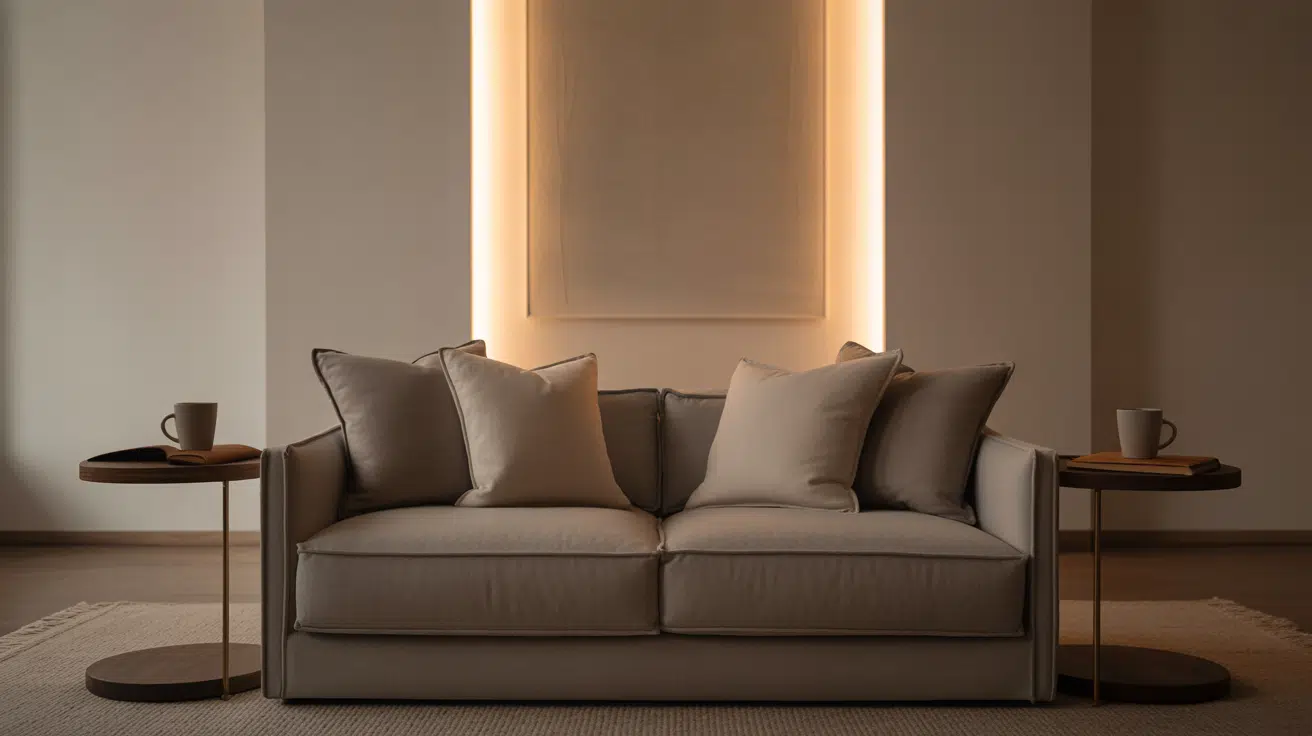
End Table Height Guide for a More Useful Home
Have you ever reached for your coffee and knocked it over because your end table was too high or too low? I’ve done it too it’s more common than you’d think.
The height of your end table can really change how comfortable your space feels and how easy it is to use day to day.
In this guide, I’ll show you why table height matters and how you can pick the right size for your living room, bedroom, or even your office.
I’ll also share a few common mistakes I’ve seen people make and how you can avoid them. Once you get the height right, your space will feel better for reading, relaxing, snacking, or just hanging out.
Ready to fix it with one simple change?
Should Your End Table Match the Height of Your Couch?
The height of your end table matters more than you might think. When a table is too tall or when it’s too low this can make sitting on your couch less comfortable.
Most living rooms work best with end tables that line up with your sofa’s arms. This usually means tables between 22-24 inches tall.
But your needs might be different. How you use your end table changes what height works best. Tall lamps need higher tables. The right table height also helps your furniture look balanced.
Tables that match your sofa arm height create a clean, orderly look in your room.
Standard End Table Heights
Here’s a handy cheat sheet to help you choose the right height by room function. Keep these numbers in mind as you shop, but remember that your own furniture might need slight adjustments.
- Living Room: 22–26″ tall end tables work best with sofas and sectionals.
- Bedroom: 24–28″ tall nightstands align well with mattress top height.
- Home Office: 20–24″ end tables pair nicely with lounge or reading chairs.
- Small Spaces: 18–22″ tables fit better with armless, compact furniture.
These suggestions push both comfort and style, making your rooms more functional for daily life.
How to Measure Furniture for the Right End Table Height
Getting the right height for your end table makes your space more comfortable and easier to use. To measure it correctly, start by sitting in your usual spot on the couch or chair.
Use a tape measure or ruler to find the distance from the floor to the top of your sofa arm. This gives you your baseline height. If you’re placing a table next to your bed, measure from the floor to the top of your mattress instead. Once you have that number, add about 2 to 3 inches (or 5 to 7 centimeters).
The added height makes it easier to reach items like a drink, book, or lamp without stretching or leaning. Write the number down so you don’t forget. You can also ask someone to help if needed. A little bit of careful measuring goes a long way, it helps you pick a table that feels just right and makes daily life smoother.
Finding the Right End Table Height for Every Piece
The height of your end tables makes a big difference in how well they work with your furniture.
Sofas and Sectionals
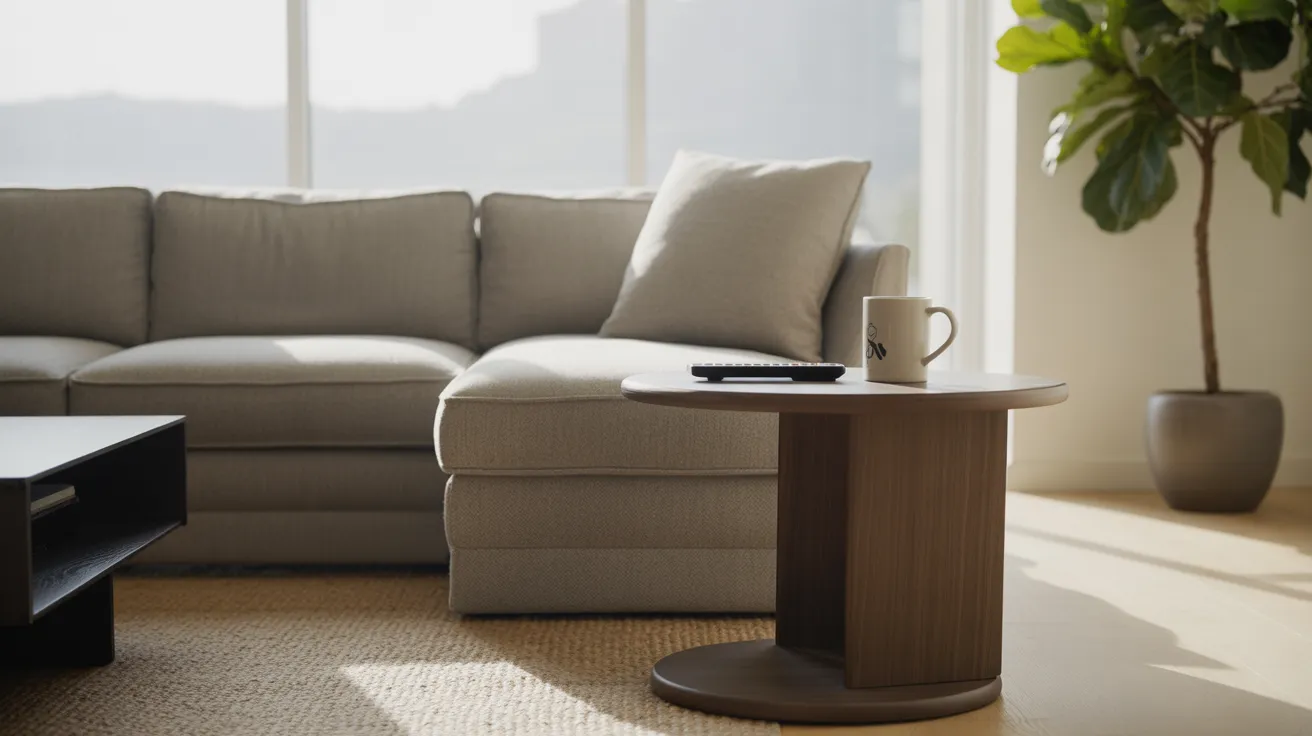
Select tables that sit within 1-2 inches of your sofa arm height for the best balance. Most sofas have arms between 24-26 inches high, so tables around 24 inches work well.
When table tops match arm height, you can set drinks down without looking and avoid bumping items off when standing up. This height also keeps items like remote controls within easy reach.
Platform and High Beds
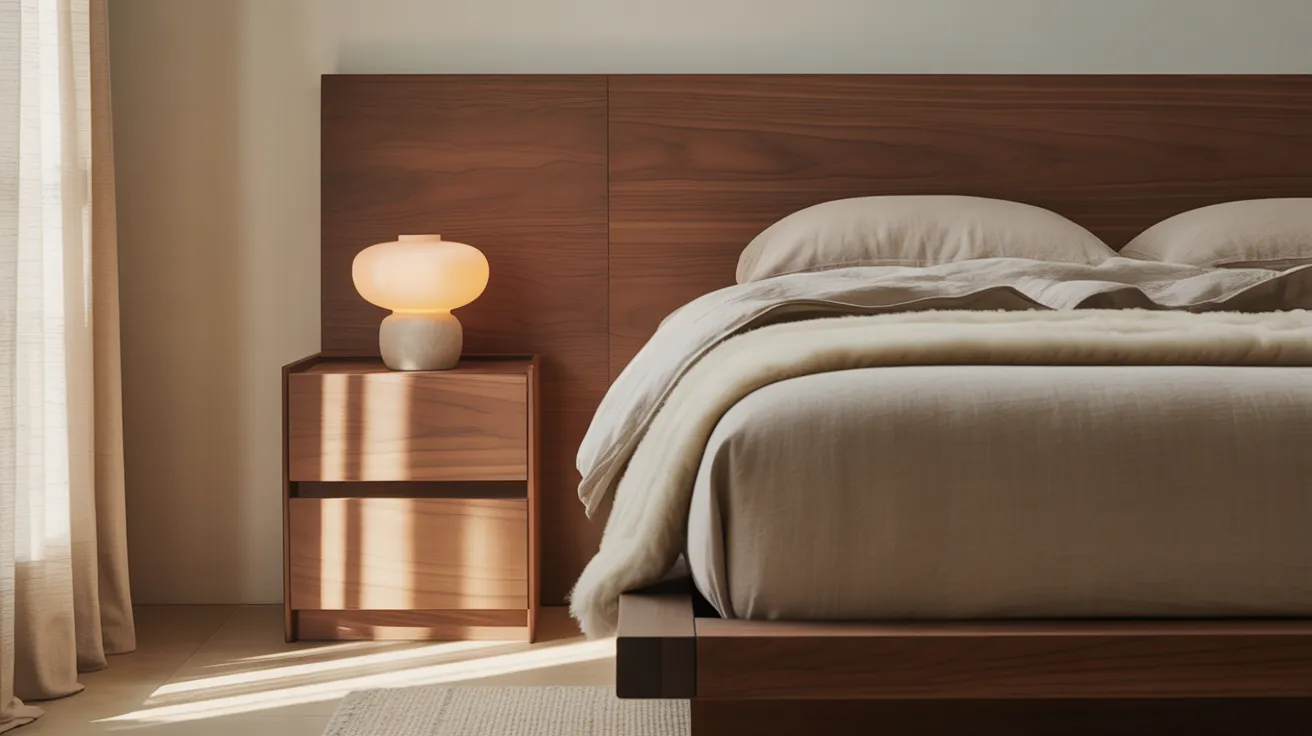
Higher nightstands work better with tall platform beds because they reduce how far you need to reach down. For a 28-inch mattress height, try tables around 30 inches tall.
Tables with drawers give you storage for books and personal items, while open shelves make it easy to grab things quickly. The right height means no stretching when turning off lamps.
Accent Chairs & Recliners
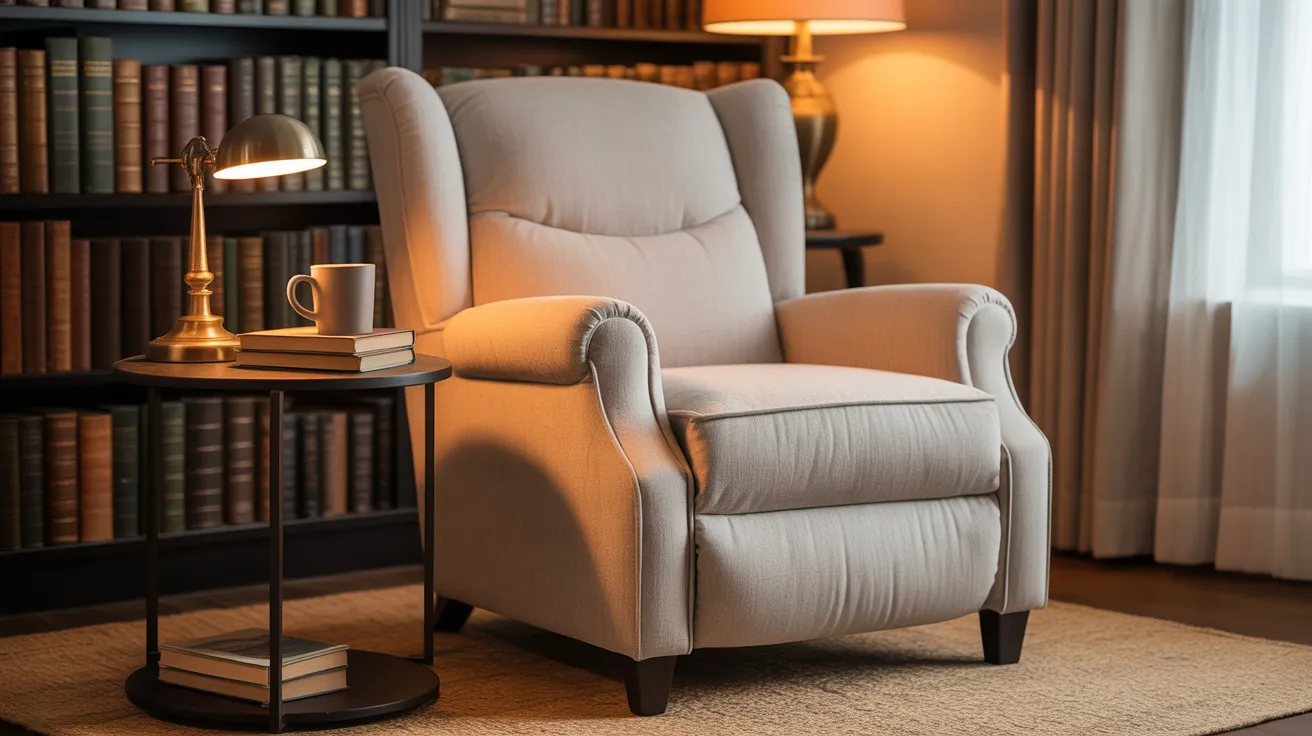
Choose lower tables (18-22 inches) to match the sloped arms on most accent chairs and recliners. This height keeps drinks and books at a natural arm position.
Too-tall tables next to recliners can hit your elbows when you lean back or try to get up. Small round tables work especially well since they can tuck closer to the chair.
How Table Height Affects Everyday Use
The height of your end table affects how useful it is in your daily life. Tables that are too high or low can make simple tasks hard, while the right height makes your room work better.
For Lamps and Lighting
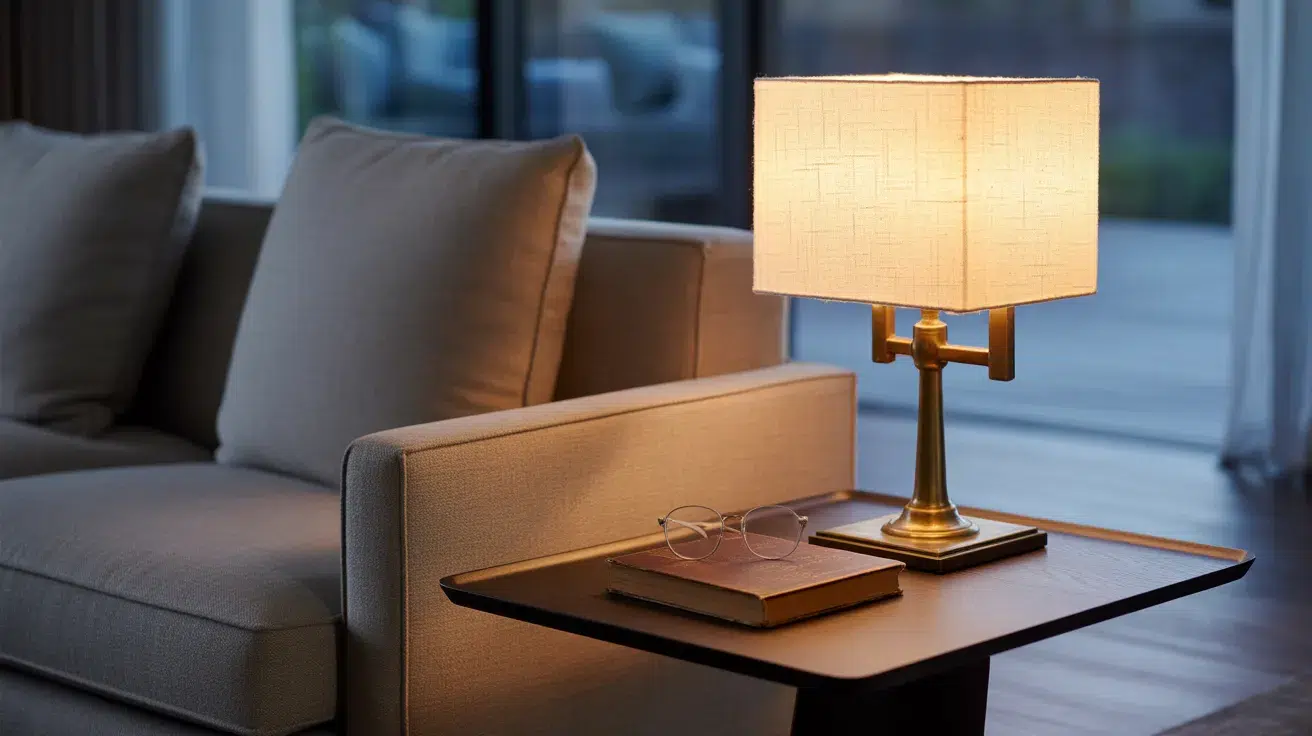
Table height must match lamp base height for ideal eye level. When you sit next to a lamp, the bottom of the lampshade should line up with your eyes.
This stops light from shining directly in your face and helps you see books or phones without shadows.
Shorter lamps need taller tables, while taller lamps work well on lower tables to keep the light at the right spot.
For Storage and Styling
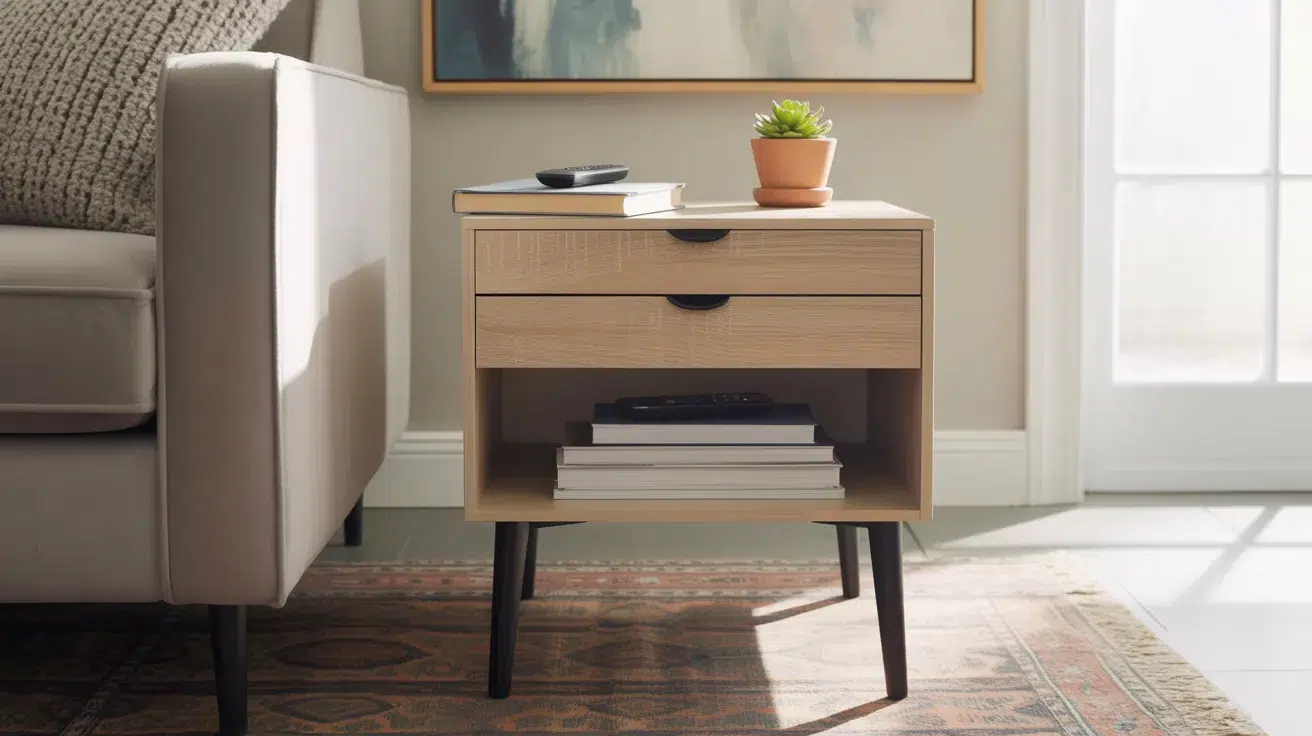
Taller tables offer more drawer options. Higher end tables give space for deeper drawers or extra shelves underneath, making them good for hiding remote controls, books, or gaming items.
Shorter tables work better for showing off rugs or wall art since they don’t block the view. Low tables also make small rooms feel bigger by keeping open space above them.
Common Mistakes to Avoid
When selecting end tables, many people focus only on style and overlook height issues. This can lead to rooms that look odd or feel hard to use.
- Tables sitting too high above sofa arms create awkward reaching and disrupt the room’s visual flow.
- Different table heights in the same room look disjointed and create a random rather than planned appearance.
- Improper table heights for lamps cause poor light distribution and create an unbalanced visual effect.
- Not considering who uses the furniture most often leads to daily discomfort for taller or shorter people.
- Short tables with tall sofas force excessive bending, causing strain when reaching for drinks or items.
- Tables extending into walkways create obstacles and safety issues in high-traffic areas of your home.
These basic mistakes can throw off your room’s look and make daily use less comfortable. Simple fixes can help.
Conclusion
End table height might seem like a small thing, but it can make a big difference in how your space feels. When your table is the right height, you don’t need to reach too far or bend down just to set something down. It fits how you live.
I made the mistake once of skipping the measuring part and it didn’t work out. Now, I always check the height against my sofa or bed. It helps the room feel more put together and easier to use.
So before you pick a table, take a minute to measure. Think about how you’ll actually use it. And if you want more tips that keep your space simple and smart, check out the other posts on the blog.


