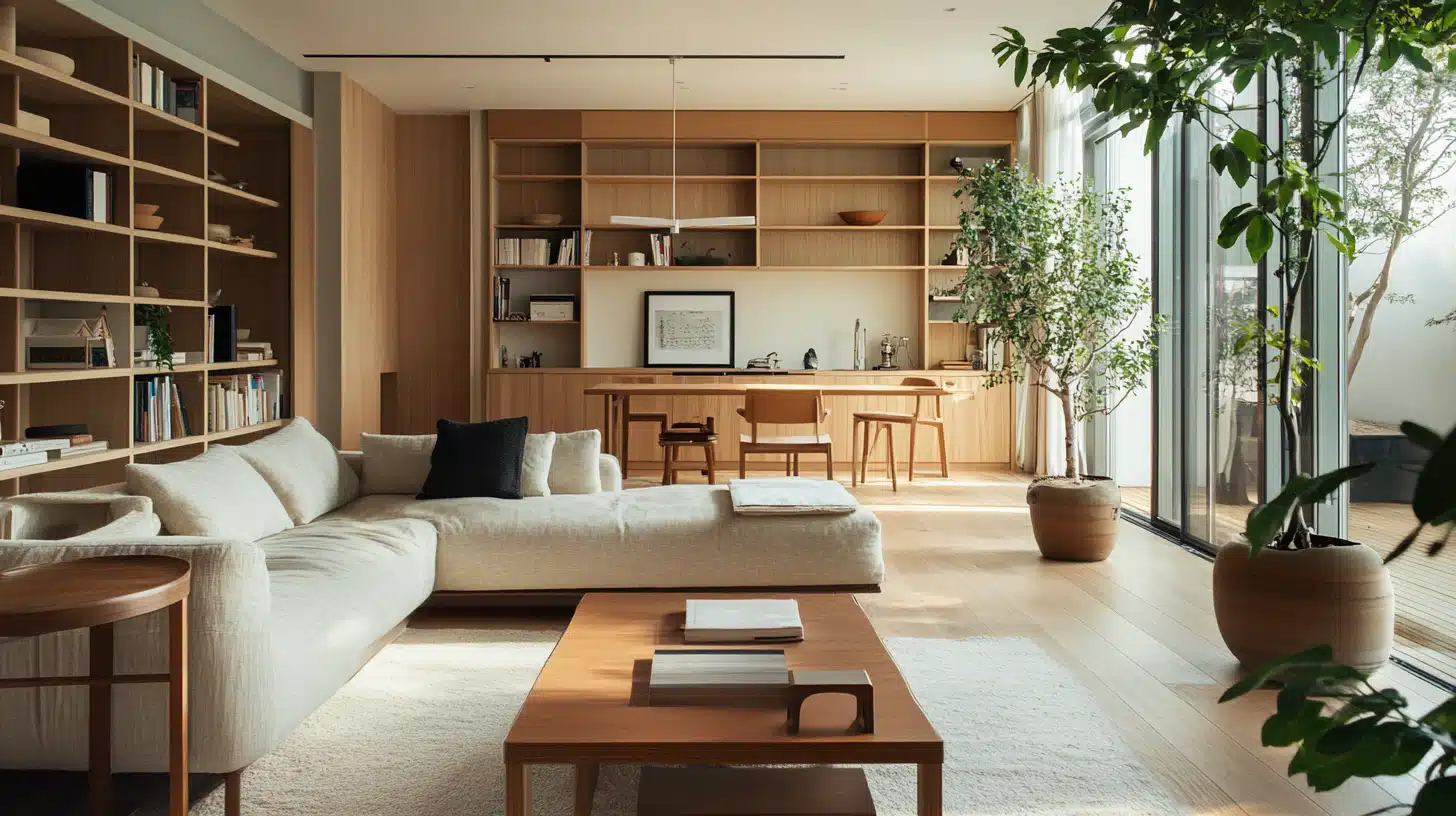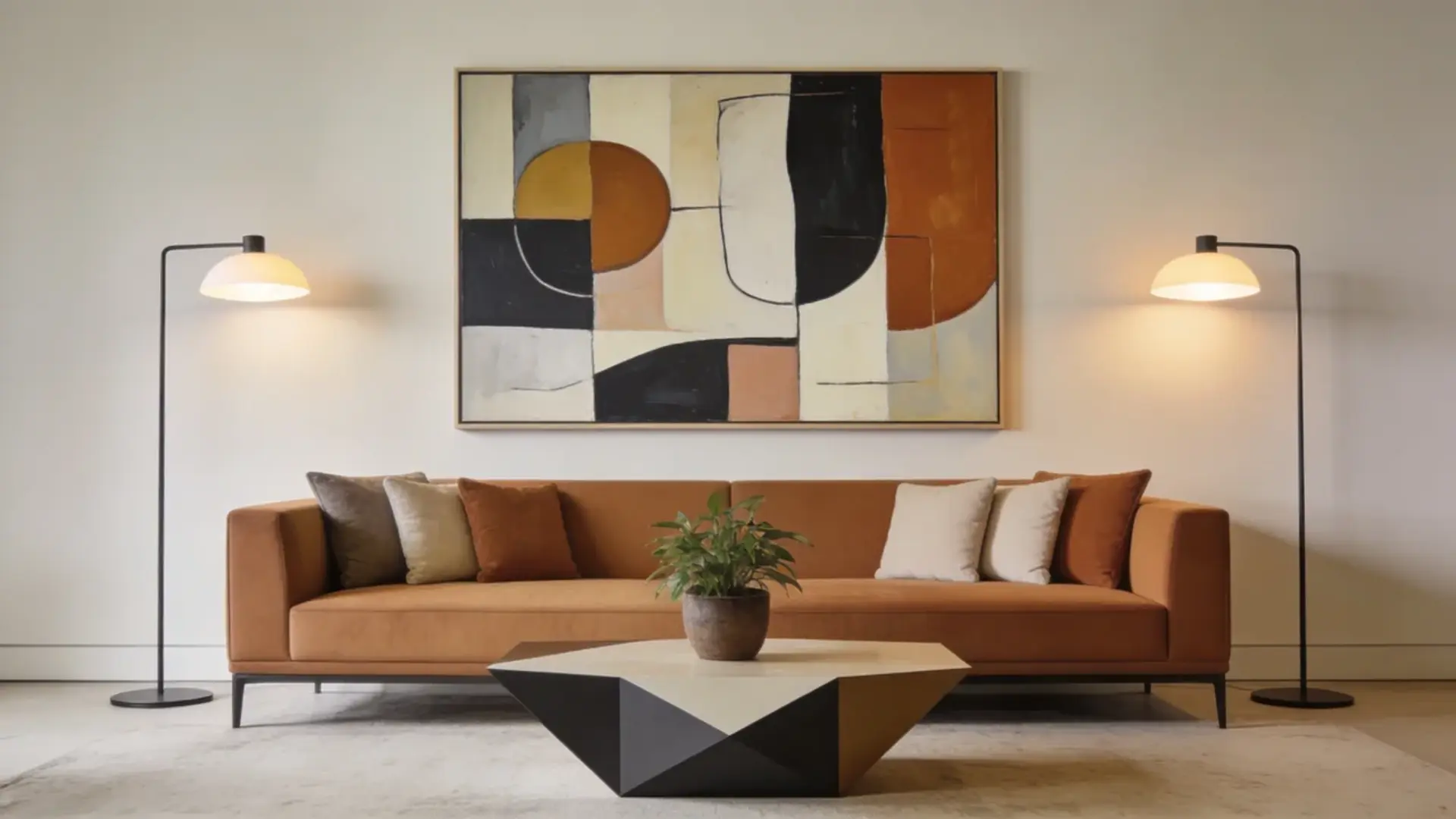
What Is Emphasis in Interior Design? Simple Guide
Have you ever entered a room and noticed one thing first? It could be a painting, a sofa, or even a light.
That moment is not random. It is a result of a design principle called emphasis.
In interior design, emphasis helps one element stand out clearly in a space. It creates a focal point that gives the room a sense of direction.
In this blog, you will understand what emphasis means, how it works, and why it matters.
You will also learn what happens when it is not used correctly.
What Is Emphasis in Interior Design?
When you walk into a room, your eyes don’t look everywhere at once. They go to one spot first. The first point of attention in interior design is called emphasis.
Emphasis means creating a main focal point that stands out more than everything else in the space. It helps guide where people look and how they experience the room.
Without emphasis, all elements appear equal. This makes it harder to identify what matters in the space. With emphasis, one element stands out clearly. The rest of the design supports it.
There is a starting point, and the rest of the design supports it. At its core, emphasis is about controlling attention. It is not just about making something look nice. It is about deciding what should be seen first, second, and last.
For example:
- A bold painting on a plain wall becomes the focal point
- A large sofa in the center draws immediate attention
Why Emphasis Is Necessary in a Room?
A room without emphasis often feels unclear. Your eyes move around but don’t settle anywhere.
This happens because the brain looks for a clear visual order. It wants one element to lead and the rest to follow.
| Without Emphasis | With Emphasis |
|---|---|
| The eye keeps shifting from one object to another | The eye lands on one clear focal point |
| No single element stands out | One element clearly stands out first |
| The space feels cluttered or flat | The room feels organized and easy to read |
| Everything competes for attention | Every element looks placed with purpose |
This works because the brain prefers a clear order. One element leads, and the rest follow.
How Emphasis Works in a Space
The way your eyes move through a room isn’t random. They follow a built-in path that designers can shape through emphasis, deciding what gets noticed first, what comes next, and what fades into the background.
The flow usually plays out in four quick steps:
- Eye grabs the boldest element first
- Attention pauses on that focal point
- Gaze drifts to nearby supporting pieces
- The full room registers as one connected setup
Core Elements That Create Emphasis
Emphasis is not random. It is created using specific design elements that control attention.
These elements work because they make one part of the room stand out more than the rest:
Contrast (Color, Texture, Pattern)
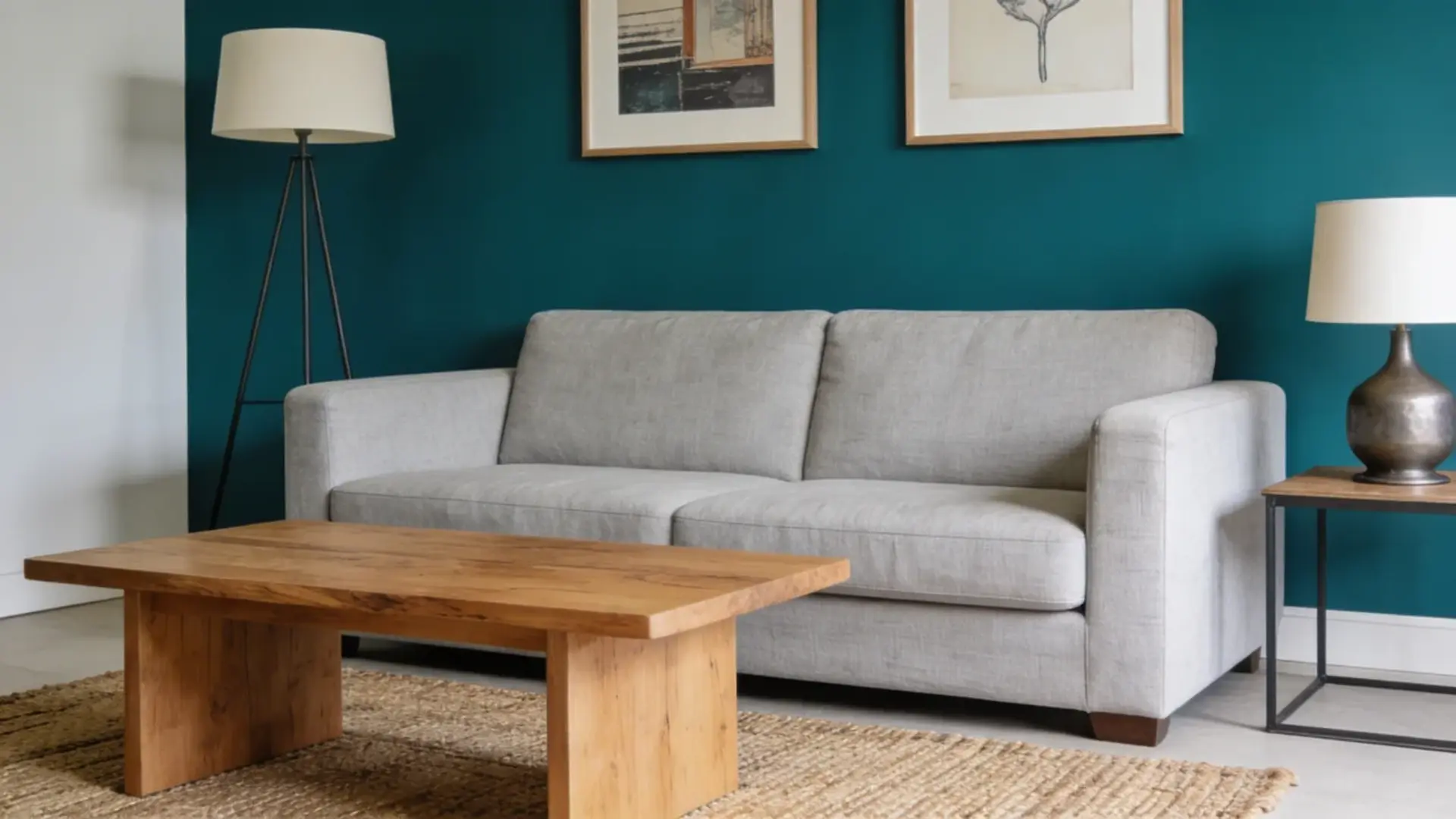
Contrast creates difference, and the eye naturally notices what looks different first. A bold color against a neutral background immediately stands out.
This works because contrast breaks uniformity and creates visual tension. If too many contrasting elements are used, the effect weakens and nothing feels dominant.
Scale and Proportion
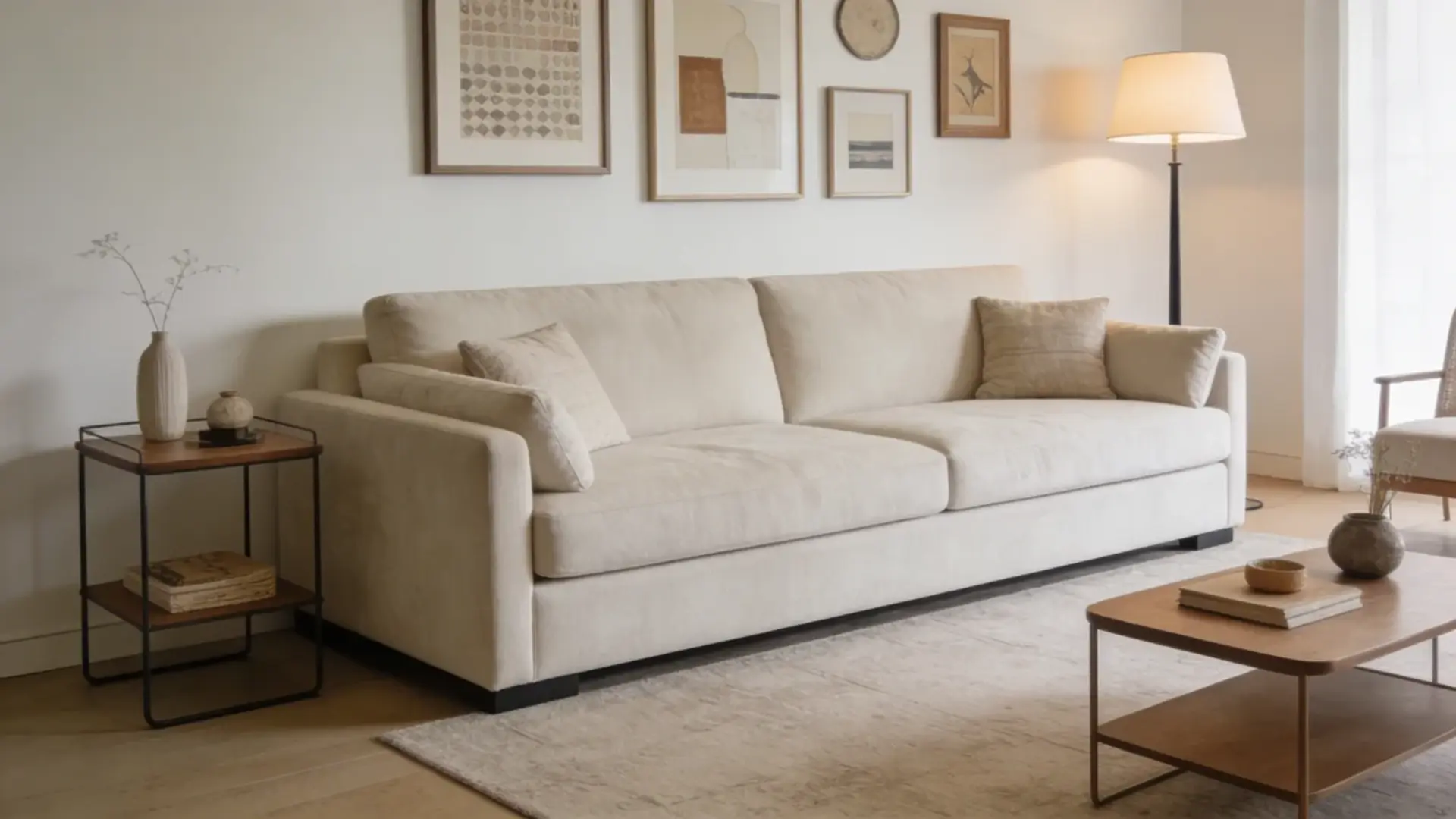
Scale controls how important something feels in a space. Larger elements naturally attract more attention than smaller ones.
- Larger items dominate visual space and become focal points
- Smaller items support and balance the main element
- Proper proportion keeps the room comfortable and readable
If the size is too large, it overwhelms the space. If too small, it fails to create emphasis.
Placement and Positioning
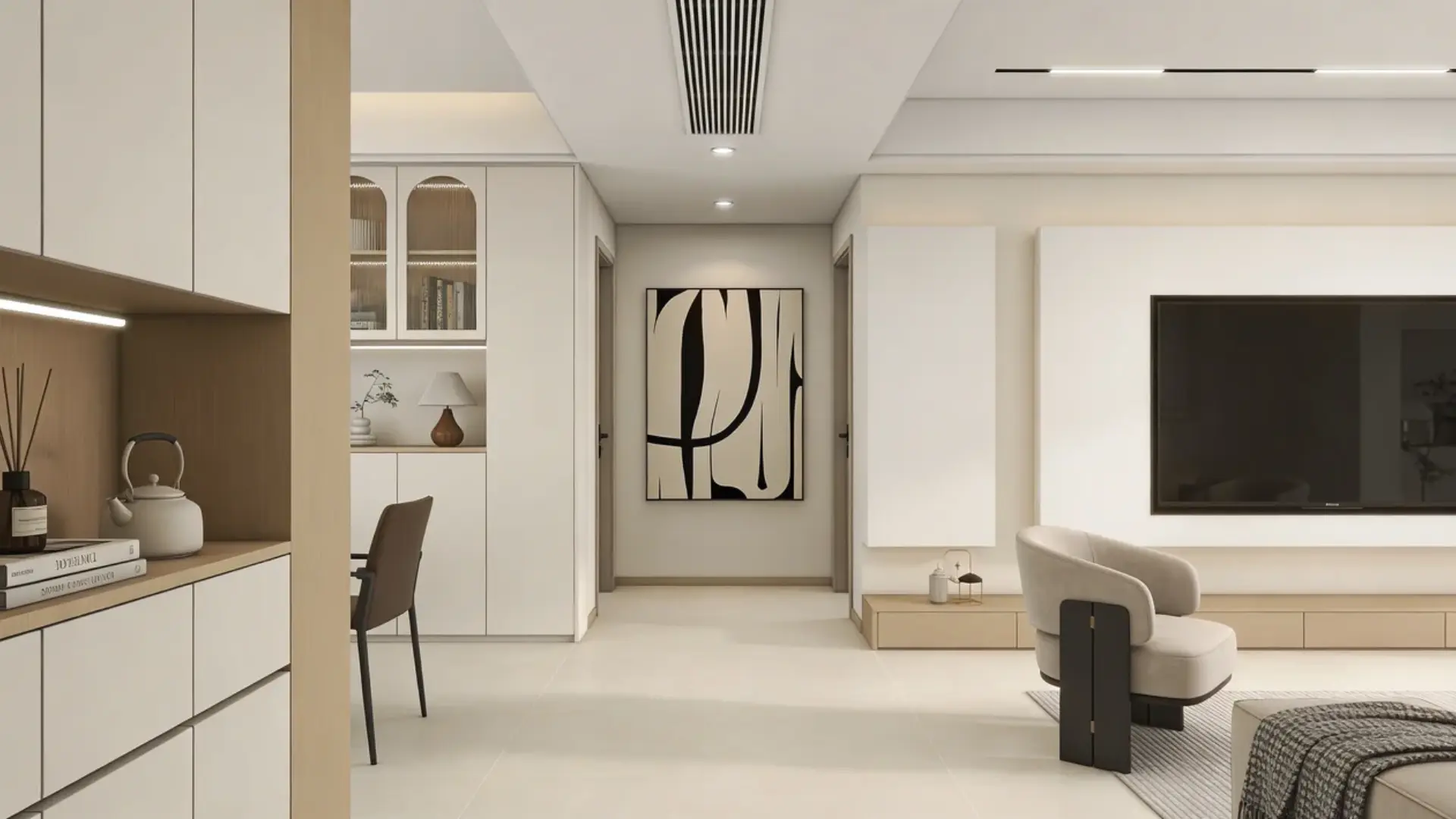
Placement decides how quickly something is noticed in a room. Objects placed in direct sightlines get attention first.
This works because the eye follows natural movement paths when entering a space. If a focal point is hidden or off-axis, it loses impact and may be ignored.
Lighting and Illumination
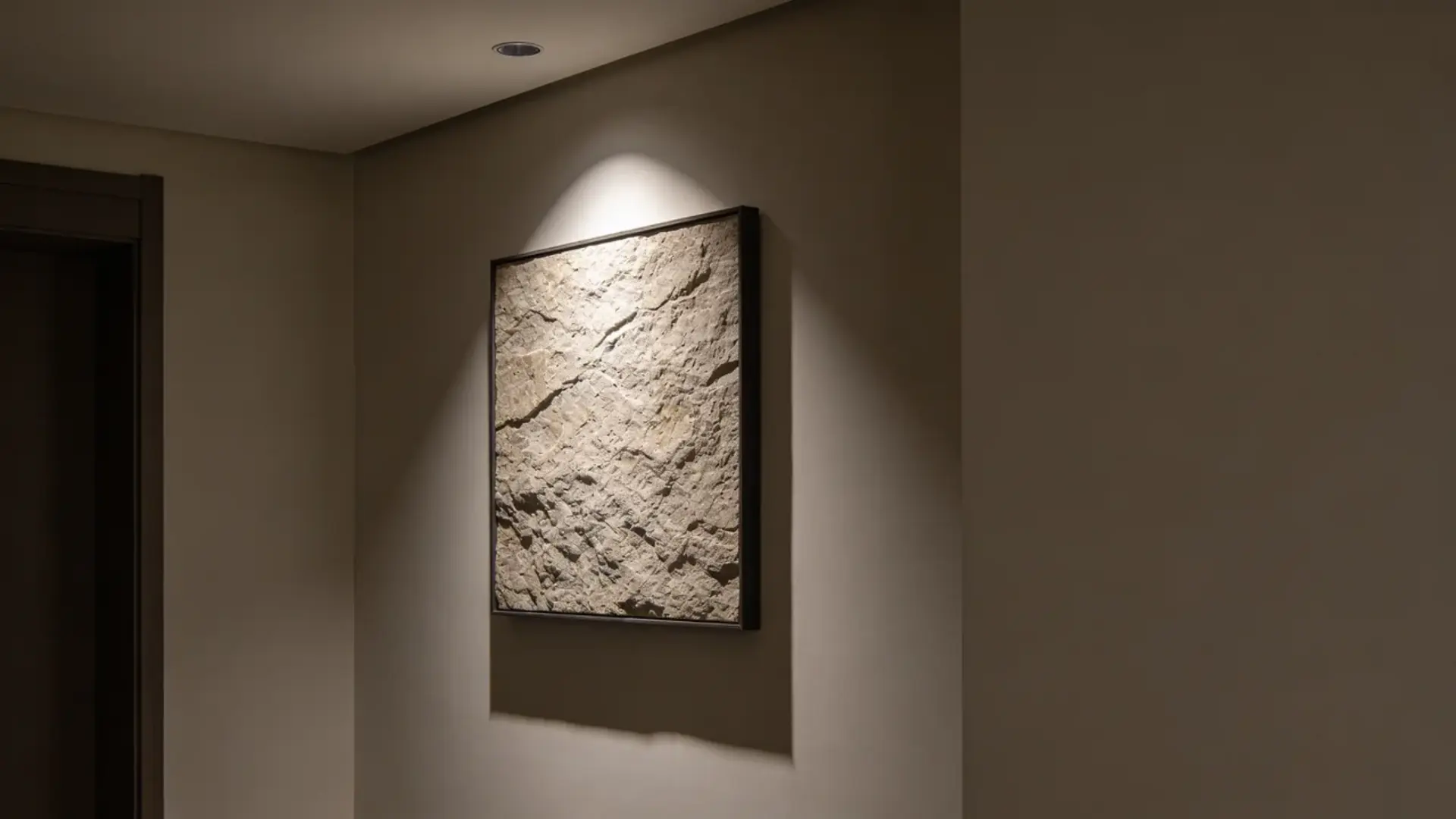
Lighting directs attention by making certain areas brighter than others. The eye always moves toward light before darker zones.
- Bright lighting highlights key elements clearly
- Dim surroundings increase contrast and focus
- Directional lights guide where to look
If lighting is evenly spread, nothing stands out. This removes hierarchy and weakens emphasis.
Isolation (Use of Space)
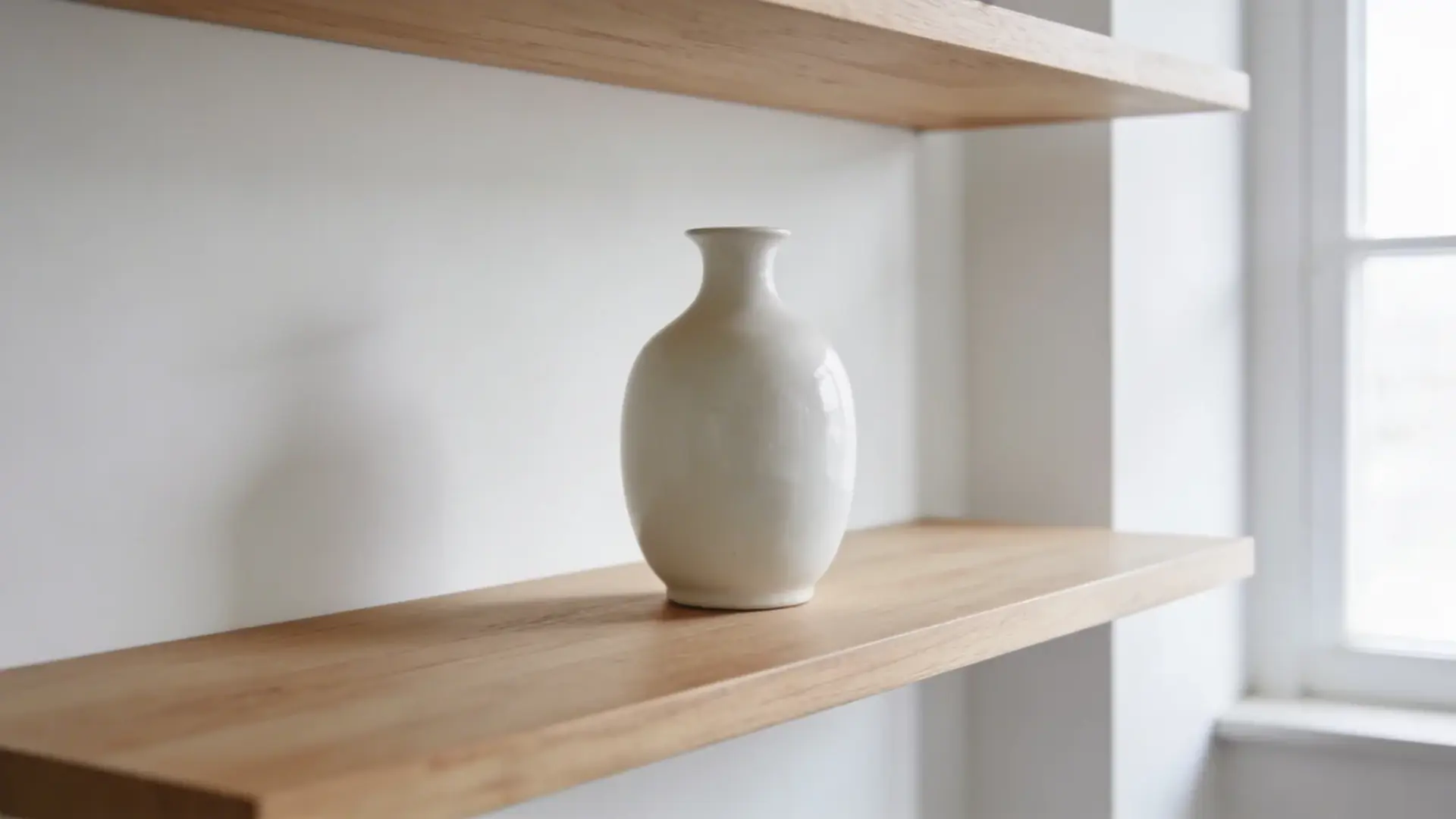
Isolation works by reducing competition around an object. When surrounded by empty space, the element becomes more noticeable.
This happens because the eye focuses on what has less distraction nearby. If too many items are placed together, the focal point gets lost and attention spreads unevenly.
Common Ways Emphasis Appears
Every room has its own natural focal point, shaped by how people enter, sit, and move through the space. Once you know where attention typically lands, choosing the right element becomes much easier.
Here’s a quick look at the most common focal points by room:
| Room | Focal Point | Why It Works |
|---|---|---|
| Living Room | Fireplace or large artwork | Sits in direct line of sight |
| Bedroom | Headboard or accent wall | Anchors the biggest piece in the room |
| Dining Area | Hanging light over the table | Frames the gathering spot |
| Hallway | Statement wall or mirror | Anchors a long, narrow path |
| Bathroom | Vanity mirror or tub | Most-used, most-visible spot |
| Kitchen | Range hood or island | Centers the cooking zone |
What Happens When Emphasis Fails
Emphasis does not always work as intended. When done wrong, it can disrupt the entire room. One common issue is having too many focal points.
When multiple elements try to stand out, the eye keeps shifting and cannot settle. Another problem is weak contrast. If nothing looks different enough, no element attracts attention.
Over-decoration also creates confusion. Too many items compete, making the space feel crowded and unclear.
Poor placement can reduce impact as well. If the focal point is not in a visible area, it often goes unnoticed. All of this breaks the visual flow. The room loses structure and feels visually unsettled.
This happens because the brain cannot find a clear starting point. Without a clear order, everything feels equal and hard to understand.
Emphasis vs Other Design Principles
Understanding how emphasis compares with other principles helps clarify its role. Each principle has a different function, but they work together in a space.
| Principle | What It Does | How It Differs from Emphasis |
|---|---|---|
| Emphasis | Creates a focal point and directs attention | Focuses on one dominant element |
| Balance | Distributes visual weight evenly | Keeps the room stable, not focused |
| Harmony | Connects elements for a unified look | Blends elements instead of highlighting one |
| Rhythm | Repeats patterns to guide movement | Moves the eye, but doesn’t create a main focus |
These principles are not separate rules. They support each other to make a space feel complete and easy to understand.
Conclusion
Emphasis in interior design helps create a clear point of focus in a room. It brings structure and makes the space easier to understand.
By using elements like contrast, scale, placement, and lighting, one part of the room stands out.
This makes the design feel organized instead of confusing.
When emphasis is missing or overused, the space loses clarity. The room can feel either cluttered or dull.
Understanding emphasis helps you notice design more clearly in everyday spaces. If you found this helpful, share your thoughts in the comments.