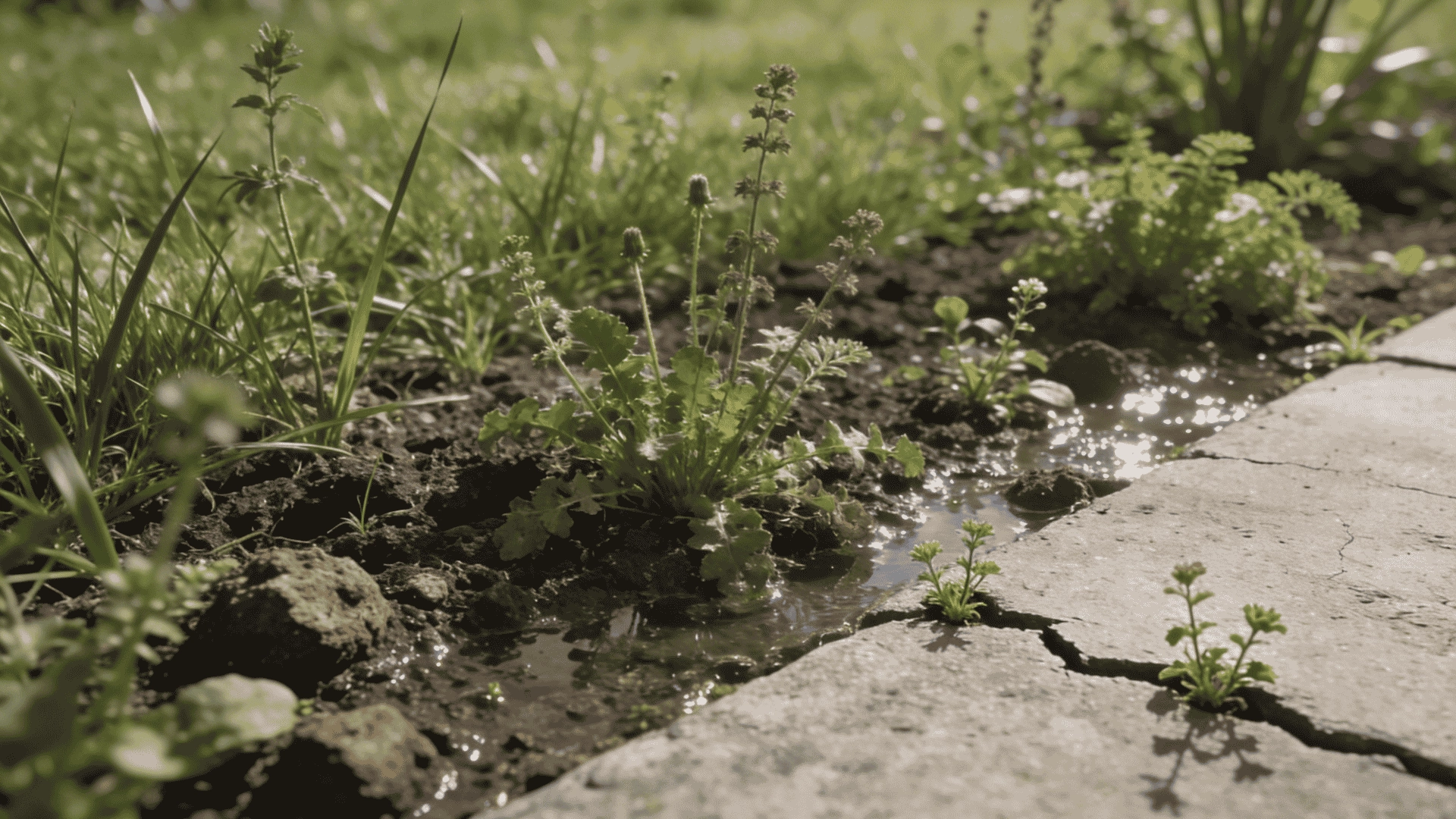
What is Edible Landscaping and How Does It Benefit You?
Your yard could be doing a lot more than just looking good. Most outdoor spaces are designed purely for appearance, but there is another way to think about the land around your home.
Edible landscaping sits at the intersection of beauty and practicality, and more people are paying attention to it.
This blog covers what edible landscaping actually means, how it works, the benefits it offers, the best plants to start with, and a few common mistakes worth knowing before you begin.
What is Edible Landscaping?
Edible landscaping combines food-producing and ornamental plants into a single landscape design, creating a yard that is both attractive and functional.
It can include fruit trees, berry bushes, herbs, leafy greens, and edible flowers placed alongside traditional landscaping plants.
Unlike a standard vegetable garden planted in rows, edible landscaping blends edible plants throughout the property.
For example, a blueberry bush can serve as a decorative shrub, rosemary as a border plant, and strawberries as ground cover.
How Does Edible Landscaping Work?
A successful edible landscape starts with evaluating sunlight, soil quality, available space, and local growing conditions.
Plants are chosen based on purpose – privacy, seasonal color, or food production – and placed thoughtfully, with taller trees toward the back and smaller herbs and ground covers closer to walkways.
Combining plants with different harvest seasons keeps the space productive year-round, while regular watering, mulching, and pruning support long-term plant health.
Top Benefits of Edible Landscaping

Edible landscaping offers more than just fresh produce. It allows people to create an outdoor space that is both attractive and practical while making the most of every planting area.
1. Makes Better Use of Outdoor Space
Traditional landscapes often focus solely on appearance. Edible landscaping allows plants to serve multiple purposes by adding visual appeal while also producing food.
This approach can be especially useful for people with limited yard space. Instead of maintaining separate ornamental and vegetable gardens, they can be combined into a single cohesive design.
2. Provides Fresh Produce at Home
One of the biggest advantages of edible landscaping is having fresh ingredients readily available. Herbs, berries, fruits, and vegetables can be harvested when needed, making everyday cooking more convenient.
Homegrown produce is often picked at peak ripeness, which can result in better flavor and freshness compared to items that have traveled long distances to reach grocery stores.
3. Can Help Reduce Grocery Costs
Growing edible plants at home may help lower spending on certain fruits, vegetables, and herbs throughout the growing season. Even a small number of productive plants can provide repeated harvests.
Popular options such as basil, rosemary, blueberries, and tomatoes can produce a steady supply of food that would otherwise need to be purchased regularly.
4. Supports Pollinators and Local Wildlife
Many edible plants produce flowers that attract bees, butterflies, and other beneficial insects. These pollinators play an important role in supporting healthy plant growth and food production.
A landscape that welcomes pollinators can also contribute to a healthier outdoor environment by encouraging greater biodiversity.
5. Adds Color and Interest to the Landscape
Edible plants can bring texture, color, and seasonal variety to a yard. Berry bushes, fruit trees, leafy greens, and flowering herbs often provide visual appeal throughout much of the year.
Many people are surprised to learn that edible plants can be just as attractive as traditional landscaping choices when incorporated thoughtfully into the design.
6. Encourages Sustainable Gardening Practices
Growing food at home can reduce the need to transport produce over long distances. This can help reduce the environmental impact of food distribution.
Edible landscaping may also encourage practices such as composting, water conservation, and soil improvement, helping people maintain a more environmentally conscious landscape.
Popular Plants for Edible Landscaping

Choosing the right plants can help you create a landscape that looks attractive and produces fresh food throughout the growing season. Here are some popular options:
| Plant Type | Examples | Benefit |
|---|---|---|
| Fruit Trees | Apple, Pear, Peach, Plum | Structure & harvest |
| Berry Bushes | Blueberry, Raspberry, Blackberry | Colorful fruit |
| Herbs | Rosemary, Thyme, Basil, Sage | Easy-growing & useful |
| Leafy Greens | Kale, Swiss Chard, Lettuce | Texture & color |
| Edible Flowers | Nasturtium, Calendula, Pansy | Decorative & edible |
| Climbers & Ground Covers | Strawberry, Grape, Climbing Beans | Space-saving growth |
How to Get Started with Edible Landscaping?
Starting an edible landscape can be as simple as making a few strategic additions to your existing yard.
Focus onidentifying areas where edible plants can naturally fit alongside your current landscaping without redesigning the entire space.
Begin with a small number of beginner-friendly plants that suit your space and growing conditions. Herbs, berry bushes, and leafy greens are easy to manage and work well in garden beds, borders, or containers.
As your landscape develops, mix plants with different growth habits by combining trees, shrubs, and low-growing plants to create a layered look while making efficient use of your planting area.
Common Mistakes to Avoid in Edible Landscaping
Avoiding a few common mistakes can help keep your edible landscape healthy and productive.
- Ignoring sunlight needs: Most edible plants require at least six hours of direct sunlight daily to grow and produce well.
- Choosing the wrong plants: Always select plant varieties suited to your USDA Hardiness Zone to avoid poor growth or crop failure.
- Overcrowding plants: Giving plants proper spacing improves airflow, reduces disease risk, and allows better access to water and nutrients.
- Neglecting soil health: Healthy, nutrient-rich soil is the foundation of strong plant growth, so test and amend it regularly.
- Underestimating maintenance: Regular watering, pruning, fertilizing, and harvesting are all essential to keeping an edible landscape productive.
- Focusing only on food production: Balancing productivity with visual appearance creates a cohesive landscape that looks as good as it performs.
Final Thoughts
Edible landscaping is one of the more practical changes you can make to your outdoor space. It brings fresh produce closer to home while keeping the yard looking intentional.
If you start with a single herb border or a few berry bushes, the approach is flexible enough to fit most yards and skill levels.
The plant options, planning steps, and tips covered in this blog give you a solid starting point to build from at your own pace.
Frequently Asked Questions
Are There Edible Plants that Grow Well in Containers?
Yes, many herbs, strawberries, peppers, and dwarf fruit trees grow well in containers.
Do Edible Landscaping Plants Attract Pests?
Some plants may attract pests, but proper care can help minimize problems.
Can Edible Landscaping Be Pet-Friendly?
Yes, but it’s important to choose plants that are safe for pets.
How Often Should Edible Landscaping Plants Be Replaced?
Annual plants need replanting each year, while many perennials can last for years.