
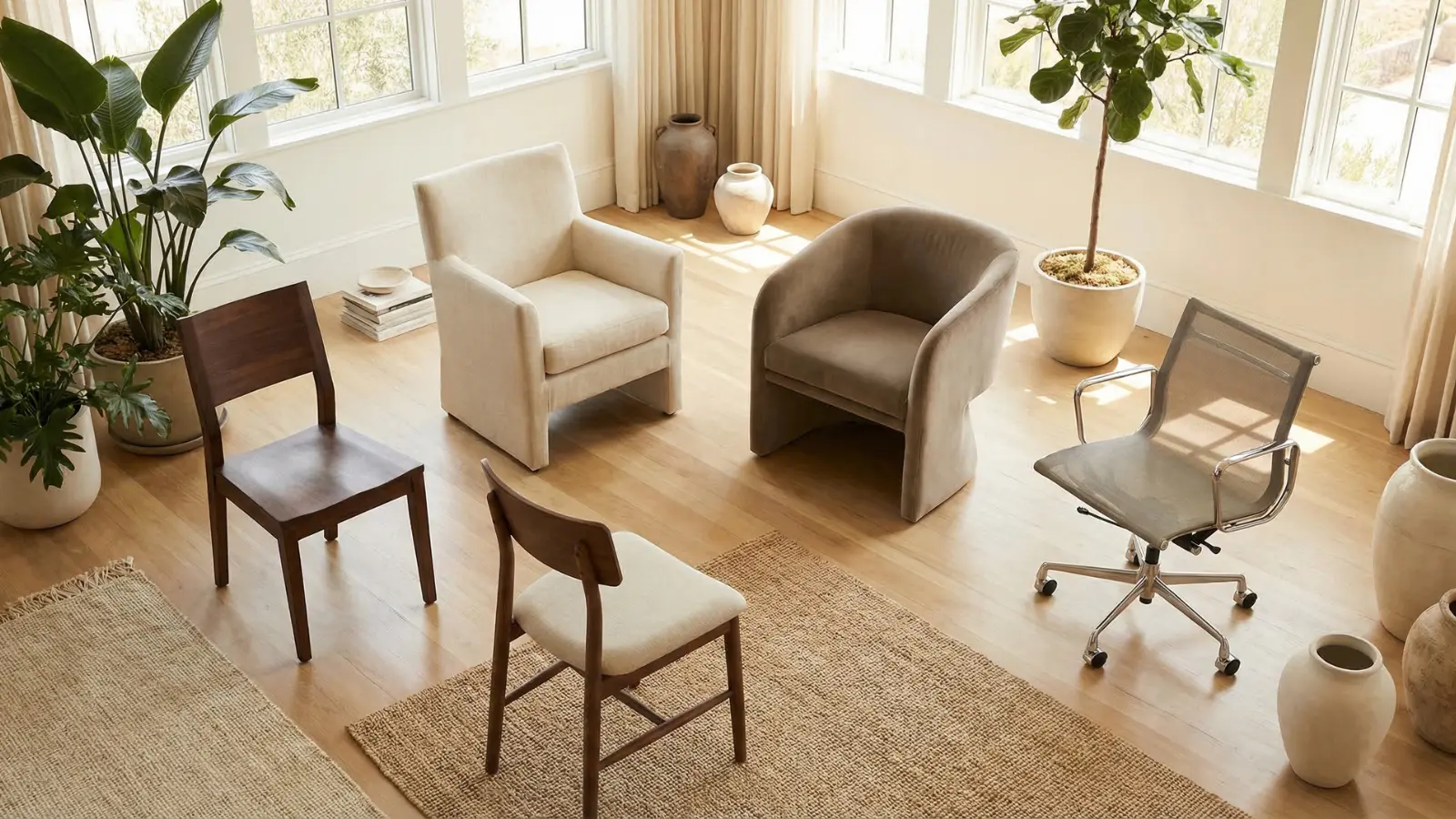
16 Different Types of Chairs: A Complete Chair Guide
Most people think chair types are only about style, but that’s not what actually defines them. The real difference comes from how a chair is used, how it’s built, and where it’s placed.
Once you understand this, identifying the right chair becomes much easier.
In this guide, I’ll break down chair types based on function, structure, and placement, along with examples that show how each one works in real spaces.
You’ll also learn how to choose the right chair for your needs without relying on guesswork. Let’s start with the basics.
How Chairs Are Classified
Chairs aren’t just sorted by how they look. They’re grouped by function, design structure, and where they’re placed.
Here are the three main lenses used to classify chairs:
- Usage/Function: what the chair is used for (office, dining, lounge)
- Design features: physical build, like arms, height, and adjustability
- Placement: whether the chair is meant for indoor or outdoor use
Most people assume chair types are only about style. But function is what actually drives the design.
A dining chair looks the way it does because of how it’s meant to be used, not the other way around. Once you understand this, identifying any chair type becomes much easier.
Every Chair Type You Need to Know
Not every chair is built the same way. Each type has its own structure, purpose, and place in a home.
Some are made for comfort, others for function, and a few are designed purely for style. Understanding the differences makes it easier to identify, choose, and use the right chair in any space.
Types of Chairs Based on Function
Function is the biggest driver behind chair design. Here’s a breakdown of the most common chair types and what they’re built to do:
1. Office Chairs
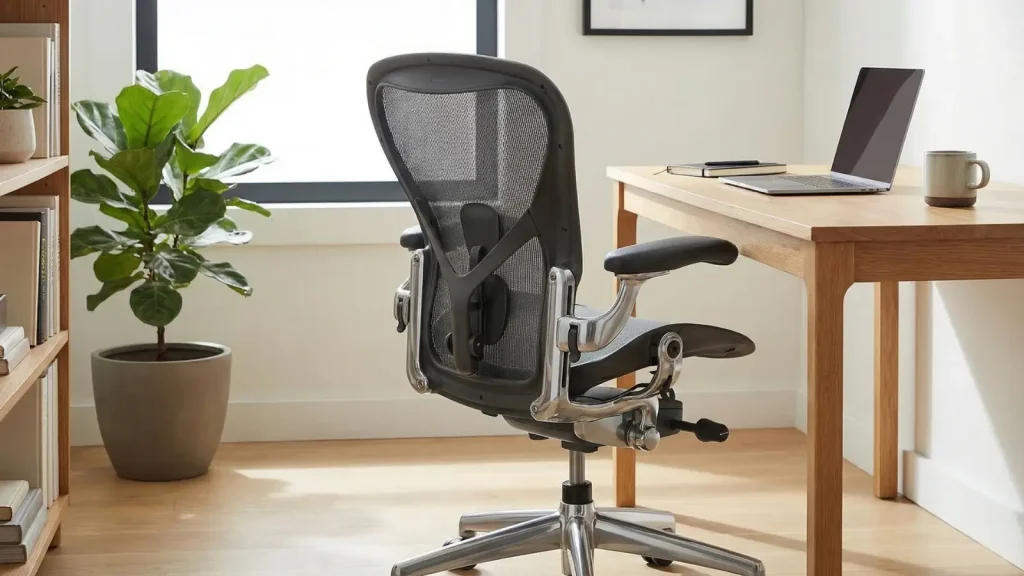
Office chairs are built for long sitting hours. They come with adjustable height, lumbar support, and a swivel base.
These features work together to support your posture and reduce fatigue. Without proper support, long sitting sessions can lead to back and neck strain over time.
2. Dining Chairs
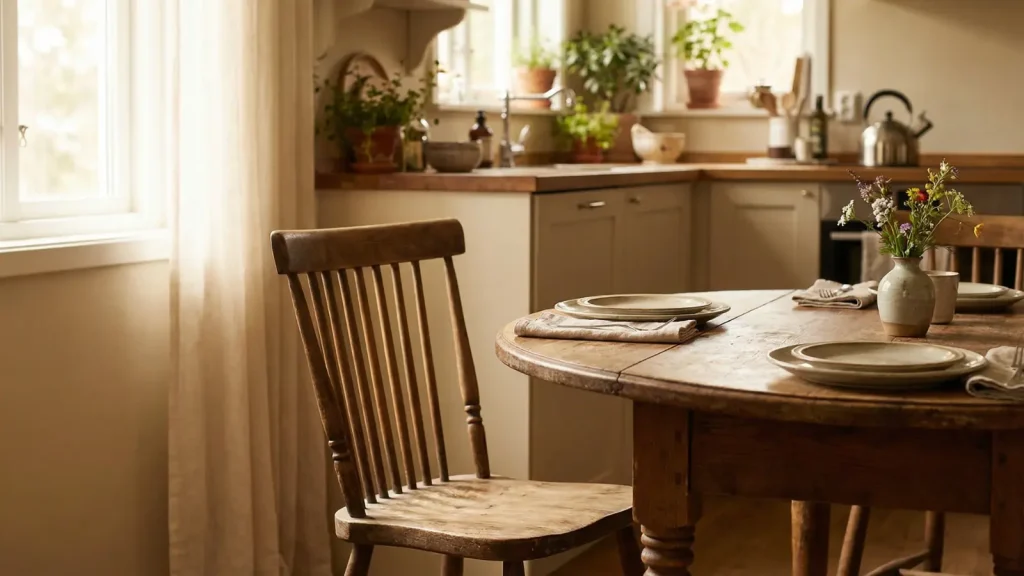
Dining chairs are designed for upright, alert sitting. They have a fixed height and minimal cushioning.
This keeps you comfortable during meals without encouraging you to slouch or linger too long. They pair directly with dining tables and are built for short-term use.
3. Lounge Chairs

Lounge chairs are all about relaxation. They have a slightly reclined angle and wider seating.
This design spreads your body weight evenly, reducing pressure on any one point. They work best in living rooms or reading corners where comfort is the priority.
4. Accent Chairs
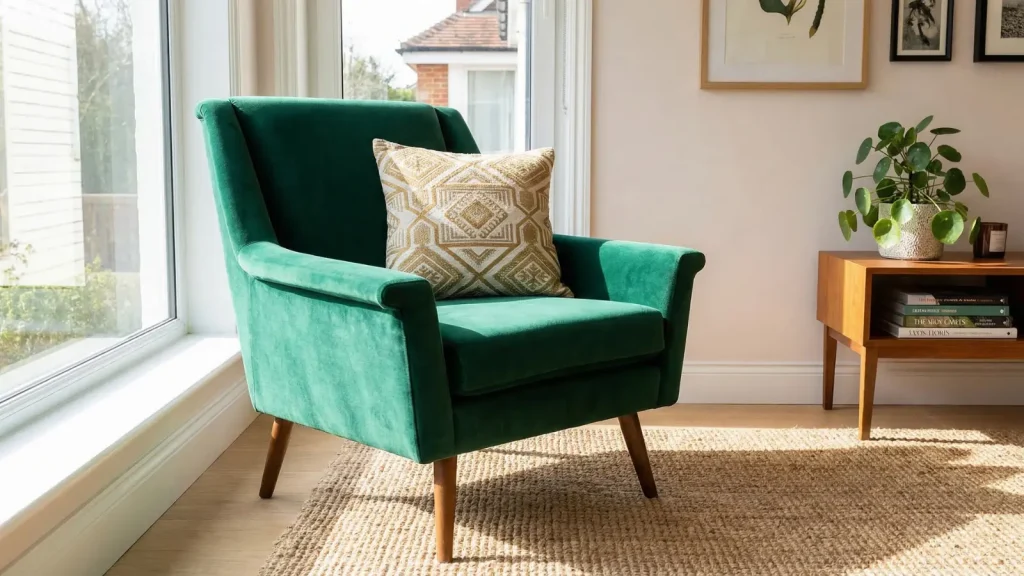
Accent chairs are more about appearance than function. They’re used to fill space and add visual interest to a room.
You’ll find them in living rooms and bedrooms. One common mistake, they’re not always suitable for long sitting due to limited support.
5. Recliners

Recliners offer full-body relaxation. They come with an adjustable back and a footrest that extends outward.
This makes them ideal for unwinding after a long day. The trade-off is that they take up more space than most other chair types.
Types of Chairs Based on Design and Structure
The way a chair is built tells you a lot about how it works. Here’s how physical construction defines different chair types:
6. Armchairs vs. Armless Chairs
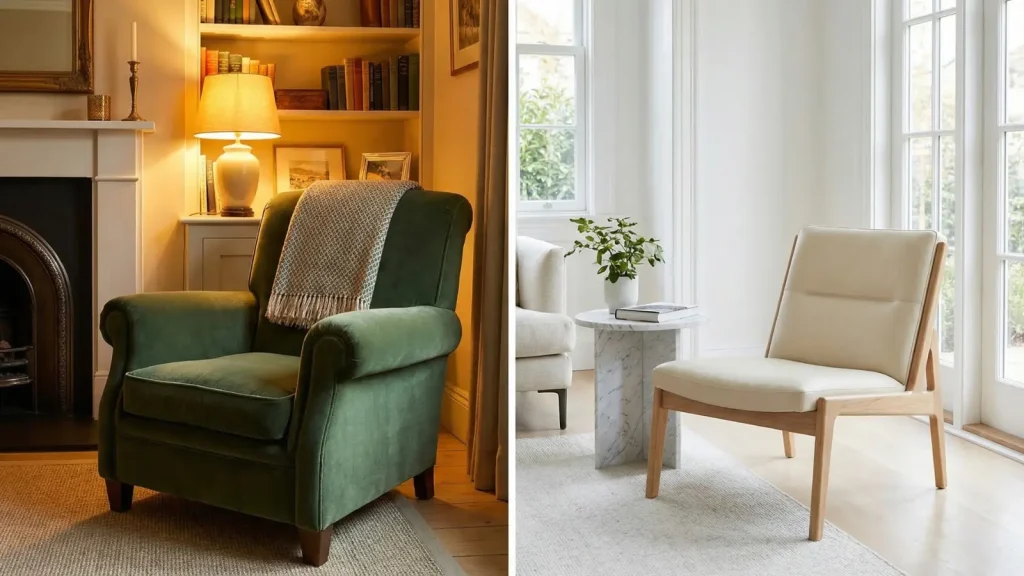
Armchairs come with armrests on both sides. These reduce strain on your shoulders and upper body during long sitting.
Armless chairs, on the other hand, are more compact. They’re easier to move around and work well in tighter spaces.
7. High-Back vs. Low-Back Chairs
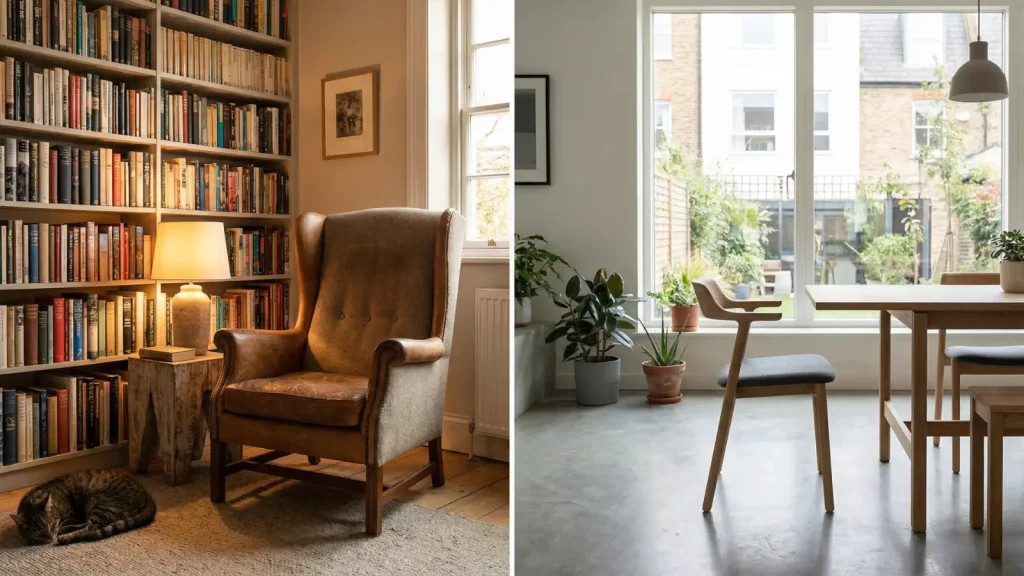
High-back chairs support your entire spine, including your neck. They’re ideal for long sitting sessions.
Low-back chairs allow more freedom of movement but offer less support. These work better for short-term use or casual settings.
8. Swivel Chairs
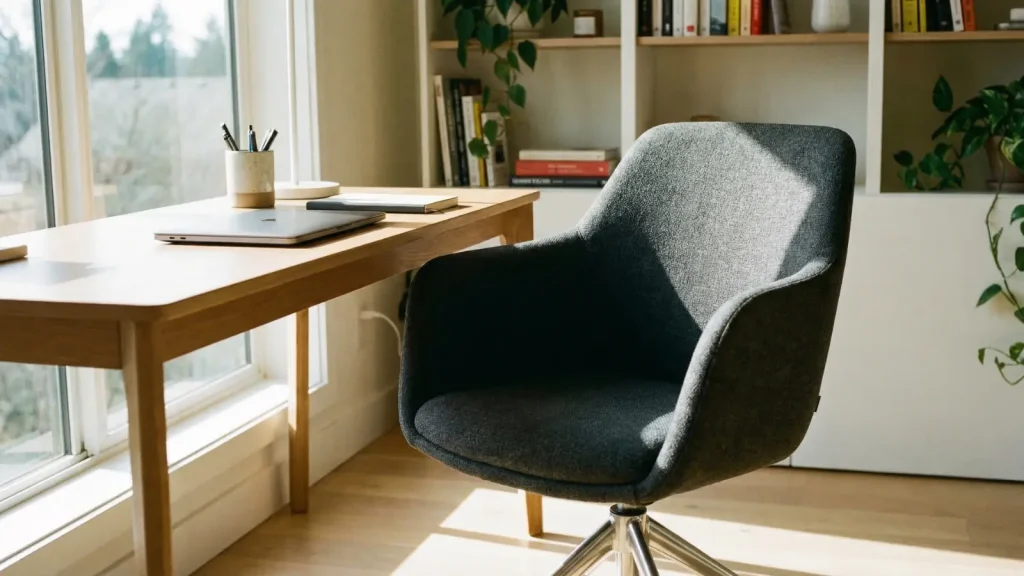
Swivel chairs have a rotating base that lets you turn without twisting your body. This makes them practical for workspaces where you need to move between areas quickly.
You’ll find them most commonly in offices and home desks.
9. Folding Chairs

Folding chairs are built for portability. They collapse flat, making them easy to store and transport.
The trade-off is comfort and durability; they’re not designed for long or regular use. Best suited for events, guests, or temporary seating needs.
10. Rocking Chairs

Rocking chairs sit on a curved base. This allows a gentle back-and-forth motion that many people find calming.
The repetitive movement helps reduce stress and promotes relaxation. They’re a common sight on porches and in nurseries.
Types of Chairs Based on Placement
Where a chair is used shapes how it’s built. Here’s how indoor and outdoor chairs differ in design and material:
11. Indoor Chairs

Indoor chairs focus on comfort and visual appeal. They’re built to complement your home’s interior.
Common materials include wood, fabric, and upholstery. These materials look great inside but aren’t built to handle moisture, heat, or changing weather conditions.
12. Outdoor Chairs

Outdoor chairs are built to last in open environments. They use weather-resistant materials like plastic, metal, and treated wood.
This makes them strong enough to handle rain, sun, and humidity. One common mistake is using indoor chairs outside; they break down quickly and lose their shape.
Specialized Chair Types You Should Know
Some chairs are built for very specific purposes. These types don’t always fit neatly into the categories above, but they’re worth knowing.
13. Gaming Chairs
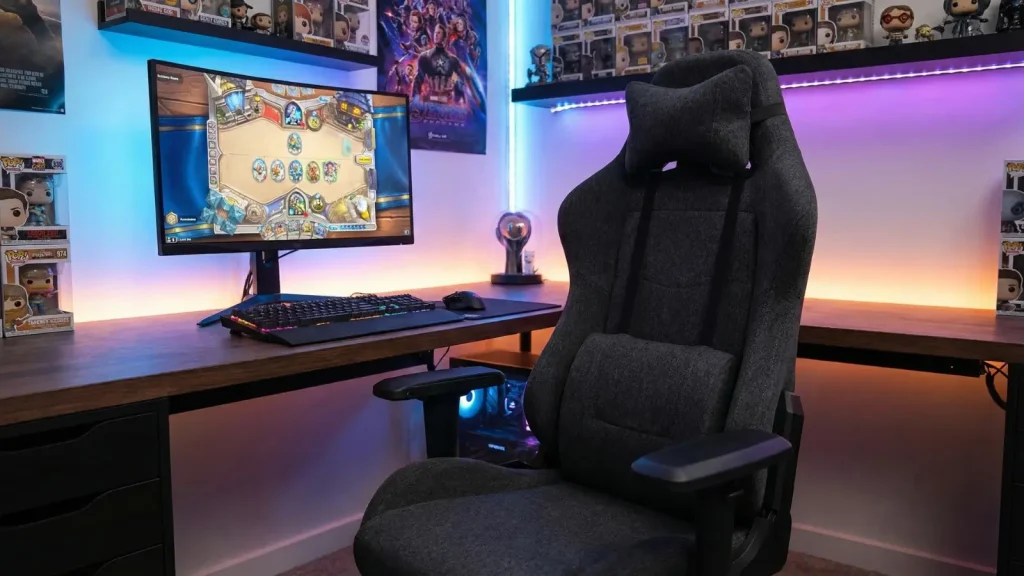
Gaming chairs are designed for long sessions in front of a screen. They feature a high-back design with extra cushioning and built-in lumbar support.
Some models also include adjustable armrests and a recline function. They borrow a lot from office chair design but are built with gamers in mind.
14. Barber Chairs
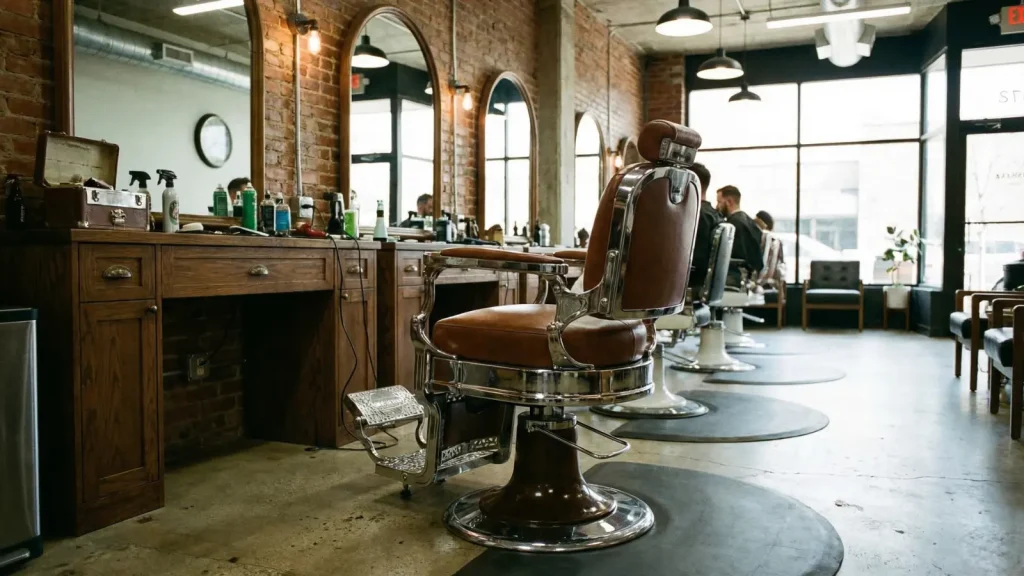
Barber chairs are built for service access. They have adjustable height and a reclining backrest.
This allows barbers and stylists to work comfortably from different angles. You’ll find them in salons and barbershops, and they’re built to handle heavy daily use.
15. Wheelchairs
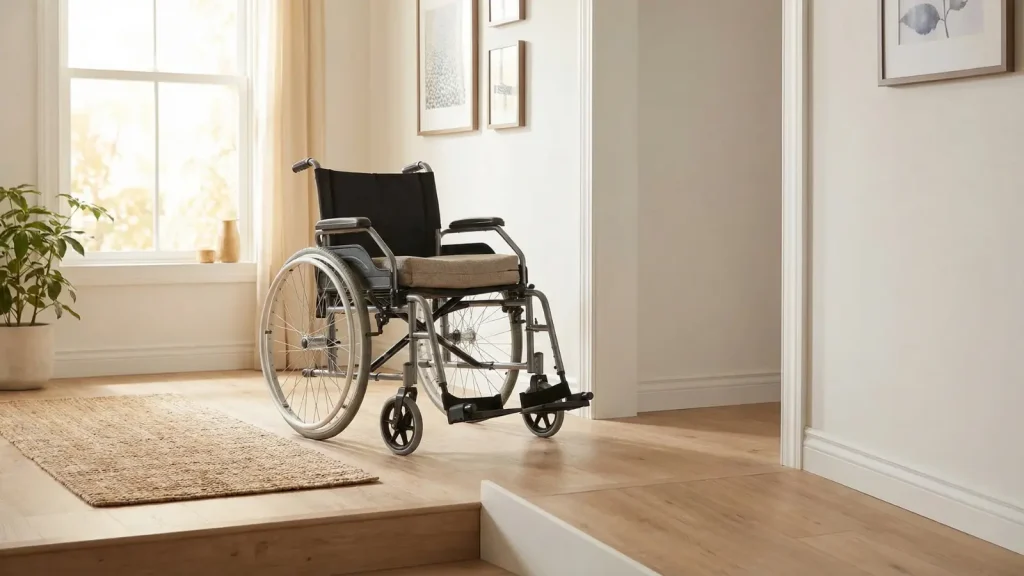
Wheelchairs are mobility-focused chairs designed for people with limited movement. They come in two main variations, manual and electric.
Manual wheelchairs are pushed by hand or by a caregiver. Electric versions use a motor for independent movement.
16. Bean Bags

Bean bags have no rigid frame. They’re filled with small beads or foam that shift and conform to your body shape.
This makes them feel comfortable for short periods. However, they offer little to no posture support and aren’t suitable for long sitting.
How to Choose the Right Chair Type for Any Situation
Picking the right chair comes down to asking the right questions. Here’s what to think about before making a decision.
Start with these three key questions:
- What is the main use? Work, dining, relaxing, or decorating?
- How long will it be used? Short sessions need less support than long ones
- Does it need to move? Fixed chairs work for set spaces, swivel or folding chairs work where mobility matters
Once you answer these, the right chair type becomes much clearer. Function points you to the design. Design points you to the placement. It all connects.
The most common mistake people make is choosing a chair based only on appearance. A chair might look perfect in a room but fail completely at its job.
Always match the chair to its purpose first, then worry about how it looks.
Conclusion
Choosing the right chair is less about how it looks and more about how it performs in your space.
Once you understand chair types based on function, structure, and placement, it becomes easier to match each option to your actual needs.
Whether it’s for long work hours, quick meals, or relaxed seating, every chair is built with a specific purpose in mind. Focusing on that purpose helps you avoid common mistakes and make better decisions.
If you’re planning to update your space, start by identifying your use case and go from there. Got a favorite chair type? Drop it in the comments.
Frequently Asked Questions
What is the Difference Between a Lounge Chair and A Recliner?
A lounge chair is designed for relaxed sitting. A recliner goes further; it has an adjustable back and an extending footrest for full-body support.
What Type of Chair is Best for A Small Living Room?
Armless chairs or accent chairs work best. They take up less space, are easy to move, and still add style to a compact room.
What Are the Different Parts of A Chair Called?
The main parts are the seat, backrest, legs, and armrests. Some chairs also have a footrest, cushion, or swivel base, depending on the type.
What is the Difference Between a Side Chair and A Dining Chair?
A dining chair is made specifically for dining tables. A side chair is armless and more versatile; it works in dining rooms, bedrooms, and living spaces.


