Creating a Clutter-Free Lifestyle Without Feeling Deprived
Life in South Florida often comes with a steady flow of activity. Between outdoor hobbies, beach gear, family gatherings, home projects, and year-round shopping, belongings can build up faster than many people realize. Over time, closets become harder to manage, countertops collect random items, and finding what you need starts taking longer than it should.
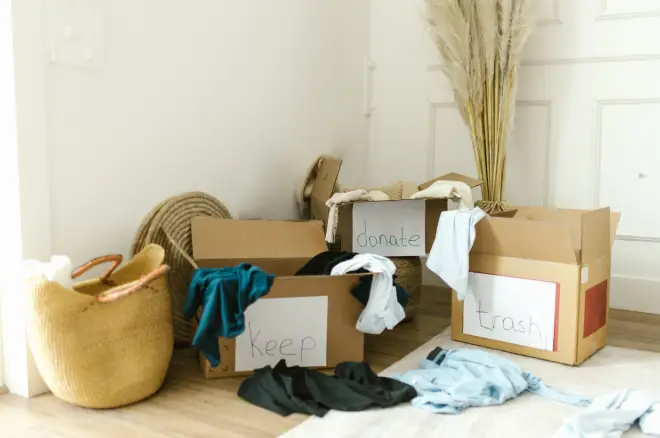
Many people respond by attempting a major decluttering project. A few hours later, they find themselves stuck, wondering whether they should keep, donate, store, or toss each item. The process quickly becomes exhausting.
The good news is that creating a clutter-free lifestyle does not require extreme rules or giving up things you enjoy. A well-organized home should support your daily life while leaving room for comfort, hobbies, and meaningful possessions. The key is making thoughtful decisions about what deserves space in your home and what no longer serves a useful purpose.
Know What Matters Most
Many decluttering efforts fail because people start by sorting through belongings before deciding what they actually want their home to feel like. When there is no clear goal, every item becomes a difficult decision. Before opening a closet or emptying a drawer, think about how you use your space every day. Consider the activities that matter most to you and your family. A person who enjoys cooking may need more kitchen equipment than someone who rarely cooks at home. A dedicated reader may happily keep a large bookshelf. Defining your priorities creates a useful filter for future decisions. Instead of asking whether an item is good or bad, ask whether it supports the lifestyle you want to maintain. That simple shift often makes decluttering much easier. It can also help during major life transitions, such as downsizing or relocating, when professional services from companies like Bekins of South Florida may help simplify the process.
Stop Clutter Before It Arrives
Decluttering becomes much easier when fewer unnecessary items enter your home in the first place. Many people focus entirely on removing possessions while overlooking the habits that created the problem. Before making a purchase, take a moment to consider where the item will live and how often you expect to use it. Small decisions add up quickly. Decorative items, seasonal products, discounted purchases, and impulse buys can fill valuable storage space without adding much value to daily life. Giving yourself a short waiting period before buying non-essential items often prevents regretful purchases. This habit encourages more intentional spending while reducing future clutter. Over time, thoughtful purchasing decisions create a home that feels more organized without requiring constant decluttering sessions.
Handle Sentimental Items With Less Stress
Sentimental belongings often create the biggest challenges during the decluttering process. Many people keep boxes of items because they are connected to important memories, family members, or meaningful life events. The emotional connection is understandable, but keeping everything rarely makes those memories stronger. A practical approach involves identifying the items that genuinely hold personal value and letting go of duplicates or less meaningful pieces. For example, one treasured souvenir may carry the same memory as an entire collection. Photographs can also preserve memories without requiring physical storage space. Take your time with sentimental items and avoid rushing decisions. Thoughtful choices help preserve what matters most while preventing emotional belongings from taking over valuable areas of your home.
Build Storage Around Daily Life
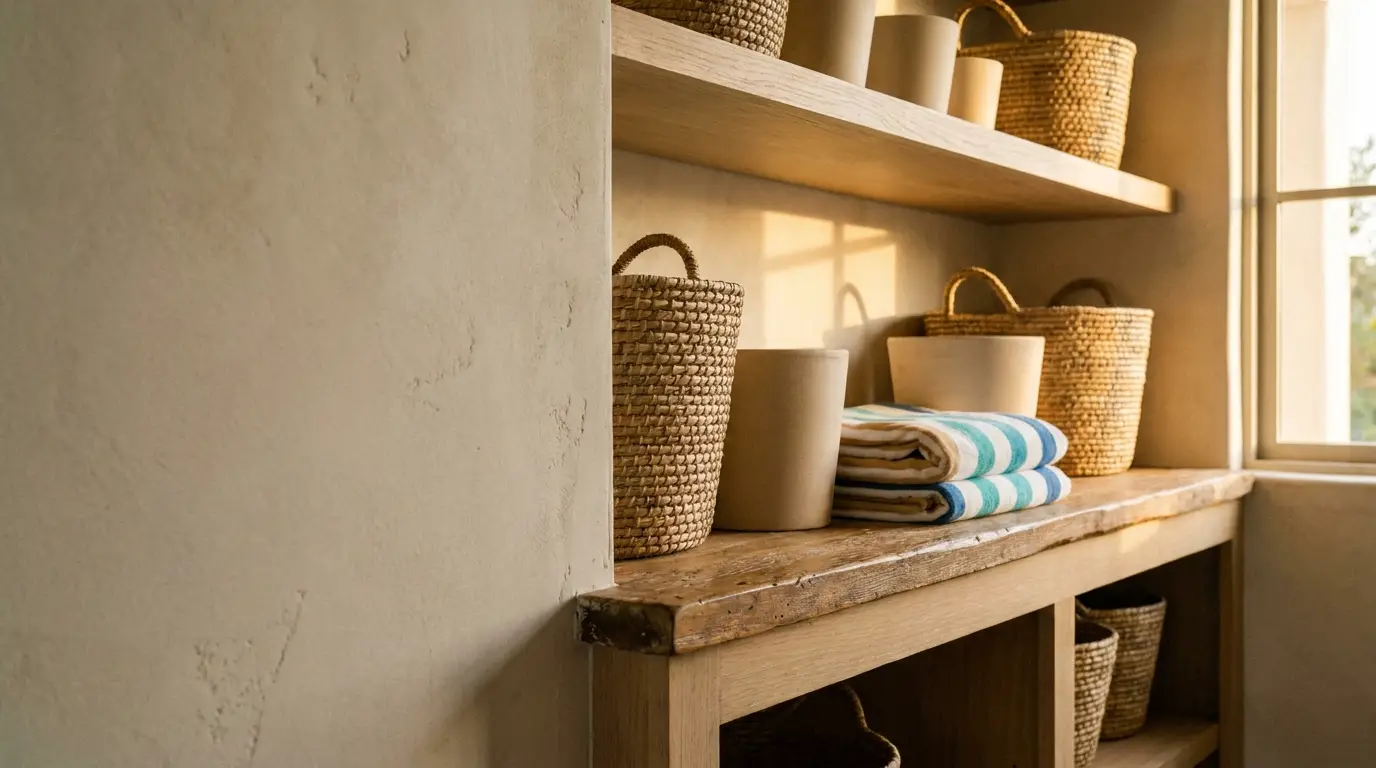
Good storage should make everyday habits easier. Many people buy bins, baskets, and drawer dividers before they understand what they need to store. That often creates a neater version of the same problem. Start by watching how your household naturally uses each space. Keep frequently used items close to where you use them. Store beach towels near the door if you head to the pool often. Keep cleaning supplies where messes actually happen. Avoid stacking items so deeply that you have to empty half a shelf to reach one thing. Simple systems usually last longer because they require less effort. The best storage setup should help you put items away quickly, even on busy days.
Create a Reset You Can Maintain
A clutter-free lifestyle needs a simple reset routine. Without one, even a well-organized home can slide back into a mess. The routine should match your real schedule. A ten-minute evening reset can handle mail, dishes, shoes, bags, and items left on counters. A weekly reset can cover laundry overflow, pantry checks, bathroom products, and paperwork. Choose specific days for small tasks so they do not pile up. Avoid saving every chore for one long cleaning session. That approach often creates stress and makes the home harder to enjoy. When several people live in the home, assign clear responsibilities. Everyone should know where common items belong and what they need to handle.
Keep Space for What You Enjoy
A clutter-free home should still feel personal. You do not need to give up hobbies, collections, books, family photos, or items that bring real comfort. The goal is to give those things proper space so they do not spread everywhere. If you love gardening, create one area for tools, gloves, seeds, and supplies. If your family enjoys beach days, keep gear together and remove broken or unused items. When you make room for what you genuinely enjoy, clutter decisions become easier. Random purchases and forgotten objects lose their power because your space already has a purpose. A home feels better when it reflects your life without becoming hard to maintain.
Creating a clutter-free lifestyle works best when you make practical decisions, not harsh ones. You do not have to empty your home or follow strict rules to feel organized. Start with the spaces that affect your daily routine, pay attention to what you actually use, and create systems that fit the way you live. Over time, these small choices make your home easier to clean, easier to enjoy, and easier to manage. The best version of a clutter-free home still has personality, comfort, and useful belongings. It simply has less of what gets in the way.