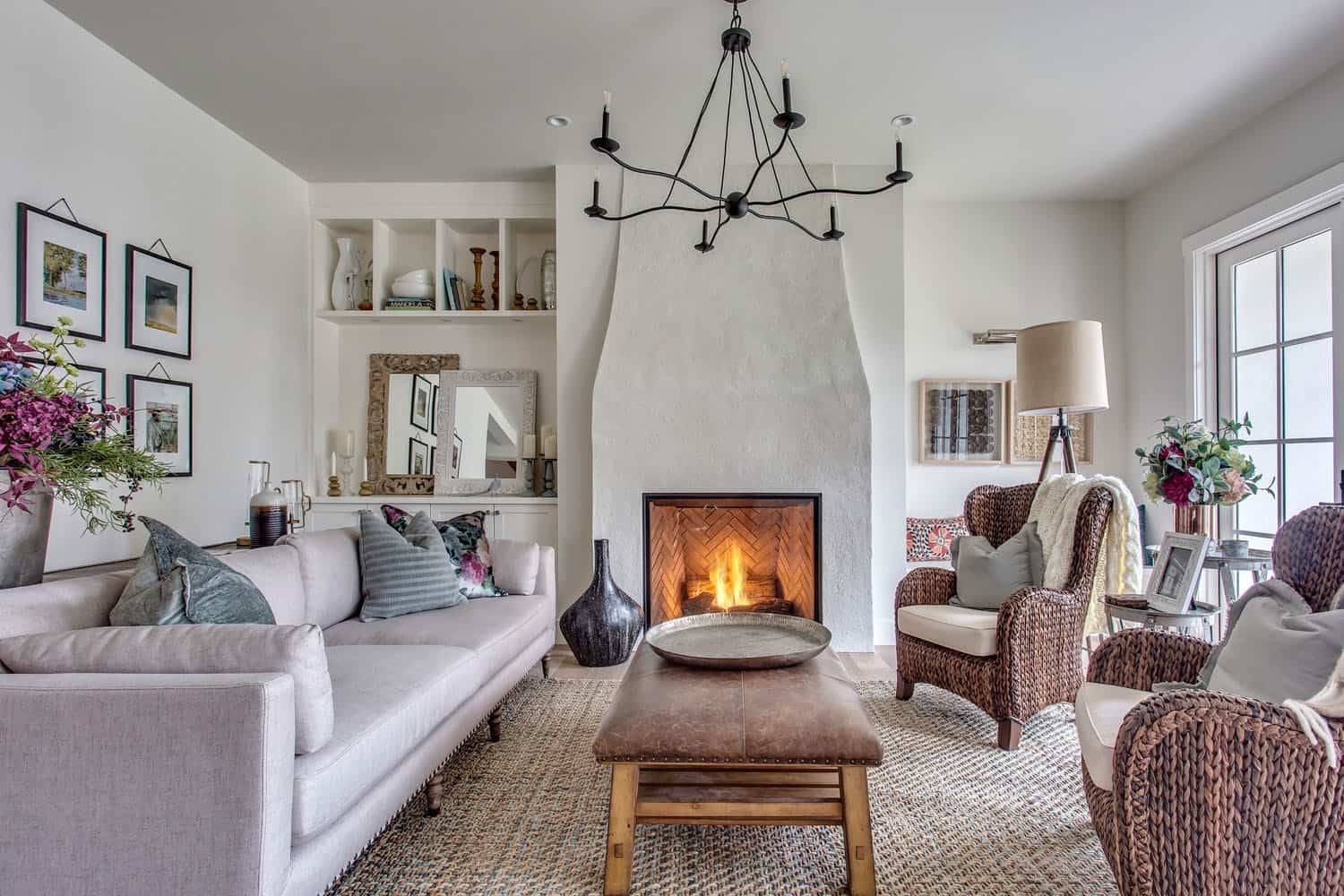
Couch vs Sofa: What’s the Real Difference?
You’ve been sitting on one your whole life, but have you ever stopped to wonder about its true identity? The great couch vs sofa debate has puzzled owners for generations.
Some swear they’re completely different, while others insist they’re exactly the same thing. The truth might surprise you.
Behind these two simple words lies a fascinating tale of ancient cultures, royal courts, and how language shapes the way we see everyday objects. Let’s uncover the mystery together.
Where Did These Words Come From?
Ever wonder why we have many names for the same furniture? “Sofa,” “couch,” and “settee” come from different languages and cultures, each with a history reflecting how people sat and relaxed. Let’s find their origins.
The Origin of “Sofa”
The word “sofa” comes from the Arabic word “suffah,” which meant a raised platform covered with cushions. This fancy furniture piece traveled from the Middle East to Europe through France during the 1600s.
As it became popular in wealthy European homes, it evolved into the structured, elegant piece we know today. That’s why “sofa” often sounds more formal than other words for this furniture.
The Origin of “Couch”
“Couch” comes from the French verb “coucher,” which means “to lie down.” Unlike sofas, couches were originally designed for reclining and lounging rather than formal sitting.
People used them more like daybeds, where they could stretch out and relax. This casual history is why “couch” still feels like a more relaxed, everyday word.
What About “Settee”?
The word “settee” has Old English roots, coming from “setl,” which was a long wooden bench. This term is mostly used in the United Kingdom and isn’t as common in other English-speaking countries.
Today, British people often use “settee” and “sofa” to mean the same thing. It’s just another example of how language changes over time and place.
Key Differences Between Couches and Sofas
While people often use “couch” and “sofa” interchangeably, they can differ in style, construction, and typical use in a home.
| FEATURE | SOFA | COUCH |
|---|---|---|
| Style | Formal, structured | Casual, relaxed |
| Design | Two arms, defined back, tailored lines | May have one/no arms, softer shape |
| Size | Usually larger (3–4+ seats) | Usually smaller (2–3 seats) |
| Use | Sitting upright, entertaining | Lounging, relaxing |
| Placement | Living rooms, focal point | Family rooms, dens, bedrooms |
| Materials | Premium fabrics (leather, velvet, linen) | Durable fabrics (microfiber, synthetics) |
Are Sofas and Couches Used Interchangeably Today?
Yes, most people use “sofa” and “couch” to mean the same thing nowadays. The old differences between these words have faded over time, and furniture stores often use both terms for the same products.
However, interior designers might still prefer “sofa” for more formal pieces and “couch” for casual ones. In everyday life, though, you can use either word, and everyone will understand what you mean.
The choice often comes down to personal preference or regional habits rather than any real difference in the furniture itself.
Related Seating Terms Explained

These related seating terms are often confused with sofas and couches, but each one refers to a specific shape, size, or style.
| TERM | WHAT IT MEANS |
|---|---|
| Loveseat | Small 2-person seat, like a mini sofa |
| Sectional | L-shaped or modular sofa, best for big rooms |
| Davenport | Regional term (Midwest US), sometimes means sleeper sofa |
| Chesterfield | Classic British-style luxury sofa, tufted with high arms |
| Chaise Lounge | Single-person recliner with French origins |
| Divan | Backless seating placed against a wall, Middle Eastern origin |
How to Choose: Sofa vs Couch for Your Home

Ready to choose the perfect sofa or couch for your living space? Consider your lifestyle, room size, and budget. Here are five key factors for your new furniture.
1. Consider Your Lifestyle
Think about how you’ll actually use your furniture every day. If you have kids or pets, a durable couch with washable covers might be your best choice.
For formal entertaining, a structured sofa creates an elegant atmosphere. Small apartments work better with compact options like loveseats, while multi-purpose rooms benefit from sleeper sofas that serve double duty.
2. Room Size and Layout
Always measure your space before you shop to avoid buying furniture that’s too big or too small. Make sure there’s enough room for people to walk around comfortably without bumping into the furniture.
A good rule is to leave at least 30 inches of walking space around your sofa or couch. The furniture should fit the room’s proportions; neither too cramped nor too empty.
3. Design Style
Your new furniture should match the overall style of your room. Formal rooms with fancy decorations look better with structured sofas in solid colors.
Casual spaces work well with relaxed couches in fun patterns or bright colors. Consider whether your room feels modern, traditional, or somewhere in between when making your choice.
4. Comfort vs Structure
Test out the seating before you buy it to see how it feels. Deep, soft cushions are great for lounging and movie nights, while firmer seats provide better back support for sitting upright.
Pay attention to the back height and cushion depth to ensure they work for your body. Most furniture stores encourage you to sit on the floor models for at least five minutes to get a real feel.
5. Budget Considerations
Sofas and couches range from a few hundred to several thousand dollars, depending on quality and brand. A higher price usually means better construction and materials that last longer.
Save money on furniture for spaces you don’t use often, but splurge on pieces you’ll use daily. Remember that a quality piece that lasts ten years is often cheaper per year than replacing a cheap one every two years.
Wrapping It Up
The couch vs sofa question doesn’t have to be confusing anymore. While these words had different meanings centuries ago, they’ve blended in modern use.
What really matters is choosing furniture that works for your home and lifestyle, not stressing over which word to use.
If you’re shopping for a formal sofa or a casual couch, focus on comfort, quality, and fit. Ready to find your perfect piece? Start measuring your space and testing out options at your local furniture store today!