25 Container Garden Ideas for Small Spaces
Do you want to grow plants but have no yard or garden space? You’re not the only one out there. Many people face the same challenge every day.
You don’t need a big outdoor space to start gardening. Container gardening lets you grow plants on a balcony, patio, windowsill, or even inside your home.
In this blog, you’ll find creative container gardening ideas that work for small spaces. From hanging baskets to vertical wall planters, there’s something here for every setup and skill level.
You’ll also learn how to pick the right containers, tools, and plants to get started.
Benefits of Container Gardening for Beginners
Container gardening is a simple way for beginners to start growing plants without needing a large outdoor space. It offers a few key benefits that make it easier to manage than traditional gardening.
- Flexible Placement: Containers can be moved easily to get better sunlight or protect plants from harsh weather.
- Better Soil Control: Lets you choose the right potting mix for each plant type.
- Low Maintenance: Reduces weeding and makes daily plant care quicker.
- Beginner-Friendly: Easy to start with just a few pots and basic supplies.
- Fewer Pest Issues: Raised containers help keep common garden pests away.
These benefits make container gardening a smart and stress-free choice for anyone just starting out.
Container Gardening Ideas for Small Spaces
Container gardening ideas can be adapted to fit any space, whether indoors or outdoors. The right setup helps make the most of small areas while keeping plants organized.
1. Window Box Flower Containers
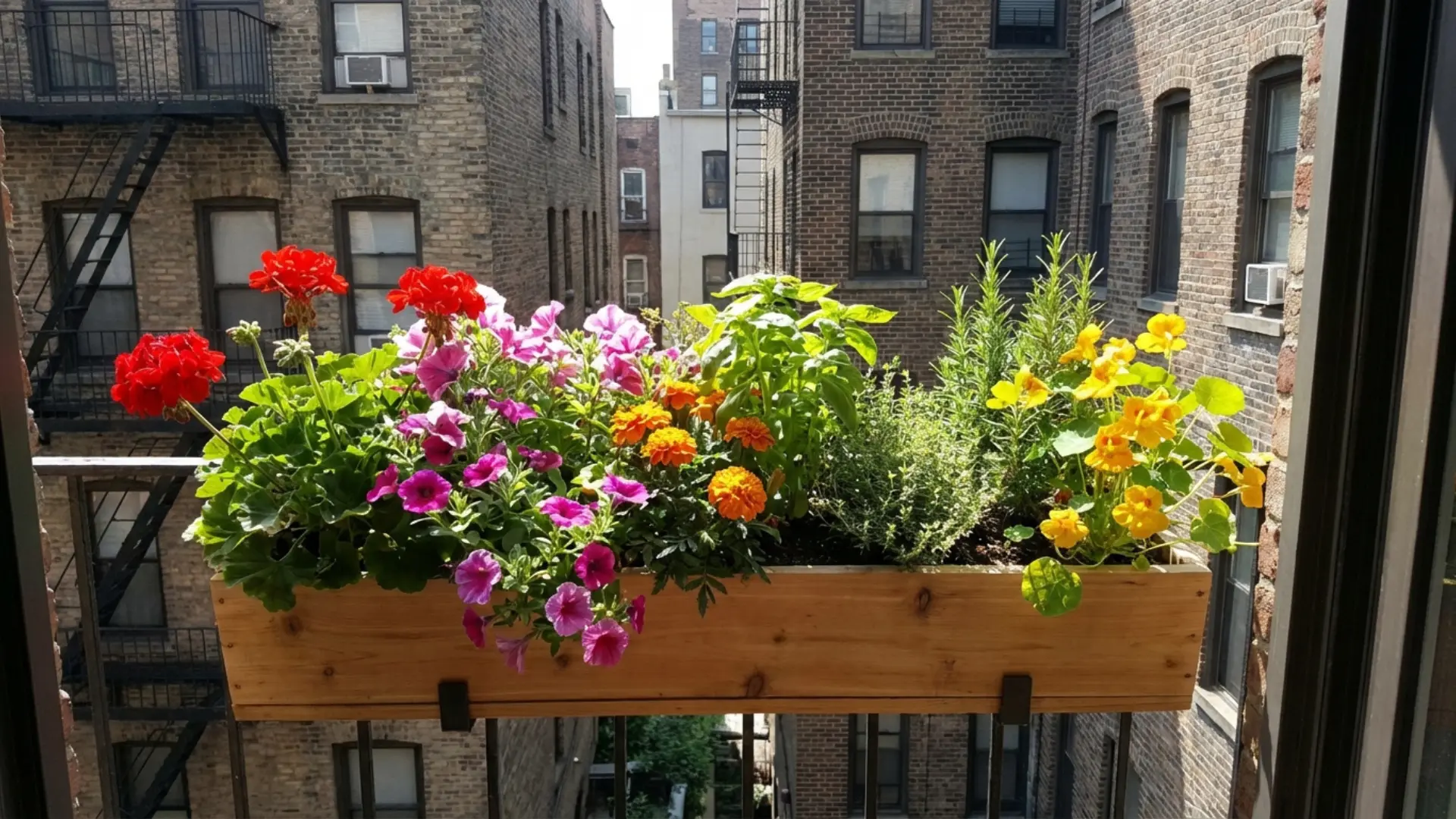
Window boxes sit neatly on windowsills and don’t take up any floor space. They’re perfect for apartments or compact homes that need a quick green touch.
- Best For: Renters and small apartment setups.
- Plants to Grow: Flowers, herbs, or small leafy plants.
2. Entryway Planter Pots
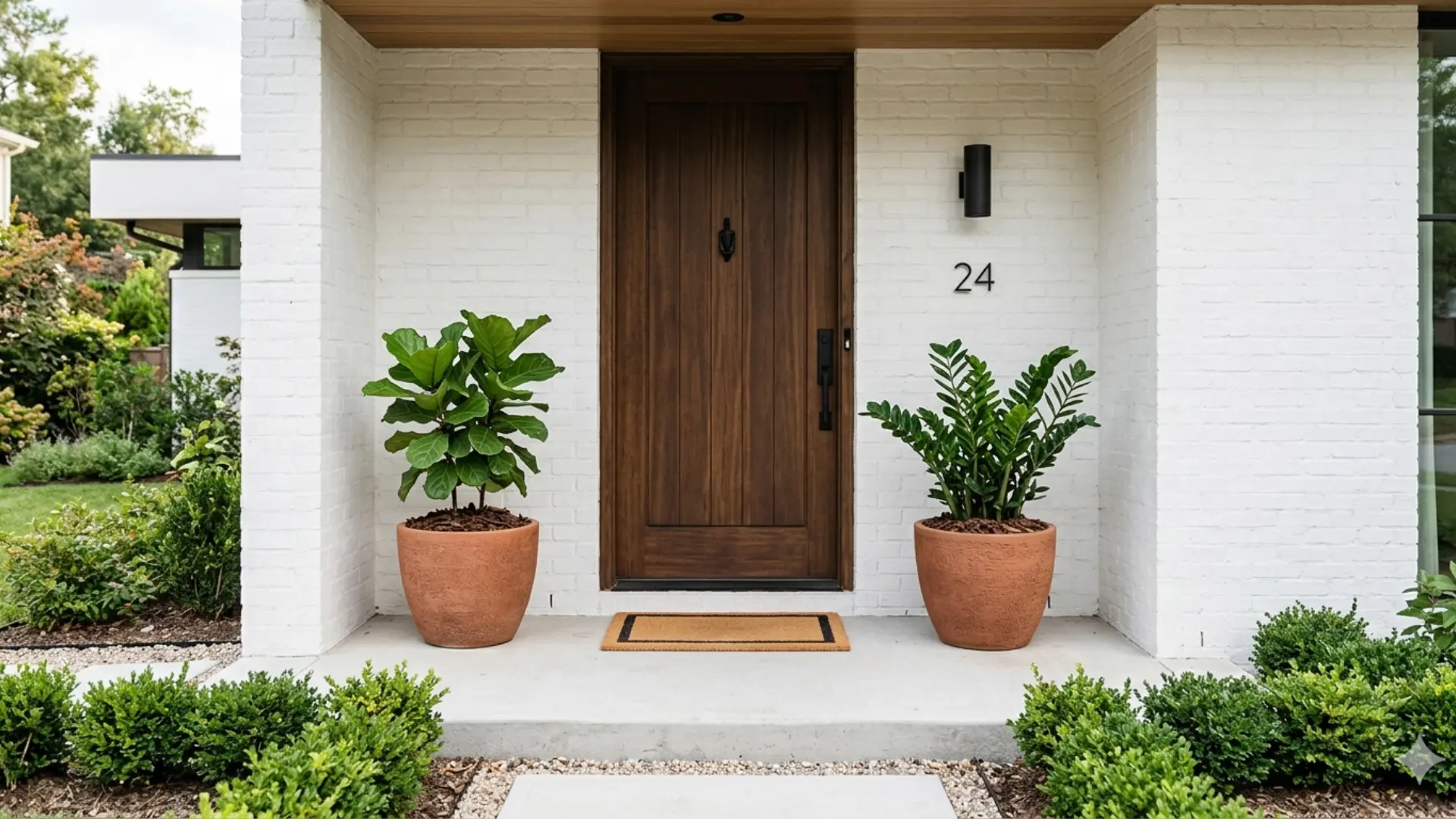
Planters near the entrance instantly make your home feel more welcoming. They add greenery without creating clutter or taking up much room.
- Best For: Front doors and indoor entryways.
- Plants to Grow: Low-maintenance, medium-sized plants.
3. Hanging Basket Plants
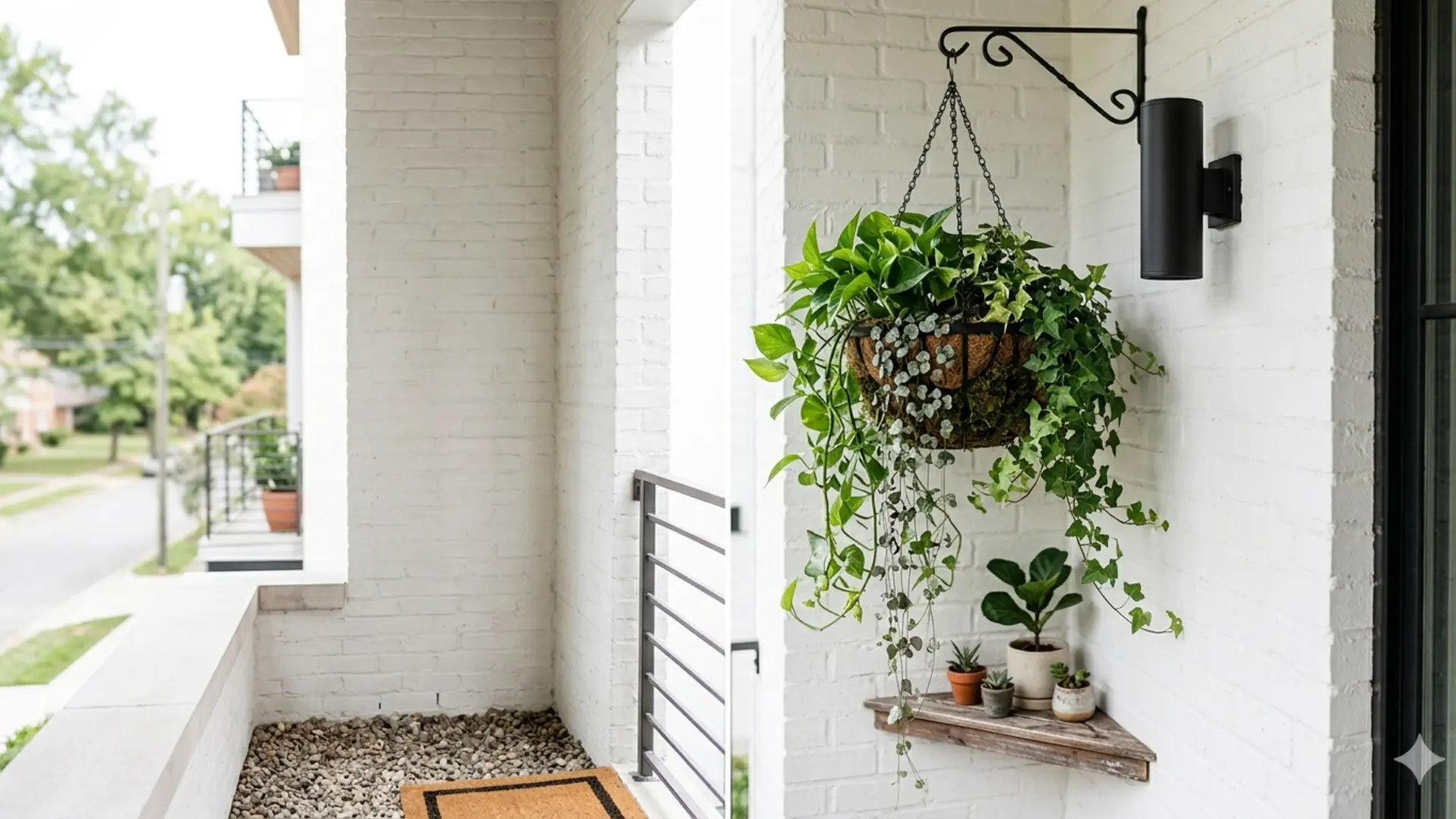
Hanging baskets add greenery without using any floor space. They work great for balconies, patios, and indoor corners.
- Best For: Balconies and tight indoor spaces.
- Plants to Grow: Trailing flowers and vines.
4. Seasonal Flower Pots
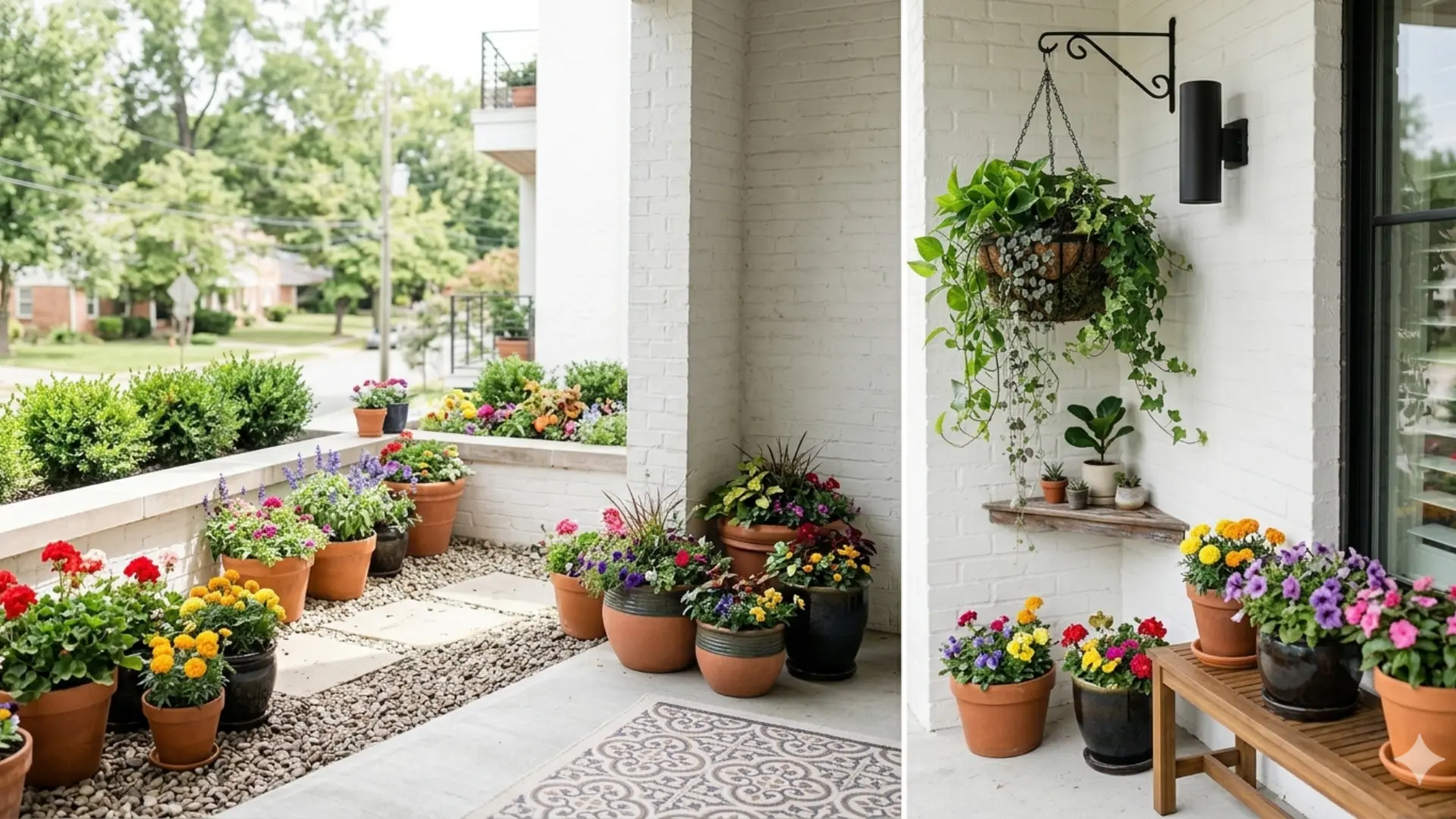
Seasonal pots let you refresh your garden as the weather changes. You can swap plants without redoing the whole setup.
- Best For: Year-round outdoor displays.
- Plants to Grow: Weather-friendly seasonal flowers.
5. Tall Statement Planters
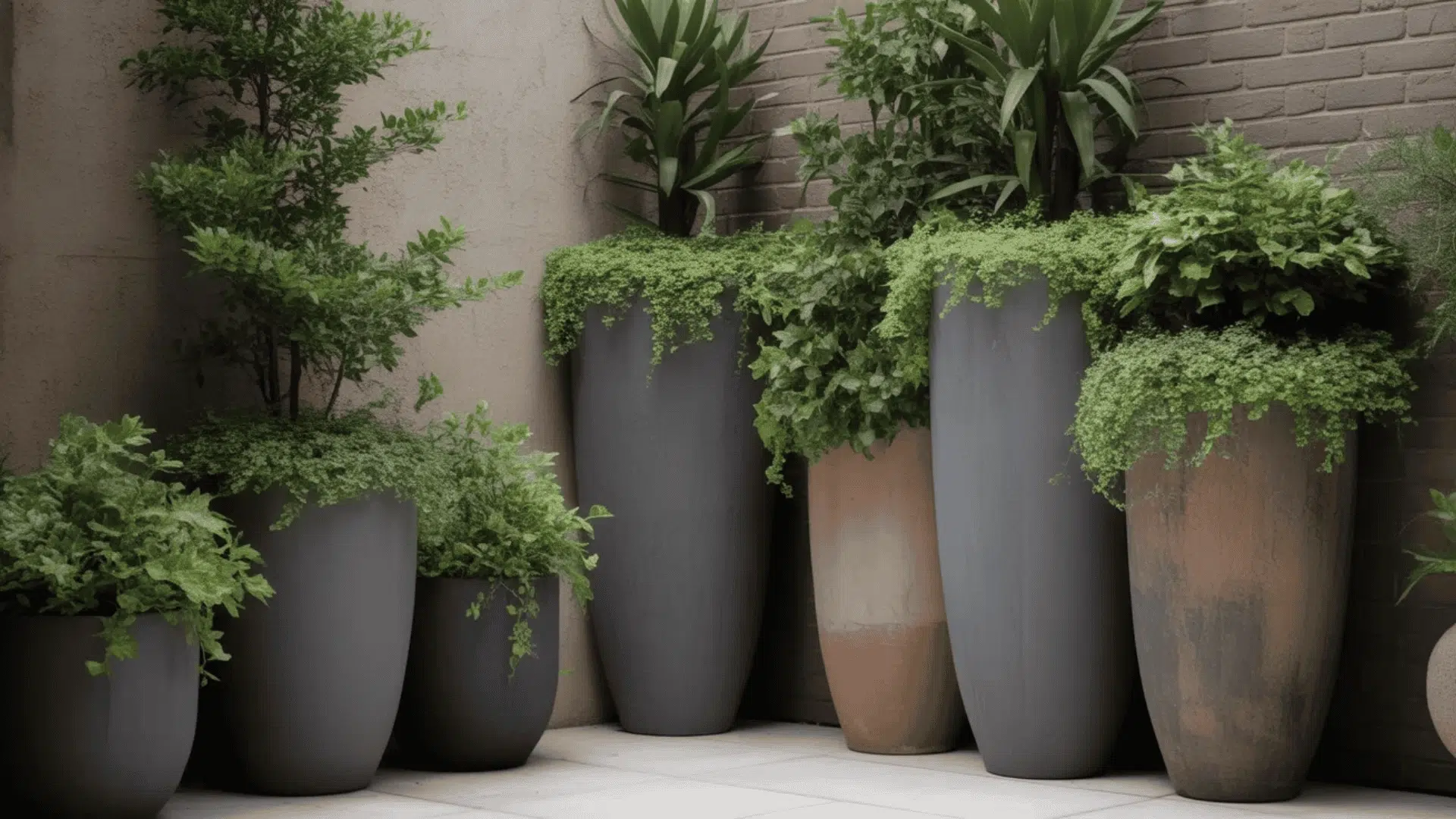
Tall planters add height and structure to flat or empty spaces. They work well near walls or in plain corners.
- Best For: Corners, walls, and entryways.
- Plants to Grow: Tall leafy plants or small trees.
6. Symmetrical Porch Planters
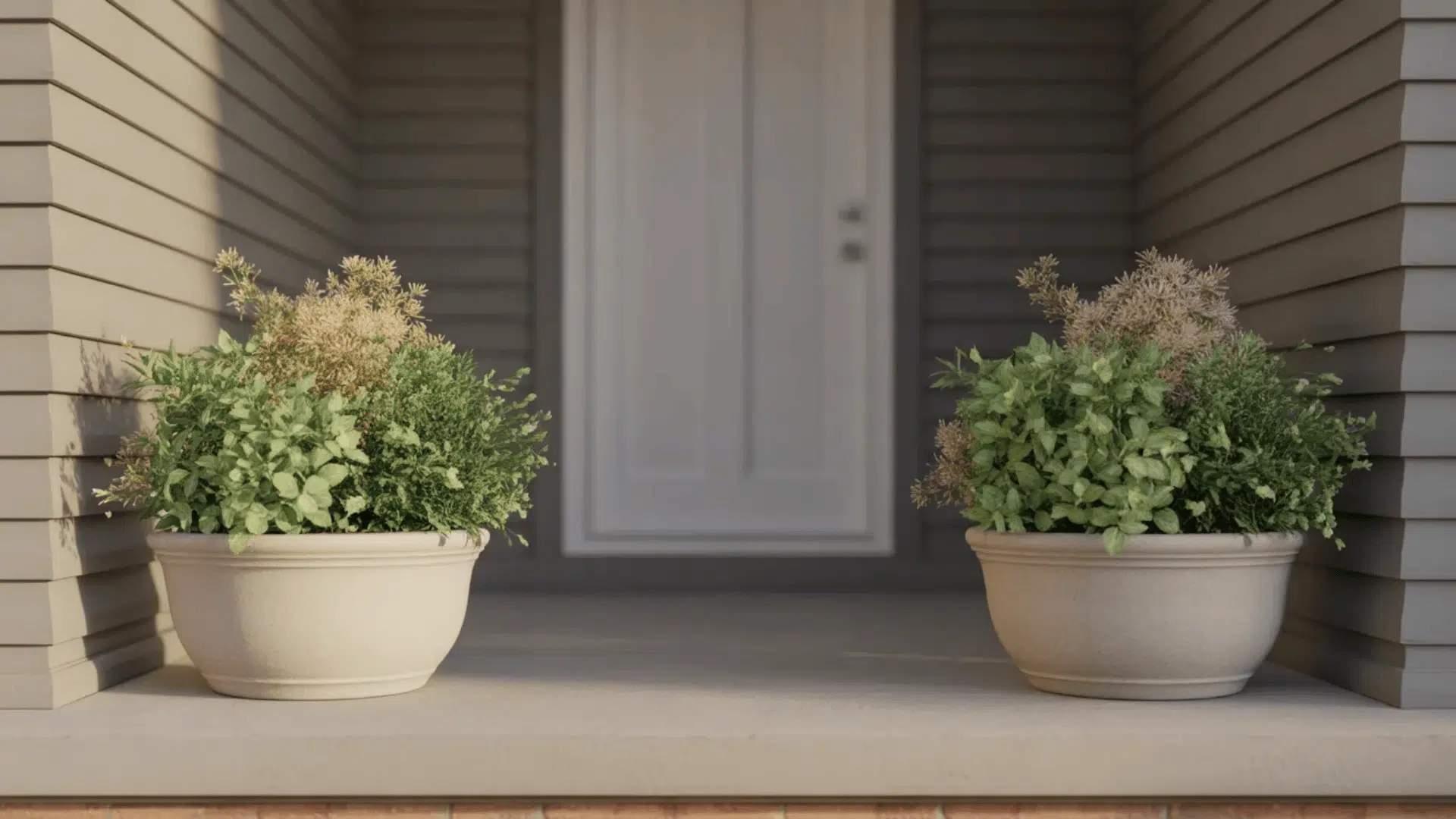
Matching planters on both sides of an entrance create a balanced look. It’s a small change that makes any space feel more put-together.
- Best For: Front porches and entry areas.
- Plants to Grow: Identical pairs of flowers or shrubs.
7. Rustic Barrel Planters
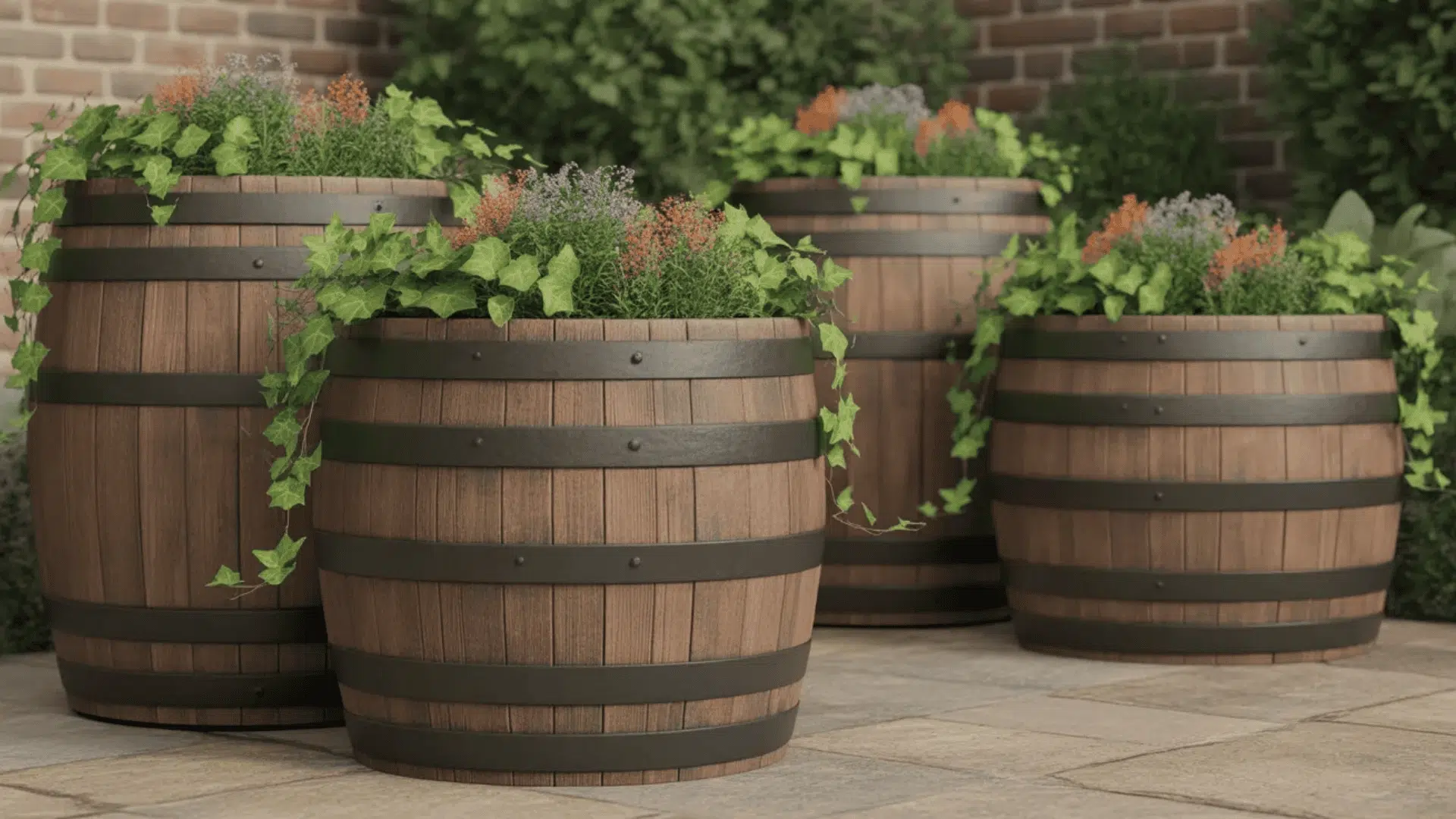
Wooden barrels offer a natural, grounded look for outdoor spaces. They’re strong and hold more soil than regular pots.
- Best For: Patios and open outdoor spaces.
- Plants to Grow: Vegetables, herbs, or large flowers.
8. Urn-Style Containers
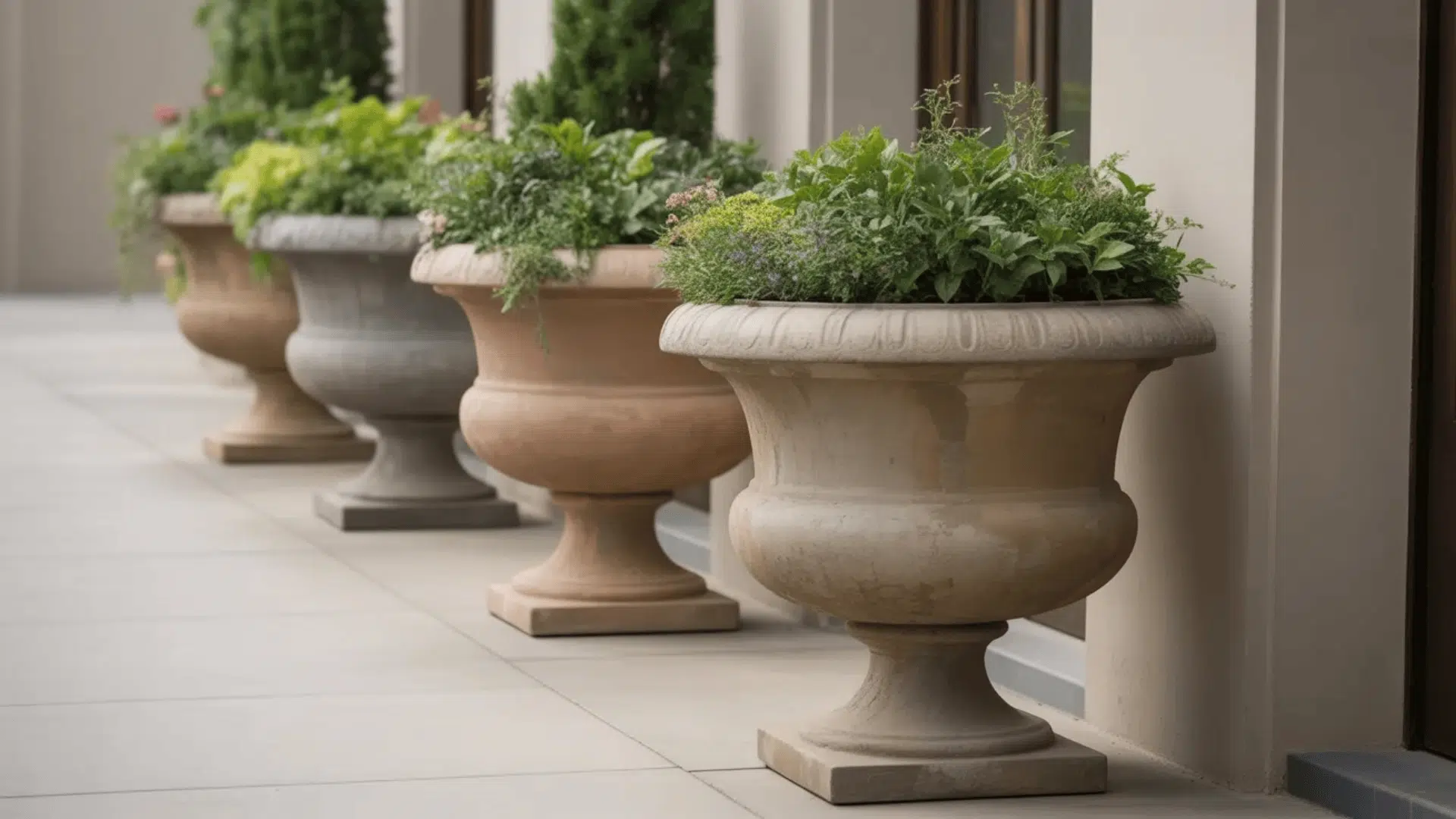
Urn-shaped containers add style and structure without taking much space. They suit both modern and classic setups.
- Best For: Entrances, pathways, and small patios.
- Plants to Grow: Decorative flowers or compact greenery.
9. Small Shrub Containers
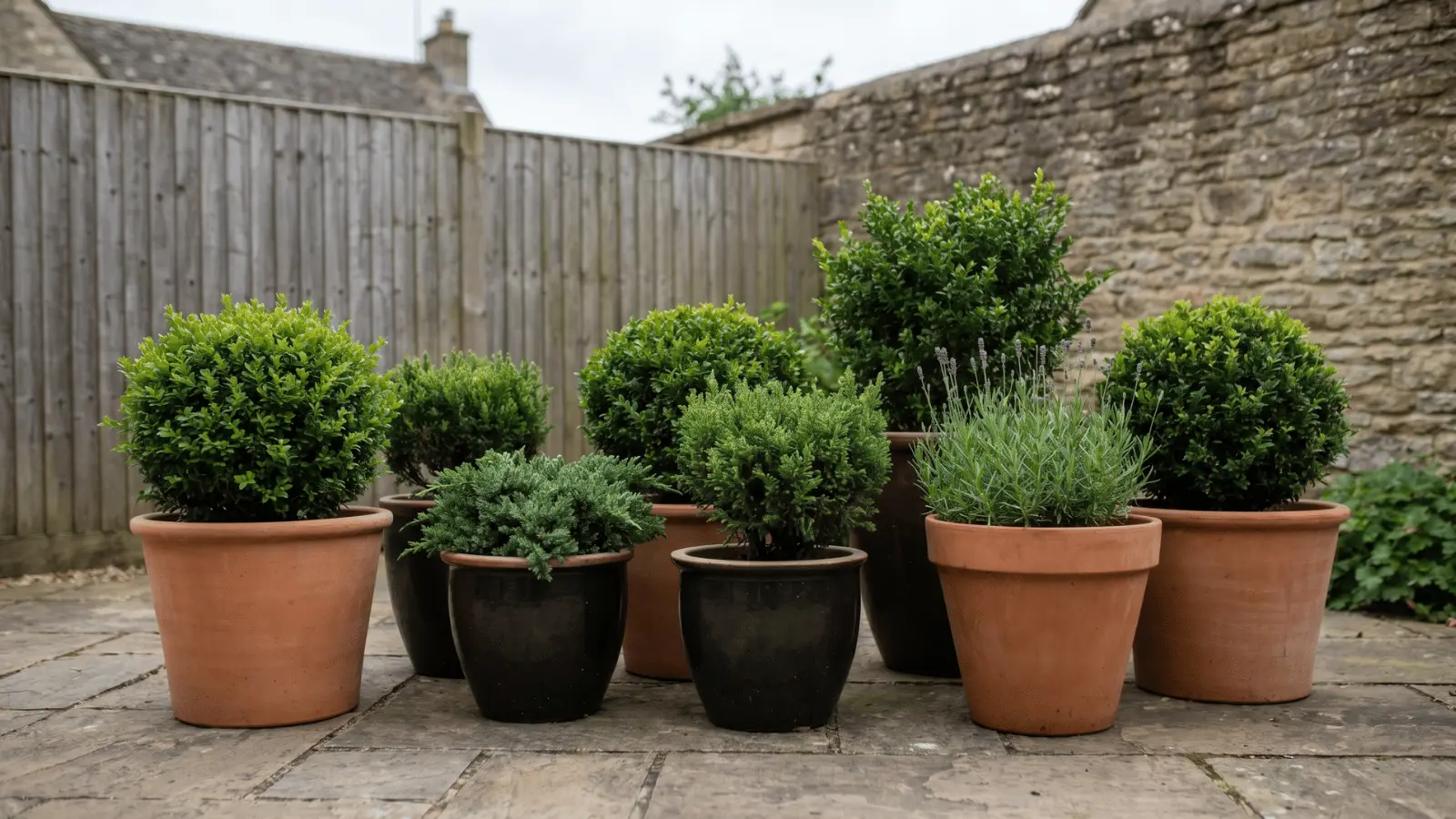
Compact shrubs grow well in medium-sized pots and offer long-term greenery. They add structure without needing frequent replanting.
- Best For: Patios, balconies, and small outdoor areas.
- Plants to Grow: Slow-growing shrubs.
10. Decorative Pathway Pots
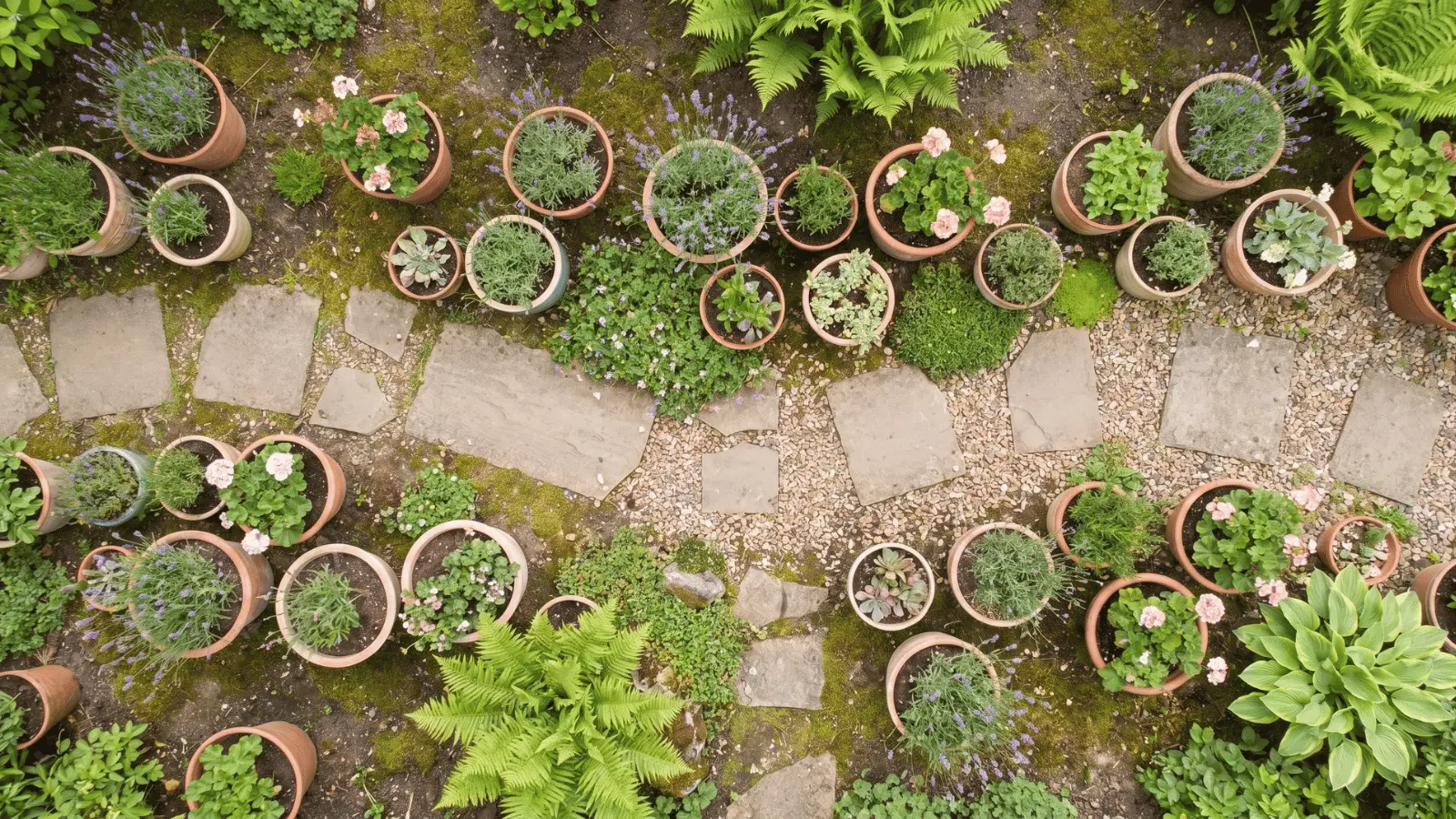
Pathway pots help define your space and guide movement naturally. They create a clean and organized layout with little effort.
- Best For: Garden walkways and outdoor paths.
- Plants to Grow: Small flowering or leafy plants.
11. Mini Herb Pots
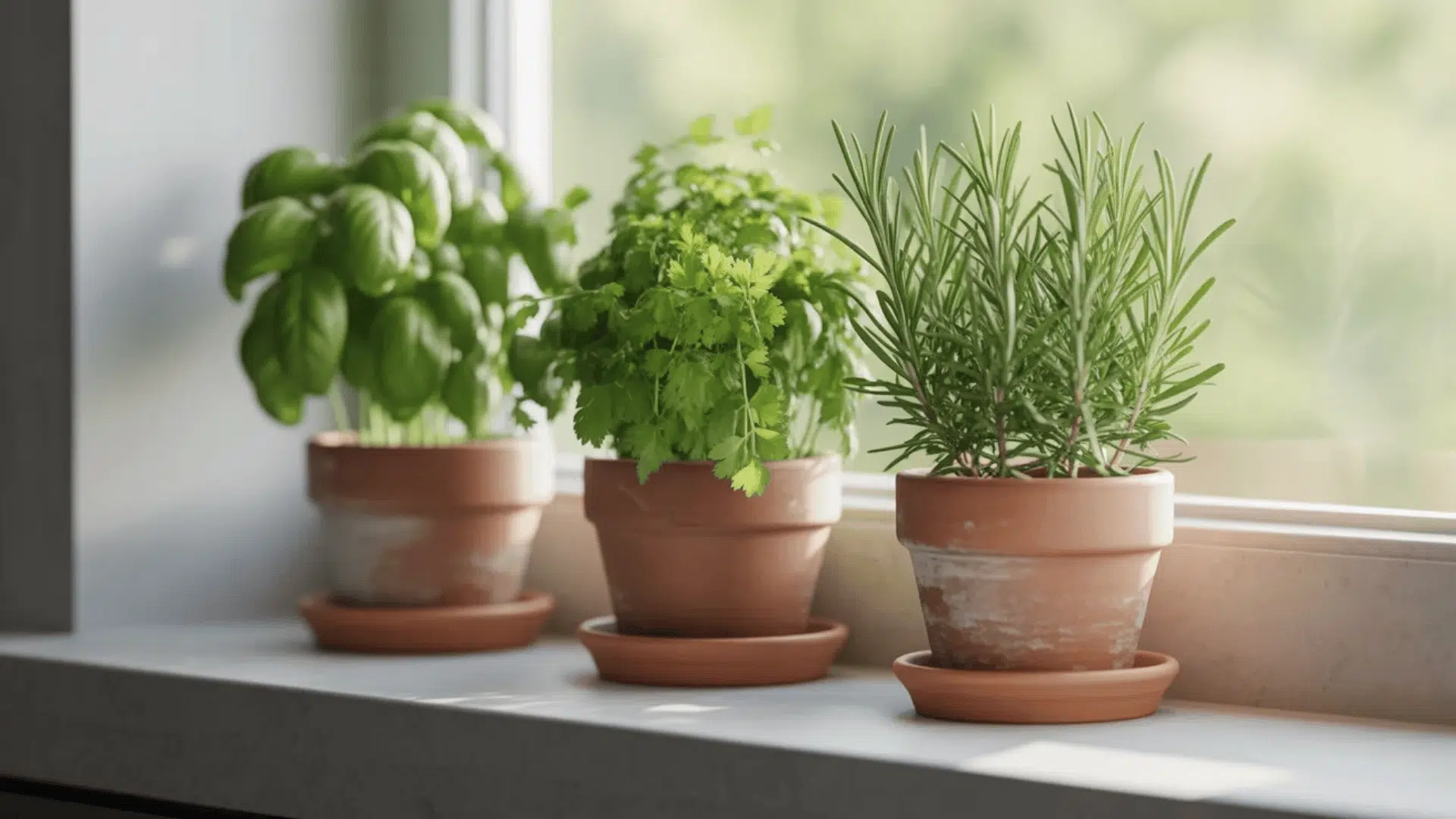
Small herb pots keep fresh ingredients close and easy to use. They’re one of the most practical setups for everyday cooking.
- Best For: Kitchens and sunny windowsills.
- Plants to Grow: Basil, mint, parsley, or coriander.
12. Vertical Wall Planters
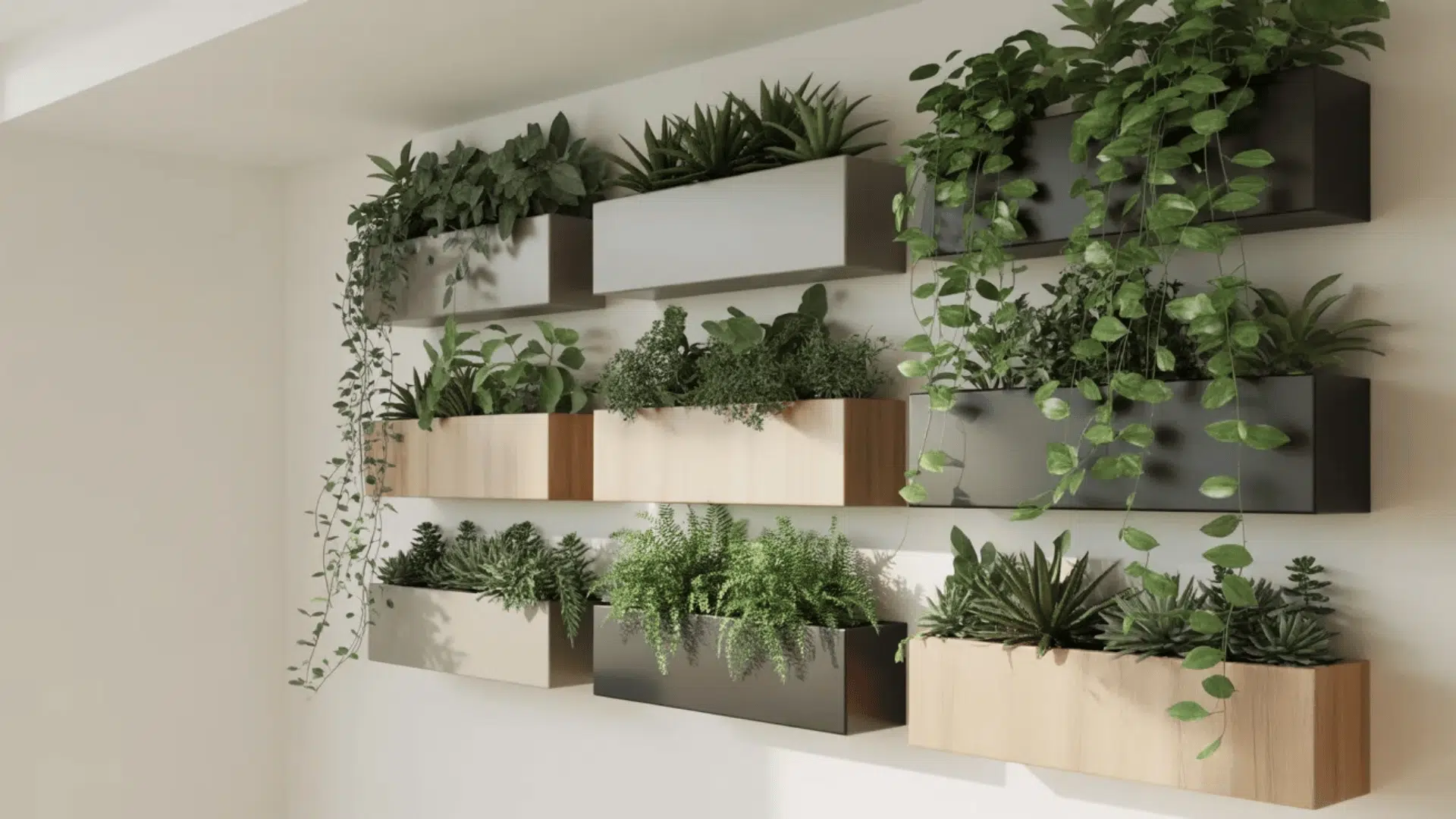
Wall planters use vertical space instead of floor area. They let you grow multiple plants without crowding the room.
- Best For: Apartments and indoor walls.
- Plants to Grow: Small leafy plants or herbs.
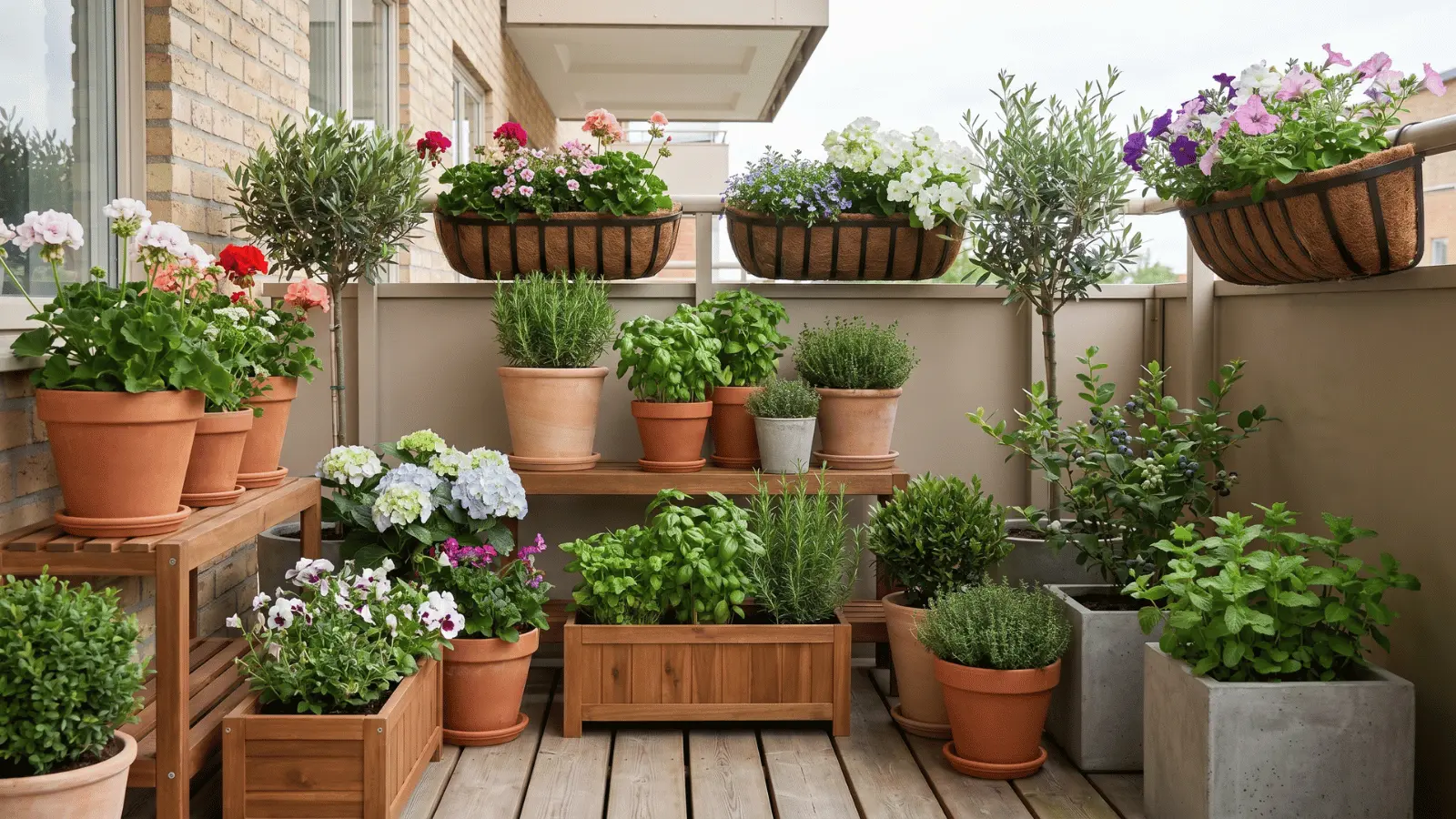
13. Layered Container Grouping
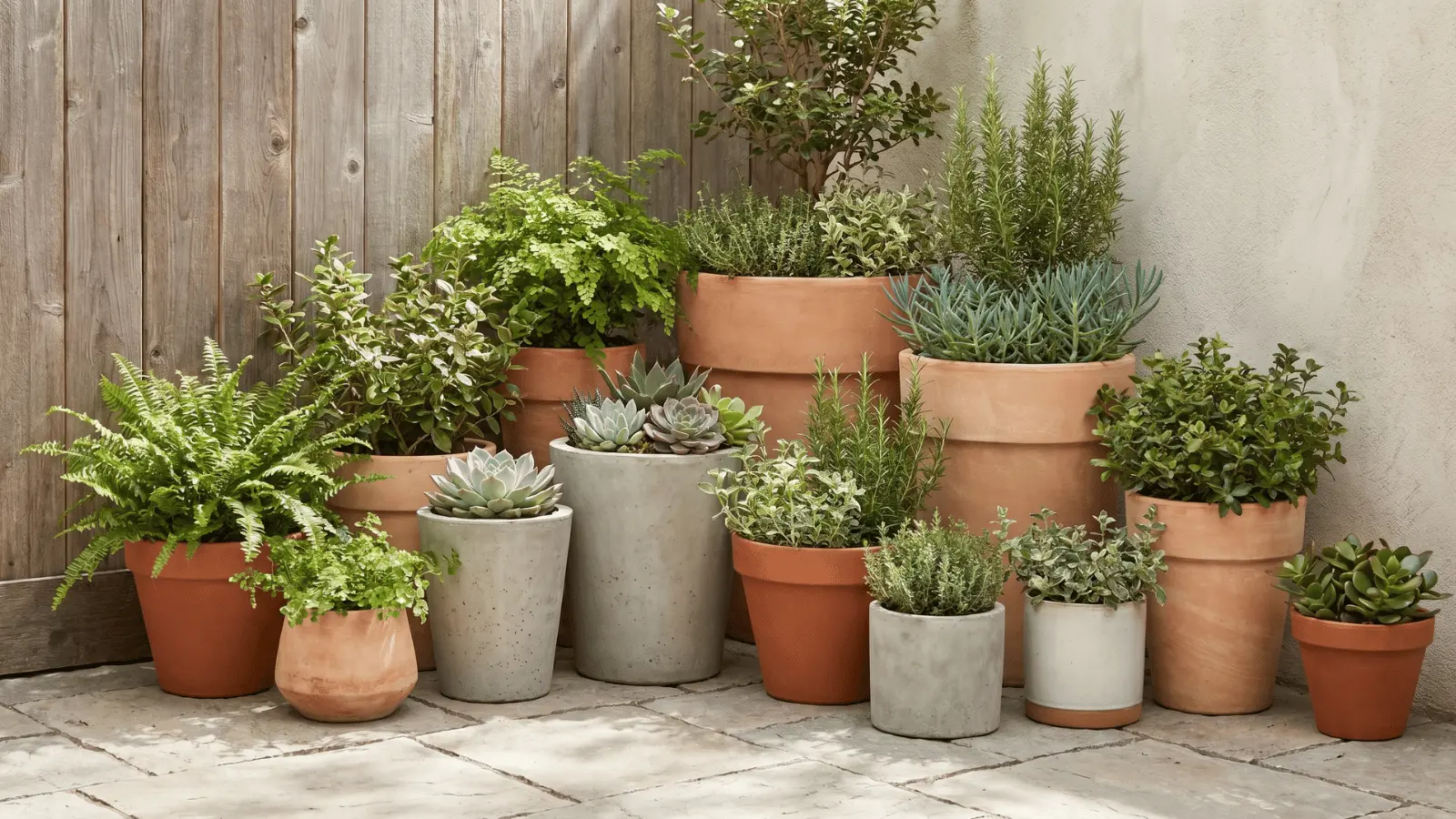
Pots of different sizes together create depth and fill empty spaces. It’s an easy way to make corners and patios look complete.
- Best For: Corners, patios, and flat areas.
- Plants to Grow: Mixed plants with similar needs.
14. Vegetable Container Garden
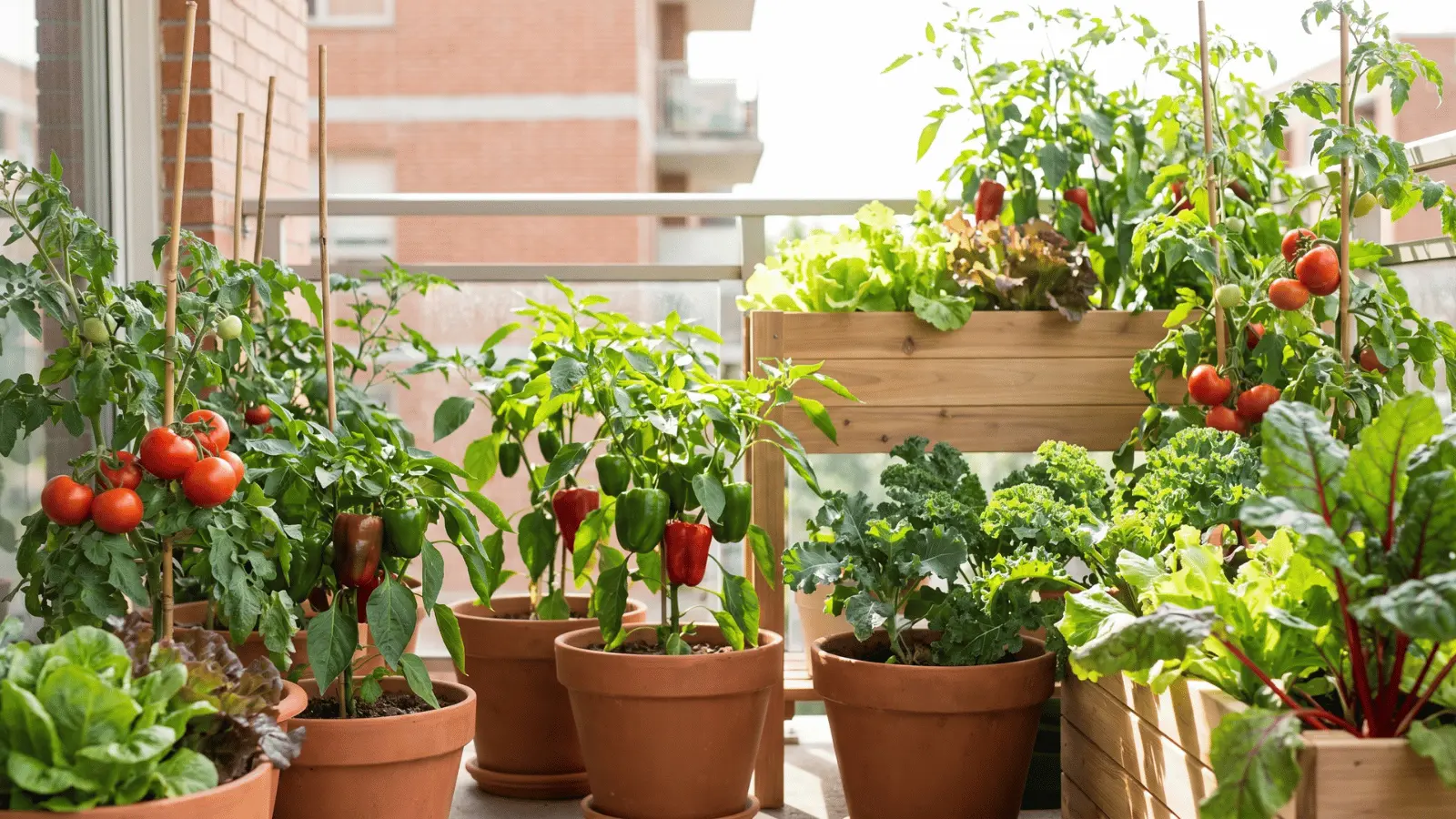
Vegetables can grow well in pots, even in small spaces. This setup is both practical and rewarding for daily use.
- Best For: Balconies, patios, and sunny spots.
- Plants to Grow: Tomatoes, peppers, and leafy greens.
15. Fruit Plants in Containers
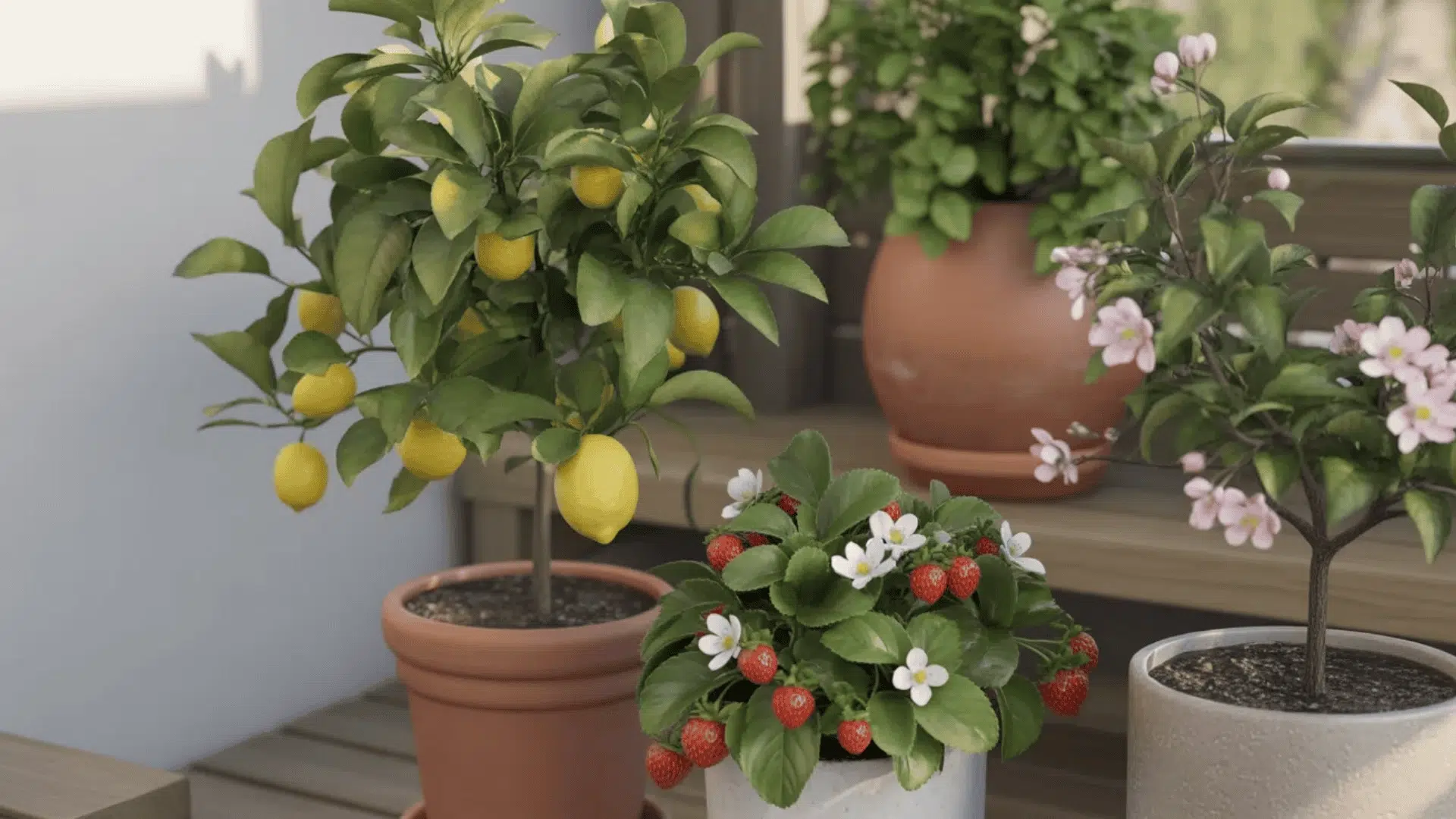
Small fruit plants like strawberries grow well in pots. They’re perfect for balconies and patios with limited space.
- Best For: Balconies and small outdoor spots.
- Plants to Grow: Strawberries, blueberries, or dwarf citrus.
16. Ladder Plant Stand Setup
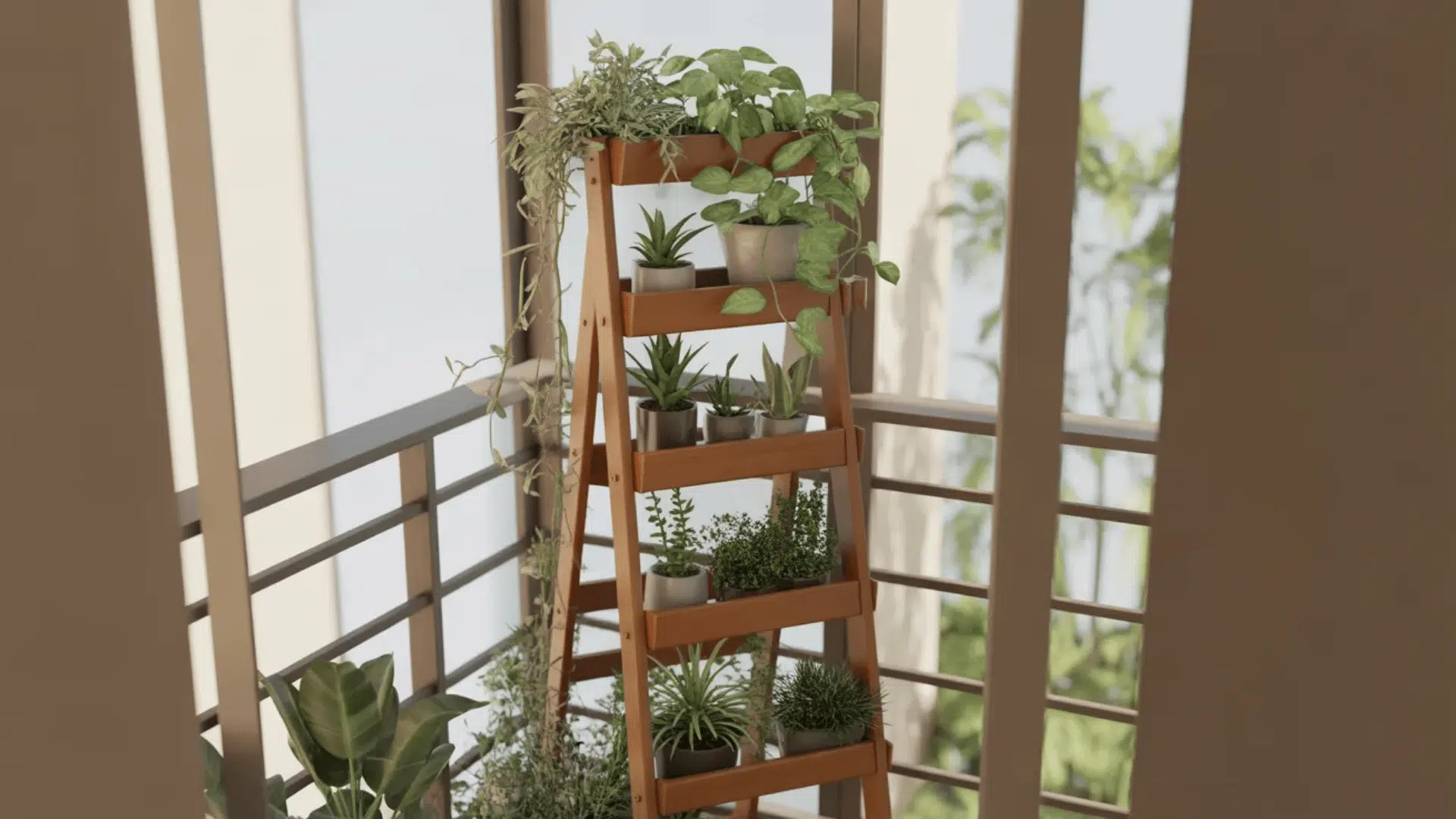
Ladder stands organize plants vertically while saving floor space. They bring style and structure to small areas.
- Best For: Balconies and indoor corners.
- Plants to Grow: Mixed small to medium plants.
17. Wooden Crate Planters
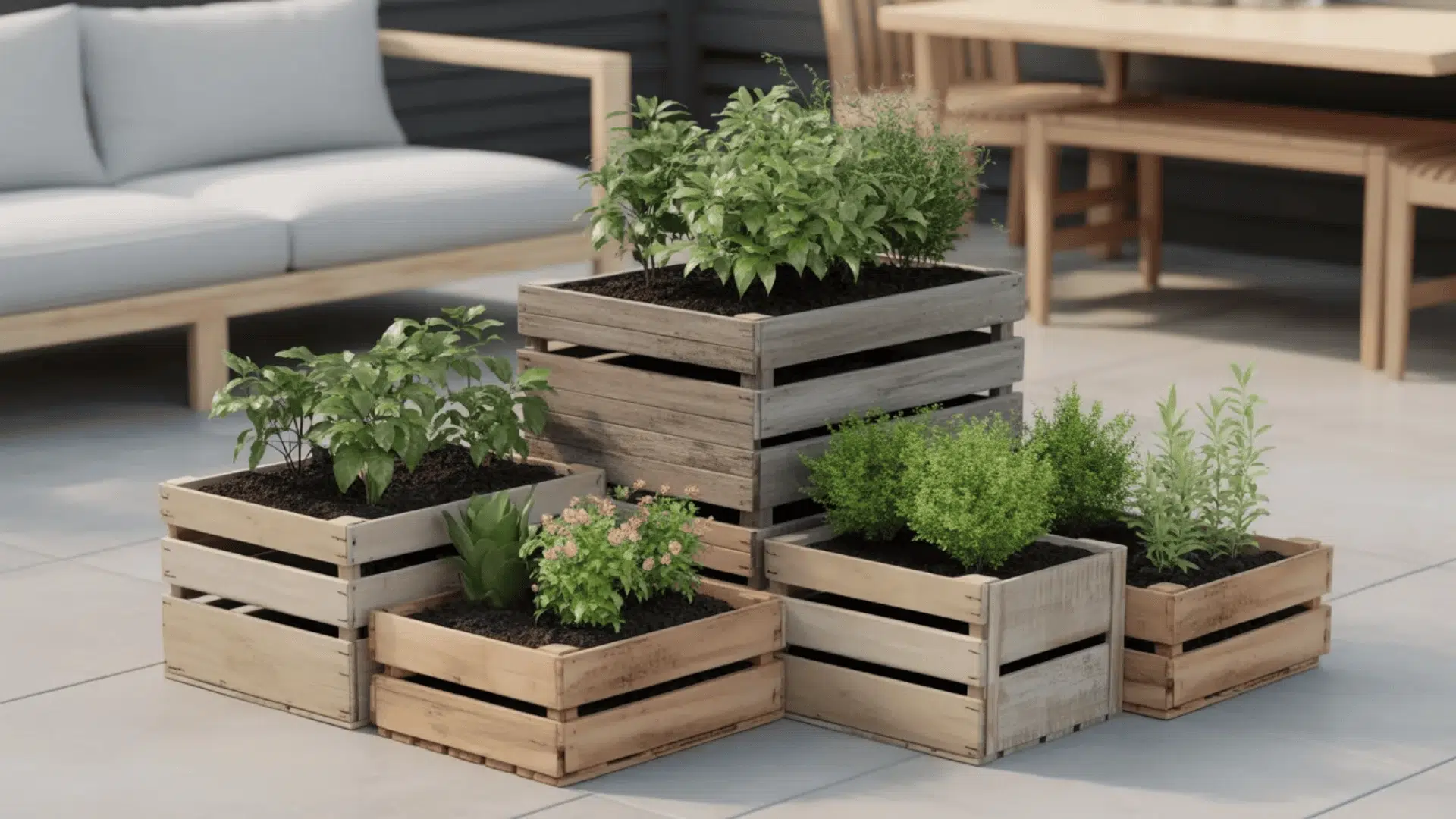
Wooden crates are simple, affordable, and easy to set up. They work well for herbs, flowers, or small plants.
- Best For: Balconies, patios, and budget setups.
- Plants to Grow: Herbs, flowers, or salad greens.
18. Hanging Garden Setup
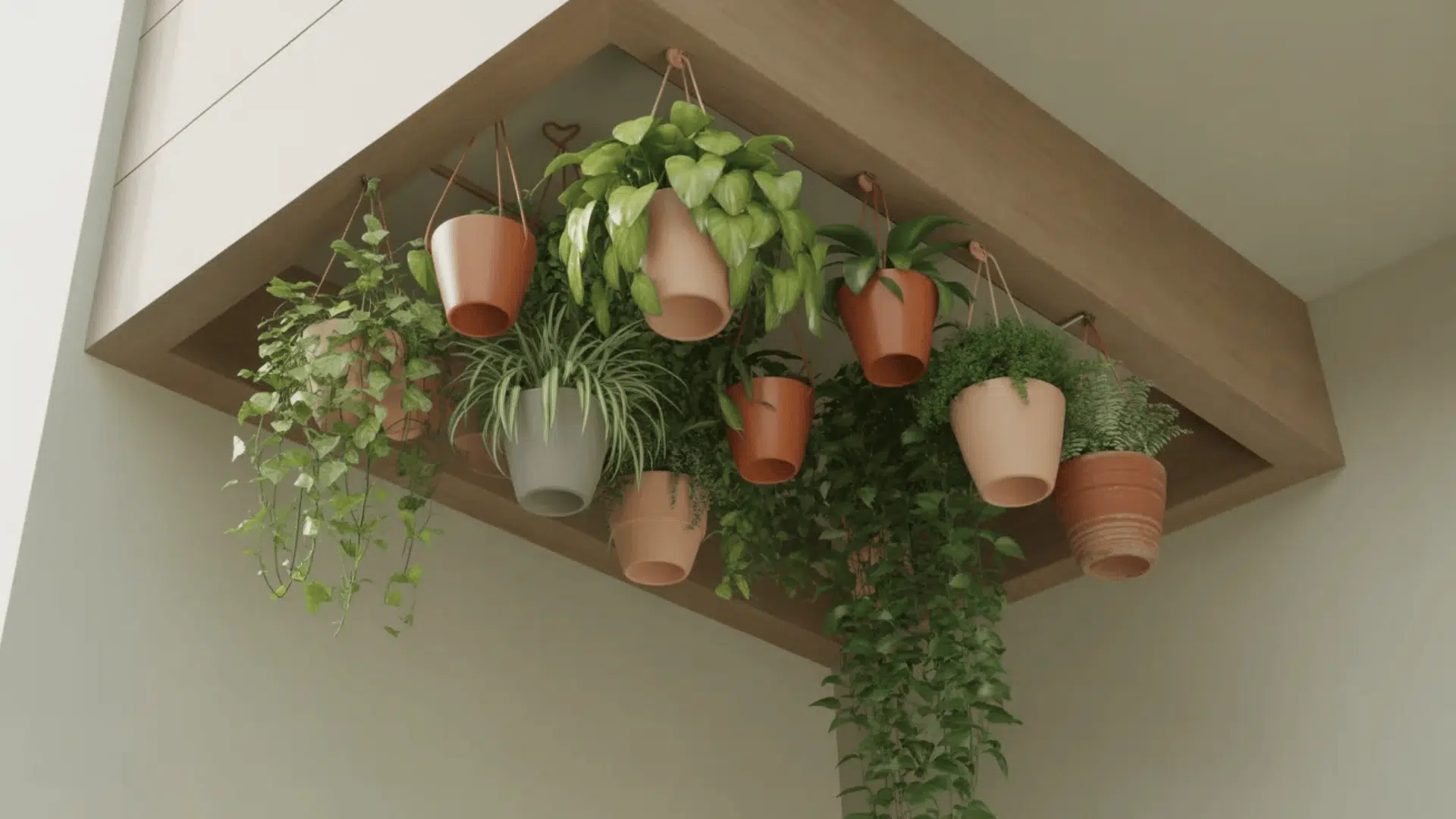
Hanging multiple pots adds greenery at different heights. It keeps walkways clear and improves space use.
- Best For: Small balconies and indoor corners.
- Plants to Grow: Trailing or lightweight plants.
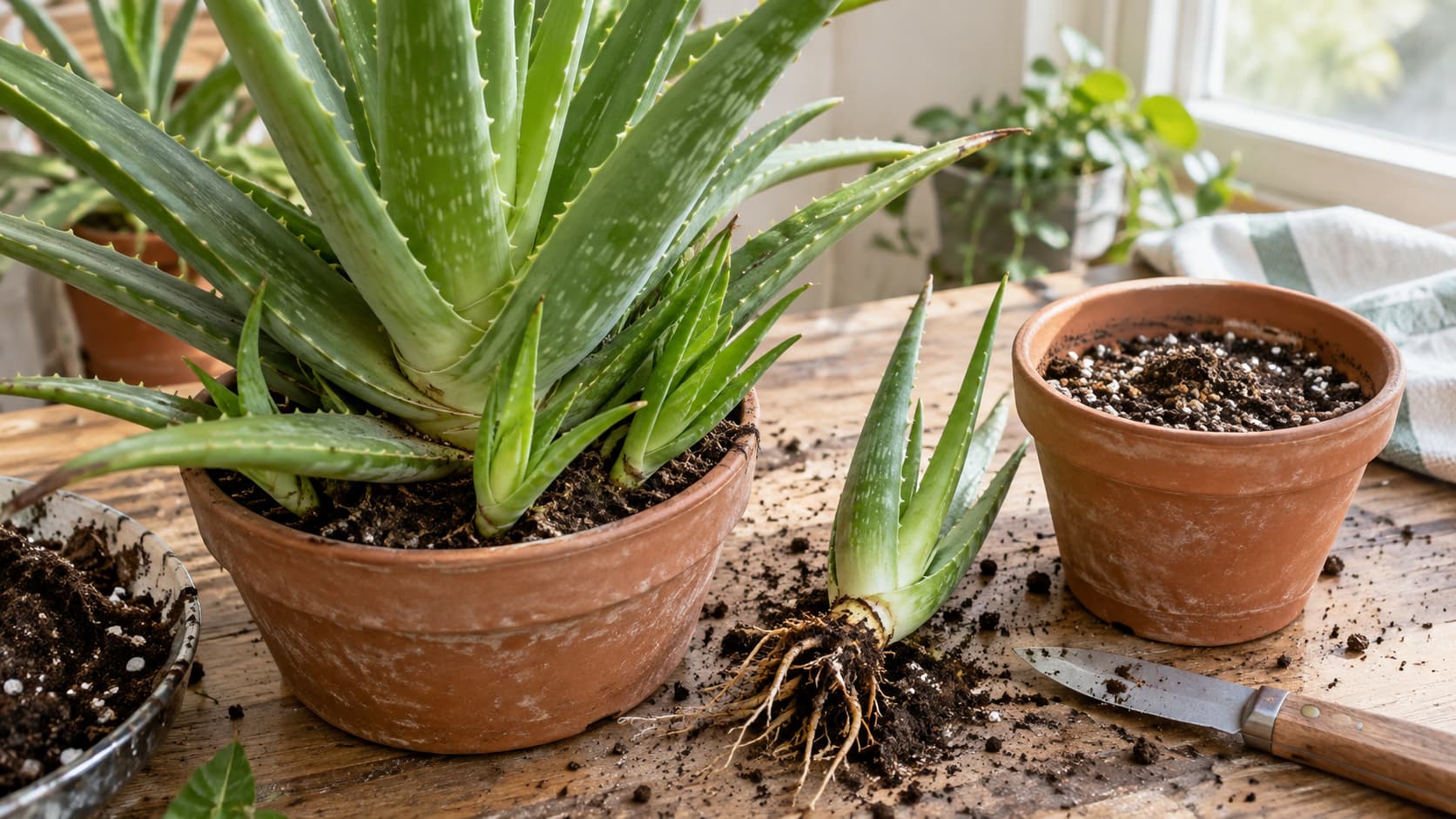
19. Succulent Container Garden
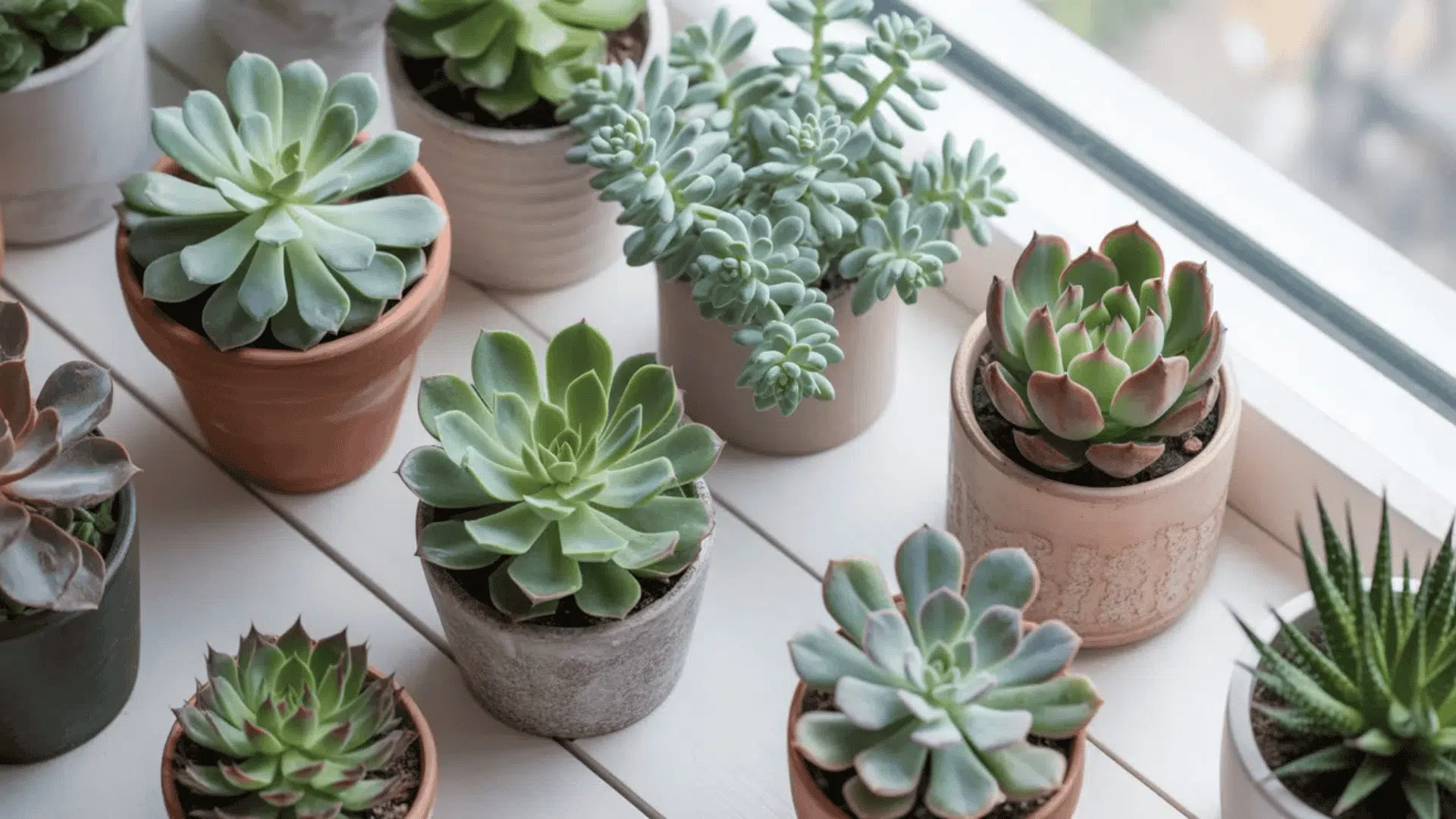
Succulents are low-maintenance and need very little water. They’re a great pick for beginners or busy people.
- Best For: Indoor shelves and sunny spots.
- Plants to Grow: Aloe, jade, or echeveria.
20. Balcony Railing Planters
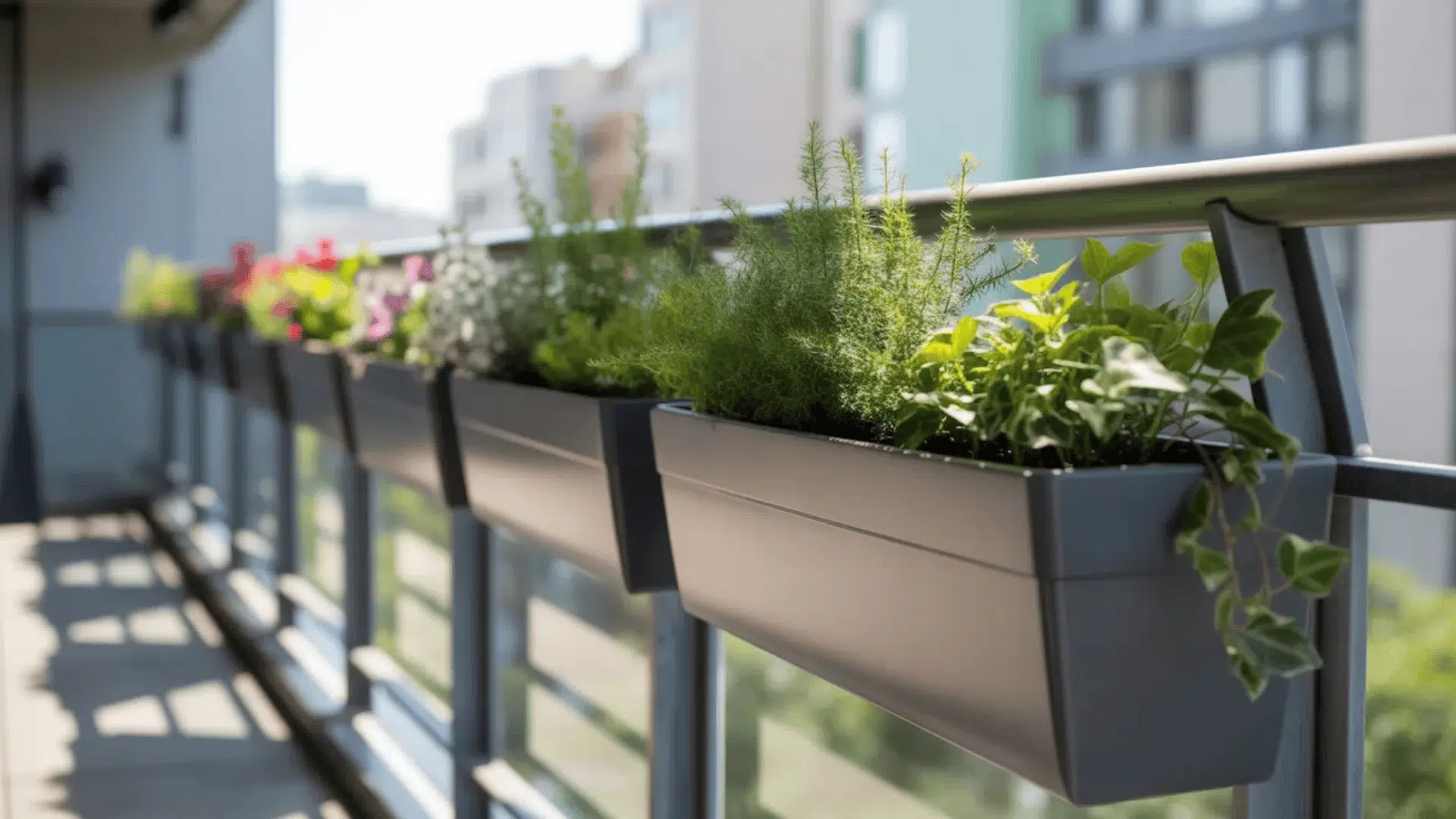
Railing planters use unused balcony space without blocking the floor. They’re perfect for small apartment balconies.
- Best For: Apartment balconies.
- Plants to Grow: Small flowers or herbs.
21. Stackable Planters
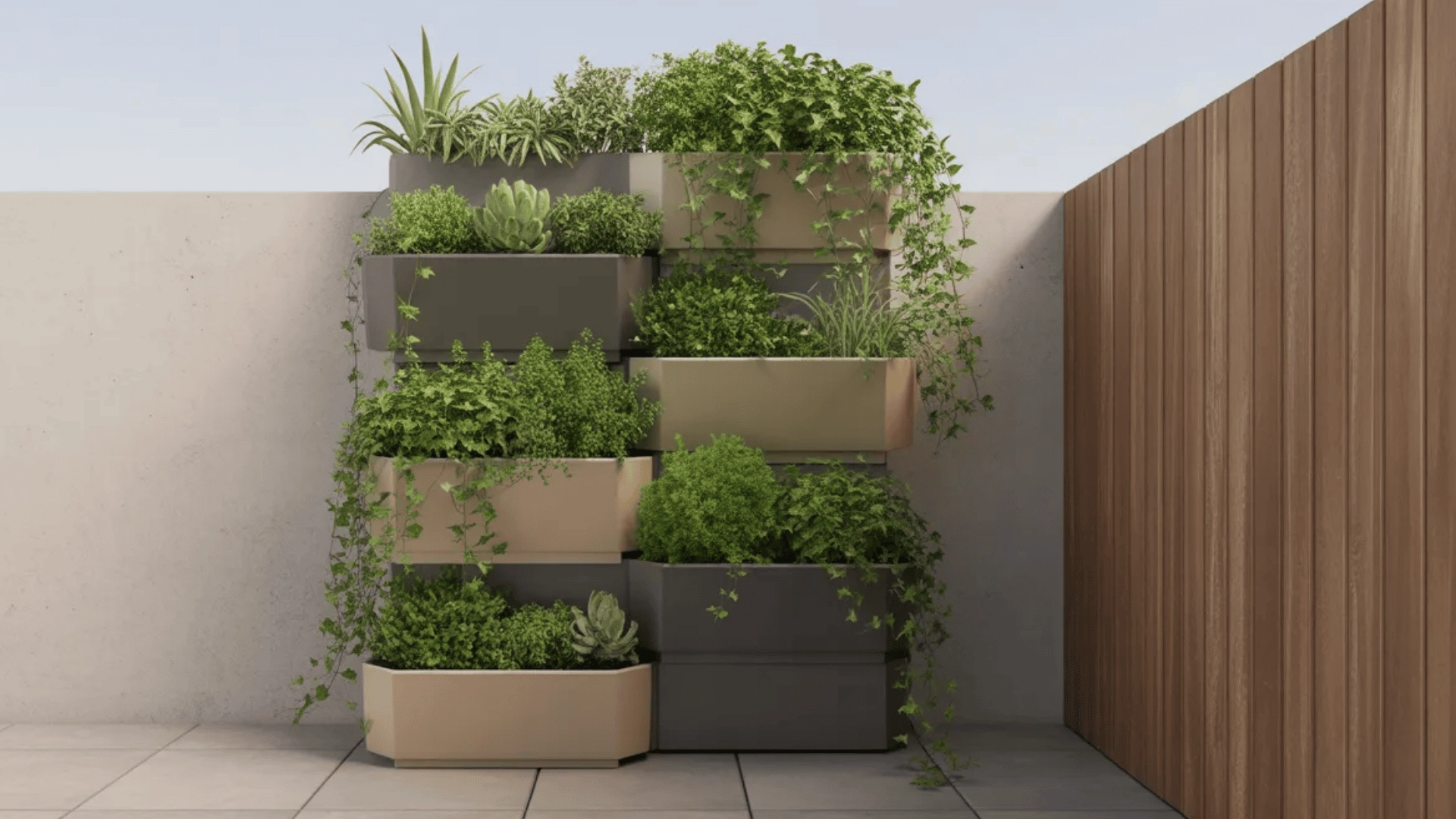
Stackable planters let you grow more plants vertically. They suit small homes, apartments, and tight outdoor areas.
- Best For: Small spaces and tight corners.
- Plants to Grow: Herbs and shallow-rooted plants.
22. Indoor Kitchen Herb Garden
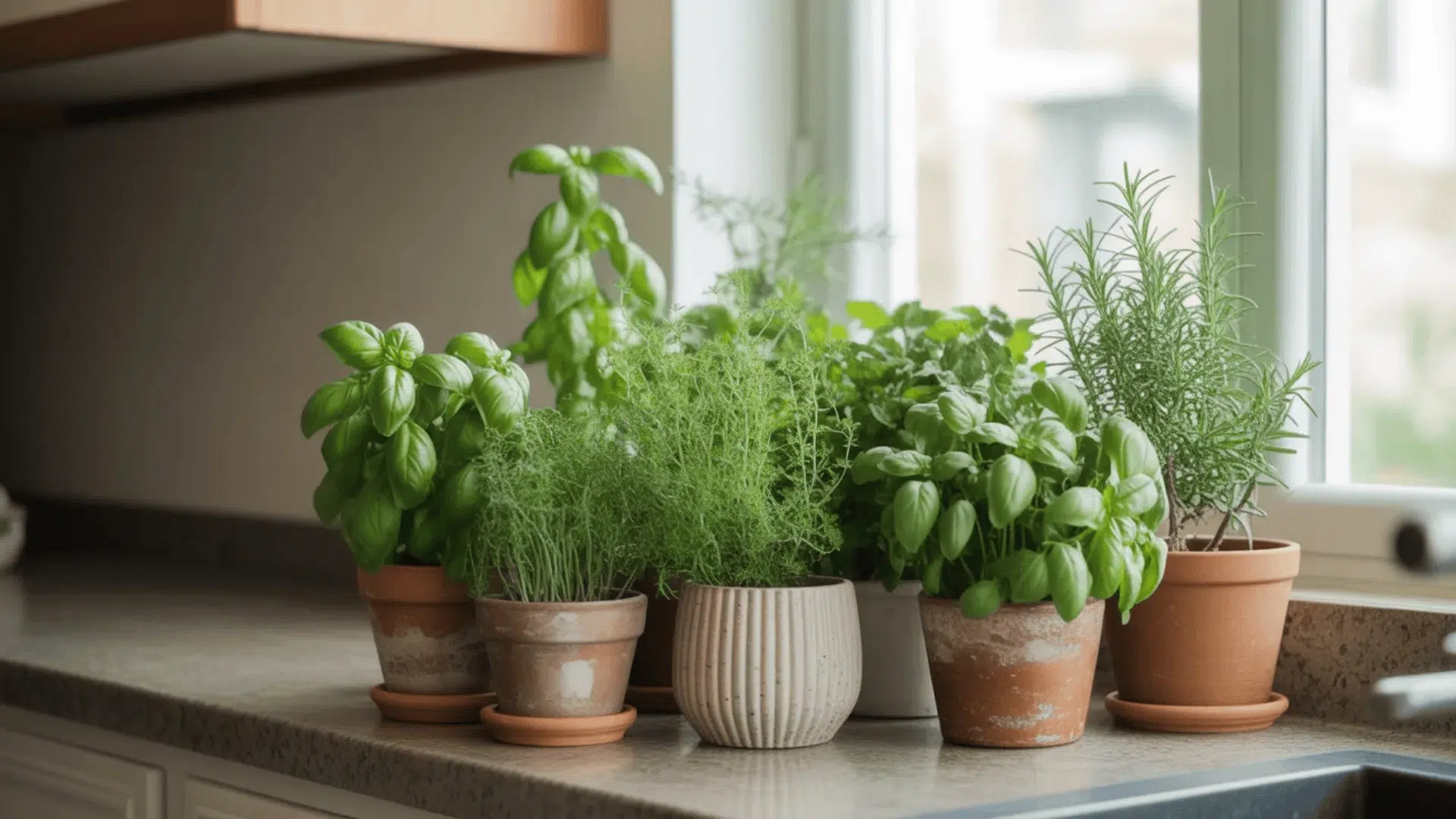
Growing herbs indoors keeps fresh ingredients within reach. It’s perfect for daily cooking and small kitchens.
- Best For: Kitchens and sunny windows.
- Plants to Grow: Basil, thyme, oregano, or chives.
23. Terrarium Containers
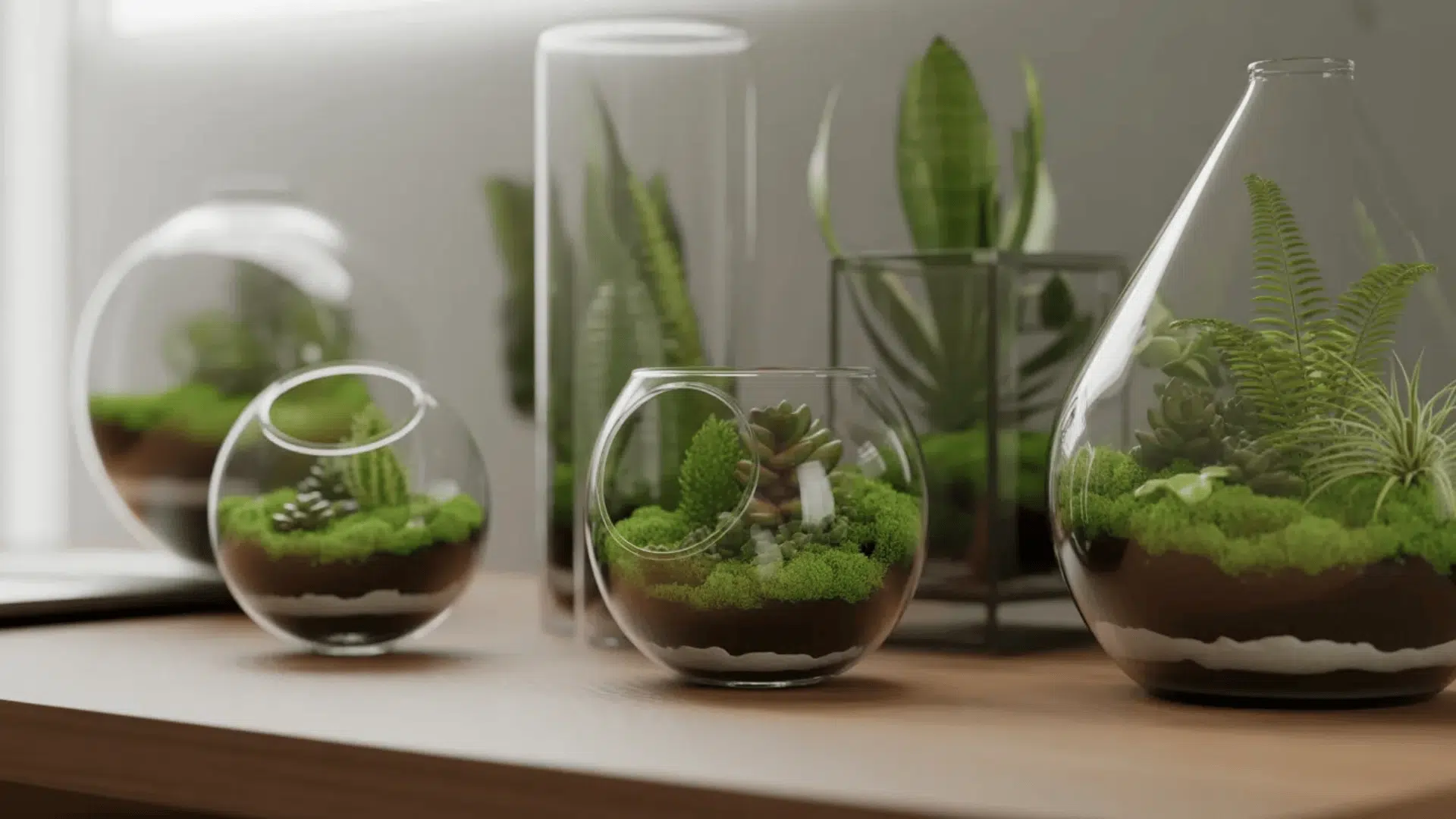
Terrariums grow plants in compact glass containers. They’re great for desks, shelves, and windowsills.
- Best For: Indoor decor and small surfaces.
- Plants to Grow: Mosses, ferns, or small succulents.
24. Recycled Bottle Planters
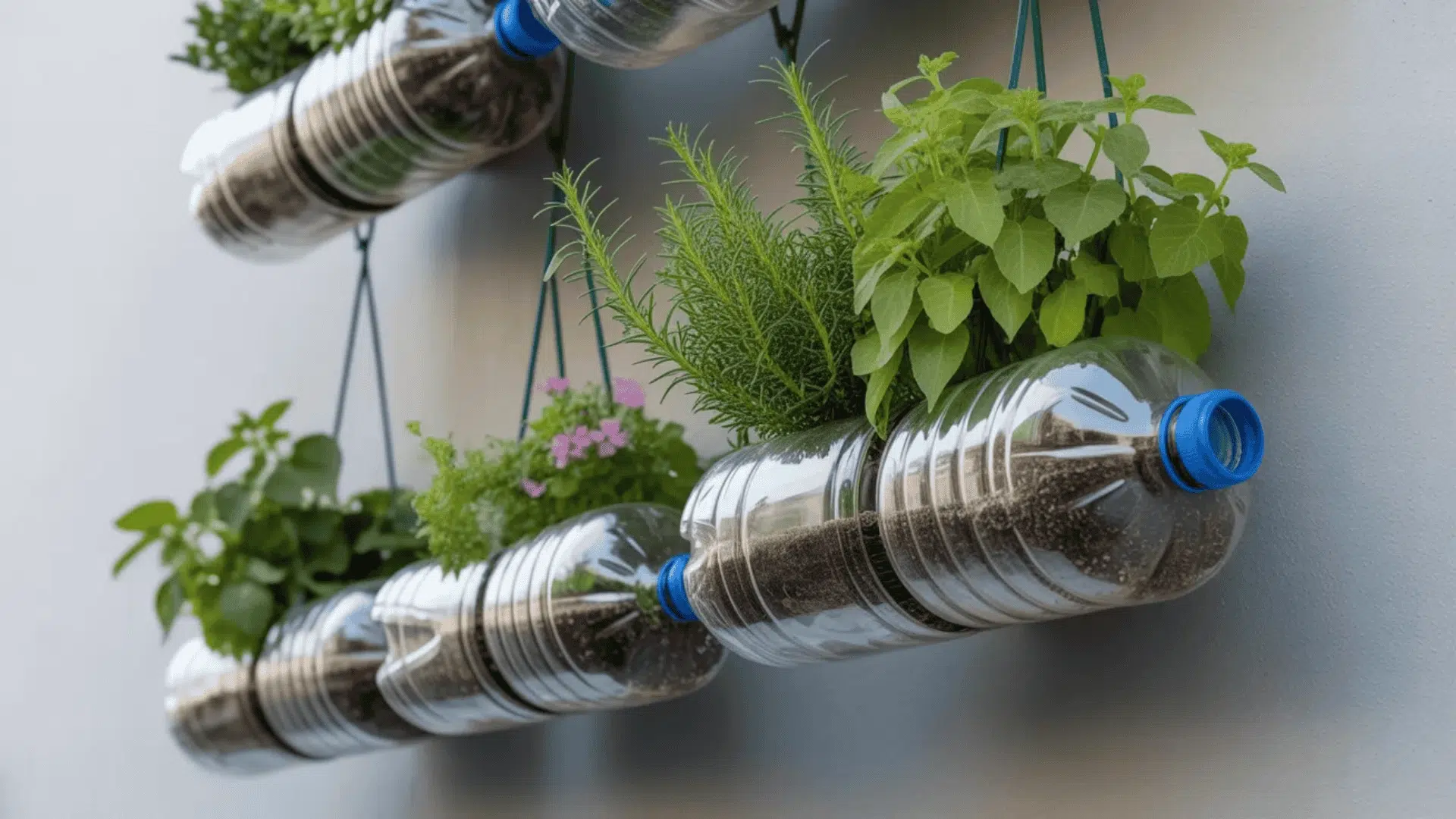
Plastic bottles can be reused as plant containers. It’s a budget-friendly and eco-friendly way to start gardening.
- Best For: Beginners on a tight budget.
- Plants to Grow: Herbs and small flowers.
25. Pallet Garden Setup
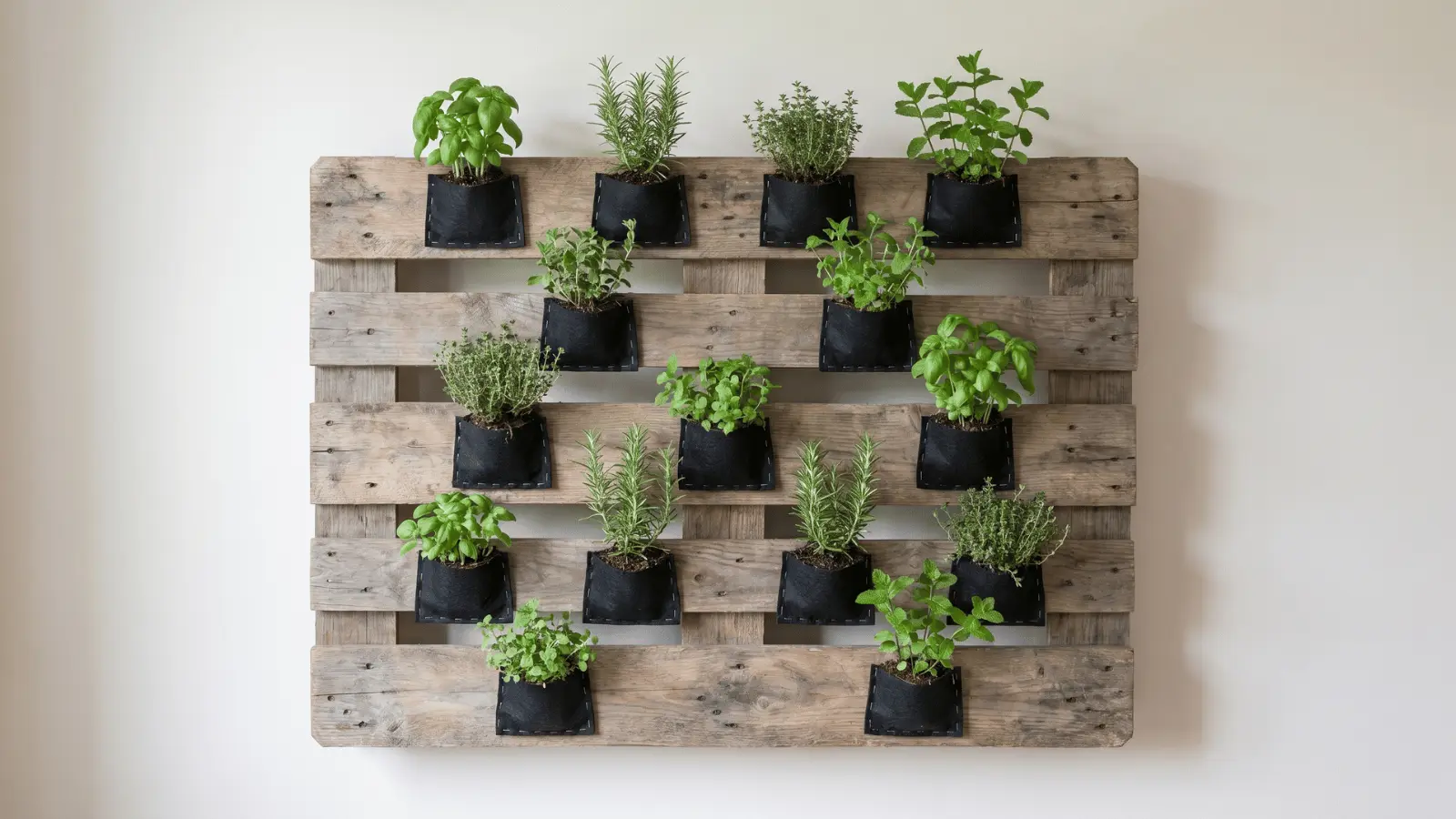
Wooden pallets are great for vertical gardening in tight spaces. They help organize multiple plants in one structure.
- Best For: Balconies, walls, and outdoor corners.
- Plants to Grow: Herbs and small plants.
How to Choose the Right Containers for Plants?
Choosing the right container is important because it directly affects plant growth and maintenance. Each factor plays a role in keeping your plants healthy and stable over time.
| Factor | What to Look For |
|---|---|
| Drainage | Pots should have drainage holes to prevent water buildup and protect roots from damage. |
| Size | Match the pot size to the plant type, so roots have enough space to grow properly. |
| Material | Plastic, clay, or ceramic containers affect moisture retention, weight, and durability. |
| Shape | Round, square, or vertical shapes help fit containers better in small or limited spaces. |
| Stability | Strong and balanced pots prevent tipping and reduce the risk of plant damage. |
Keeping these factors in mind makes it easier to pick containers that support healthy growth and last longer.
Wrapping Up
Container gardening makes it possible to grow plants almost anywhere, whether you have a balcony, windowsill, patio, or small indoor corner.
From herbs and vegetables to flowers and succulents, the right setup can turn even limited spaces into something green and useful.
These container garden ideas also make gardening easier for beginners since they need less space, less maintenance, and more flexibility than traditional gardens.
The key is choosing containers that match your space, plants, and daily routine. Start with a few simple pots, learn what works best in your home, and build from there over time.
Have you tried container gardening before? Share your favorite setup or experience in the comments below.
Frequently Asked Questions
How Can I Improve Drainage in Containers Without Holes?
If a container has no holes, add a layer of stones or use an inner pot with drainage. This helps reduce water buildup and protects roots.
Is Fertilizer Necessary for Container Gardening?
Yes, container plants may need extra nutrients over time. Using a mild fertilizer occasionally helps maintain healthy growth.
Can I Mix Different Plants in One Container?
Yes, but choose plants with similar light and water needs. This helps maintain balance and prevents growth issues.