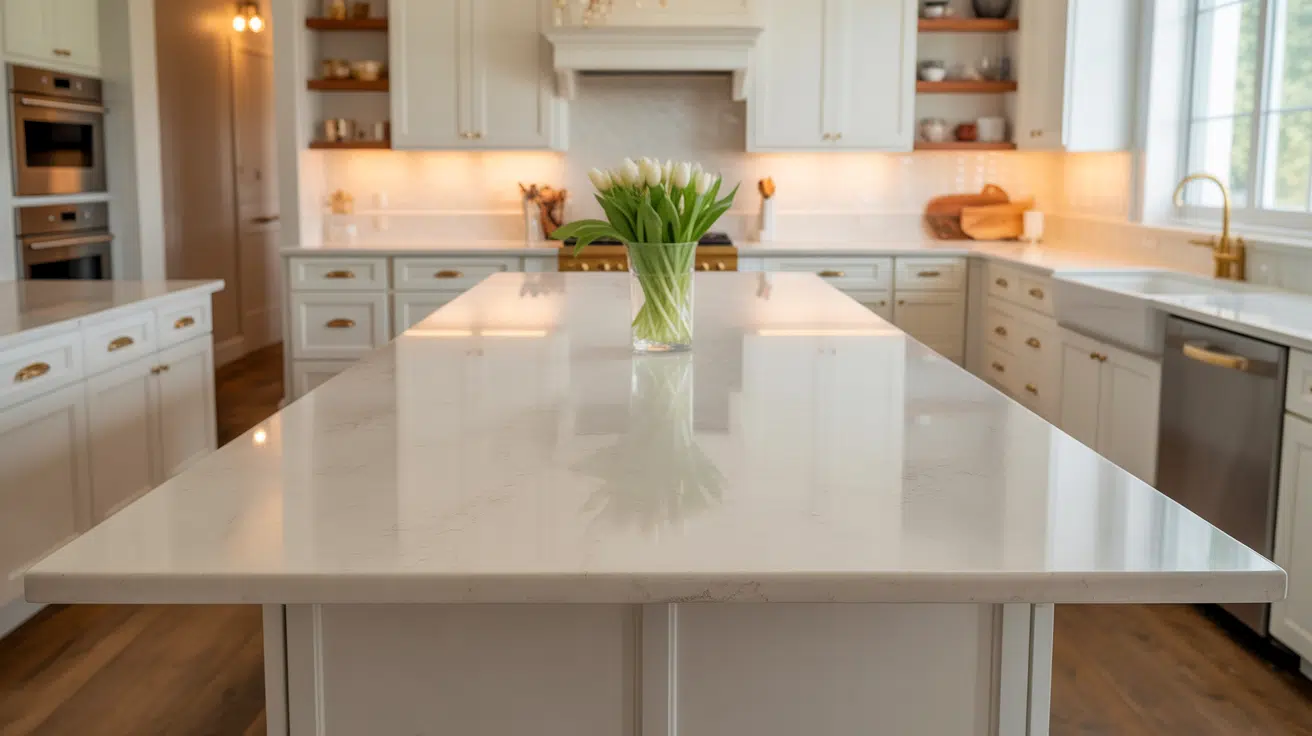
25 Color Ideas to Brighten a Dark, Narrow Hallway
Every time I walked through my hallway, it felt more like a tunnel than part of my home – dark, cramped, and just kind of forgotten. I knew I couldn’t add a window or knock down a wall, so I turned to something simple: paint.
It made a bigger difference than I expected.
In this guide, I’m sharing the exact colors and tips that helped me turn my narrow, windowless hallway into a space that feels brighter and way more inviting.
If you’re dealing with a hallway that feels heavy or closed in, these ideas can help you bring in light, even when there isn’t any natural light to work with. Let’s get your hallway looking as fresh as the rest of your home.
The Importance of Color Choice in Small, Dim Hallways
Picking the right colors for a narrow, poorly lit hallway can completely change how the space feels.
The colors on your walls do more than just please the eye; they can make a tight space feel bigger and a dark area feel much brighter.
Color’s Role in Light Reflection
Light colors work wonders in small, dim hallways because they naturally reflect more light than darker shades. When light hits a pale-colored wall, much of that light bounces back into the space.
This makes white, cream, and other light tones perfect for areas with limited lighting. A fresh coat of white paint can almost instantly make a hallway feel noticeably brighter.
Soft blues and greens also work well while adding a hint of subtle color. These light shades help maximize whatever light is available, making the narrow space feel more open.
The Psychology of Light Shades
Beyond the physics of light reflection, the colors we choose affect how we feel about a space. Light colors tend to make us perceive areas as larger than they actually are.
Soft, pale colors create a sense of calm and openness that can make even the most cramped corridor feel less restricting. Light blues recall clear skies, while gentle greens connect us to nature and create a sense of peace.
Color Ideas to Brighten a Dark Narrow Hallway
Choosing the right color can change the way your dark hallway feels. Below are tried-and-tested options that can help open up and brighten even the most challenging spaces.
These colors work with different home styles and can be matched with various trims and floors to create a hallway that feels open, bright, and much more welcoming.
1. Soft Pure White

Soft, pure white is the go-to choice for making any dark space feel bigger and brighter. This clean, simple shade reflects the most light possible, creating an instant boost in brightness even with minimal lighting.
It works with any style from modern to country and pairs well with all floor types. For best results, use the same white on both walls and ceiling to remove visual barriers.
2. Creamy White

Creamy white offers the light-reflecting benefits of white but with a hint of warmth that feels less stark. This shade makes dark hallways feel sunny and welcoming rather than clinical.
It works well in homes with wood trim or floors, bringing out the natural warmth of the wood. This shade feels homey while still keeping the space open and light.
3. Pale Gray

Pale gray brings a modern feel to hallways while still being light enough to open up the space. This subtle neutral feels fresh and current without being too cold.
It pairs well with light wood floors and white trim to create a clean, put-together look. Choose a gray with warm notes rather than blue ones to keep the hallway feeling cozy.
4. Light Taupe

Light taupe is a cozy neutral that adds a bit more color than white or gray while still keeping things bright. This mix of gray and beige gives depth to your walls without making the space feel smaller.
It works well in homes with earth tones and natural elements. Taupe pairs nicely with cream trim for a soft, layered look.
5. Ivory

Ivory is a timeless choice that brightens without the starkness of pure white. This classic shade has a hint of yellow warmth that makes hallways feel sunny even without windows.
It works in both old and new homes and pairs well with wood elements. Ivory creates a gentle, bright look that never goes out of style.
6. Pale Blush

Pale blush adds the slightest touch of color while keeping all the brightness of a light neutral. This soft pink tone brings a sense of warmth and welcome to hallways.
It reflects light beautifully and creates a happy, open feel. Pair with white trim for a clean look or light wood for a warmer style.
7. Peachy Beige

Peachy beige brings a subtle glow to hallways, as if they’re catching the light of sunset. This warm shade has enough color to feel homey but is light enough to keep the space open.
It works well in homes with warm color themes and makes the space feel cared for. This shade pairs nicely with cream or white trim.
8. Warm Sand

Warm sand creates an earthy, grounded feel while still being light enough to reflect plenty of light. This neutral has enough warmth to make the hallway feel cozy, but won’t close in the space.
It works well with natural materials like wood and stone. Sand tones create a calm, clean look that still has personality.
9. Pale Sky Blue

Pale sky blue brings a cool, open feel that makes hallways seem higher and wider. This light shade hints at open skies, creating a sense of space even in the tightest hallway.
It works well in homes with cool color themes and pairs nicely with white trim for a clean, fresh look. Choose a very pale shade to keep maximum brightness.
10. Dusty Aqua

Dusty aqua adds a hint of color that feels both calm and clean. This light blue-green shade brings a breezy, open feeling to dark hallways.
It works well in homes with beach themes or in spaces where you want a hint of color without going bold. Pair with white trim to keep the space feeling open and bright.
11. Mint Green

Mint green brings a fresh, clean feel to dark hallways. This light shade offers the brightness of a pale neutral with just enough color to feel lively.
It catches light beautifully and can make a space feel cool and airy. Mint works well in homes with both modern and vintage styles. Pair it with white trim for a clean look or light wood for a more natural feel.
12. Soft Lavender

Soft lavender adds subtle personality to a hallway without making it feel smaller. This pale purple tone is light enough to reflect plenty of light while adding a gentle touch of color.
It creates a calm, peaceful feeling as you move through the space. This shade pairs well with white or light gray trim and looks extra lovely in homes with silver or chrome fixtures.
13. Muted Sage

Muted sage brings a touch of nature indoors while keeping things light and open. This gentle green-gray shade feels both current and timeless, working in many home styles from farmhouse to modern.
It reflects light well while adding depth and interest to your walls. Sage pairs beautifully with cream trim and natural wood tones.
14. Off-White with Yellow Undertones

Off-white with yellow undertones creates a warm, sunny feel even in hallways with no windows. This shade is brighter than cream but warmer than pure white, hitting a perfect balance.
It makes the space feel cheerful and welcoming without any artificial feel. This warm white works in any style home and pairs well with both light and dark flooring.
15. Antique White

Antique white adds a touch of vintage charm while keeping all the brightness of a light color. This creamy shade has a slight aged quality that feels homey and lived-in.
It works well in older homes or spaces with classic styling. Antique white brings warmth and character while still reflecting plenty of light to keep the hallway bright.
16. Cool Greige

Cool greige offers the perfect balance between gray and beige, creating a modern neutral that still feels warm. This light shade works well in homes with a transitional style and lets you blend warm and cool elements easily.
It reflects light well while having more depth than plain white. Pair with crisp white trim for a clean, fresh look.
17. Chalky Rose
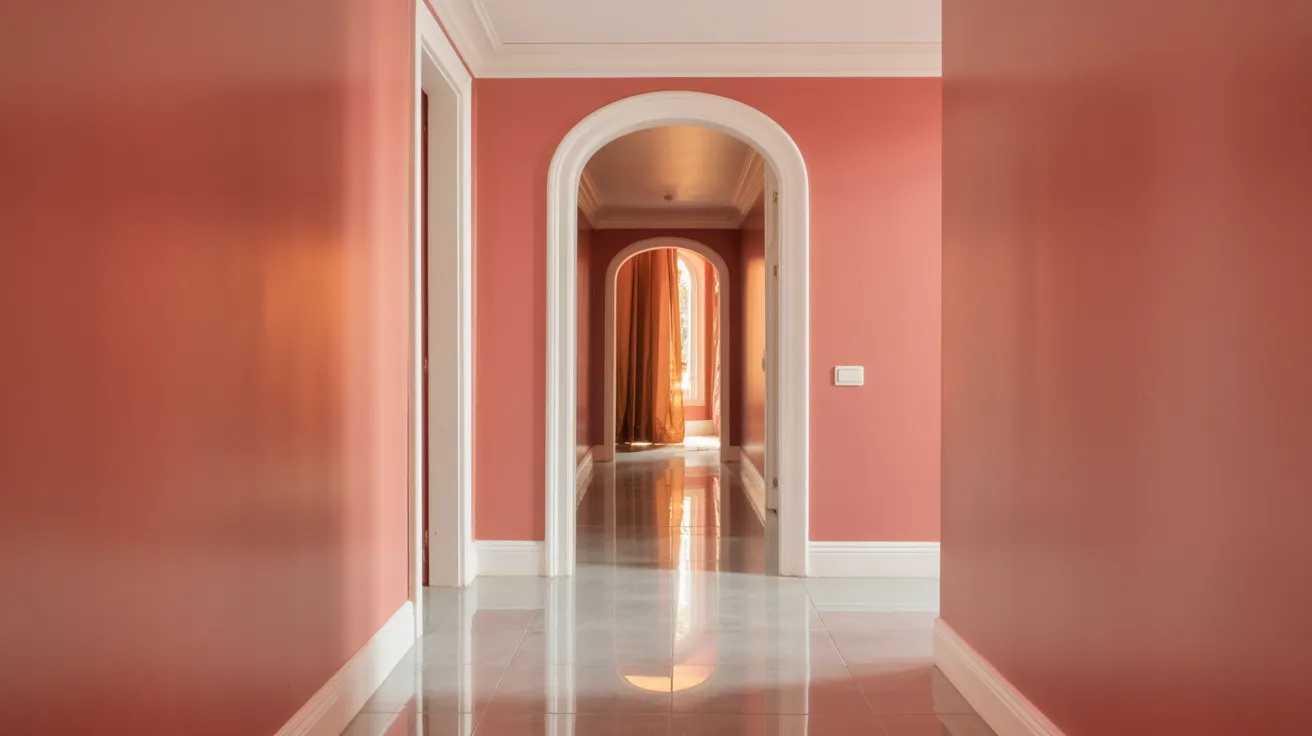
Chalky rose brings a modern, subtle pink tone that feels grown-up rather than childish. This pale shade adds warmth to a dark hallway without making it feel smaller.
Its soft, muted quality keeps it from being too bold. Chalky rose pairs well with white or light gray trim and looks beautiful with both wood and tile floors.
18. Pale Apricot

Pale apricot adds a sunny glow to dark hallways without being too bright or loud. This light orange-tinted shade feels warm and welcoming, as if the space is bathed in sunset light.
It’s light enough to keep the hallway bright but has enough color to feel special. This shade pairs well with cream trim and natural wood elements.
19. Buttercream

Buttercream creates a cozy, bright feel that’s perfect for hallways that need warming up. This yellow-tinted white has all the light-reflecting qualities of white but with added warmth and richness.
It feels sunny and homey without closing in the space. Buttercream works well in country, traditional, or farmhouse style homes and pairs nicely with white trim.
20. Bone
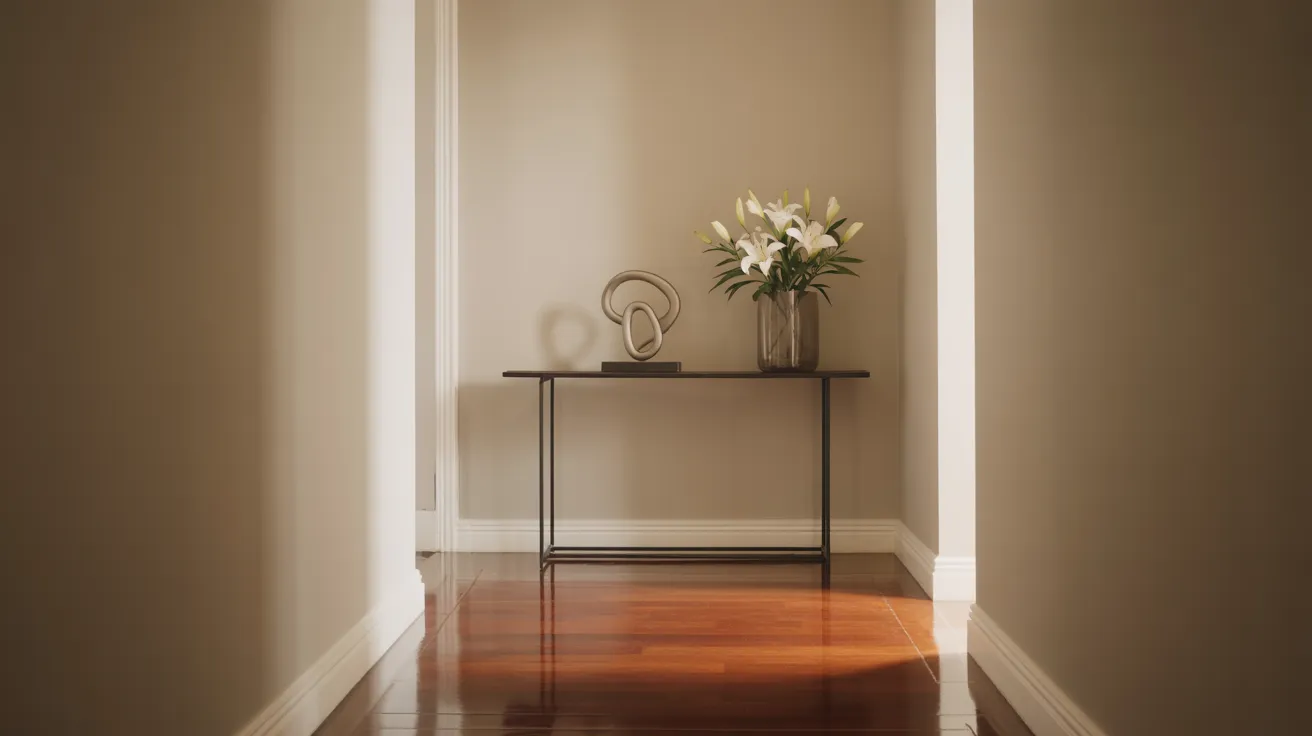
Bone is a graceful, barely-tinted white that adds sophistication to any hallway. This subtle shade has just enough warmth to feel less stark than pure white while still maximizing brightness.
It works in both modern and classic homes, creating a clean, open feel. Bone pairs well with any trim color and floor type, making it an easy choice for any home style.
21. Soft Almond
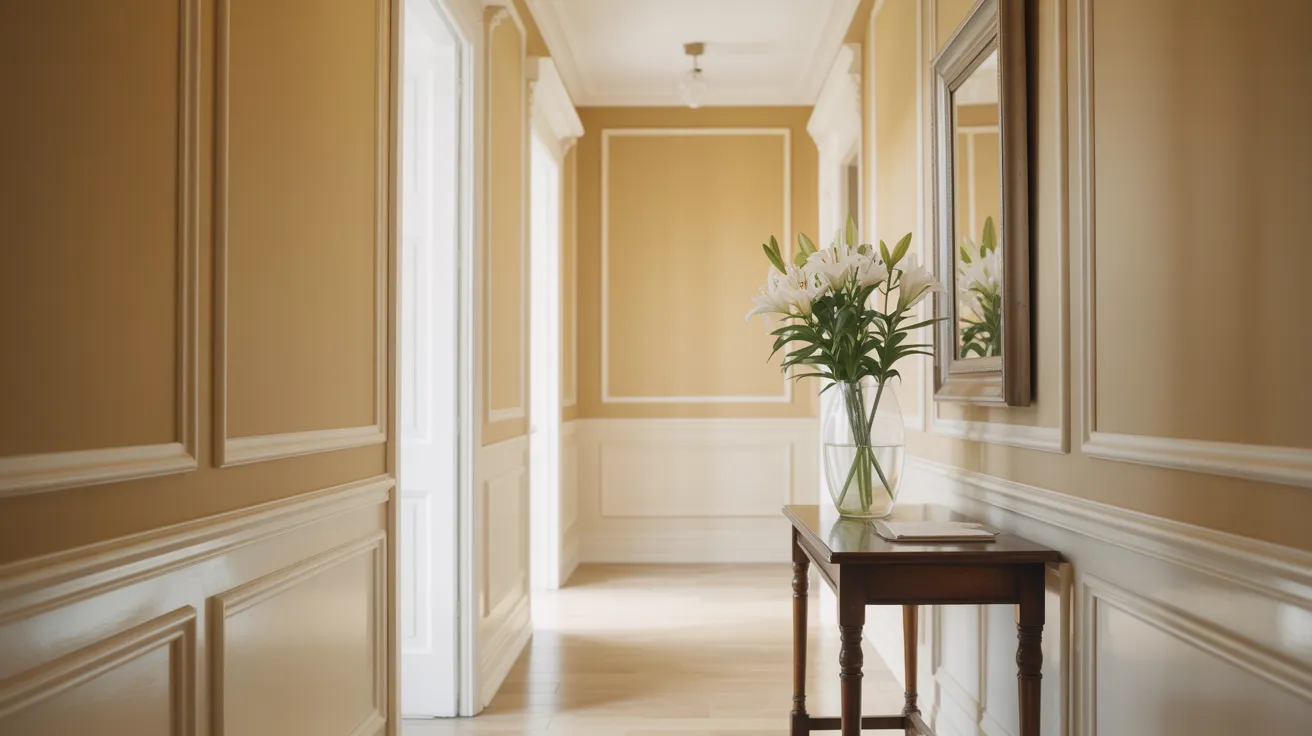
Soft almond creates a warm, inviting feel while keeping the hallway light and open. This creamy neutral has just enough yellow and brown undertones to feel rich without darkening the space.
It works beautifully in homes with traditional or classic styling and pairs well with white trim for a clean look. Soft almond brings a timeless quality to hallways while still reflecting plenty of light.
22. Pastel Lemon

Pastel lemon brings energy and brightness to even the darkest hallway. This light yellow shade feels sunny and cheerful without being too bold or harsh. It’s light enough to maximize brightness but has enough color to create a happy, welcoming feel.
This shade works well in homes with a bright, clean style and pairs beautifully with crisp white trim to improve its light-reflecting qualities.
23. Frosted Lilac

Frosted lilac offers a unique color choice that still works in narrow spaces. This very pale purple has a misty, soft quality that feels both special and subtle.
It brings personality to a hallway without making it feel smaller or darker.
This gentle shade pairs well with white or light gray trim and creates an unexpected but pleasing look that guests will notice and enjoy.
24. Seashell Pink

Seashell pink adds a clean, contemporary touch with just the right amount of personality. This pink has a fresh, modern feel that’s far from childish. It’s bright enough to open up the space while adding a hint of warmth and interest.
Seashell pink works well in modern homes and creates a light, airy feel. Pair it with white trim for a crisp look that upgrades its brightness.
25. Barely Blue

Barely blue is almost white but with just enough color to hint at clear skies. This extremely pale blue shade maximizes brightness while adding the slightest cool tone to the space.
It makes hallways feel taller and more open, like they’re connected to the outdoors. This subtle shade works in any home style and pairs well with all trim colors, making it a safe but special choice.
Design Tricks to Boost Brightness
While paint color is key in brightening a dark hallway, combining it with smart design choices can multiply the effect.
These techniques work with your wall color to create a hallway that feels much brighter and more open.
Use Mirrors to Reflect Light
Mirrors are powerful tools for making dark hallways feel brighter and larger. They catch and bounce light from nearby rooms, windows, or fixtures, helping spread brightness throughout the space.
A large mirror at one end of a hallway can make the space appear twice as long. For narrow hallways, even a series of smaller mirrors along one wall can help break up the tunnel effect while adding sparkle and light.
Layered Lighting with Wall Sconces and LED Strips
Good lighting design can upgrade even the darkest hallway. Wall sconces placed at eye level create pools of light that make the hallway feel welcoming and bright.
For a modern touch, LED strip lighting added along the bottom of the walls creates a warm glow and makes the hallway feel wider.
Combining overhead lighting with these wall options fights shadows from multiple angles.
Light-Colored Flooring and Rugs
The floor takes up a large visual area in a hallway. Light wood tones, pale tile, or white flooring can make a dramatic difference in how bright the space feels.
If changing your flooring isn’t an option, a light-colored runner can add brightness while also making the hallway more comfortable. Choose cream, beige, or pale patterned rugs that reflect light upward.
Trim and Ceiling Tones
Painting your ceiling bright white helps bounce light back down into the space. To remove visual boundaries and create an even more open feel, consider painting the ceiling the same light color as the walls.
For trim, using a glossier version of your wall color creates subtle definition. Alternatively, painting trim a brighter white than your walls makes a pleasant contrast that draws the eye through the hallway while adding crispness and light.
Choosing the Right Color for Your Lighting Conditions
The lighting in your hallway, whether natural or artificial, plays a big role in how colors will actually look once on your walls.
The same paint color can appear quite different depending on the light source and direction.
Warm Tones for Spaces Without Natural Light
Warmer paint colors help create a welcoming feel in hallways without windows or natural light. Cool whites and grays can look flat or dull without natural light to bring them to life.
Instead, choose whites with yellow or peach undertones, soft creams, or pale warm neutrals to add a sunlit quality to an otherwise dark space.
North vs. South Facing
The direction of any natural light that enters your hallway affects how colors appear. Here’s how to choose colors based on the direction of natural light:
| Light Direction | Light Quality | Best Color Choices | Colors to Avoid |
|---|---|---|---|
| North-facing | Cool, bluish light | Warm whites, creams, peach tones | Cool blues, grays (can look dull) |
| South-facing | Warm, golden light | Most colors work well, even cool tones | Very warm colors (can look too yellow) |
| East-facing | Bright morning, dimmer afternoon | Adaptable colors like greige, soft blues | Very cool colors (look too stark in the afternoon) |
| West-facing | Dim morning, warm evening | Mid-tones that balance warm evenings | Very pale colors (can look washed out in the evening) |
When in doubt, test paint samples directly on your hallway wall and check them at different times of day.
The way a color looks on the paint chip rarely matches how it will appear in your specific lighting conditions.
Best Paint Finishes for a Brighter Look
The type of paint finish you choose is just as important as the color when trying to make a dark hallway look brighter.
The right finish can help bounce light around the space and create a clean look that opens up narrow areas.
Semi-Gloss vs. Satin
The shine level of your paint greatly affects how light moves in your hallway. Both semi-gloss and satin finishes can help make a dark space feel brighter, but they have different strengths depending on your specific situation.
| Feature | Semi-Gloss | Satin |
|---|---|---|
| Light reflection | Highest reflection | Good reflection |
| Appearance | More noticeable shine | Subtle, soft shine |
| Best for | Very dark hallways | Moderately lit hallways |
| Durability | Highly washable | Good washability |
| Flaw visibility | May highlight imperfections | Hides minor flaws |
When choosing between these finishes, consider how dark your hallway is and what condition your walls are in.
When to Use Matte
While shiny finishes are usually best for dark hallways, matte finishes have their place. If your hallway walls have many bumps or flaws, a matte finish won’t call attention to these issues.
Matte finishes work best in hallways that already get decent lighting. If you choose a matte finish, stick with very light colors to make up for the lack of light reflection.
Bright whites and the palest tones will help keep the space feeling open even without the extra shine.
Bonus Styling Tips for Narrow Hallways
Beyond paint color and lighting, a few smart styling choices can make narrow hallways feel more open and bright.
- Add vertical stripes in soft colors: Thin, subtle stripes draw the eye upward and make ceilings appear higher. Stick to tone-on-tone stripes or very light colors to keep the brightening effect.
- Opt for minimal, light furniture: Choose slim console tables or floating shelves rather than bulky pieces. Light-colored wood or glass pieces keep the space feeling open.
- Use glossy decor accents: Shiny picture frames, polished hardware, or glass items add sparkle by catching and reflecting light throughout the space.
- Keep artwork light and bright: Choose art with white matting and light colors to maintain the open feel. Avoid dark, heavy pieces that absorb light.
- Add a few mirrors as decor: Small decorative mirrors work double-duty as both style elements and light reflectors. Group them for greater impact.
- Consider light-colored wallpaper: Subtle patterns in pale colors can add interest without darkening the space. Look for options with slight shimmer or gloss.
These simple additions work with your color scheme to create a hallway that feels welcoming rather than cramped.
Conclusion
You don’t need a full remodel to make a dark hallway feel brighter and more inviting. Just a few smart choices can change the space in a big way.
I’ve found that the right paint color, a soft finish, and a few simple styling touches can turn a gloomy hallway into a warm and useful part of your home.
Start by thinking about what fits your space. Just one coat of paint in the right shade can help more than you’d think.
Little changes really do add up. And your hallway matters just as much as the rest of your home.
Want more easy ways to fix up your space? Check out the other blog posts for ideas you can try this weekend.