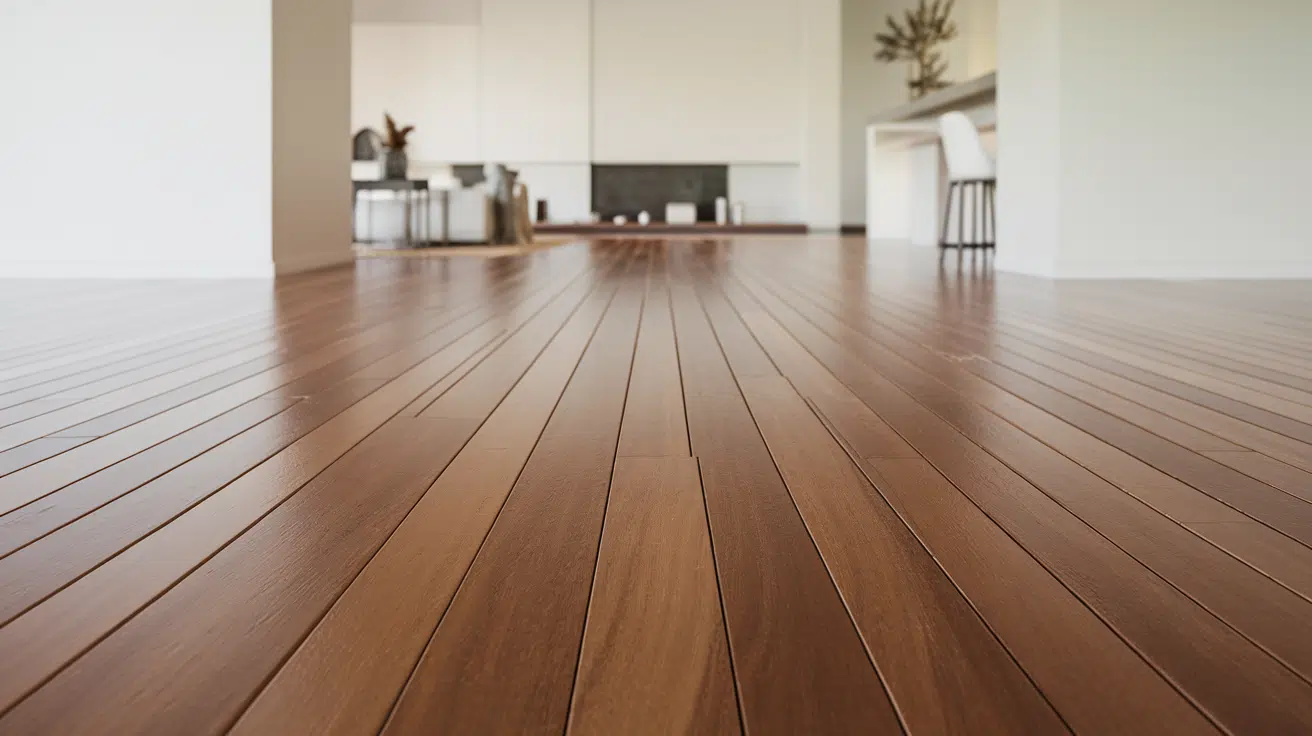
Can Engineered Hardwood Be Refinished?
If you’re unsure if engineered hardwood can be refinished, you’re in the right place.
In this blog, I’ll cover everything you need to know, from assessing if your floors are a good candidate for refinishing to a step-by-step DIY guide. I’ll also share tips on when it’s better to hire a professional to get the best results.
Additionally, you’ll receive helpful advice on maintaining your floors after refinishing, ensuring they continue to look great for years.
This guide will equip you with the knowledge to make informed decisions about your floors. Let’s get started and bring your engineered hardwood back to life.
What is Engineered Hardwood Floor?
Engineered hardwood has become a go-to flooring choice for many, and it’s easy to see why. Think of it like a layered cake, where each layer serves a unique purpose.
The top layer is made of real hardwood veneer, giving it that beautiful, natural look we all love. Beneath that, you’ll find layers of plywood or high-density fiberboard, which add strength and durability.
This clever, layered construction gives engineered hardwood an edge over solid hardwood. It’s more stable and resistant to moisture, making it perfect for rooms like kitchens or basements where humidity can sometimes be a problem.
Engineered Hardwood vs. Solid Hardwood: Key Differences
Solid hardwood floors are known for their durability, lasting for decades with proper care. They also offer natural beauty with unique grain patterns.
Engineered hardwood floors offer superior stability, making them ideal for areas with fluctuating humidity levels.
They also provide the same beautiful appearance as solid hardwood, but are more affordable and easier to install.
|
Feature |
Engineered Hardwood |
Solid Hardwood |
|
Construction |
Multiple layers, with a top hardwood veneer and underlying plywood or fiberboard. |
Made from a single piece of wood. |
|
Durability |
More stable and resistant to moisture and temperature changes. |
Less stable, can expand or contract with humidity and temperature changes. |
|
Refinishing |
Can be refinished depending on the thickness of the veneer. |
Can be refinished multiple times throughout its lifespan. |
|
Installation |
Suitable for below-grade or in areas with fluctuating humidity. |
Best suited for above-grade areas with consistent conditions. |
|
Cost |
Generally more affordable than solid hardwood. |
Typically more expensive due to the cost of raw wood. |
DIY Guide to Refinishing Engineered Hardwood Floors
Refinishing your engineered hardwood floors can feel like a big project, but with the right steps and a little elbow grease, it’s totally doable. Here’s a simple guide to help you bring your floors back to life:
Gather Your Tools and Supplies
Before you begin, ensure you have all the necessary materials. Here’s what you’ll need for sanding and
- Floor sander (rent one if you don’t own one)
- Sandpaper (medium to fine grit)
- Vacuum and cleaning supplies
- Protective gear (gloves, goggles, dust mask)
- Floor finish (polyurethane or other suitable finish)
- A screen sander or buffing pad (for recoating)
Step 1: Know if Your Floors Need Refinishing or a Refresh

Take a close look at your floors. If the veneer is worn down and you can see the layers beneath, you’ll likely need a full refinishing.
If the surface has minor wear, a refurbish with some touch-up sanding might be all that’s necessary.
Step 2: Remove the Shoe Molding
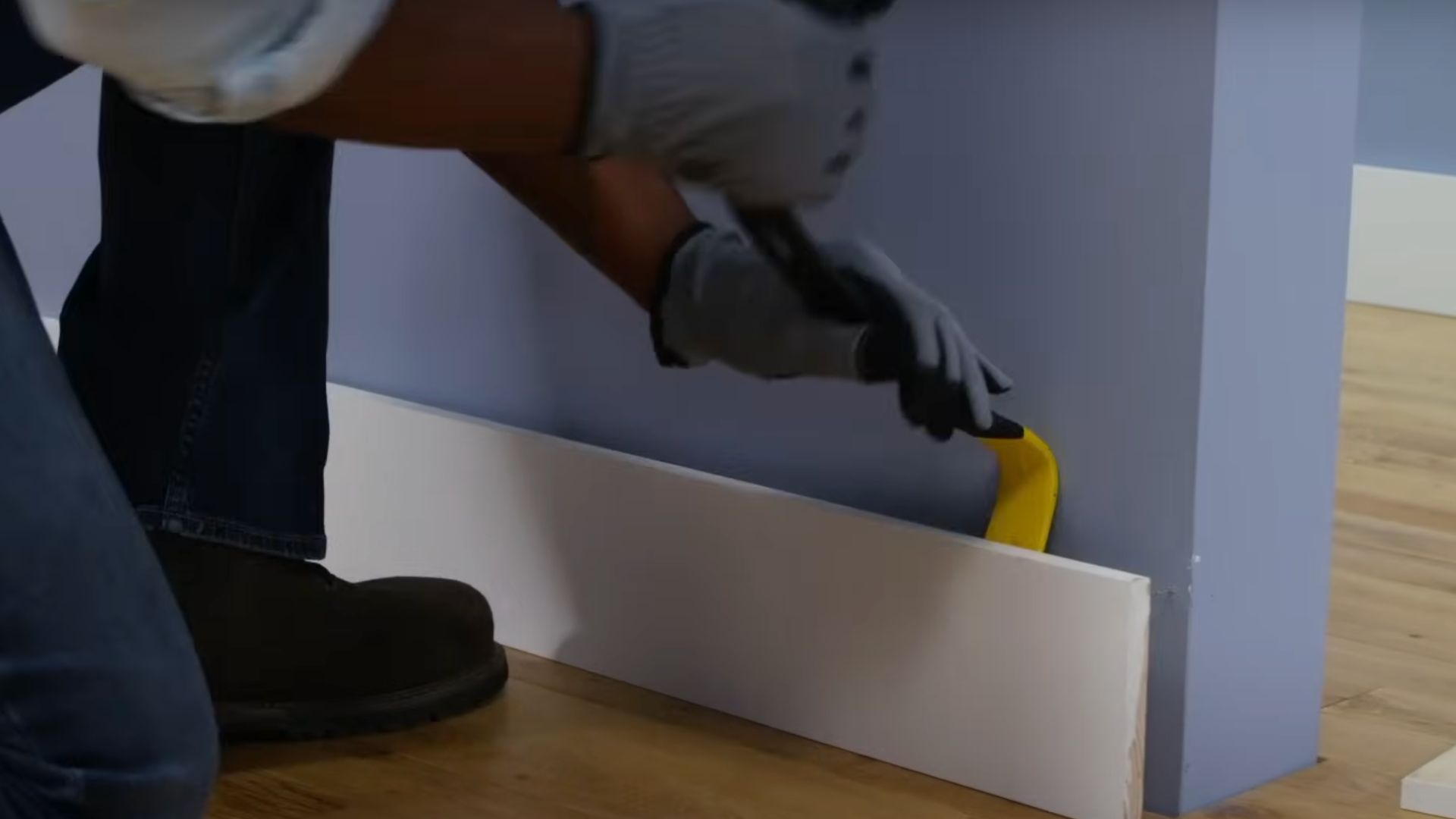
Use a pry bar or small hammer to gently remove the shoe molding from around the edges of the floor. This will prevent any damage while sanding and allow you to reach the edges of the floor.
Step 3: Fix Loose Floorboards and Fill Holes
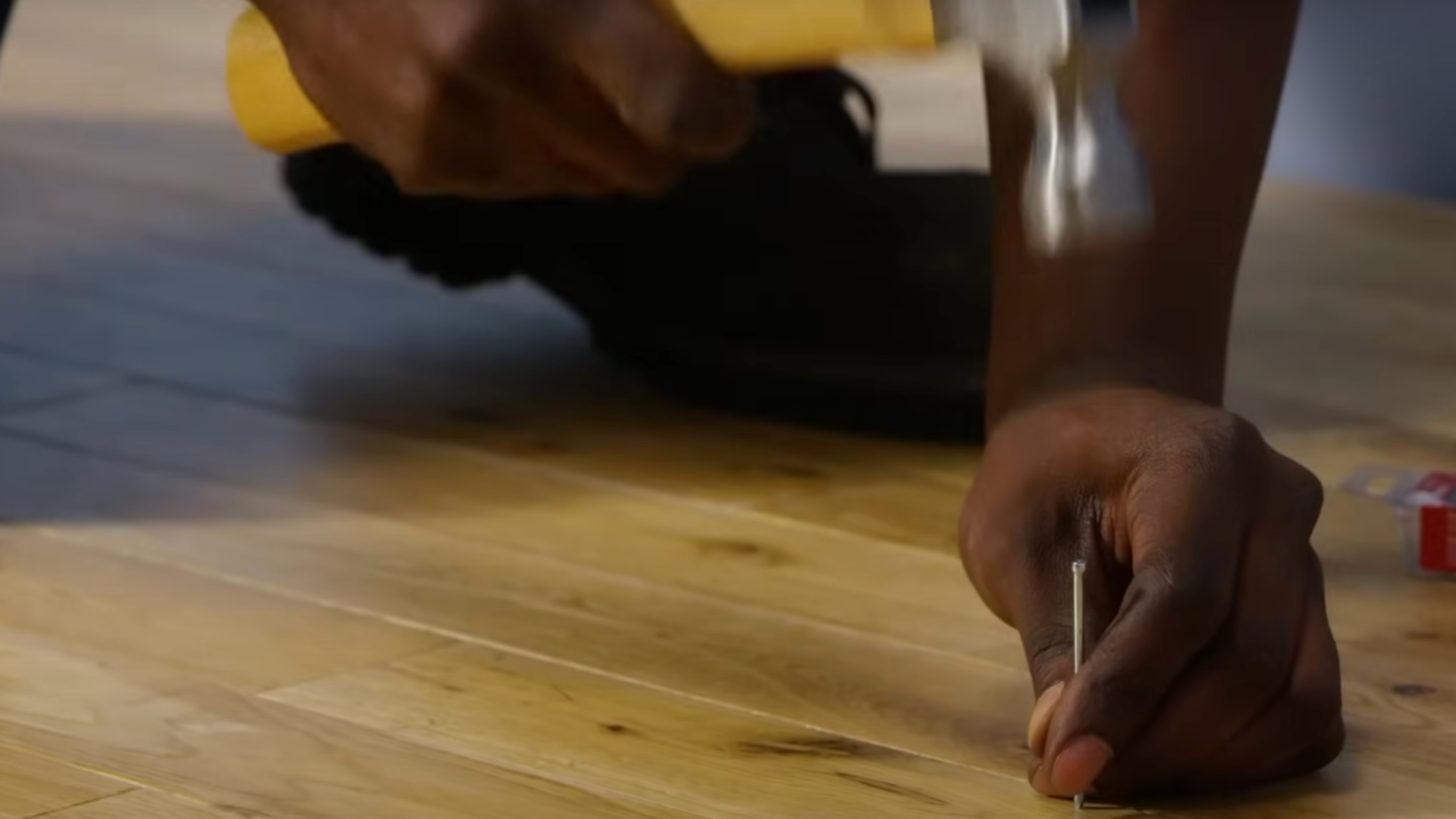
Take the time to secure any loose floorboards using screws. If there are any holes or gaps, fill them with wood filler. Let it dry completely before moving on. This ensures a smooth surface for sanding.
Step 4: Contain the Dust
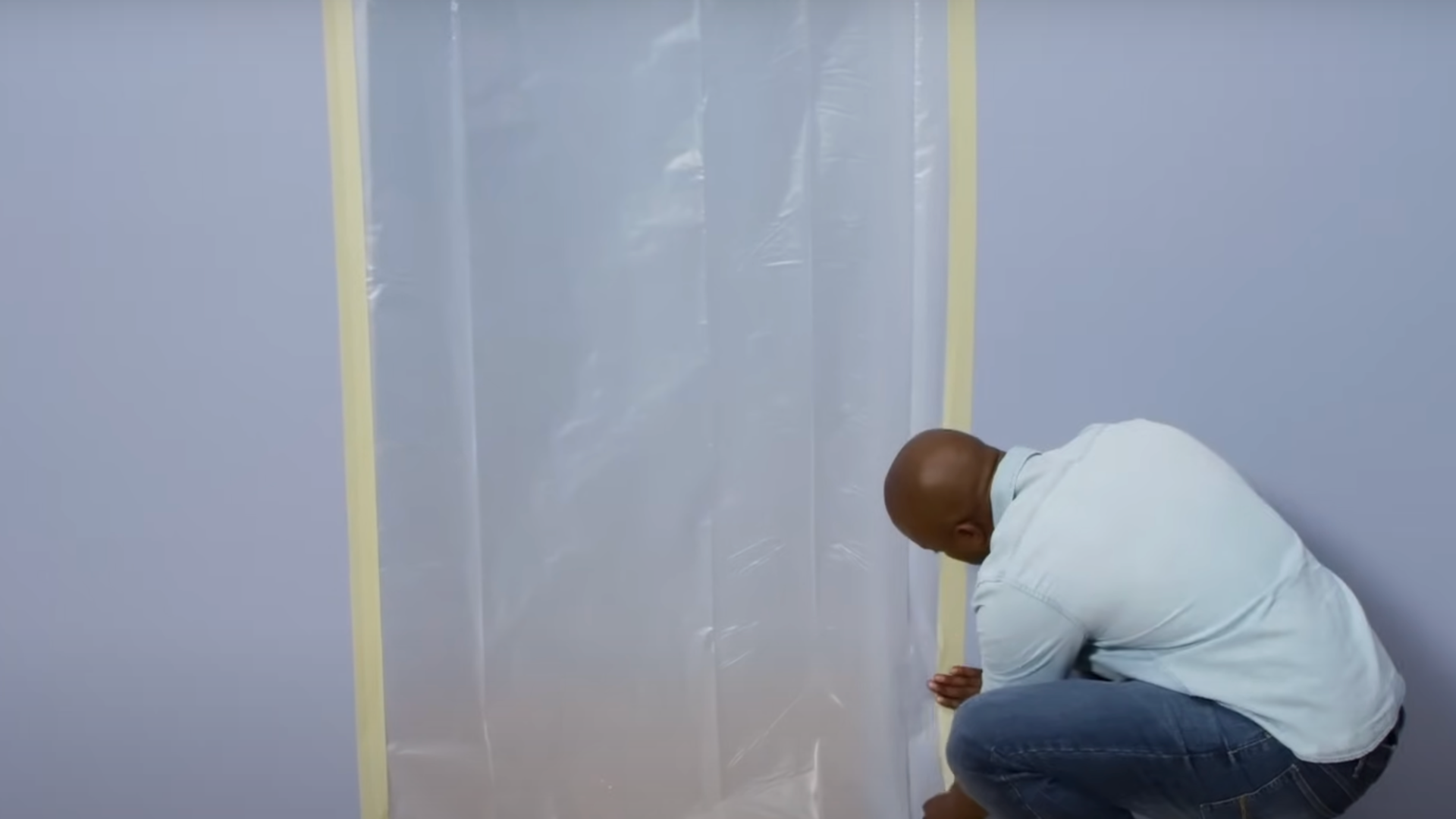
Sanding can create a significant amount of dust, so use plastic sheeting or painter’s tape to cover furniture, vents, and any other areas you want to protect from dust.
Consider using a sander with a dust collection system to minimize the mess.
Step 5: Rough Sand the Floor

Now it’s time to rough-sand your floor with medium-grit sandpaper. Start from one corner and work your way across the entire floor.
Sand in the direction of the wood grain to remove the old finish and any surface imperfections.
Step 6: Sweep and Vacuum
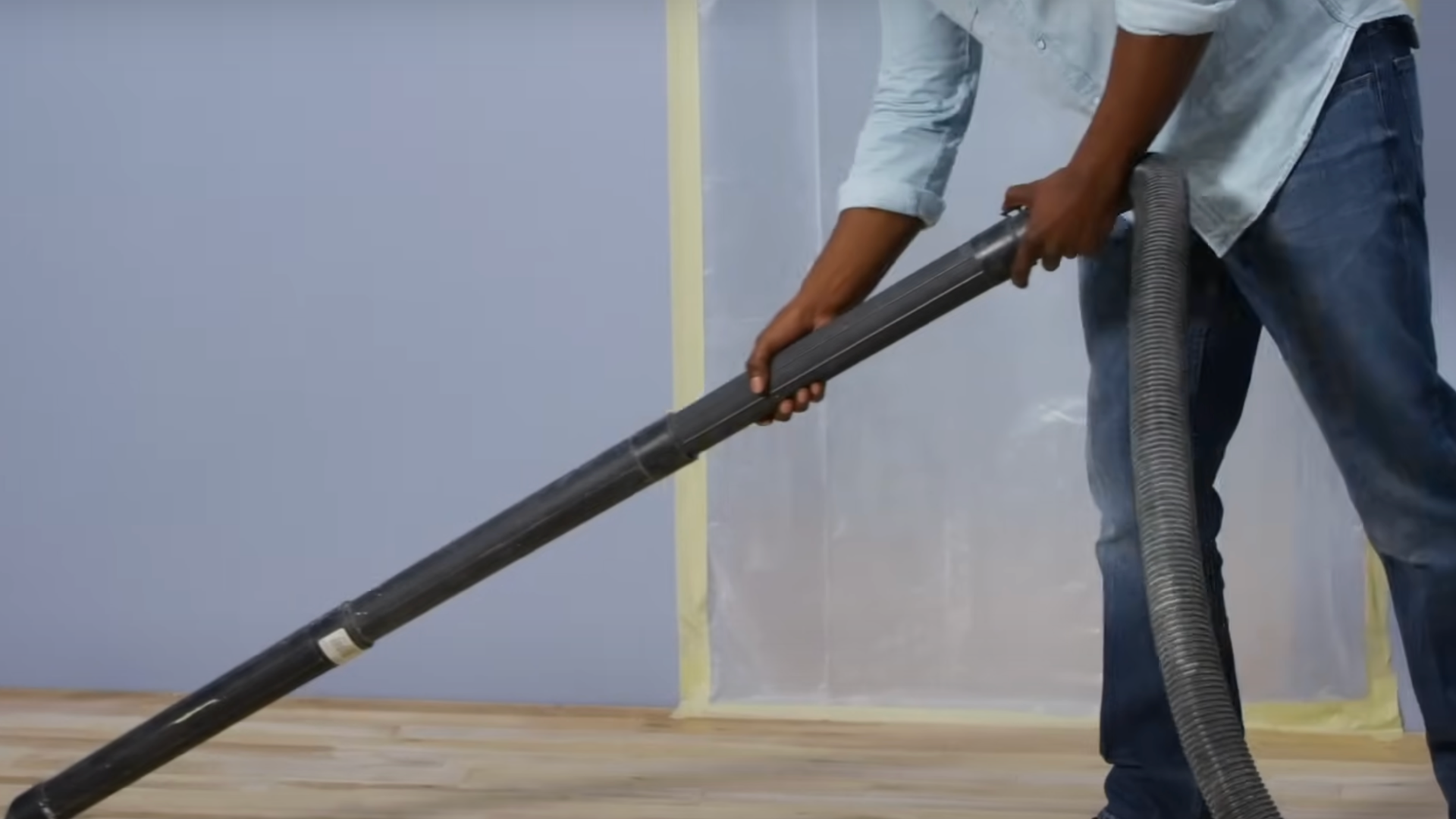
Once you’ve completed the rough sanding, it’s time to clean up the dust. Sweep and vacuum thoroughly to remove all debris.
This is a crucial step before applying any finish or stain, as dust can affect the final result.
Step 7: Fine Sand the Floor
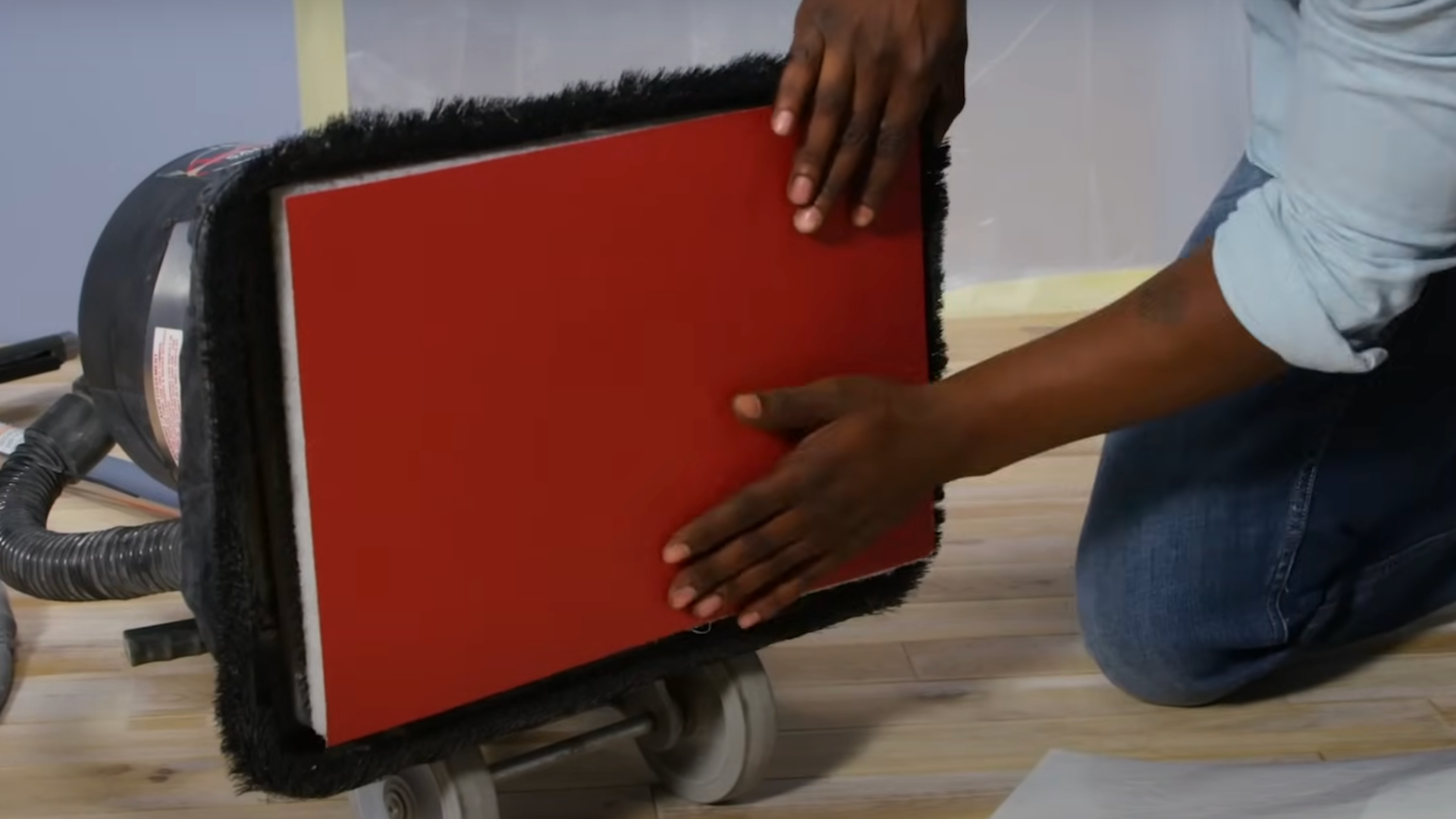
Switch to a fine-grit sandpaper and give your floor a second pass. This will further smooth the surface, removing any remaining rough spots or sanding marks from the first round.
Step 8: Sand Edges and Corners
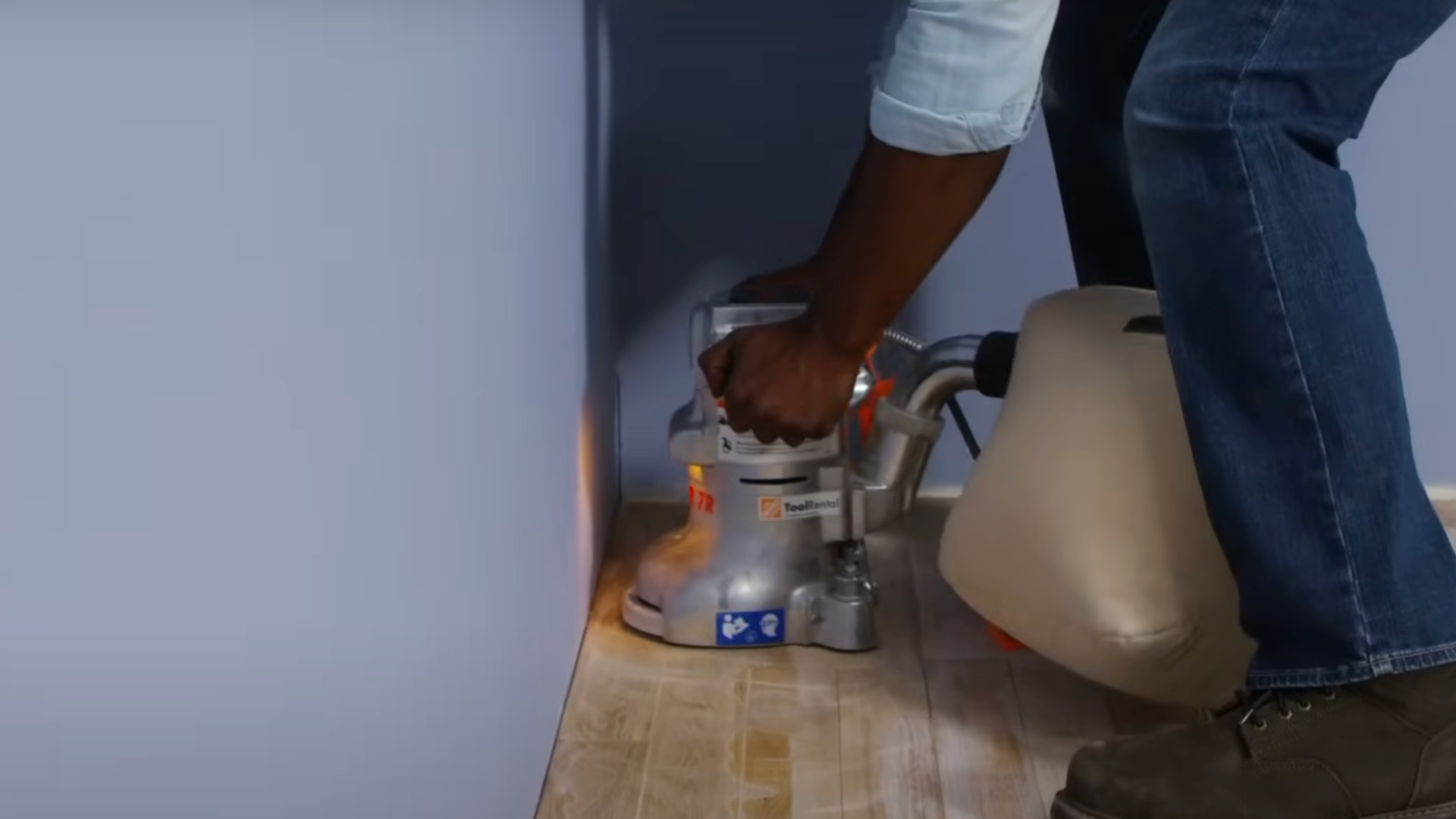
The sander won’t reach the edges and corners, so you’ll need to do this part by hand. Use a small sanding block or an edge sander to make sure the entire floor is even and smooth.
Step 9: Clean Area, Then Apply Stain
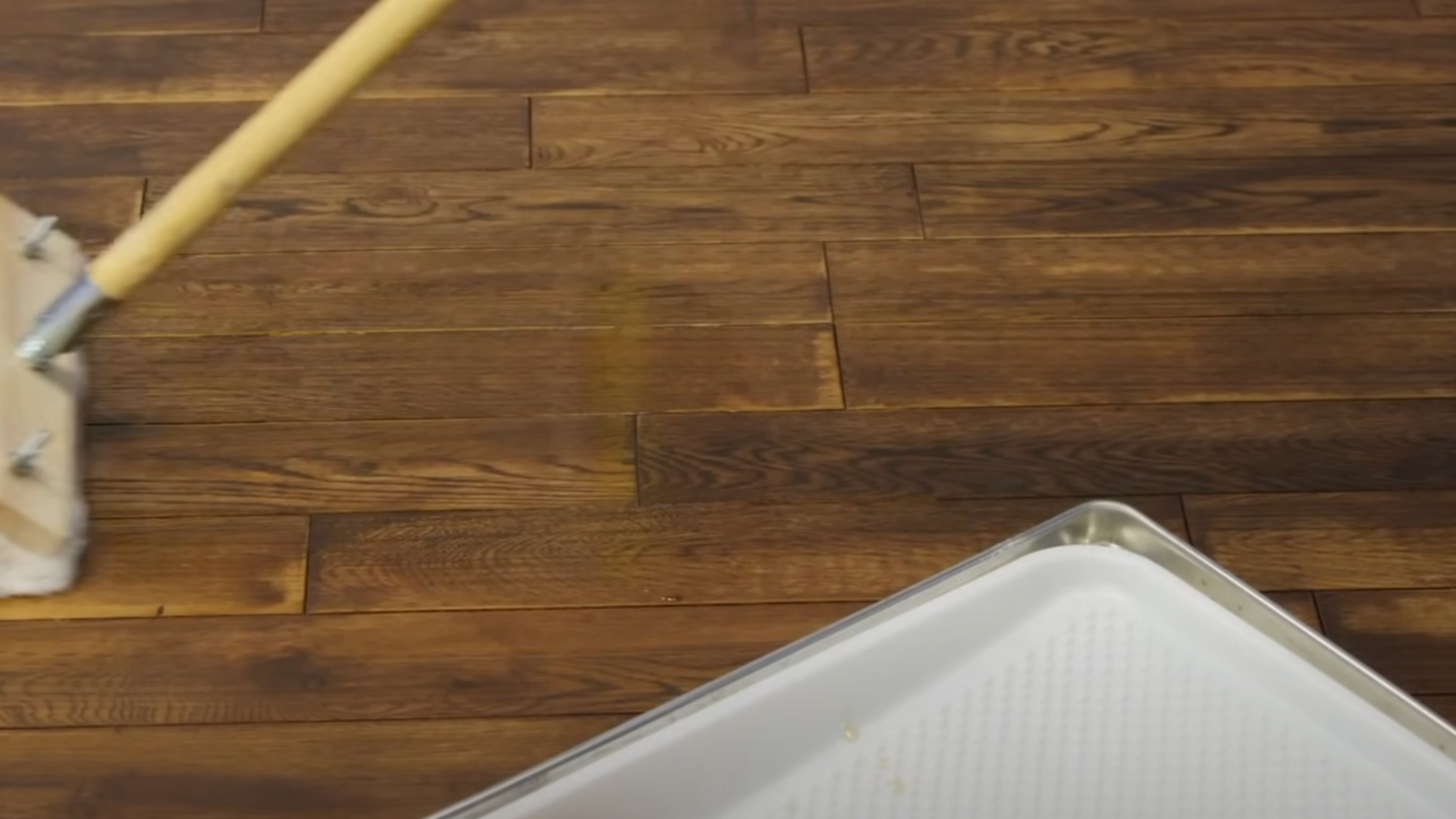
Before applying any stain, clean the floor again to remove all dust. Then, using a clean cloth or brush, apply the stain in the direction of the grain.
Work in small sections to ensure an even coat. Let the stain sit for a few minutes before wiping off the excess.
Step 10: Apply Finish

Finally, apply a protective finish, such as polyurethane, to seal and protect your floors. Use a clean brush or roller to apply the finish in thin, even layers.
Allow each coat to dry completely before applying the next, following the manufacturer’s instructions. Depending on the finish, you might want to apply two or three coats for extra durability.
To watch the full tutorial and see how this step-by-step guide works, watch the complete video here:
Methods for Refinishing Engineered Hardwood Floors
Refinishing your engineered hardwood floors can be a great way to bring them back to life, and there are two main methods: sanding and recoating.
Sanding
Sanding is the go-to method for refinishing when you want to remove deep stains, scratches, or a worn finish.
The process involves using a floor sander to strip away the top layer of the veneer carefully. Once the old finish is removed, you can apply a fresh coat to restore the floor’s appearance.
However, be cautious because if the veneer is too thin, sanding too deeply can damage the floor, so it’s essential to check its thickness first.
I’ve found sanding to be a great way to achieve a smooth and even surface, but it does require time and careful attention.
Recoating
Recoating is a simpler and quicker option, ideal for floors that have light wear and tear.
Instead of sanding down to the bare wood, recoating involves applying a new finish over the existing one.
You’ll lightly buff the surface using a sanding screen to help the new finish adhere better. This method is less invasive and often used for floors that aren’t too scratched or damaged.
I’ve noticed recoating can still give your floors a fresh, shiny look without the extra effort of sanding. It’s a great choice for those looking for a fast, effective update.
Recoating is ideal for floors with minor wear or scratches, and it’s a less time-consuming method than sanding.
Risks of DIY Refinishing Hardwood Floors
While DIY refinishing can save money, it comes with some risks. Improper techniques or tools can damage your floors, leading to costly repairs.
Additionally, it requires time, patience, and attention to detail—something that might be challenging for first-timers.
- Damaging the Veneer Layer: Sanding too much of the veneer can expose the underlying layers, permanently damaging your floor.
- Uneven Finish: Applying the finish unevenly can leave blotchy or streaky areas, which can be difficult to fix.
- Too Much or Too Little Finish: Applying either too much or too little finish can lead to tackiness or vulnerability to scratches and moisture.
- Dust and Debris: Sanding creates dust that can interfere with the finish, leading to uneven texture if not thoroughly cleaned.
- Not Giving the Finish Enough Time to Dry: Rushing the drying time can cause smudging or marks, so it’s important to be patient.
- Potential Health Hazards: Without protective gear, sanding and chemicals can expose you to harmful dust and fumes.
Pros and Cons of DIY Refinishing
Refinishing your floors can be a rewarding DIY project, but it’s important to weigh the pros and cons before diving in.
However, it’s important to consider your skill level and the time commitment involved. If you decide to tackle it yourself or hire a professional, the choice depends on what works best for your needs and comfort level.
| Pros | Cons |
|---|---|
| Saves money on hiring professionals. | Requires patience and effort. |
| You manage the process and results. | It’s harder without the right equipment. |
| Gain new skills while working. | May not achieve a professional finish. |
| Work at your own pace, whenever it suits you. | It can be tiring and physically demanding. |
| The pride of completing it yourself. | Results may not be as uniform. |
| You can experiment with different finishes. | May require several layers for a smooth finish. |
| You only pay for materials. | There is a risk of damaging the wood if not careful. |
Long-Term Care After Refinishing
After refinishing, proper long-term care is essential to keep your floors looking their best. With a little care, your newly refinished floors can last for years, maintaining their beauty and durability.
- Keep Them Clean: Regularly sweep or vacuum to prevent dirt buildup and protect the finish.
- Protect Them from Scratches: Use rugs in high-traffic areas and felt pads under furniture to prevent scratches.
- Reapply the Finish (When Needed): Apply a new coat of finish every 1-2 years to maintain shine and protection.
- Avoid Excessive Moisture: Wipe up spills immediately to prevent moisture from seeping into seams and causing damage.
- Be Mindful of Sunlight: Use curtains or blinds to prevent sun damage and fading, and rotate rugs occasionally.
- Maintain Proper Humidity: Use a humidifier or air conditioner to keep the wood from expanding or contracting with weather changes.
Is Hiring a Professional for Floor Refinishing Worth It?
Hiring a professional to refinish your engineered hardwood floors has some clear benefits. They bring a lot of experience, making sure the finish looks great, which can be tough to do on your own.
They also have the right tools, so the job gets done faster and more smoothly. This saves you time and keeps you from worrying about mistakes or surprises.
Thanks to their knowledge, the results will last for a long time, keeping your floors looking good.
On the downside, it can be expensive to hire a professional because of the cost of labor and materials.
You might also have less control over the work, as you’ll need to trust the expert’s decisions. Plus, finding a time that works for both of you can be tricky, especially during busy times, which could cause delays.
Conclusion
Refinishing your engineered hardwood floors is an excellent way to restore their beauty and extend their lifespan.
If you choose to tackle the project yourself or hire a professional, you now know how to make the right choice for your floors.
I hope this guide has given you the confidence to get started. With regular care, your floors will continue to look fantastic for years to come.
Ready to jump in? Your refreshed floors are just a few steps away! If you found this guide helpful, be sure to find other blogs for more guides and tips.