
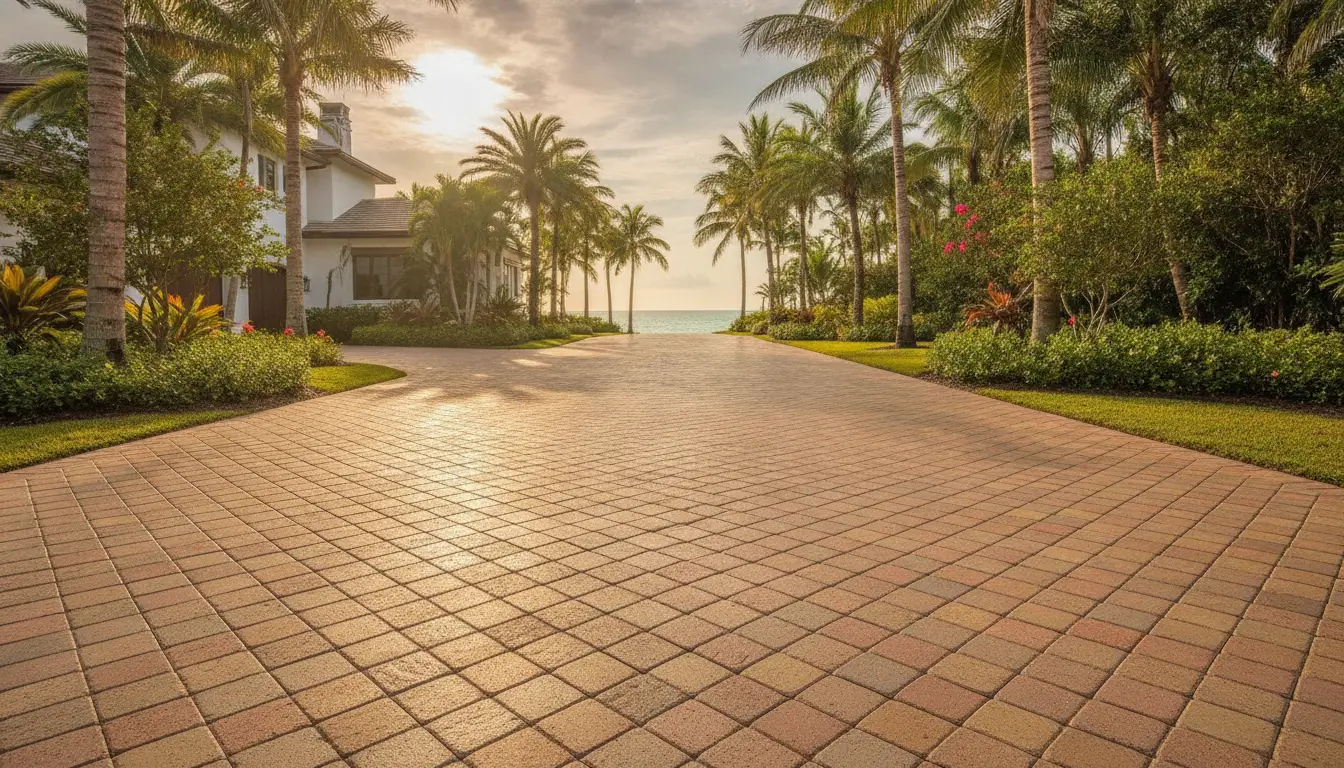
Beyond Shine: How Paver Sealing Is Evolving in Coastal Florida Communities
Introduction
In coastal regions like Pompano Beach, outdoor surfaces face constant environmental pressure. Between intense UV exposure, salty air, seasonal storms, and heavy foot traffic, paver installations can deteriorate faster than many property owners expect. This has pushed the paver maintenance industry toward more advanced sealing techniques designed not just for appearance, but for long-term surface performance.
Across South Florida, contractors and property managers are paying closer attention to how sealants interact with climate conditions, drainage systems, and modern hardscape materials. Today’s approach to paver sealing is far more technical than it was a decade ago. The focus has shifted from temporary cosmetic enhancement to long-term surface preservation and structural resilience.
As residential and commercial landscapes continue to evolve, paver sealing has become part of a broader property maintenance strategy. Understanding these newer practices helps property owners make informed decisions about protecting outdoor investments in high-moisture coastal environments.
The Growing Importance of Climate-Specific Surface Protection
Florida’s coastal environment creates unique challenges for hardscape materials. In areas such as Pompano Beach, pavers are exposed to heat fluctuations, heavy rainfall, and airborne salt particles throughout the year. These conditions can gradually weaken joint stability, fade color pigmentation, and encourage mold or algae growth.
Because of this, contractors are increasingly selecting sealants formulated specifically for humid coastal regions. Traditional sealers often trapped moisture beneath the surface, leading to hazing, whitening, or premature peeling. Newer technologies are designed to allow controlled vapor release while still providing protection against water intrusion and staining.
This shift has also changed how professionals evaluate each project. Surface porosity, sun exposure, drainage slope, and nearby landscaping now play a larger role in determining the right sealing strategy. Many property owners are turning to expert paver sealerswho understand how local environmental factors affect long-term hardscape durability.
Rather than applying a one-size-fits-all solution, the industry now emphasizes customized treatment plans based on climate performance and material compatibility.
Why Surface Preparation Has Become More Technical
One of the most significant changes in the paver sealing industry involves surface preparation. In the past, many sealing projects focused primarily on cleaning visible debris before applying a coating. Today, professionals recognize that preparation directly affects how well the sealant bonds and performs over time.
In coastal Florida communities, organic buildup is a common issue. Moisture-rich environments encourage mildew, algae, and trapped sediment within paver joints. If not properly removed, these contaminants can compromise adhesion and shorten the lifespan of the sealant.
Modern preparation methods often involve multi-step cleaning systems, pressure calibration, and specialized treatments designed to stabilize joint sand before sealing begins. Contractors also monitor weather patterns more carefully than before. Applying sealant during periods of excessive humidity or approaching rainfall can create uneven curing conditions.
As hardscape installations become more sophisticated, preparation standards are rising alongside them. Property owners increasingly understand that durable results depend less on quick applications and more on detailed groundwork. This industry-wide focus on preparation reflects a broader trend toward quality control and long-term maintenance planning.
The Rise of Low-Gloss and Natural Finish Sealers
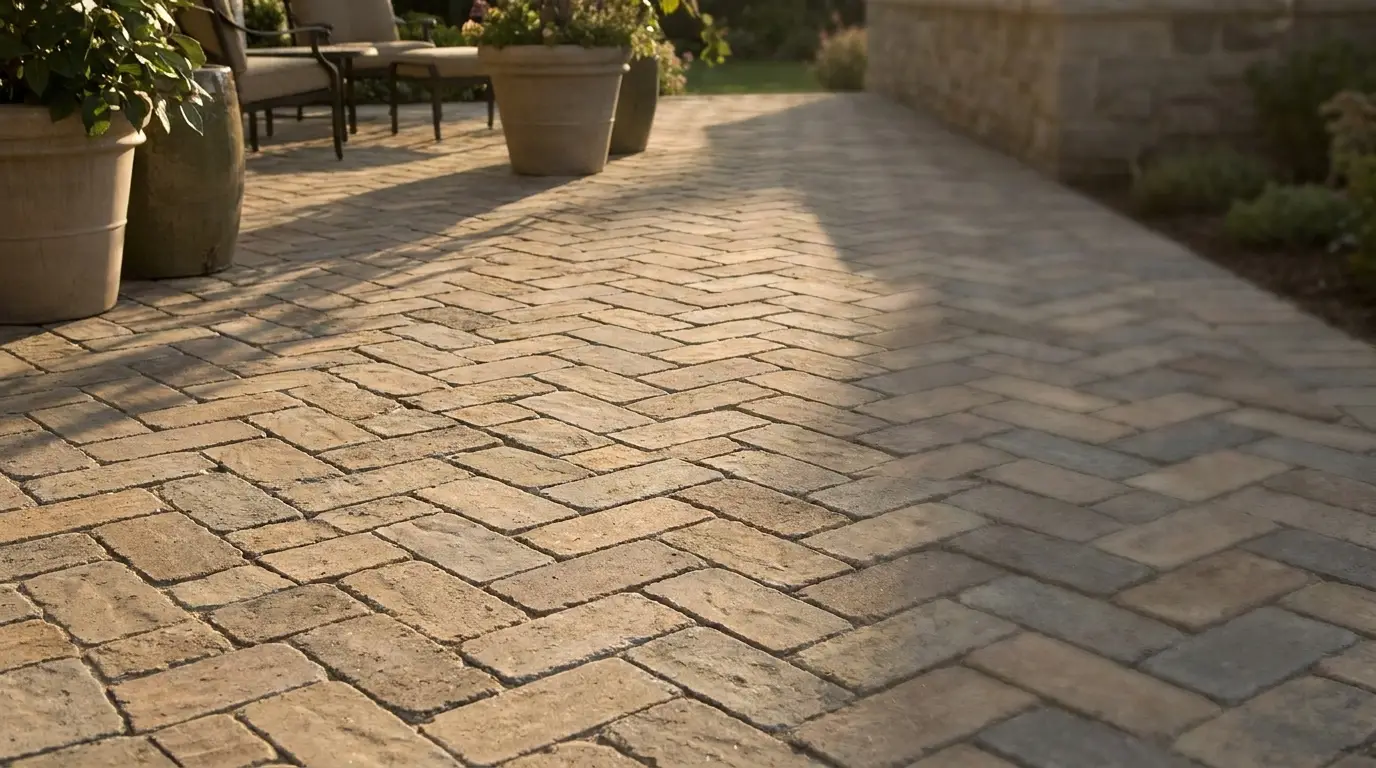
For years, high-gloss finishes dominated the paver sealing market. While glossy surfaces were once associated with luxury and freshness, design preferences have shifted considerably. Many homeowners and commercial property managers now prefer natural-looking finishes that complement modern architectural styles.
In cities like Pompano Beach, contemporary outdoor design trends emphasize understated elegance and material authenticity. Matte and satin-finish sealers are becoming more popular because they preserve the original appearance of stone and concrete while still providing protective performance.
This trend also reflects practical concerns. High-gloss surfaces may highlight scratches, water spots, or uneven wear patterns more visibly under strong sunlight. Natural finish sealers tend to age more evenly and require less aesthetic maintenance over time.
Manufacturers have responded by developing advanced formulations that prioritize UV stability and color enhancement without excessive surface shine. The result is a cleaner, more refined appearance that aligns with current outdoor living trends.
As customer expectations evolve, the industry continues moving toward solutions that balance durability with subtle visual enhancement rather than dramatic cosmetic effects.
How Paver Sealing Supports Long-Term Property Standards
Paver sealing is increasingly viewed as part of a broader property preservation strategy rather than a standalone maintenance task. In competitive real estate markets throughout South Florida, outdoor surfaces contribute significantly to curb appeal and perceived property value.
Commercial properties, residential communities, and hospitality spaces are placing greater emphasis on maintaining consistent exterior standards year-round. Well-maintained hardscapes help reduce surface deterioration, minimize costly repairs, and support overall property presentation.
This is especially relevant in high-traffic environments where pavers experience continuous wear from vehicles, pedestrians, outdoor furniture, and environmental exposure. Sealing helps stabilize surface materials and protect against gradual erosion that can affect both safety and aesthetics.
At the same time, property owners are becoming more educated about maintenance cycles. Instead of waiting for visible damage to appear, many now adopt preventative maintenance schedules designed to extend the life of existing installations.
This proactive mindset reflects a larger shift across the property maintenance industry — one where preservation, efficiency, and long-term asset management are becoming central priorities.
Conclusion
The paver sealing industry has evolved far beyond simple surface enhancement. In coastal communities like Pompano Beach, environmental conditions demand more advanced approaches focused on durability, climate compatibility, and long-term surface protection.
From specialized preparation techniques to modern low-gloss sealers, the industry continues adapting to changing design expectations and harsher environmental realities. Property owners are no longer looking solely for visual improvement; they want solutions that support structural integrity and reduce long-term maintenance concerns.
As outdoor living spaces become more important in residential and commercial design, the demand for skilled hardscape maintenance will likely continue growing. Professionals who understand regional climate challenges, material performance, and evolving sealing technologies are helping shape a more sophisticated future for surface preservation.
In the years ahead, paver sealing will remain an essential component of maintaining resilient, attractive outdoor environments across Florida’s coastal communities.


