
Best Window Brands: Pick the Right One
Choosing the right window brand feels overwhelming. There are dozens of options, each promising the best performance, the longest lifespan, and the most energy savings.
But here’s the truth: the “best” brand depends entirely on your home, your climate, and your budget.
Today, I’ll break down what actually separates good window brands from average ones. You’ll learn how materials affect performance, which brands are currently leading, and what most buyers get wrong when making this decision.
Let’s figure out exactly which brand fits your situation.
What Actually Defines the “Best” Window Brand
Not every window brand works the same way for every home. What performs well in a cold climate may underperform in a hot, humid one.
Here are the core factors that define a truly good window brand:
- Material quality: The frame material directly affects durability and insulation
- Glass technology: double vs triple pane, gas fills, and coatings impact energy efficiency
- Warranty and service: strong warranties reflect brand confidence in their product
- Installer network: brands with certified installers perform more consistently
One thing most buyers overlook: the brand alone doesn’t guarantee performance. A premium window installed poorly will underperform a mid-range window installed correctly. Material, glass, and installation work together, not independently.
Core Window Materials and How They Impact Brand Performance
Every brand builds its identity around a core material. Understanding these materials helps you understand the brands behind them.
Vinyl is the most affordable option. It’s flexible and lightweight, but it can warp in extreme heat and has a shorter lifespan compared to other materials.
Wood offers excellent natural insulation. However, it expands and contracts with moisture, which means it requires consistent upkeep to avoid rot or warping.
Fiberglass is rigid and highly stable. It expands minimally with temperature changes, making it one of the most durable frame materials available.
Composite (like Fibrex) blends wood fiber and polymer. It gives you the aesthetics of wood with better moisture resistance and lower maintenance.
Where materials tend to fail:
- Vinyl in high-heat regions.
- Wood without regular sealing or painting.
- Budget composites that cut corners on binding materials.
Brands that specialize in a material tend to perform better in that category than brands offering it as a secondary option.
Top Window Brands Compared by Positioning and Strength
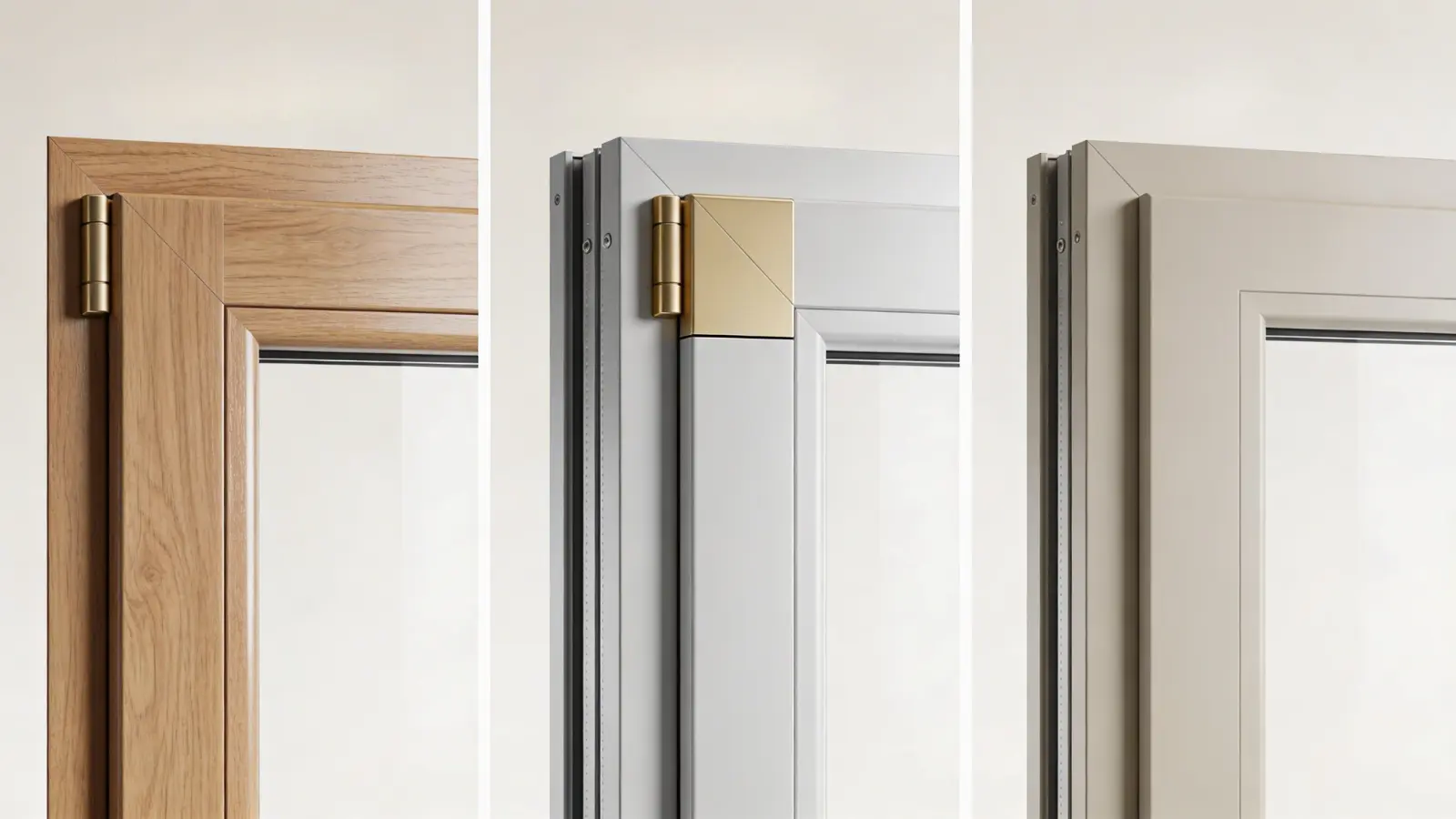
Here’s how leading brands stack up, not as a ranked list, but grouped by what they do best. Each category serves a different type of buyer, so focus on the group that fits your situation.
Premium and High-End Brands
These brands focus on long-term durability, strong materials, and high-end finish for projects where performance and appearance both matter.
Andersen
Andersen is one of the most recognized names in windows, built for homeowners investing in long-term performance and curb appeal. Its proprietary Fibrex composite material sets it apart, durable, low-maintenance, and wood-like in appearance without the upkeep. It’s a strong fit for full builds and major renovations.
- Best for: New construction, long-term renovations
- Warranty: Strong, with wide certified installer coverage
- Trade-off: Premium price point, not suited for quick flips or basic replacements
Marvin
Marvin targets buyers who prioritize aesthetics and craftsmanship above all. It leans into fiberglass and wood construction, offering a premium feel that’s hard to match at lower price points. It’s the go-to for architects and design-focused homeowners.
- Best for: High-end builds, design-forward renovations
- Warranty: Strong, with certified installer networks
- Trade-off: High cost; investment-level pricing
Balanced Performance and Innovation Brands
These brands offer a mix of performance, flexibility, and price, making them a solid fit for a wide range of projects and budgets.
Pella
Pella sits comfortably in the middle of the market, offering something for nearly every buyer.
Its range spans entry-level vinyl all the way to higher-end fiberglass, making it one of the most flexible brands by budget and style. Availability is broad, and installer access is easy to find.
The key caveat: performance varies noticeably between product lines, so choosing the right tier within Pella matters.
- Best for: Mixed budgets, flexible project types
- Strength: Variety and wide availability
- Watch out for: Significant performance gaps between tiers
Value and Vinyl-Focused Brands
These brands focus on affordability and simple performance, making them a practical choice for basic replacement projects and tight budgets.
Milgard
Milgard is a dependable option for buyers prioritizing value without sacrificing basic performance. It’s a practical choice for standard replacement projects, especially in mild to moderate climates.
- Best for: Standard replacements, moderate climates
- Strength: Affordable, reliable entry-level performance
- Limitation: Shorter lifespan than fiberglass or composite; limited customization
Simonton
Simonton is a vinyl-first brand built for straightforward replacement jobs. It delivers consistent results on standard projects without the premium price tag.
- Best for: Budget-conscious replacements
- Strength: Consistent performance at a low price point
- Limitation: Less durable long-term; minimal customization options
JELD-WEN
JELD-WEN covers a wide range of styles at accessible prices. It’s widely available through big-box retailers, making it easy to source common replacement needs.
- Best for: Simple replacements, widely available projects
- Strength: Broad style range, easy sourcing
- Limitation: Quality control can vary; shorter lifespan than premium materials
Specialized and Regional Brands
These brands are built for specific climates or regions, offering targeted performance where standard options may fall short.
PGT
PGT is purpose-built for coastal and hurricane-prone markets. Its impact-resistant windows are engineered specifically for high-wind and debris conditions, an area where most national brands fall short.
If you’re in a storm zone, PGT deserves serious consideration.
- Best for: Coastal homes, hurricane-prone regions
- Strength: Specialized storm performance, code-compliant for high-wind zones
- Limitation: Less relevant outside of storm-risk areas
Anlin
Anlin is a regional vinyl brand focused on Western U.S. markets. In the right climate and region, it competes well against larger national brands at a noticeably lower price.
- Best for: Western U.S. homeowners, value-focused buyers
- Strength: Strong regional value, climate-matched performance
- Limitation: Limited availability outside its core market
Performance Factors that Actually Separate Good and Bad Windows
Brand names aside, here’s what determines whether a window actually performs well.
Glass technology matters more than most people realize:
- Double-pane glass provides a basic insulating layer
- Triple-pane adds another barrier, ideal for cold climates
- Argon or krypton gas between panes slows heat transfer significantly
- Low-E coatings reflect infrared heat without blocking light
Key ratings to look at:
Most performance ratings come from the National Fenestration Rating Council (NFRC), which standardizes how U-factor, SHGC, and other metrics are measured. This matters because it allows you to compare windows across brands using the same testing criteria instead of relying on marketing claims.
- U-factor: measures heat loss; lower is better
- SHGC (Solar Heat Gain Coefficient): measures how much solar heat enters; lower is better in hot climates, higher in cold ones
Durability red flags:
- Weak seals lead to condensation between panes, a sign of failure
- Poor glazing leads to heat loss around the glass edges
- Thin frames reduce structural integrity over time
The Hidden Factor: Installation Quality vs. Brand Quality
This is the most overlooked part of the window-buying process. Even the best windows on the market will fail if installed incorrectly.
Air leaks, water intrusion, and frame misalignment are all installation problems, not product problems. But they show up as window performance issues.
A certified installer who knows the brand’s product will:
- Seal gaps properly around the frame
- Align the window correctly within the rough opening
- Ensure water drainage channels function as designed
Hiring a generic contractor to install a premium window doesn’t give you premium results. If you’re upgrading your windows for energy efficiency or longevity, the installer matters just as much as the brand.
How to Choose the Right Window Brand for Your Situation
Pick a window brand based on your budget, climate, and project goals so you get the right performance without overspending.
Based on Budget
- Low budget → Milgard, Simonton, or JELD-WEN vinyl lines
- Mid-range → Pella’s mid-tier fiberglass or wood-composite lines
- High-end → Andersen 400 Series, Marvin Elevate or Signature
The higher you go in budget, the more you gain in lifespan and insulation — not just aesthetics.
Based on Climate and Location
- Hot climates → Avoid low-grade vinyl; prioritize low-E glass and proper SHGC ratings
- Cold climates → Triple-pane, fiberglass frames, and low U-factor windows are the right call
- Coastal or storm-prone areas → PGT or impact-rated lines from Andersen and Pella
Based on Project Type
- Full new construction → Premium brands make sense; you’re building long-term value
- Simple replacement → Mid-range brands deliver strong ROI without overspending
- Resale-focused renovation → Mid-tier Pella or Andersen entry lines give a visual upgrade without over-investing
Quick Comparison Table of Top Window Brands
| Brand | Best For | Material Strength | Price Range (Per Window, Installed) | Key Limitation |
|---|---|---|---|---|
| Andersen | Durability + aesthetics | Fibrex composite | $800–$1,500 (up to $2,500 for premium lines) | Higher cost |
| Marvin | Premium custom projects | Fiberglass + wood | $900–$2,000+ (custom/Signature lines higher) | Expensive, longer lead time |
| Pella | Variety across budgets | Vinyl to fiberglass | $400–$2,000 (varies widely by product tier) | Performance varies by line |
| Milgard | West Coast value | Vinyl | $350–$1,200 | Shorter lifespan |
| Simonton | Budget replacement | Vinyl | $300–$600 | Limited customization |
| JELD-WEN | Wide availability | Vinyl + wood | $300–$600 (premium lines up to $900) | Inconsistent quality across lines |
| PGT | Coastal + hurricane zones | Impact-rated | $485–$1,500 (impact models up to $1,900) | Regional availability |
| Anlin | Vinyl value (West U.S.) | Vinyl | $500–$1,000 | Limited national presence |
Note: These price ranges are general estimates. Actual costs vary based on installation complexity, your location, and the glass package you choose. Upgrades like triple-pane glass, gas fills, or custom sizing can significantly increase the final price.
Common Misconceptions About Window Brands
A lot of window-buying decisions are based on half-truths. Here are the ones worth correcting:
- Most expensive means best: Not always. A $1,500 window in the wrong climate or with poor installation won’t outperform a $700 window done right.
- All vinyl windows are the same: They’re not. Vinyl quality varies widely across brands and product tiers.
- Brand matters more than installation: Brand matters, but a bad install ruins even the best window.
- Energy-efficient glass solves everything: Glass helps, but frame material, sealing, and fit all contribute to actual thermal performance.
Final Decision Framework: Which Brand Should You Pick
Use this simple logic to make your call:
- Durability is your priority → Go with fiberglass or composite brands like Andersen or Marvin
- Budget is the main concern → Stick with vinyl-focused brands like Simonton or Milgard
- Aesthetics and character matter → Wood or composite from Marvin or Pella’s upper lines
- You’re in a coastal or storm zone → PGT or impact-rated options are non-negotiable
The key is matching the brand to your actual situation, not to what’s trending or most advertised. A well-matched mid-range window will always outperform a mismatched premium one.
Conclusion
The best window brand is the one that fits your home, your climate, and your goals. Whether you’re working with a tight budget or investing in a forever home, there’s a brand built for your situation.
Take time to match the material, glass technology, and installer quality to what you actually need. A well-matched window will always outperform a mismatched premium one.
Make the right call now, and your windows will pay off for decades to come. Want to dig deeper? Explore our other blogs on window materials, installation tips, and energy-saving upgrades.
Frequently Asked Questions
Which Window Brand Lasts the Longest?
Fiberglass and composite-based brands like Marvin and Andersen tend to last the longest. Their frames expand minimally with temperature changes, which keeps seals and joints intact over time.
Is Pella Better than Andersen?
It depends on what you need. Pella offers more variety across budget levels, while Andersen focuses on long-term durability through Fibrex composite. Neither is universally better; it comes down to your priorities.
Are Expensive Window Brands Worth It?
Yes, when you’re focused on long-term performance, low maintenance, and strong insulation. For short-term projects or tight budgets, mid-range brands offer solid value without the premium price tag.
Which Window Brand Is Best for Energy Efficiency?
Andersen and Marvin lead here, especially with triple-pane options and gas-filled units. Their thermal performance is strong in both hot and cold climates.