Bedroom Paint Colors: Find Your Perfect Combination
Your bedroom walls say a lot more than you think. The wrong colour can make a good night’s sleep harder, a small room feel even smaller, and a cozy space feel cold.
Most people pick bedroom paint colors based on what looks nice in a swatch, and end up repainting within a year. This blog changes that.
You’ll learn how lighting, room size, and furniture tone all affect how a colour looks and feels in your space. You’ll also find out which combinations actually work and why.
So before you grab that paint roller, are you sure you know what you’re choosing?
How to Choose the Right Bedroom Wall Colour Combination?
Before picking any colour, think about how you want your bedroom to feel. That one decision shapes everything else.
- Calm and restful? Go with cool tones like soft blue or sage green.
- Warm and cozy? Stick to beige, cream, or taupe.
- Bold and modern? Try deep navy or teal with light contrasts.
Once you know the mood, consider your room’s size. Light colours reflect light and make a room feel more open. Dark colours absorb light and can make a space feel smaller, though they also add depth.
Natural lighting matters too.
Bright, south-facing rooms can handle deeper tones without feeling dark. North-facing rooms get cooler light, so they need warmer or lighter shades to avoid looking dull.
Finally, look at your existing furniture and flooring. The key is matching undertones. Warm-toned wood furniture pairs better with warm wall colours.
Best Bedroom Colour Combinations and Why They Work
Colour combinations that do more than look good; they shape mood, improve comfort, and work with your room’s light, size, and furniture to create a balanced and restful bedroom.
Here’s what works and why:
1. Warm Neutral Combinations (Beige, Cream, Taupe + White)
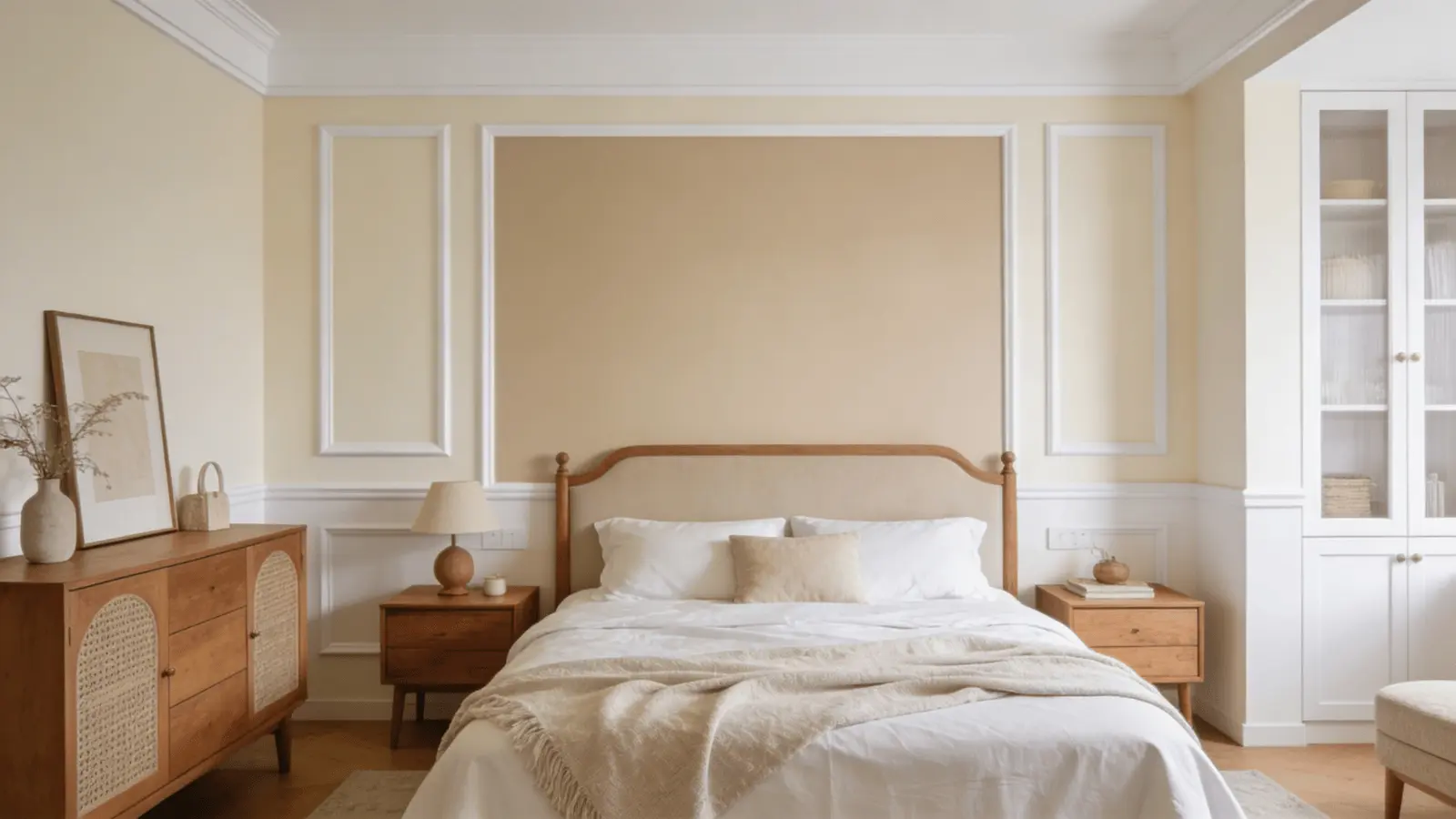
Warm neutrals are among the most popular bedroom paint colors for a reason. These tones reflect soft light and create a low-contrast, restful environment.
They work especially well in bedrooms because they’re easy on the eyes. There’s no visual tension, which helps your mind wind down at night.
One thing to watch: warm neutrals can feel flat without texture. Add it through bedding, rugs, or a wood accent piece.
2. Blue and White Combinations
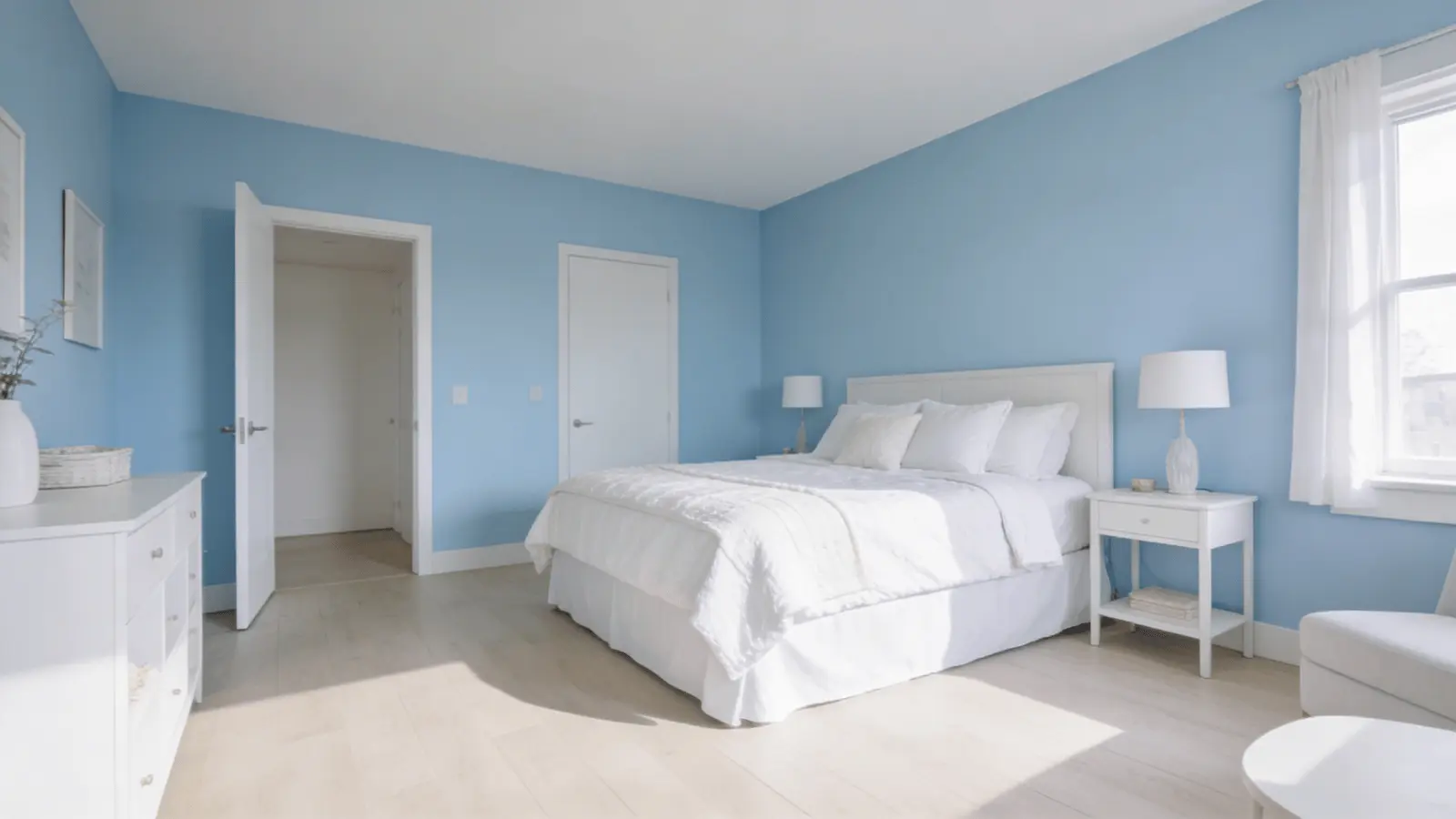
Blue is one of the most sleep-friendly colours you can put in a bedroom. It slows down mental activity and creates a sense of calm, similar to how you feel near water or open sky.
Paired with white, it feels clean and airy. The white keeps the blue from feeling cold or heavy.
Avoid using too much cool blue with no warm element at all. A few warm-toned accessories go a long way.
3. Green and Earthy Pairings (Sage, Olive + Cream or Brown)
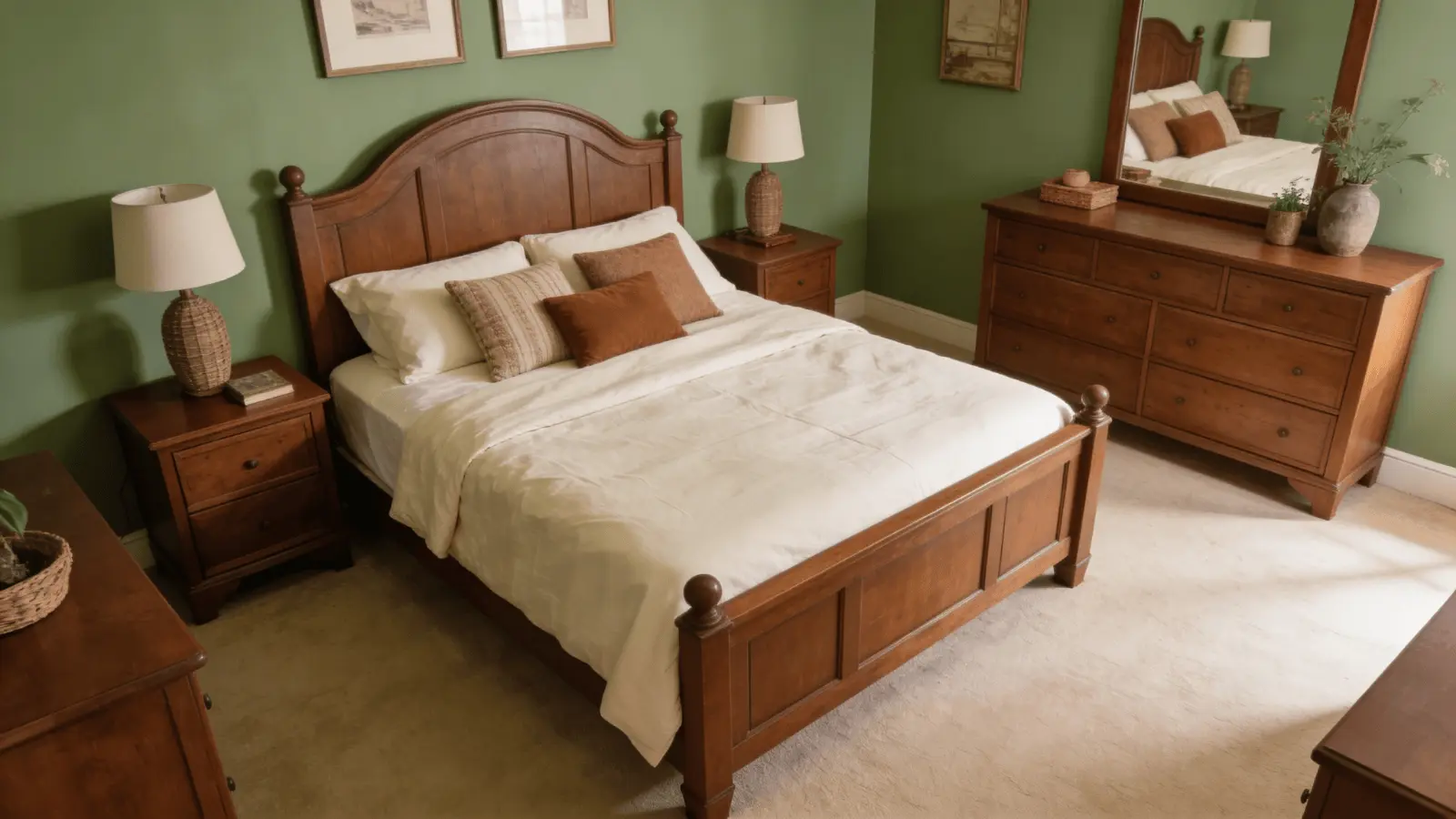
Green tones connect visually to nature. That’s not just aesthetic; it actually reduces stress. Sage and olive have balanced saturation, meaning they’re rich without being loud.
Paired with cream or brown, they feel grounded. It’s a combination that refreshes a room without overpowering it.
Just be careful with green undertones. A green that pulls too yellow or too grey can look muddy under indoor lighting.
4. Grey and Soft Accent Colors (Blush, Taupe)
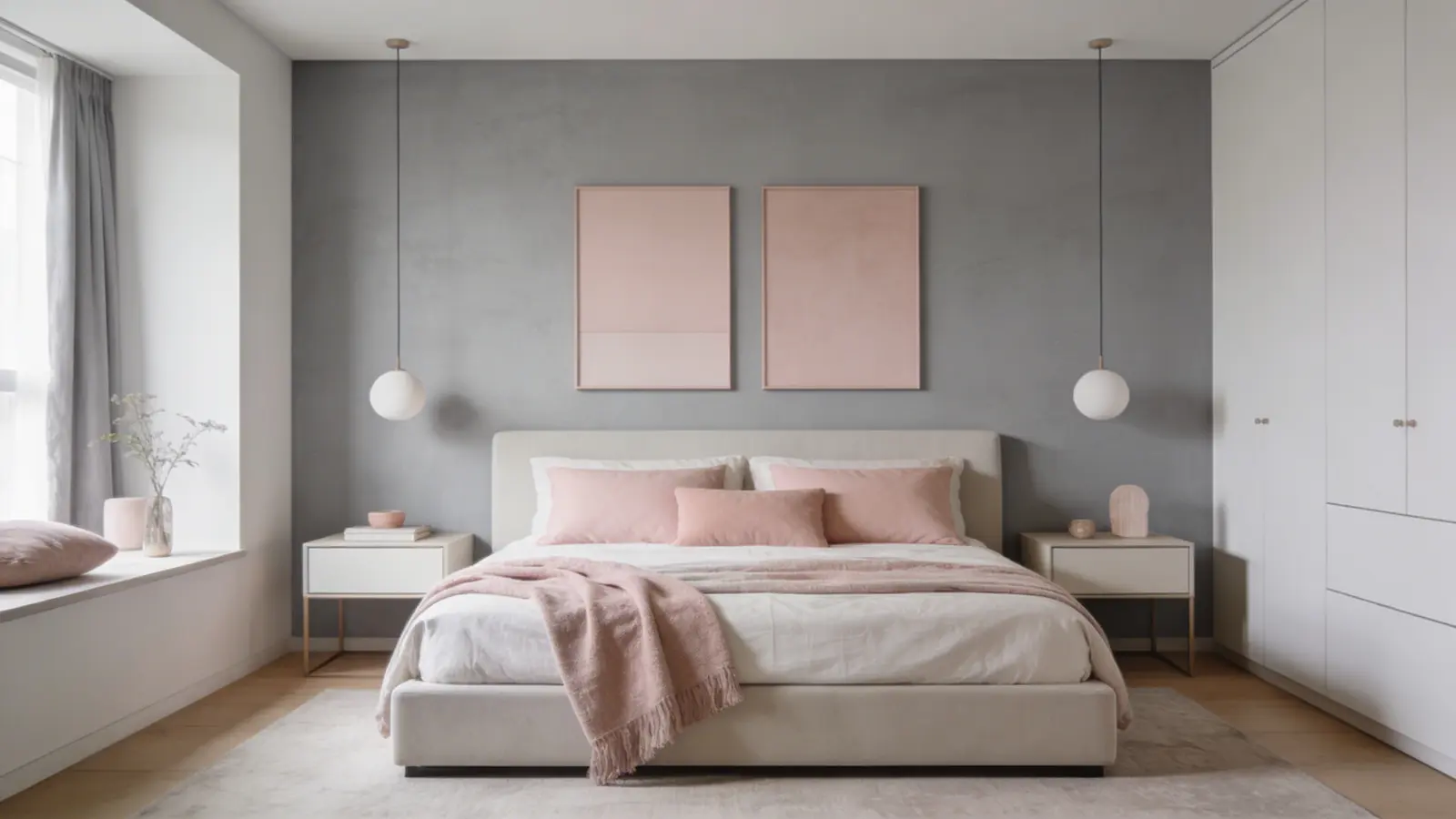
Grey is a neutral base that gives you a lot of flexibility. On its own, especially cool grey, it can feel clinical. Adding a soft accent like blush or taupe brings warmth without making the room feel heavy.
This combination suits modern and minimalist bedrooms well. The accent does the emotional work while the grey keeps things clean.
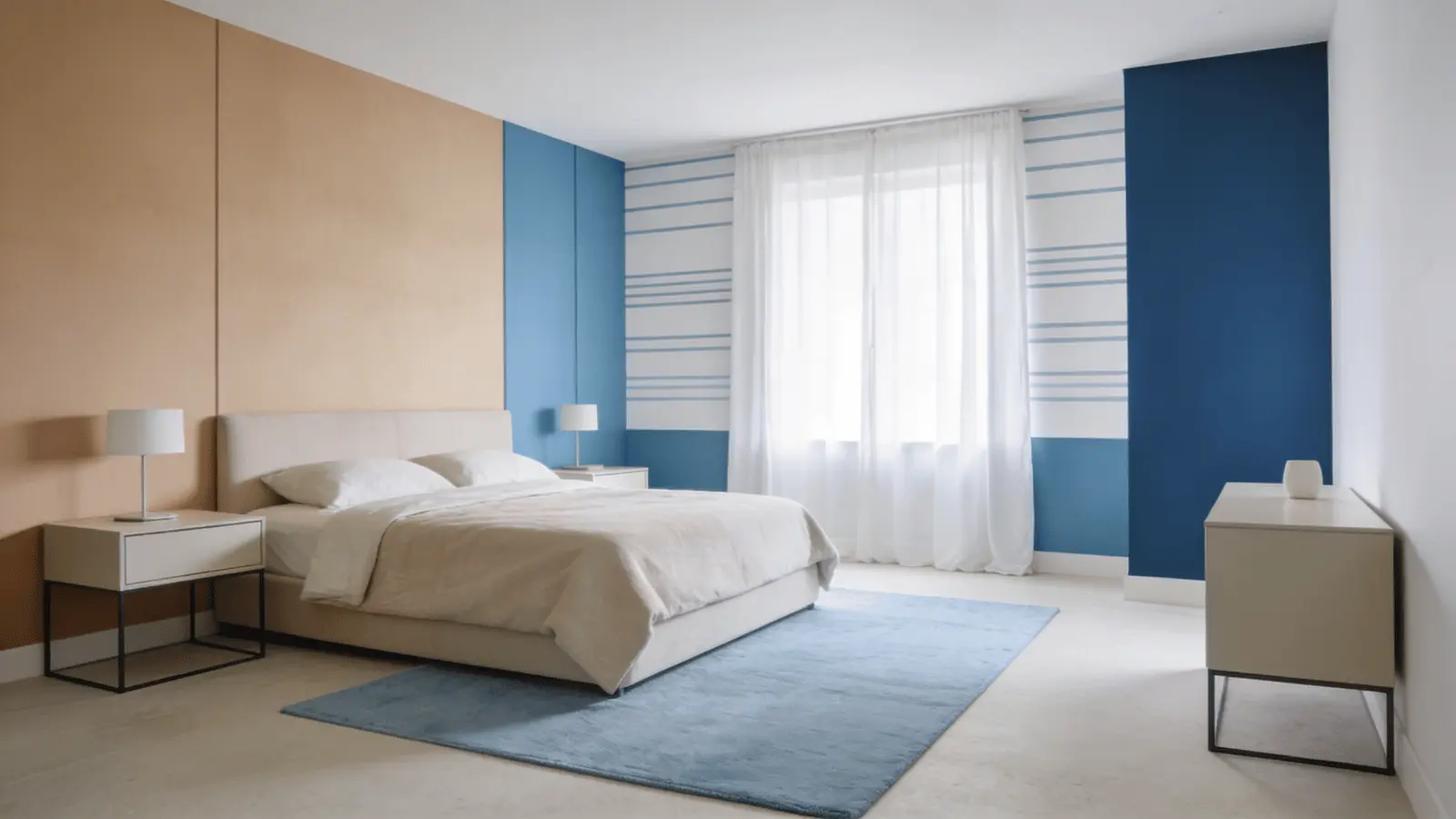
5. Dark and Light Contrast (Navy + White, Teal + Cream)
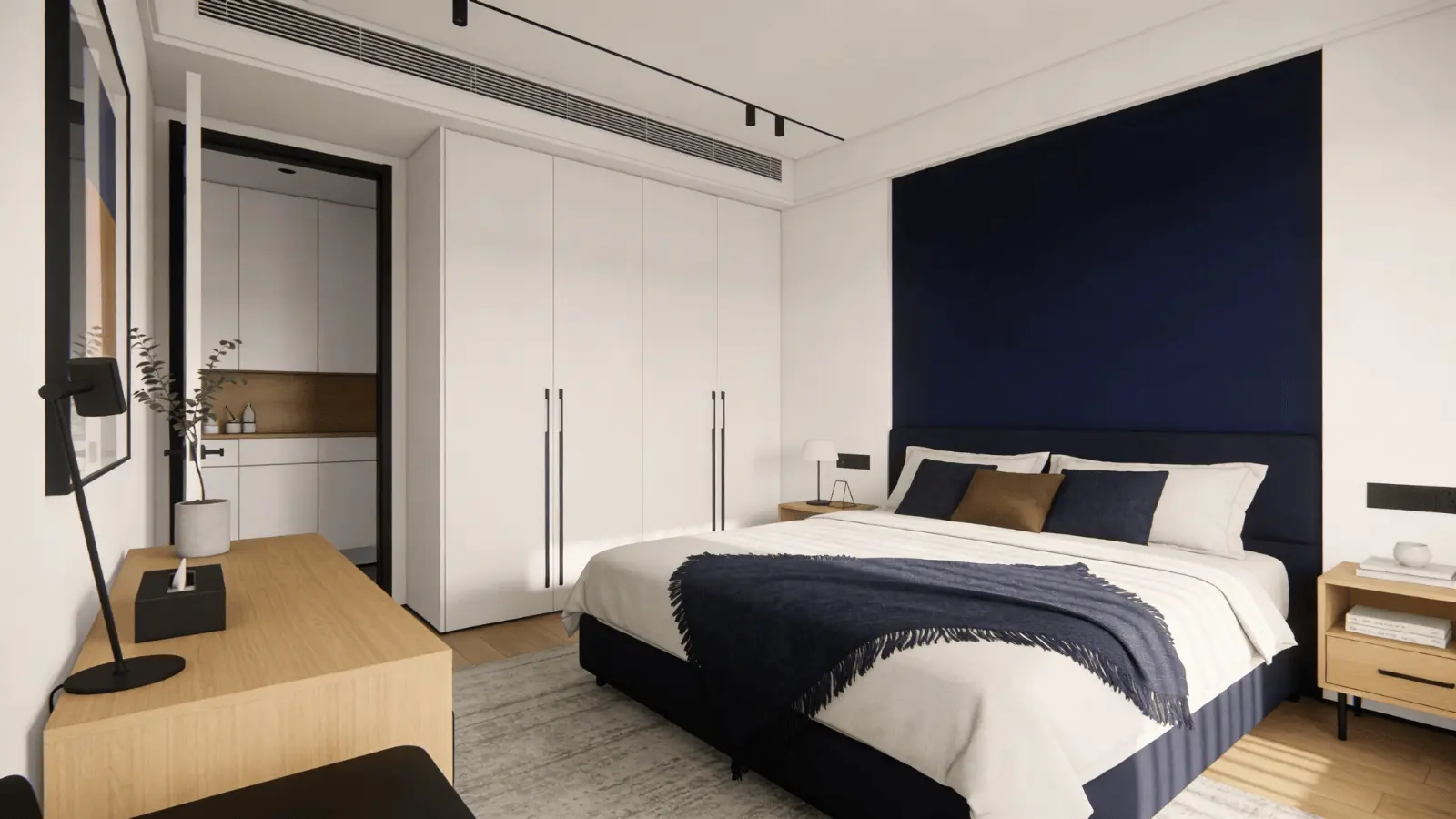
High-contrast combinations are bold. They create a strong visual structure, the dark colour anchors the room, while the light one opens it up.
Navy with white is timeless. Teal with cream feels warmer and slightly more relaxed. Both work best when the dark tone is used on a single feature wall rather than all four.
How Room Conditions Change Colour Outcomes?
The same colour looks different depending on where you use it. This is one of the most overlooked parts of choosing bedroom paint colors.
Lighting Direction Impact
North-facing rooms get cooler, more diffused light. Colours will appear slightly muted or blue-toned. Warmer shades work better here to counteract that effect.
South-facing rooms get warm, direct light. Colours appear richer and more saturated. These rooms can handle both warm and cool tones well.
Artificial Lighting Effects
Warm bulbs (yellow light) enhance reds, yellows, and beiges. Cool bulbs (white or blue-white light) bring out greys and blues.
Always check your color under the lighting you’ll actually use at night, not just in daylight.
Surface Finish and Reflection
Matte finishes absorb light and make colours look softer. Gloss and satin finishes reflect more light, which amplifies the colour’s intensity. A deep tone in gloss can feel much more dramatic than the same colour in matte.
Room Size and Ceiling Height
Light-coloured ceilings make a room feel taller. A dark accent wall adds depth but can visually narrow the space. Keep this in mind before painting all four walls a deep shade.
Using Accent Walls Without Breaking the Design
An accent wall adds focus without overwhelming the room. The most effective placement is the wall behind the bed; it’s the natural focal point and doesn’t compete with windows or doorways.
For the colour, you have two solid options:
- Contrast: Pick a tone that stands out from the other three walls but still shares the same undertone family.
- Deepen: Use a darker version of your base colour on the accent wall for a layered, tonal look.
Where accent walls go wrong is when there are too many of them. More than one accent wall creates visual clutter and splits the room’s focus. One is enough.
Conclusion
Choosing the right bedroom wall colour combination isn’t just about a shade you like. It’s about your space, the light, the size, the furniture, and the mood you want every day.
Use what you’ve learned here to narrow down your options with confidence. Test your top choices on a small section before going all in.
Even small colour changes can completely shift how a bedroom feels. The best colour is simply the one that makes the room feel like yours.
Found this helpful? Check out our other blogs for more home decor tips, colour guides, and interior design ideas.
Frequently Asked Questions
Which Colour Is Best for Bedroom Walls for Sleep?
Soft blues, greens, and warm neutrals work best. These shades reduce visual stimulation and help the mind relax for better rest.
Should Bedroom Colours Match Furniture?
They don’t need to match exactly. But undertones should align. Warm furniture works with warm wall tones, and cool tones should stay consistent throughout.
Are Grey Bedroom Walls Outdated?
Cool greys are fading in popularity, but warm greys still hold up well. Pair them with blush or taupe accents to keep the look fresh.