Bamboo Flooring Pros and Cons: A Real-Life Guide for Homeowners
Thinking about bamboo flooring but not sure if it’s the right choice for your home? It may look like hardwood, but it works a bit differently.
I’ll walk you through the pros and cons of bamboo flooring so you can make an informed decision with confidence. From types and finishes to care tips and comparisons, this guide gives you a clear picture of what to expect.
If you’re looking for something budget-friendly and clean-looking, bamboo might be a good fit. But you’ll also want to know when it doesn’t work well.
Let’s break it all down so you can make the right call for your space.
Types of Bamboo Flooring
Bamboo flooring is available in several formats, each with its own structure, strength, and installation method. Understanding the differences between solid, engineered, and strand woven bamboo helps in selecting the right fit based on room conditions, moisture exposure, and usage patterns.
Solid Bamboo Flooring

Solid bamboo planks are made from strips of bamboo compressed together using heat and adhesives. They provide a uniform look and can often be refinished once or twice, depending on thickness.
This type performs best in dry, stable environments with low humidity fluctuations. While durable, it may expand or contract with climate change.
Solid bamboo is typically installed using nails or glue, making it a more permanent option compared to click-lock versions. It’s most often used in bedrooms or living areas.
Engineered Bamboo Flooring

Engineered bamboo is a composite material that combines a thin bamboo veneer with a stable plywood or high-density fiberboard (HDF) core. This layered build offers added strength against humidity and temperature changes, making it better for areas like kitchens or finished basements.
Installation is often faster thanks to click-lock edges. The top layer can sometimes be refinished, but it depends on its thickness.
Engineered bamboo is ideal for homes needing a balance between resilience and design flexibility without compromising indoor moisture stability.
Strand Woven Bamboo Flooring

Strand woven bamboo is the toughest among bamboo flooring types. It’s made by shredding bamboo fibers and compressing them under extreme pressure with resin binders.
This method creates a dense, heavy plank with high resistance to dents and foot traffic. Because of its strength, it’s well-suited for busy households, commercial spaces, or homes with pets.
Strand woven bamboo can come in both solid and engineered forms, offering installation flexibility. It also supports a longer service life than traditional types.
Bamboo Flooring Finishes
The surface finish on bamboo flooring affects its appearance, the level of care required, and its durability in daily use. Finish type also impacts shine, scratch resistance, and indoor air quality.
Matte Finish

Matte finishes provide a soft, low-shine surface that helps hide scratches, dust, and footprints. This type is often used in casual or simple interiors.
It holds up well in high-traffic areas and reduces glare from sunlight. Because it shows fewer marks, it usually needs less frequent cleaning.
Matte surfaces are commonly found in living rooms, bedrooms, and hallways, where a clean, steady appearance is more important than shine or light reflection.
Glossy Finish
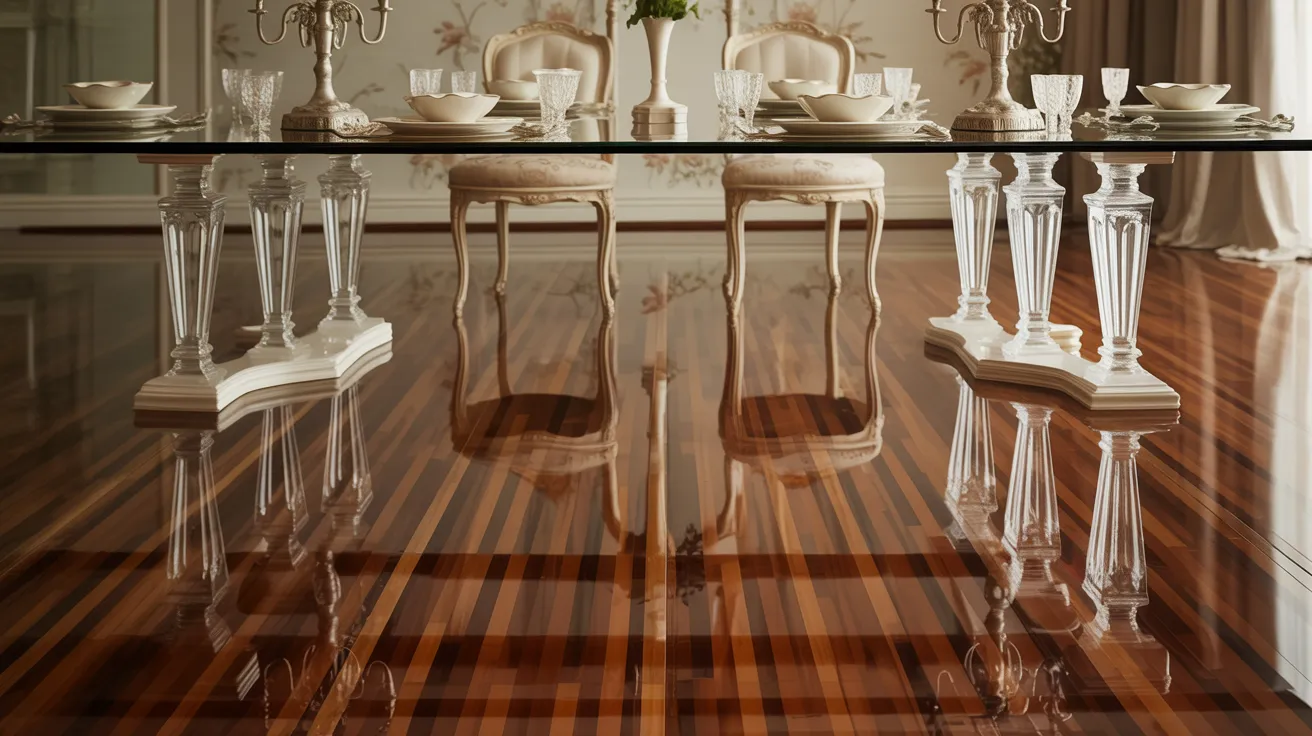
Glossy finishes create a bright surface that reflects light and shows more of the bamboo’s natural pattern. These finishes are often used in formal rooms or areas designed to highlight the floor.
However, the shine can make scratches, smudges, and dust more visible. Glossy floors may feel slick when wet and often need regular cleaning.
This type of finish is more commonly used in dining rooms, front entryways, and other spaces where visual impact is a key consideration.
UV-Cured Finish
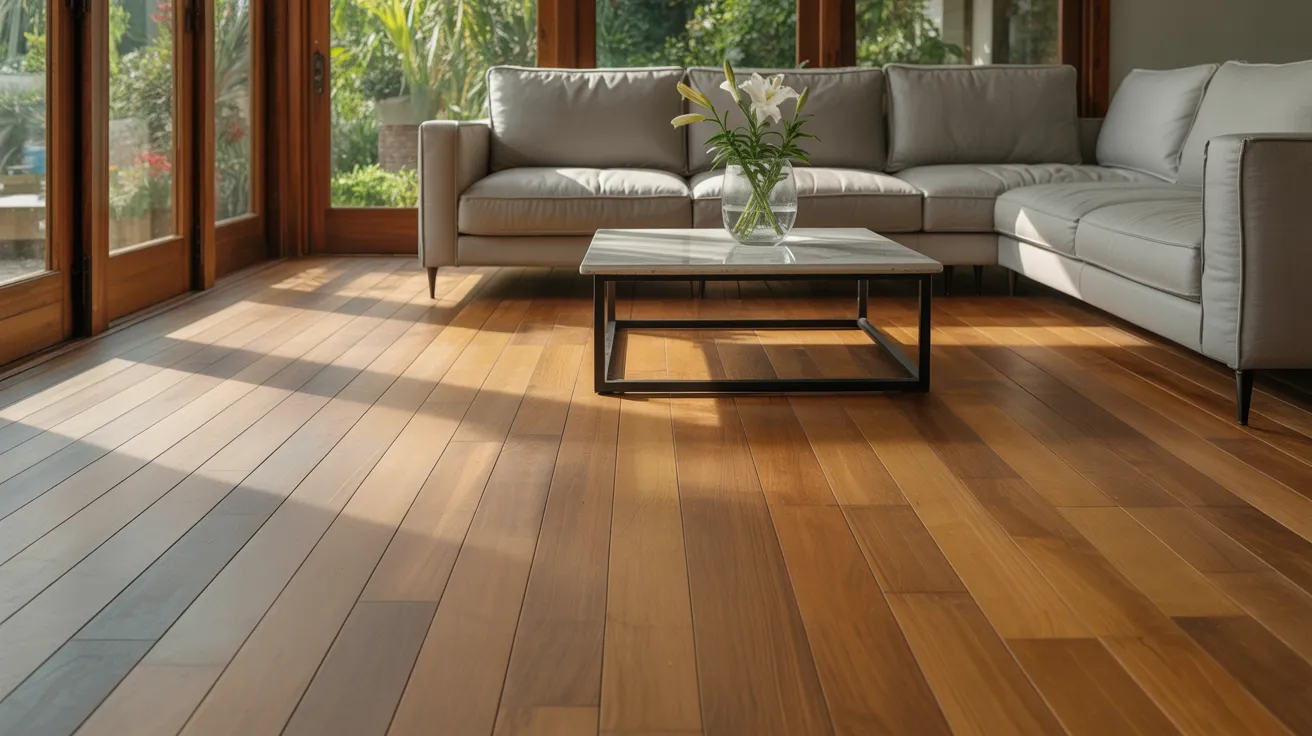
UV-cured finishes are dried using ultraviolet light during the production process. This process creates a hard, wear-resistant surface that protects against everyday .
It also limits chemical release, which supports better indoor air quality. Floors with UV-cured finishes arrive ready for installation and do not require extra drying time.
These surfaces resist fading from sunlight and are a good choice for busy rooms or areas with large windows.
Oil-Based Finish
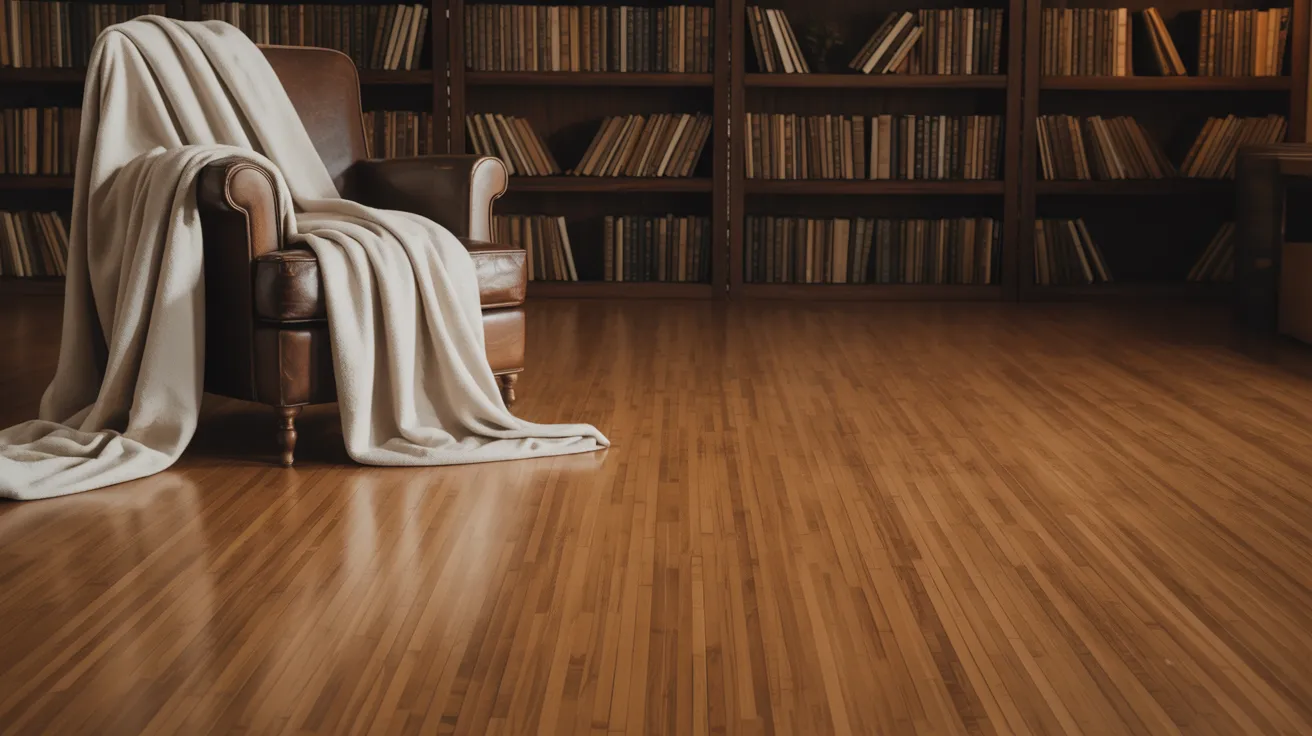
Oil-based finishes soak into the surface, deepening the tone of the bamboo. These finishes remain flexible but require reapplication from time to time.
Drying takes longer and often produces strong smells during use. Oil-based finishes are easier to repair in small spots but can wear down more quickly in humid or high-traffic areas.
They are most often used in quiet rooms where floor wear is lighter and easier to manage.
Why Bamboo Flooring is a Good Choice
Bamboo flooring provides practical benefits for residential and commercial spaces. It offers reliable performance, modern design appeal, and cost efficiency.
- Grows quickly and helps reduce pressure on forests, making it a renewable flooring material with a lower environmental impact.
- Strand woven types are dense and resistant to wear, often harder than many traditional hardwood flooring options.
- Costs make it more affordable than most solid hardwood choices.
- Click-lock bamboo planks install easily without glue or nails, making them useful for quick or low-cost flooring updates.
- Pairs well with modern, clean interior themes and offers a smooth surface that complements neutral furniture and finishes.
Possible Drawbacks of Bamboo Flooring
Bamboo flooring has a few important limitations related to moisture, durability, style choices, and performance in extreme indoor conditions.
- Exposure to water may lead to swelling, shrinking, or surface changes, especially in rooms with frequent moisture contact.
- Susceptible to marks from shoes, pet nails, or heavy furniture when used without pads or proper surface protection.
- Available in fewer shades and grain styles, which can make it harder to match with highly specific design plans.
- Lower-cost products may crack, separate, or have strong odors due to inconsistent production or lower-quality materials.
- Not recommended for rooms with very dry air or high humidity, as temperature swings can affect shape and stability.
Bamboo vs Other Flooring Options
Bamboo flooring competes with hardwood, laminate, and vinyl plank. Each option has different strengths depending on budget, durability, and room conditions.
Bamboo vs Hardwood

When choosing between bamboo and hardwood, the table below compares their cost, texture, and maintenance requirements.
|
Feature |
Bamboo Flooring |
Hardwood Flooring |
|
Cost |
Lower than hardwood |
Highest among flooring types |
|
Refinishing |
Limited, depending on the type |
Can be refinished many times |
|
Feel |
A firm with a slight bounce |
Dense, solid underfoot |
|
Sustainability |
Grows faster, renewable |
Slow growth, needs foresting |
|
Market Appeal |
Modern spaces vary by buyer |
Strong resale in most housing markets |
Bamboo vs Laminate

Both bamboo and laminate work well in homes, but they handle scratches, wear, and moisture differently. Here’s a quick comparison.
|
Feature |
Bamboo Flooring |
Laminate Flooring |
|
Durability |
Tough, especially strand woven |
Prone to chips and peeling |
|
Scratch Resistance |
Moderate, can mark from pets/furniture |
Often higher with protective coatings |
|
Looks |
Limited tone and grain choices |
Wide range of colors and styles |
|
Resale Value |
Often better, especially engineered |
Lower, especially in budget options |
|
Moisture Handling |
Some moisture tolerance |
Can swell at edges if wet |
Bamboo vs Vinyl Plank

This table helps you compare how bamboo stacks up against vinyl plank, particularly in terms of moisture resistance, comfort, and ease of setup.
|
Feature |
Bamboo Flooring |
Vinyl Plank Flooring |
|
Water Resistance |
Handles light moisture only |
Fully waterproof, works in wet rooms |
|
Comfort |
A firm may echo without underlayment |
Soft, quiet underfoot |
|
Installation |
Click-lock or glue setup |
Easiest with peel-and-stick or click-lock |
|
Cost |
Mid-range |
Often more budget-friendly |
|
Long-Term Use |
Strong if kept dry |
May wear over time, softer surface |
Strand Woven vs Traditional Bamboo

Both are made of bamboo, but their build and strength differ significantly. This table outlines the major performance and visual differences.
|
Feature |
Strand Woven Bamboo |
Traditional Bamboo |
|
Strength |
Very high, resists dents |
Lower, less durable under pressure |
|
Grain Appearance |
Varied, textured |
Smooth, even look |
|
Cost |
Slightly higher |
Lower upfront |
|
Wear Resistance |
Great for high-traffic areas |
Better for low-traffic areas |
|
Lifespan |
Long-lasting |
May show age sooner |
Maintenance and Care for Bamboo Flooring
Maintaining bamboo flooring in good condition requires regular cleaning, surface protection, and occasional refinishing as needed.
- Sweep or vacuum using a hard floor setting or a soft-bristle broom.
- Avoid steam mops, wet cloths, or strong cleaning agents that could harm the surface.
- Clean up spills quickly with a dry or lightly damp cloth to reduce moisture exposure.
- Place rugs near entry points and runners in high-traffic areas to reduce surface wear.
- Use felt pads under furniture and lift heavy objects to prevent scratches or dents.
- Maintain consistent indoor humidity to help avoid expansion or surface cracks.
- Trim pet nails and avoid shoes with sharp soles to limit marks on the flooring.
- Some bamboo flooring types can be sanded; refer to product details before attempting refinishing.
- Dull spots may improve with approved floor polish or cleaning products made for bamboo surfaces.
- For deep restoration, contact a professional to perform sanding or surface repairs safely.
Environmental Impact of Bamboo Flooring
Bamboo flooring is often labeled as an eco-conscious choice, but its environmental value depends on growing methods, material processing, and chemical treatments used during manufacturing.
Sustainability Factors
Bamboo grows rapidly and can be harvested without replanting, which reduces pressure on forests. Environmental value increases when grown without chemical pesticides and harvested under regulated conditions.
Certification from the Forest Stewardship Council (FSC) indicates responsible farming and fair labor practices.
Products that meet these standards typically originate from well-managed operations that minimize waste, safeguard ecosystems, and promote long-term soil health through strategic land use and resource allocation.
VOCs and Indoor Air Quality
Volatile organic compounds (VOCs) are chemicals released from adhesives and finishes during or after installation. These can affect indoor air quality, especially in enclosed spaces.
Low-VOC bamboo flooring is processed with adhesives and coatings that meet emission limits set by indoor air standards.
Products labeled with GREENGUARD or FloorScore certifications often indicate reduced chemical emissions, making them suitable for areas where a cleaner indoor environment is a top priority for long-term use.
Final Thoughts
Bamboo flooring can bring strength, fair cost, and a clean feel to your space, but it’s not the right fit for every home. Now that you’ve seen both the good and not-so-good sides, you can focus on what matters most to you, like how it handles spills, how it feels to walk on, or how long it might last.
If you’re looking for something that’s easy to care for and not as heavy as wood, bamboo could work well. Just make sure to choose a type that fits how the room will be used.
Need more help picking the right kind of floor for your day-to-day life? I’ve got other posts with clear ideas and simple tips to help you move forward.
Frequently Asked Questions
Can bamboo flooring be installed on stairs?
Yes, you can install bamboo flooring on stairs using glue and nails. Use stair noses for safety and smooth edges. Professional installation gives the best result and long-term stability.
Is bamboo flooring safe for radiant heat systems?
Some engineered bamboo types are compatible with radiant heat, but always check the product specifications. Avoid solid bamboo, as it may expand or crack. Keep temperature and humidity levels stable.
How does bamboo flooring hold up to heavy furniture?
Bamboo flooring can handle heavy furniture, but use felt pads under the legs to prevent dents. Strand woven bamboo holds up best. Avoid dragging items to reduce surface damage.
Can you change the color of bamboo flooring after it has been installed?
You can change the color by sanding and refinishing, but only if the surface layer is thick enough to allow for this process. Engineered bamboo may not allow this. Always test a small section first.
Does bamboo flooring need an underlayment?
Yes, underlayment helps with moisture protection, sound control, and stability. It’s essential for floating floors or installations over concrete. Select an underlayment based on the subfloor type and manufacturer’s guidelines.