

What to Do if You Discover Asbestos in Your Home
In earlier years, asbestos was commonly used in construction as a fire-resistant and insulating material for enhanced safety and temperature control in buildings. However, in the early 1900s, early medical reports and government observations unveiled patterns of unusually high sickness rates and early death among asbestos workers.
Due to the severe health risks associated with asbestos, its use was prohibited in later years, and it was officially banned across different regions. Today, some homes or constructions still have traces of asbestos, which can pose serious health risks when mishandled. If you happen to have discovered asbestos at home, you need a clear guideline on how to handle it safely to avoid dangerous exposure. Here’s what to do if you discover traces of asbestos at home.
Evaluate the Situation
When left undisturbed, asbestos can remain safely in your house for a long time. However, if you finally stumble upon it, you may want to approach the entire situation with care to avoid shaking off asbestos fibers into the air, increasing the health risks. A thorough evaluation of the asbestos situation will help you to determine if it’s an ongoing risk or not.
For instance, if you drill into an asbestos-carrying material (ACM) when renovating, leaving the hole open can expose your household to asbestos-related health risks. However, if you realize the mistake early and seal the hole, you can keep the asbestos fibers contained, minimizing the risk of exposure.
Ensure that any ACM in your home is perfectly sealed and taken care of professionally, especially those in high-traffic areas, to avoid the spread of asbestos fibers in your home. Creating a clear picture of the asbestos situation in your home can help you figure out the perfect plan for maintaining a safe environment.
Contact Certified Professionals
No matter how well you manage to navigate the asbestos discovery stage, you need certified professionals to step in for a thorough, more definitive evaluation before doing anything else. Attempting to inspect or remove asbestos from your home by yourself can make everything worse, including impacting your health and reducing your chances of getting full compensation.
The professionals will safely inspect your home and determine if asbestos is present, then advise on the necessary safe steps to take going forward. Sometimes asbestos can be traced back to tools or even clothes used in workplaces where a family member came into contact with an ACM.
If that’s the case, you can work with certified attorneys to help track the source of the ACM and seek relevant compensation. A successful claims process sometimes means tracing the original manufacturer of a product suspected to have exposed workers or consumers to the ACM. Manufacturers such as Owens Corning Fiberglass corporation have suffered a majority of these legal tussles due to their frequent association with the production of ACM.
Minimize Further Exposure
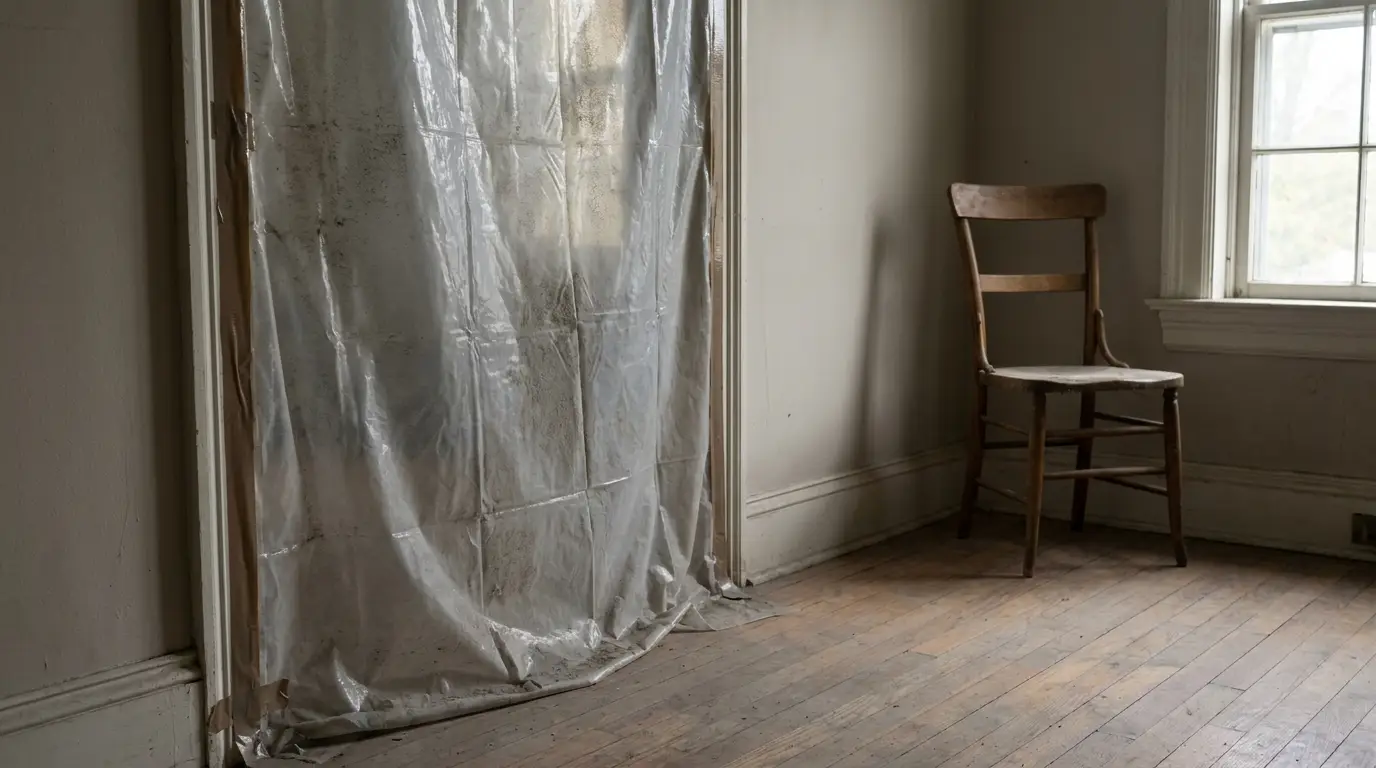
In most cases, the asbestos abatement process begins immediately after asbestos materials are identified in a home. However, it’s not always practical to fix the problems immediately, leading to a waiting period between problem identification and remediation. During that period of waiting, any home occupant with access to the affected area can easily be exposed to the asbestos before the area is cleared.
To minimize exposure, you should evacuate the affected area immediately after it’s confirmed to be asbestos-rich. While many homeowners think it’s best to clean up the affected area before abatement work begins, doing so can cause more harm than good.
Cleaning can cause disturbances to asbestos fibers, releasing them into the air and exposing everyone else to the risk that comes with inhaling them. Your expert team should know how to handle the asbestos and safely dispose of it to avoid the spread of the fibers all over your home.
Conduct Air-Monitoring Post Abatement
One way to find out if your home or environment is asbestos-free is to test or monitor the air in the area. After the abatement, you should have your contractor test the air to ensure no lingering asbestos fibers are left in your environment. This final test should be thorough and only conducted by a licensed professional whose verdict can be trusted. Ensure the final test indicates your home is free of ACM before you reoccupy it. Don’t quit on abatement until you’re sure of the safety of your home.
Implement Relevant Preventive Measures
Removing asbestos and cleaning the affected area isn’t always an assurance that the risk is completely eliminated. After abatement and safe reoccupation, it’s still important to keep an eye on any remaining ACM to prevent future problems. Keep the ACMs out of the risk of disturbance or damage to prevent the release of asbestos fibers into the air.
If your home has older materials suspected to be ACMs, you should inspect them regularly for signs of damage. Some ACMs in your home can look strong and perfect today, but break down unawares, leading to asbestos exposure.
Endnote
If your home was constructed prior to 2000 in an area most likely to have been affected by asbestos, you need to inspect your home soon. Catching an asbestos problem early is crucial for a safe abatement process. By implementing the above steps, you can easily achieve your best air quality and keep your family safe.


