Why Underfloor Heating in Ireland Is More Popular Than Ever
Ireland has never been short of reasons to think carefully about heating. A damp, temperate climate, a housing stock that ranges from well-insulated new builds to draughty period properties, and energy prices that have concentrated minds over the past few years have all pushed homeowners towards systems that deliver comfort efficiently.
Among those systems, one has risen faster than the rest. Searches for underfloor heating Ireland have climbed steadily, installers report fuller diaries, and homeowners who once dismissed the idea as a luxury are now asking detailed questions about cost, installation, and running expenses. The shift is not a passing trend. It reflects a set of conditions that make underfloor heating particularly well suited to Irish homes.
The Climate Argument
Ireland’s climate is mild but persistently damp. Winters are rarely severe, yet the cold is often felt more acutely than the thermometer suggests, because moisture in the air carries it into the bones.
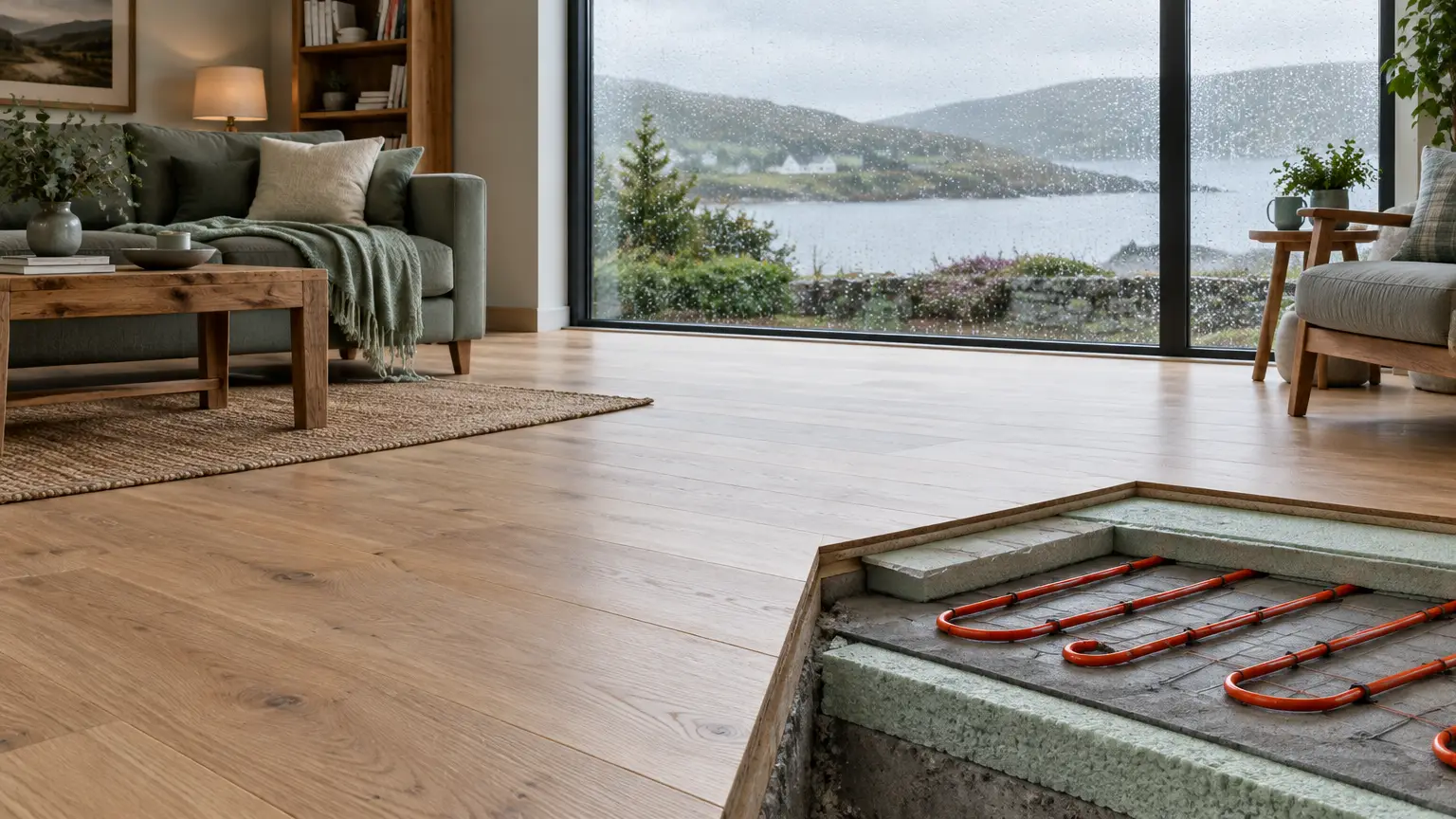
Radiators heat air, and warm air rises and escapes. Underfloor heating warms the surfaces of a room, and those surfaces then warm the air around them. The result is a steadier, more even heat that keeps floors dry and rooms comfortable without the draughts and temperature swings that convection creates.
For Irish homes, where dampness is a recurring concern, this has a practical benefit beyond comfort. Warm floors help to keep moisture at bay, particularly in hallways, bathrooms, and rooms at ground level.
The Housing Stock
Ireland’s housing stock is unusually varied, and that variety has shaped the adoption of underfloor heating.
New builds have embraced it almost as standard. Building regulations have tightened considerably, and modern Irish homes are well insulated and highly airtight. Underfloor heating suits this type of construction perfectly, because it runs at low flow temperatures and pairs efficiently with heat pumps, which are increasingly specified in new developments.
Retrofits tell a different story. Older Irish houses, particularly those built before insulation standards improved, often have suspended timber floors and limited space for pipework. Here, electric systems have found a natural home, offering a straightforward route to warm floors without the disruption of a wet installation.
The Heat Pump Effect
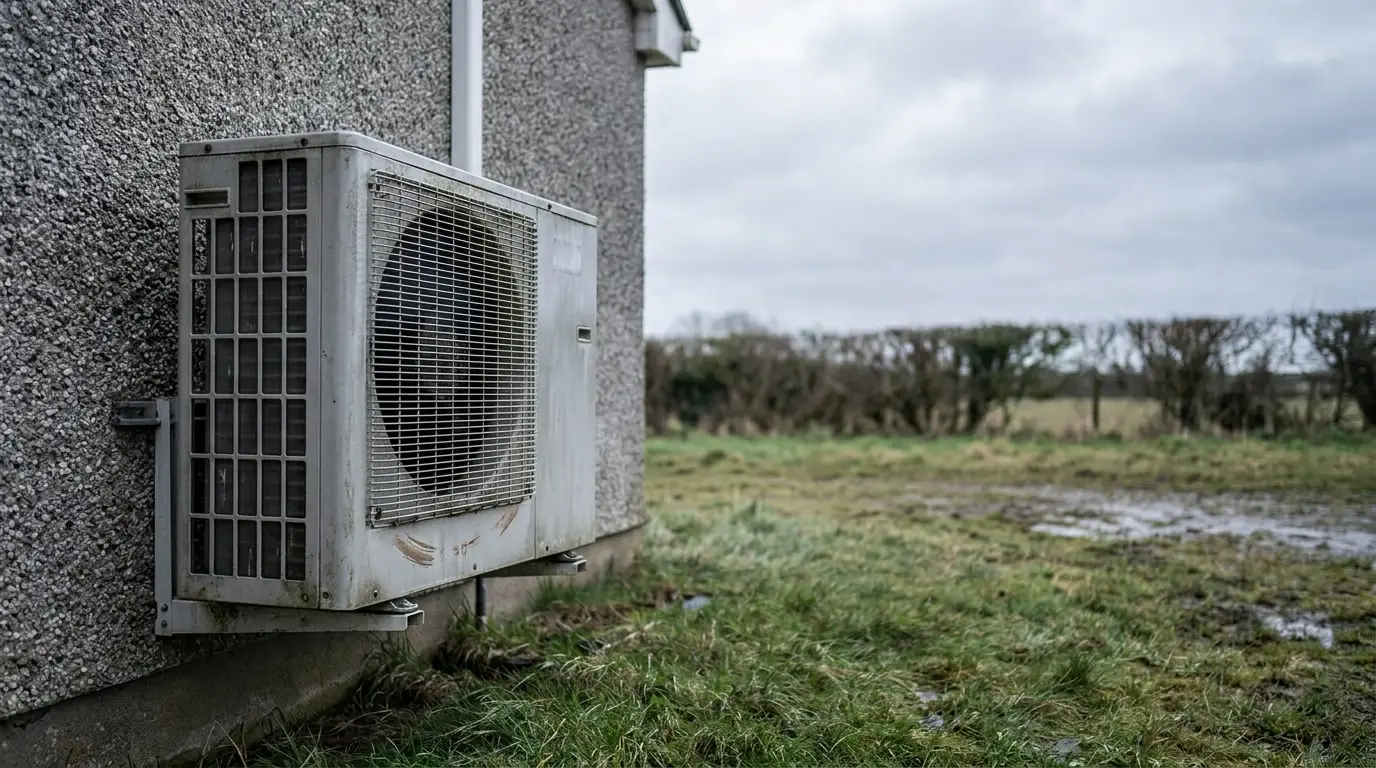
The growth of heat pump adoption has been one of the strongest drivers of underfloor heating’s popularity.
Heat pumps operate most efficiently at low flow temperatures, typically between 35°C and 45°C. Radiators sized for a gas boiler often cannot deliver adequate warmth at those temperatures without being enlarged considerably. Underfloor heating, with its large surface area, delivers comfortable heat at exactly the temperatures a heat pump prefers.
For anyone installing a heat pump, underfloor heating is not merely an option. It is often the logical partner, and grant schemes and energy incentives have encouraged homeowners to consider both together rather than separately.
The Running Cost Question
Irish homeowners are pragmatic about heating. The system must be affordable to run, not merely pleasant to live with.
Underfloor heating performs well on this measure, provided it is installed and controlled properly. Zoning allows individual rooms to be heated only when needed. Programmable thermostats mean the system runs to a schedule rather than constantly. Insulation beneath the floor ensures the heat goes into the room rather than the ground.
Electric systems cost more per unit of heat than wet systems, which is why they are best suited to smaller areas and short periods of use. Wet systems, paired with a heat pump or a condensing boiler, offer lower running costs over the long term, and their efficiency has improved considerably in recent years.
The Design Advantage
There is a further reason for the growing popularity, and it is aesthetic as much as practical.
Underfloor heating frees the walls. In a small Irish sitting room or a compact bathroom, removing radiators opens up space for furniture, storage, and art. Rooms feel cleaner and more considered. In period properties, where pipework and radiators can damage historic fabric, the appeal is even stronger.
Practical Considerations for Irish Homes
A few points deserve attention before installation.
Insulation first. Underfloor heating works best in a well-insulated building. Upgrading insulation and addressing draughts will do more for comfort and running costs than any heating system alone.
Floor construction. Suspended timber floors require different solutions from solid floors. Low-profile systems exist for retrofits, but they must be specified correctly.
Damp and ventilation. Irish homes need ventilation as well as warmth. A warm floor does not replace proper airflow, and the two should be planned together.
Controls. A precise, programmable thermostat is essential. Poor controls waste more energy than poor hardware.
Installation quality. Underfloor heating is only as good as its installation. Choose an experienced installer and confirm the warranty terms.
Summary
Underfloor heating in Ireland is more popular than ever because it answers the questions Irish homeowners are actually asking. How do I heat a damp climate comfortably? How do I run a heat pump efficiently? How do I make an older house warmer without tearing it apart? How do I free up wall space in a small room?
The system is not a universal answer, and it is not cheap in every application. But it is a good fit for a country whose climate, housing stock, and energy priorities align with what underfloor heating does best.
That alignment explains the surge in interest, and it suggests the trend has some way to run.