One Pest or the Whole Property: How to Tell Which Level of Pest Control You Actually Need
Most people call a pest control company because of one thing they saw. A line of ants on the counter. A wasp nest by the front door. Droppings in the pantry. What they often get back is a menu of plans, add-ons, and service tiers that can be hard to sort through.
The simplest way to choose is to start with the problem and work backward to the product. What you are seeing, where you are seeing it, and how often it happens will point to the level of service you need. Here is how to work through it.
Start With the Symptom
Before comparing plans, answer three questions:
- What pest is it? If you are not sure, a photo or a sample helps a technician identify it quickly.
- Where is it showing up? Inside, outside, or both? One room or several?
- Is this the first time, or does it happen every year? Seasonal problems that repeat might call for more than a one-time inspection.
With those answers in hand, most situations fall into one of four levels.
Level 1: A Single Seasonal Problem
What it looks like: A one-time issue tied to a specific season or event. A wasp nest under the eaves in late summer. A few spiders after the weather turns. Ants after a heavy rain.
What it usually calls for: A targeted treatment for that specific pest. If the problem is truly isolated and does not repeat, a one-time service can be enough.
Watch for: Problems that seem isolated but come back the next season. If you find yourself calling about the same pest every year, you are probably at Level 2.
Level 2: Recurring Pests Around the Home
What it looks like: The same insects return season after season. Ants every spring, spiders every fall, occasional roaches or silverfish, crickets in the garage.
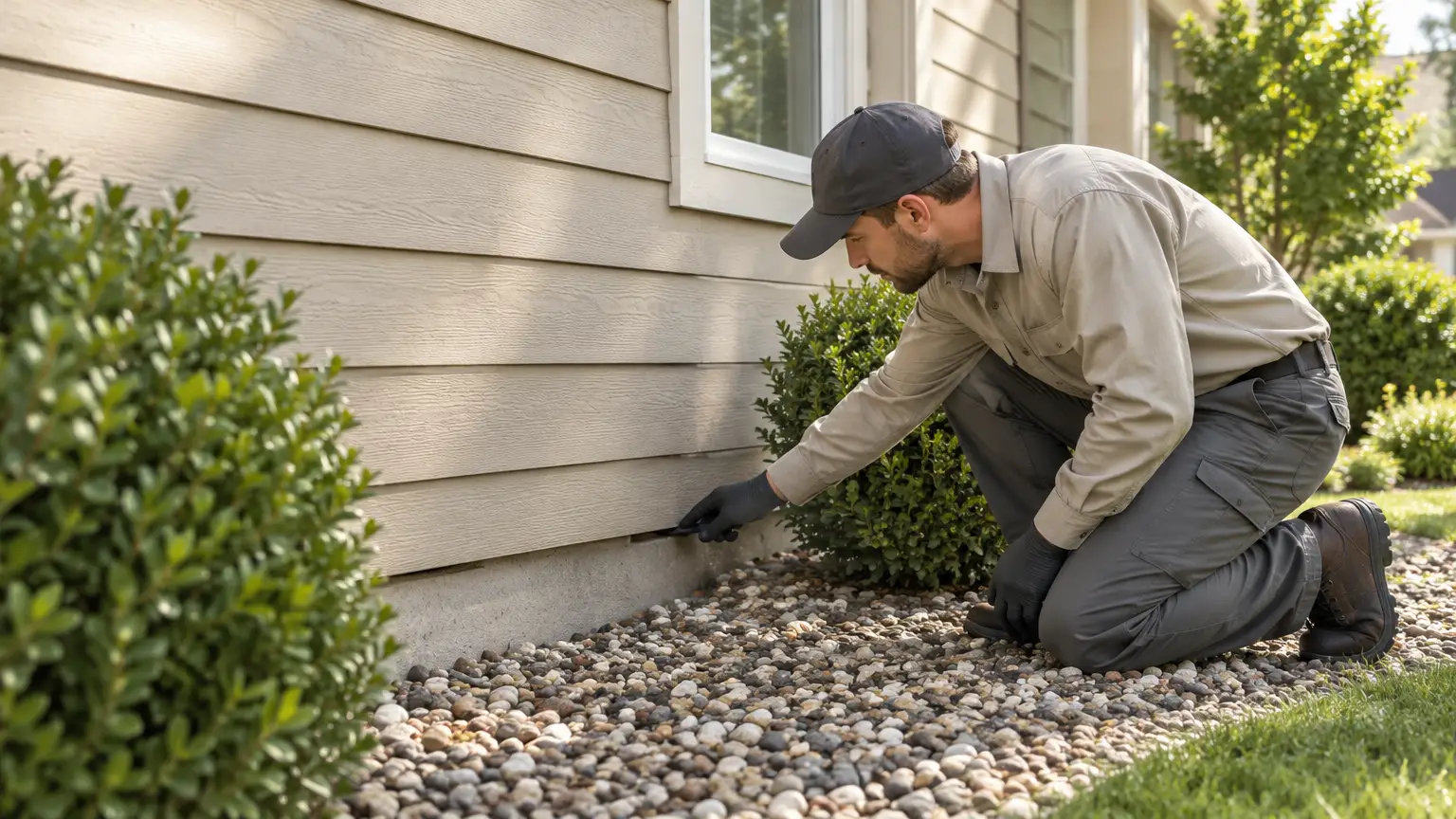
What it usually calls for: A recurring perimeter program with scheduled treatments through the year. Regular service keeps a protective barrier in place and gives a technician the chance to spot new problems before they grow.
What to look for in a plan: How many visits per year, which pests are covered and what happens if pests come back between visits. For example, EcoShield Pest Solutions’ Shield Home Protection Plan includes four seasonal treatments a year covering common pests like ants, spiders, roaches, mice, stinging insects, centipedes and crickets, with free return treatments if covered pests come back between regular visits.
Level 3: A Pest That Needs Structural Work
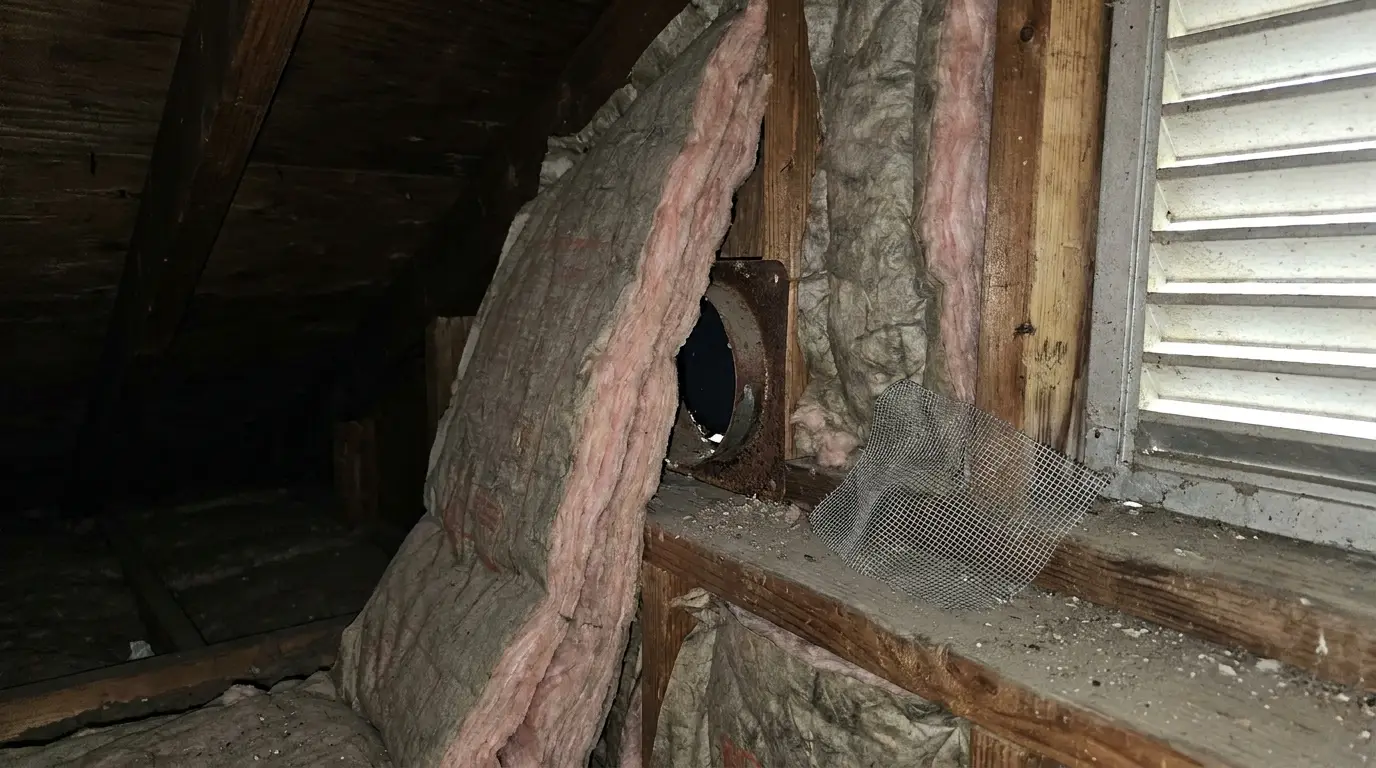
What it looks like: The problem is tied to the structure of the house itself. Mice in the walls or attic. Termite activity or damage. Insulation that has been nested in or contaminated.
What it usually calls for: Specialized services that go beyond spraying. These include:
- Rodent exclusion, which removes existing rodents, seals the entry points they used and monitors to confirm the work held
- Termite treatment, which is typically a separate service with its own warranty terms
- Attic insulation work, when rodents have damaged or contaminated existing insulation
Why it matters: A recurring perimeter plan can help with occasional mice, but an active rodent problem inside the structure usually needs exclusion work to solve it. Treating the symptom without sealing the house tends to mean the problem returns.
Level 4: Specialty Pests
What it looks like: Problems that require their own treatment methods and are usually handled separately from general pest plans. Bed bugs. Mosquito pressure in the yard. Carpenter bees boring into wood trim or decks.
What it usually calls for: A dedicated service for that pest. Bed bugs, for example, require a very different approach than ants, and mosquito control focuses on the yard and breeding sites rather than the house.
A Quick Comparison
| What you are seeing | Likely level | Typical service |
| One wasp nest, one-time ant invasion | Level 1 | Targeted one-time treatment |
| Ants, spiders or crickets every year | Level 2 | Recurring perimeter program |
| Mice in walls or attic, damaged insulation | Level 3 | Rodent exclusion, insulation work |
| Termite swarmers or damaged wood | Level 3 | Termite treatment |
| Bed bugs, mosquitoes, carpenter bees | Level 4 | Dedicated specialty service |
Combining Levels
Many homes need more than one level. A family might have a recurring perimeter plan for general pests and add rodent exclusion after finding mice in the attic. Another might add mosquito service for the summer months.
EcoShield’s service lineup shows how this typically fits together: a recurring home plan as the foundation, with specialized services such as Exclusion Shield, Insulation Shield, Termite Shield, Bed Bug Shield, a mosquito service and Carpenter Bee Shield available when the problem calls for them.
Questions to Ask Before You Buy
- What pest is this, and how confident are you in the identification?
- Is this a one-time problem or likely to recur?
- Is there a structural issue letting pests in?
- What does the plan cover, and what is excluded?
- What happens if the pest comes back between visits?
A good technician should be able to walk through these questions with you during an inspection and explain why they are recommending one level over another. If the recommendation does not match what you are seeing, ask them to explain it. The right plan should make sense for your home.