Best Residential Property Management Software for Property Managers
Choosing the right property management software is one of the most important decisions a residential property manager can make. The right platform can reduce manual bookkeeping, simplify rent collection, organize tenant and lease records, and make reporting easier for owners.
The wrong system can create the opposite problem. It may add extra steps, include features your team never uses, or become difficult to manage as your business grows.
For property managers, the goal is not just to find software with the longest feature list. The goal is to choose a practical system that supports daily operations, keeps records clean, and helps your team provide better service to owners and tenants.
Landlords also benefit from the same tools, especially when they want a more organized way to manage rent payments, documents, maintenance, and financial records.
This guide explains what separates strong residential property management software from a basic rent collection app and what property managers should prioritize when evaluating their options.
What to Look for in Residential Property Management Software
Before choosing a platform, it helps to know which features matter most for residential rental operations. A strong system should make daily work easier, not more complicated.
Most property managers should look for:
- Online rent collection so tenants can pay through a portal or automatic bank withdrawal instead of mailing checks
- Income and expense tracking that helps simplify bookkeeping and tax preparation
- Tenant and lease management for lease terms, renewal dates, documents, and resident records
- Owner and financial reporting for property managers who report to owners or investors
- Maintenance request tracking so tenants can submit issues and managers can assign, monitor, and follow up on repairs
- Practical pricing that fits the needs of smaller and midsize property management businesses
- Simple workflows that staff can learn without heavy training
- Customer support that helps during setup and daily use
A good platform should support the way property managers actually work. It should reduce repeated tasks, improve visibility, and make it easier to serve owners and tenants professionally.
Why Property Managers Need More Than a Rent Collection App
A basic rent collection tool may help with payments, but property management involves much more than collecting rent.
Property managers also need to track leases, organize documents, communicate with tenants, manage maintenance, report to owners, and keep financial records accurate. When these tasks are handled in separate systems, important details can get missed.
For example, a rent payment may be recorded in one place, a maintenance request may live in an email thread, and an owner report may need to be built manually from spreadsheets. This creates extra work and increases the risk of mistakes.
Residential property management software solves this problem by bringing key workflows into one system. That gives property managers a clearer view of what is happening across the business.
What SimplifyEm Property Management Software Offers
SimplifyEm is designed for property managers and landlords who want a straightforward system for rent collection, financial tracking, tenant management, lease records, and reporting.
Its core value is practical organization. Instead of forcing teams into a complex enterprise system, SimplifyEm helps bring everyday property management tasks into one place.
Key areas include:
- Online rent collection
- Tenant and lease tracking
- Income and expense management
- Vendor records
- Owner reporting
- Document storage
- Maintenance request tracking
- Communication history
- Payment records
- Financial reporting
For property managers, this type of structure can reduce manual work and make owner reporting more consistent. For landlords, it creates a simpler way to manage rental activity without relying on scattered files, emails, and spreadsheets.
Matching Software to Your Portfolio and Workflow
Not every property manager needs the same level of software. A manager handling a small group of rentals has different needs than a larger company with multiple team members, owners, and reporting requirements.
The best platform should match your current workflow while still giving you room to grow.
When evaluating software, consider:
- How many properties you manage today
- How many owners you report to
- Whether you need tenant and owner portals
- How detailed your financial reporting needs to be
- Whether your team needs multiple user access
- How much automation you want
- How easy the system is for staff and tenants to use
The right system should help you grow without forcing unnecessary complexity too early.
Why Financial Tracking Deserves Extra Attention
Many software comparisons focus heavily on leasing and maintenance features. Those are important, but for residential property managers, bookkeeping and financial tracking often have the biggest daily impact.
Rental income and expenses need to be tracked throughout the year. Waiting until tax season to rebuild records from bank statements, receipts, and spreadsheets creates unnecessary stress.
Strong financial tools can help property managers:
- Track rent payments
- Categorize income and expenses
- Record recurring transactions
- Prepare owner reports
- Review cash flow
- Maintain cleaner financial records
- Support tax preparation
For property managers who do not have a dedicated bookkeeper, these features can save time and reduce manual work.
Online Rent Collection and Payment Tracking
Rent collection is one of the most important workflows in property management. Manual rent collection can lead to late payments, missed follow ups, and scattered records.
A good system should allow tenants to pay online and give property managers a clear view of payment activity.
Useful rent collection features include:
- Online payment options
- Automatic payment reminders
- Recurring payment support
- Payment history
- Rent tracking
- Billing records
- Late payment visibility
These tools can improve cash flow and reduce the time spent chasing rent manually.
Tenant and Lease Management
Tenant and lease records are central to every rental business. Property managers need quick access to lease terms, renewal dates, contact information, move in records, and documents.
Strong tenant and lease management tools can help organize:
- Tenant contact details
- Lease start and end dates
- Renewal reminders
- Rental terms
- Documents
- Payment history
- Notes and communication history
This helps property managers stay ahead of renewals, respond faster, and avoid losing important information.
Maintenance Request Tracking
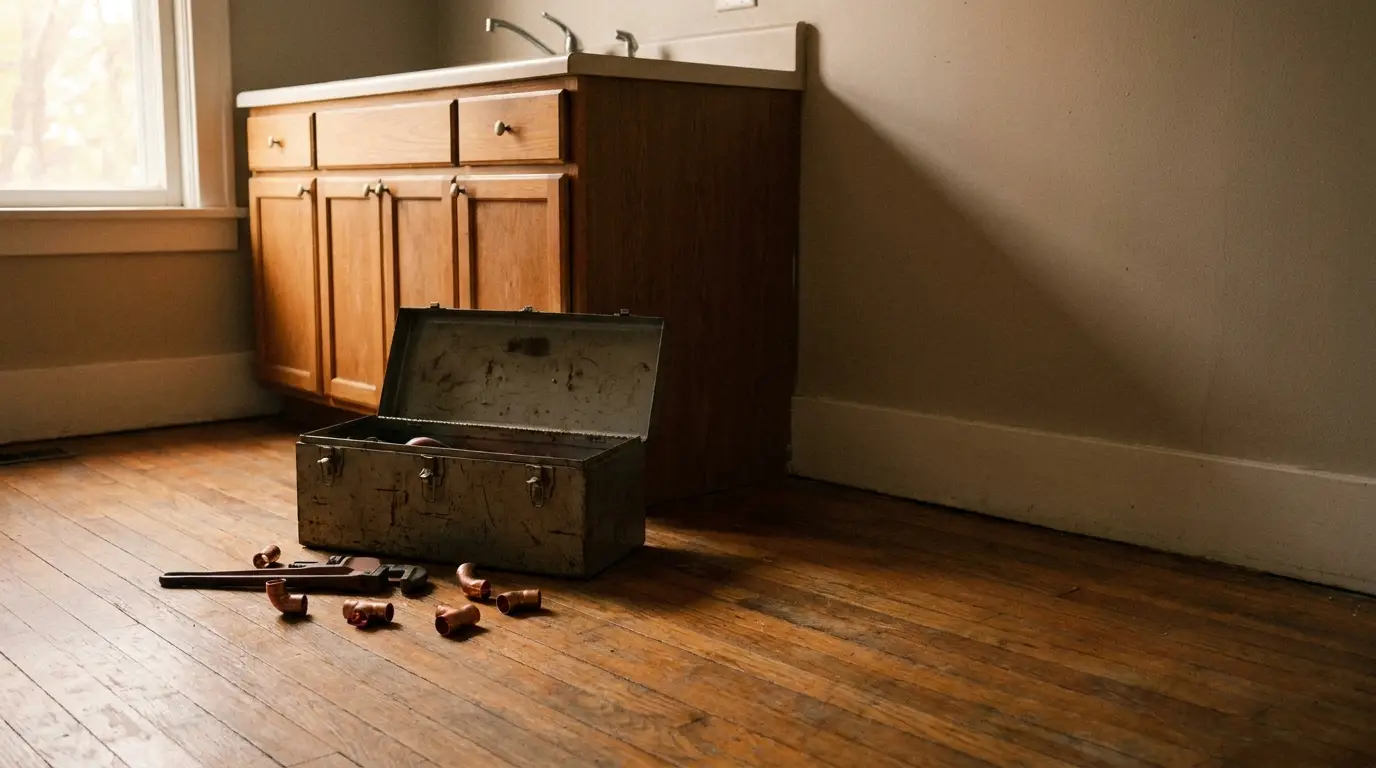
Maintenance is one of the most visible parts of the tenant experience. When repairs are delayed or poorly tracked, tenants become frustrated and owners may lose confidence.
Residential property management software should make maintenance easier to manage by allowing tenants to submit requests and property managers to track each step.
Helpful maintenance features include:
- Online request submission
- Work order tracking
- Vendor assignment
- Status updates
- Maintenance history
- Cost tracking
- Follow up notes
This creates a clearer process for tenants, property managers, vendors, and owners.
Owner and Financial Reporting
Owner reporting is especially important for property managers. Owners want to understand rental income, expenses, maintenance costs, and overall property performance.
When reports are built manually, the process can take time and increase the chance of errors.
A strong system should help property managers generate clean, useful reports that support better communication with owners.
Important reporting features may include:
- Income summaries
- Expense reports
- Owner statements
- Property performance reports
- Tax related summaries
- Maintenance cost reports
- Rent collection summaries
Better reporting helps build trust and shows owners that the property is being managed professionally.
Questions to Ask Before Choosing a Platform
Before selecting residential property management software, property managers should ask practical questions.
Does the Software Fit Our Daily Workflow?
The best software should make your team faster and more organized. If the system feels too complicated, adoption may be slow.
Does It Support Both Operations and Accounting?
Rent collection, tenant records, maintenance, and accounting should work together. Separate systems can create duplicate work.
Is Reporting Strong Enough for Owner Communication?
Property managers need reports that are clear, accurate, and easy to share.
Is Customer Support Easy to Reach?
Support matters during setup and ongoing use. A lower cost system can become expensive if your team cannot get help when needed.
Can the Platform Grow With the Business?
Choose software that can support additional properties, owners, tenants, users, and reporting needs as your business expands.
Common Mistakes to Avoid
Choosing the wrong software can create problems that are difficult to fix later.
Property managers should avoid:
- Choosing software based only on price
- Paying for enterprise features they do not need
- Ignoring bookkeeping and reporting tools
- Overlooking customer support
- Choosing a system that is hard for staff to learn
- Failing to test tenant and owner portal features
- Not thinking about future growth
A practical system should reduce work, not add more steps.
Frequently Asked Questions
What Is Residential Property Management Software?
Residential property management software helps property managers and landlords organize rent payments, income and expenses, tenant records, leases, maintenance requests, documents, and financial reports in one system.
What Is the Best Residential Property Management Software for Managers?
The best residential property management software depends on portfolio size, budget, workflow, reporting needs, and daily operations. Important features include online rent collection, accounting, lease management, maintenance tracking, owner reporting, and customer support.
What Is SimplifyEm Property Management Software?
SimplifyEm property management software is designed for property managers and landlords who want practical tools for online rent collection, financial tracking, tenant and lease management, vendor records, reporting, and document storage.
Can SimplifyEm Help With Tax Preparation?
SimplifyEm helps organize rental income and expenses and supports reporting that can make recordkeeping easier. Property managers and landlords should still consult a qualified tax professional for individual tax advice.
Does SimplifyEm Support Online Rent Collection?
Yes. SimplifyEm allows tenants to make rent payments online. The platform can also record payments, maintain billing histories, send reminders, and support recurring payment arrangements.
Why Should Property Managers Care About Financial Tracking?
Financial tracking affects owner reporting, tax preparation, cash flow visibility, and business decisions. Clean records help property managers provide better service and reduce manual work.
Choose Software That Supports Your Rental Operations
The best residential property management software for managers should match the business, simplify routine responsibilities, and provide reliable financial records.
For property managers, the right platform can improve rent collection, bookkeeping, tenant and lease management, maintenance tracking, owner reporting, and document organization.
For landlords, it can provide better visibility and a more organized rental operation.
If you are looking for online rent collection, bookkeeping, tenant and lease management, reporting, and practical plan options in one system, SimplifyEm property management software is a strong option to consider.