10 Home Features That Add Value and Speed Up the Sale of a Property
Sellers often spend on the wrong projects. The data on resale return leaves little room for guesswork, yet many owners still pour money into a major kitchen overhaul that recoups less than half its cost. The features below are ordered by how much they add to the sale and how quickly they move a listing. Each figure comes from recent cost-and-value data, not from taste. The pattern that emerges is steady year to year, and it favours the seller who plans before swinging a hammer.
Garage Door Replacement
A new garage door returned the most of any project in 2025, recouping about 268% of its cost. The average job costs $4,672 and adds close to $12,526 at resale. The door faces the street, so the upgrade improves the front view at the same time. It has held the top spot for two years running, which tells a seller this is not a passing trend. An insulated steel or composite model also trims drafts in an attached garage, a small bonus a buyer will notice on a cold day.
Steel Entry Door
A steel entry door with low-emission glass and a new lockset averaged $2,435 and added $5,270 at resale, a 216% return. The door signals security and low maintenance, two things buyers price in quickly. It also installs in a day, so the disruption is minimal. A solid front door changes the feel of the entry more than its modest cost suggests, and it removes the worn, drafty door that dates an older house at first glance.
Manufactured Stone Veneer
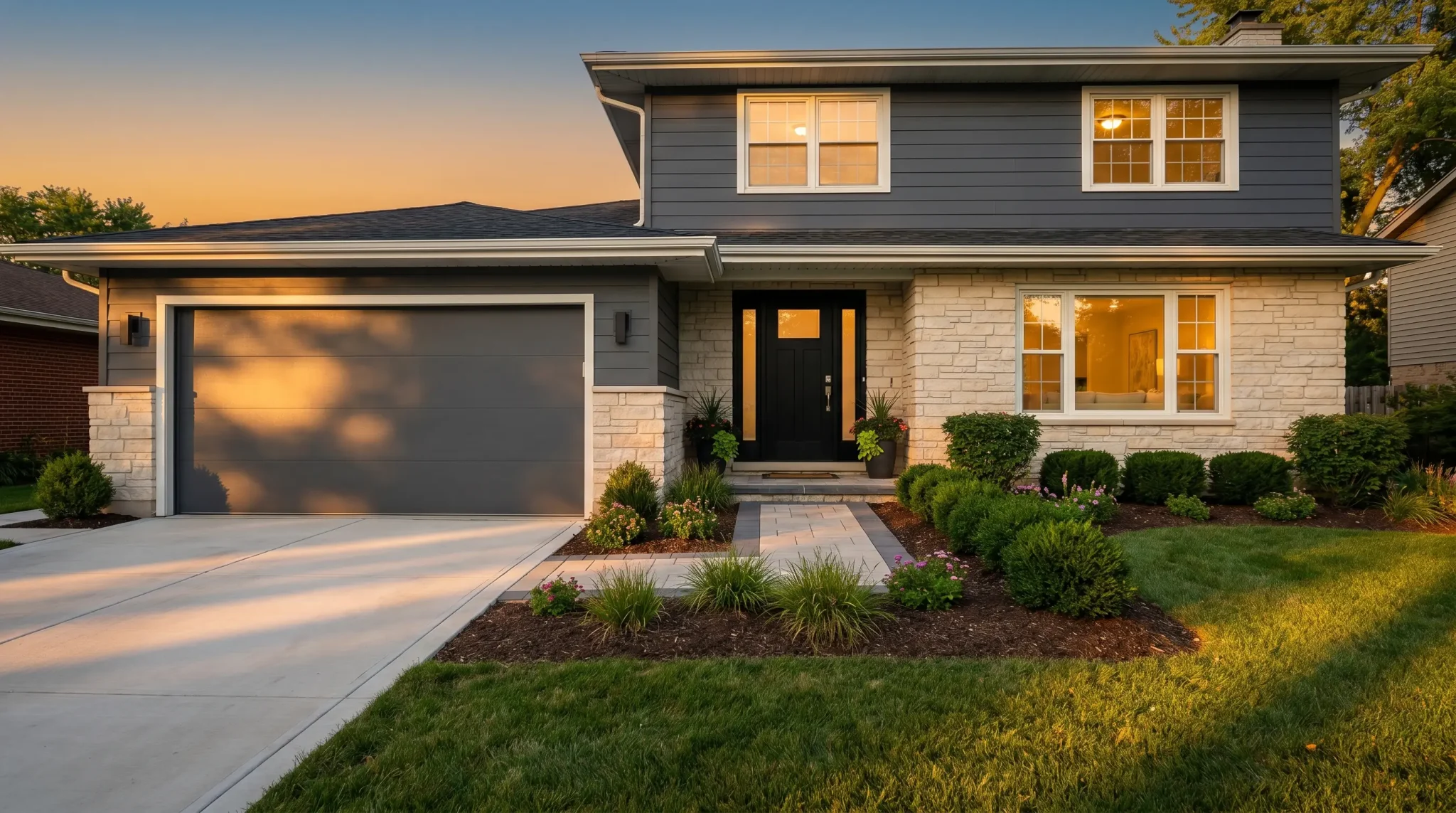
Stone veneer across the lower front of a house costs about $11,000 and adds roughly $22,880, a 208% return. The material reads as solid and permanent, which lifts the perceived quality of the whole exterior. Applied to the base of the front wall or around an entry column rather than the entire facade, it keeps the cost reasonable while delivering most of the visual effect. It pairs well with the door upgrades above, and it resists the weather better than the siding it usually replaces.
Minor Kitchen Update
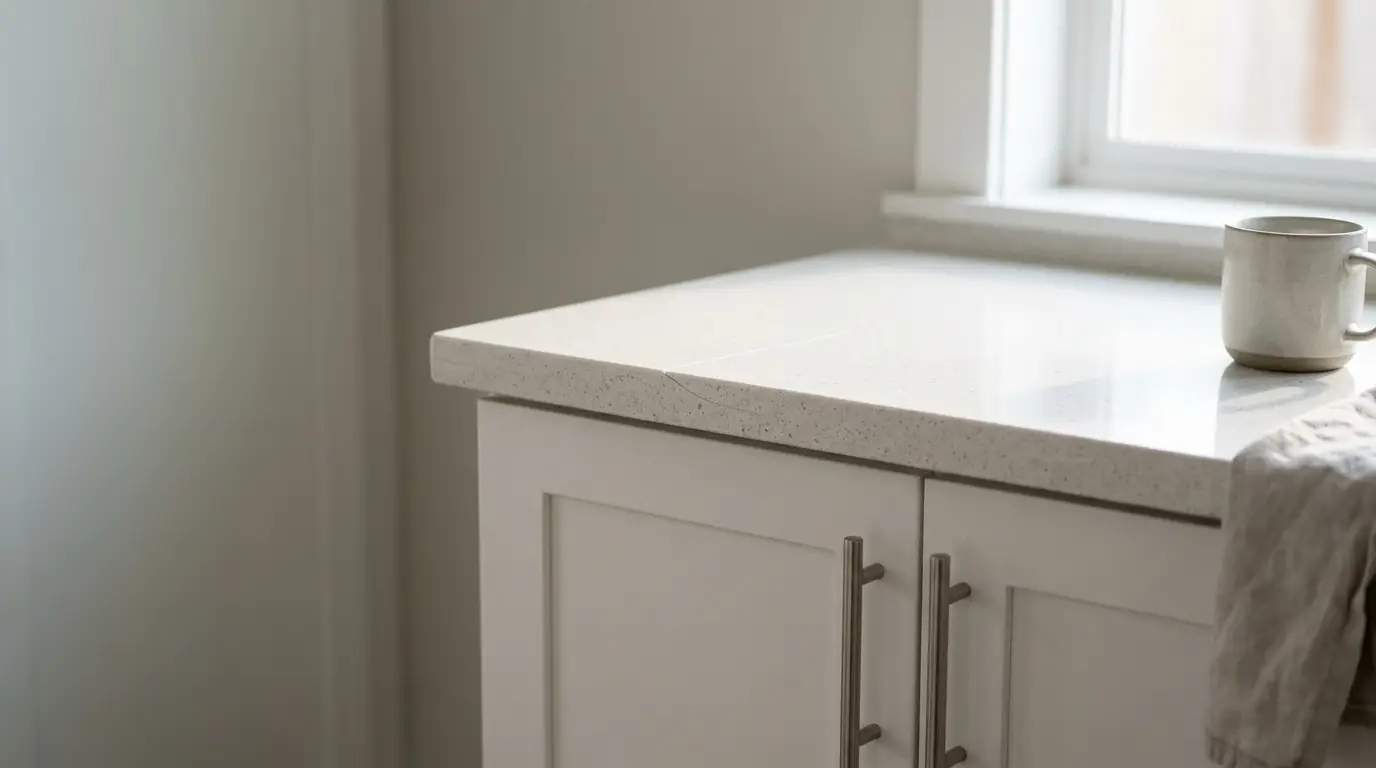
A full kitchen gut rarely pays off, recouping 38% to 50% of its cost. A minor update returns about 113%. New cabinet fronts, hardware, a fresh counter, and updated appliances reach most of the visual payoff at a fraction of the cost. The trap is over-customizing. A buyer rarely pays extra for a layout or finish chosen for one owner’s taste, so the safe play is a clean, current look that suits a wide range of buyers rather than a showpiece.
Refreshed Bathroom
A midrange bathroom remodel recoups roughly 70% of its cost, more than a kitchen of similar scale. Buyers notice dated tile and worn fixtures, and a current bathroom removes an easy objection. Refinishing rather than replacing the tub keeps the cost down while reaching the same effect. Good lighting and a working exhaust fan matter as much as the finishes, since a bright, dry bathroom photographs well and reassures a buyer that the room has been maintained.
Knowing the home’s current figure helps an owner decide how far to go. A home value estimator gives a baseline for the property as it stands, which makes it easier to judge which of the remaining features will earn back their cost. The exterior projects below tend to pay the most for the least outlay.
Fresh Exterior Paint
A new coat of exterior paint returns 51% to 55% of its cost and shortens the time a slow listing stays unsold. Faded or peeling paint reads as neglect and makes a buyer wonder what else was let go. Colour choice matters at the entry. A black front door has been linked to a perception bump worth as much as $6,000 in some estimates. Prep does most of the work here, so scraping, priming, and caulking before the topcoat decide how long the result lasts and how it looks in listing photos.
Energy-Efficient Windows
Energy-efficient windows cut heating and cooling costs and remove a common inspection complaint. The return at resale is near 65% to 70%, and the comfort gain helps a home show better in winter. In a cold market, triple-glazed units also cut outside sound and stop the condensation that warns of older, failing seals. Buyers treat efficient windows as a baseline expectation now, so old single-pane glass becomes a point a buyer uses to push the price down.
Curb Appeal and Landscaping
Homes with strong curb appeal sell for about 7% more than comparable houses with neglected fronts, and they sell faster. Tidy edging, fresh mulch, trimmed shrubs, a clean walkway, and strategically placed bulk sand and gravel cost little and change the first impression a buyer forms from the street. Nearly all agents rank curb appeal among the top factors in attracting offers. Most buyers now see the front of the house online before they ever visit, so the yard and entry decide if a listing earns a showing at all.
Smart Thermostat and Home Tech
Smart thermostats, a video doorbell, and a keyless lock cost a few hundred dollars together and read as current to younger buyers. None of these add large resale figures on their own, but they remove the sense that a home is dated and signal that the systems have been kept up. They also transfer with the property at no extra cost to the seller. Treat them as inexpensive polish rather than a value driver, and do not expect a thermostat to move an appraisal.
Neutral Interior and Staging
A neutral interior and light staging shorten time on market more than any single renovation. Staged homes have sold up to 73% faster in some studies. Removing clutter, repainting bold walls in soft tones, and arranging furniture to show space let a buyer picture their own life in the rooms. The cost is small next to the speed it buys, and a faster sale usually means fewer price cuts along the way. Even an empty home benefits from a few staged rooms that give a sense of scale.
The Pattern Behind the Returns
The pattern across the data is consistent. Exterior projects and small cosmetic updates return more than large interior remodels, and presentation shortens the sale. A seller with a limited budget does better spreading it across the door, the paint, and the yard than sinking it into one expensive room. Sequence the work from the street inward, fix the items an inspector will flag, and leave the rooms clean and neutral for photos. The features that add the most value are rarely the most expensive ones, which is the part most sellers get wrong.