
When to Schedule Pest Control Services: A Seasonal Guide for Homeowners
At A House in the Hills, we spend a lot of time talking about the details that make a home feel finished, from limewashed brick facades to the perfect living room layout. But a beautiful home is only as good as its foundation, and that includes what’s happening behind the walls and under the floorboards. Pests do not care how carefully you chose your paint color or curated your bookshelf styling. They care about warmth, food, and shelter, and your home offers plenty of all three depending on the season.
If you have ever noticed ants marching across a windowsill in spring or heard scratching in the attic once the weather turns cold, you already know that pest activity follows a calendar. Understanding that rhythm is the difference between a quick preventive treatment and a full-blown infestation that disrupts the calm, curated space you have worked hard to build. This guide walks through the year season by season so you know exactly when to pick up the phone.
Timing matters more than most homeowners realize. Scheduling pest control services at the right moments in the year can mean the difference between a minor treatment and a costly, disruptive infestation. The industry itself reflects this reality: the U.S. pest control market reached $13.4 billion in 2025, growing 6 percent year-over-year, largely because more homeowners are choosing scheduled prevention over emergency response. Below is a season-by-season breakdown to help you plan ahead rather than react.
Spring: The Critical Prevention Window (March-May)
Late March or early April is widely considered the best time to schedule a preventive pest treatment, and for good reason. This window coincides with the start of pest season for the majority of species nationwide, meaning ants, termites, and other overwintering insects are just beginning to emerge and search for food sources. Treating before populations establish themselves is far more effective, and far cheaper, than trying to eliminate a colony that has already settled into your walls or foundation.
Spring treatments typically target the pests that cause the most structural and nuisance damage: carpenter ants, termites, and early-season spiders. A professional treatment applied in this window creates a protective barrier around your home’s perimeter before these pests have a chance to move indoors looking for warmth or moisture. Homeowners who wait until they actually see pests are almost always paying more for a reactive treatment than they would have for a proactive one scheduled a few weeks earlier.
Summer: Active Management and Outdoor Threats (June-August)
By summer, pest activity is at its peak, and this is when regional differences become especially noticeable. In the Southeast, for example, ant infestations affect 61 percent of homes, cockroaches show up in 36 percent, and fleas appear in 32 percent, numbers that reflect the warm, humid conditions those pests thrive in. If you live in a region with these patterns, summer service visits are not optional extras, they are essential maintenance.
This is also the season when mosquito and stinging insect control becomes a priority, particularly for anyone who spends time on a deck, patio, or backyard entertaining area. Wasp nests can grow surprisingly fast in a matter of weeks, and mosquito populations explode after any period of standing water. Because so much pest pressure builds up during these months, summer often requires a reactive treatment layered on top of your spring prevention plan, especially if you notice increased activity around outdoor lighting, trash areas, or standing water.
Fall: Sealing and Exclusion Before Winter (September-November)
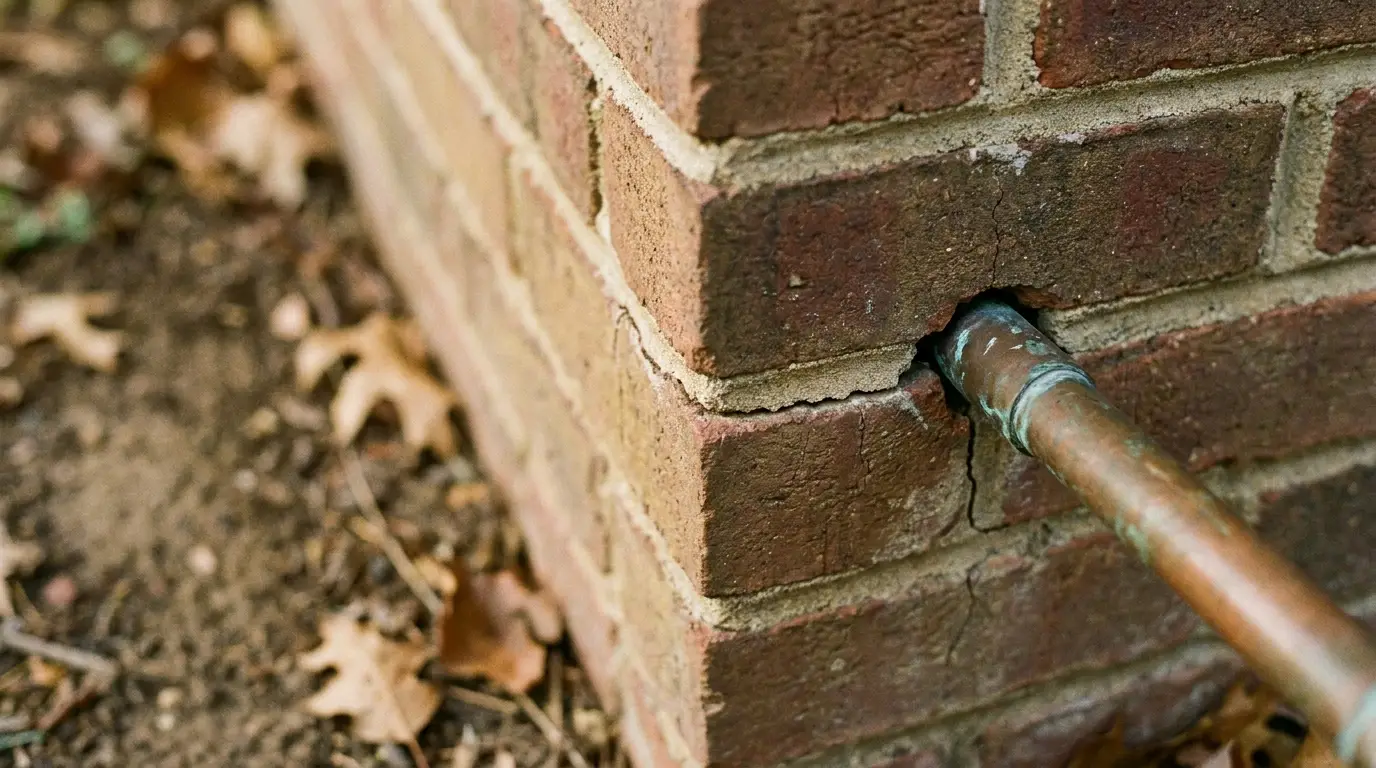
As temperatures start to drop, pests shift their focus from breeding to survival, and that means they start looking for a way indoors. Rodents and spiders are the two biggest fall concerns, with mice being a particularly persistent problem in colder regions. In the Northeast, for instance, 35 percent of homeowners report mouse encounters, a statistic that lines up almost perfectly with the seasonal shift toward indoor shelter-seeking behavior.
Fall is the ideal time to focus on exclusion work: sealing gaps around utility lines, repairing damaged weatherstripping, and closing off any cracks in the foundation or siding. According to the EPA, the most effective way to prevent infestations is to cut off pests’ access to food, water, and shelter, and sealing entry points does exactly that. If your home has decorative brick or masonry, this is also a good moment to inspect for gaps, something we cover in more detail in our piece on before and after limewash brick transformations, since refreshed mortar lines can double as a pest barrier.
Winter and Year-Round Maintenance
Winter shifts the battle indoors. Once pests have found a way into your walls, attic, or basement, they tend to stay put until spring, which is why late fall exclusion work matters so much. Indoor threats during winter typically include rodents, cockroaches, and occasionally overwintering stink bugs or spiders that snuck in during the fall. Regular inspections during these colder months help catch small problems before they become expensive ones.
This is also where the case for quarterly service plans becomes clear. Most quarterly pest control formulations lose effectiveness within 60 to 90 days, which is why four visits per year are generally recommended to maintain consistent protection rather than relying on a single annual treatment. It is no surprise that 85 percent of residential pest control revenue now comes from recurring service plans rather than one-time visits, reflecting a broader shift toward prevention over reaction. The table below summarizes the key figures worth keeping in mind as you plan your own schedule.
|
Statistic |
Detail |
| Market Growth (2025) | U.S. pest control industry reached $13.4 billion, up 6% year-over-year |
| Treatment Effectiveness | Quarterly formulations lose effectiveness within 60-90 days; four visits yearly maintain protection |
| Regional Variation | Southeast: 61% ant, 36% cockroach, 32% flea rates; Northeast: 35% mouse encounters |
| Optimal Spring Timing | Late March to early April offers the best ROI for preventive treatment |
| Recurring Revenue | 85% of residential pest control revenue comes from ongoing service plans |
Approaching pest control on a seasonal schedule rather than waiting for a visible problem protects both your home’s structure and your budget over the long run. Just as you would not wait until a wall is crumbling to touch up paint or repair brickwork, it makes little sense to wait until pests are visibly inside before addressing them. A little planning each season keeps your home comfortable, protected, and ready for whatever design project you take on next.