
How to Handle a Mouse Problem Before It Takes Over Your Home
You can have a stylish, comfortable home and still end up sharing it with uninvited guests. Mice don’t care whether your place is a city apartment, a suburban remodel, or a carefully designed dream house. They’re drawn to warmth, food, and quiet hiding spots. Once they settle in, the problem usually grows faster than people expect. If you want to protect your space without panic or guesswork, it helps to know what you’re dealing with from the start.
Decide When DIY Stops Being Enough
A few traps might handle a very small, early problem, but there’s a point where DIY methods stop being practical. If you keep finding droppings after cleaning, hear movement in multiple rooms, or notice signs in walls, attic spaces, or crawl spaces, the infestation is likely larger than it appears.
That’s when professional help becomes the smarter move. A proper mice removal service can identify entry points, locate nesting areas, remove active infestations, and help reduce the chance of a repeat issue. That level of precision matters because mice rarely stay out in the open where the average trap is easy to place.
Professional support is especially useful if you have kids, pets, or a layout with hard-to-reach areas. It saves you from treating symptoms while the actual source keeps operating behind the scenes like a tiny criminal network.
Spot the Early Signs Before the Problem Escalates
Mice are small, but they leave a very noticeable trail when you know what to look for. You might find tiny droppings in drawers, along baseboards, or near pantry shelves. You may hear light scratching inside walls at night, usually when everything else is quiet.
Chewed food packaging is another common clue. Mice can squeeze through absurdly small gaps, so even a neat kitchen isn’t automatically safe. A musky odor may also show up in enclosed spaces like cabinets or under sinks.
Watch for nesting materials too. Shredded paper, bits of insulation, and fabric scraps often mean they’re building a base camp somewhere hidden. If you notice more than one sign, you’re probably not looking at a single mouse doing a solo tour of your home.
Know the Risks Beyond the Basic Annoyance
A mouse problem is more than an irritating household surprise. Mice can contaminate food and surfaces with droppings and urine. That raises sanitation concerns, especially in kitchens, pantries, and anywhere food is prepared or stored.
They can also damage your home in ways that aren’t obvious right away. Mice chew constantly to keep their teeth worn down, and that includes wood, drywall, insulation, and electrical wiring. Chewed wires can become a serious fire hazard, which moves the issue from unpleasant to genuinely dangerous.
There’s also the speed of reproduction to consider. One small issue can turn into a much bigger infestation in a relatively short time. Waiting too long often means more hidden nests, more contamination, and a tougher cleanup. Mice tend to multiply while you’re still deciding whether the sound in the wall was “probably nothing.”
Start With Smart Prevention and Basic Home Fixes
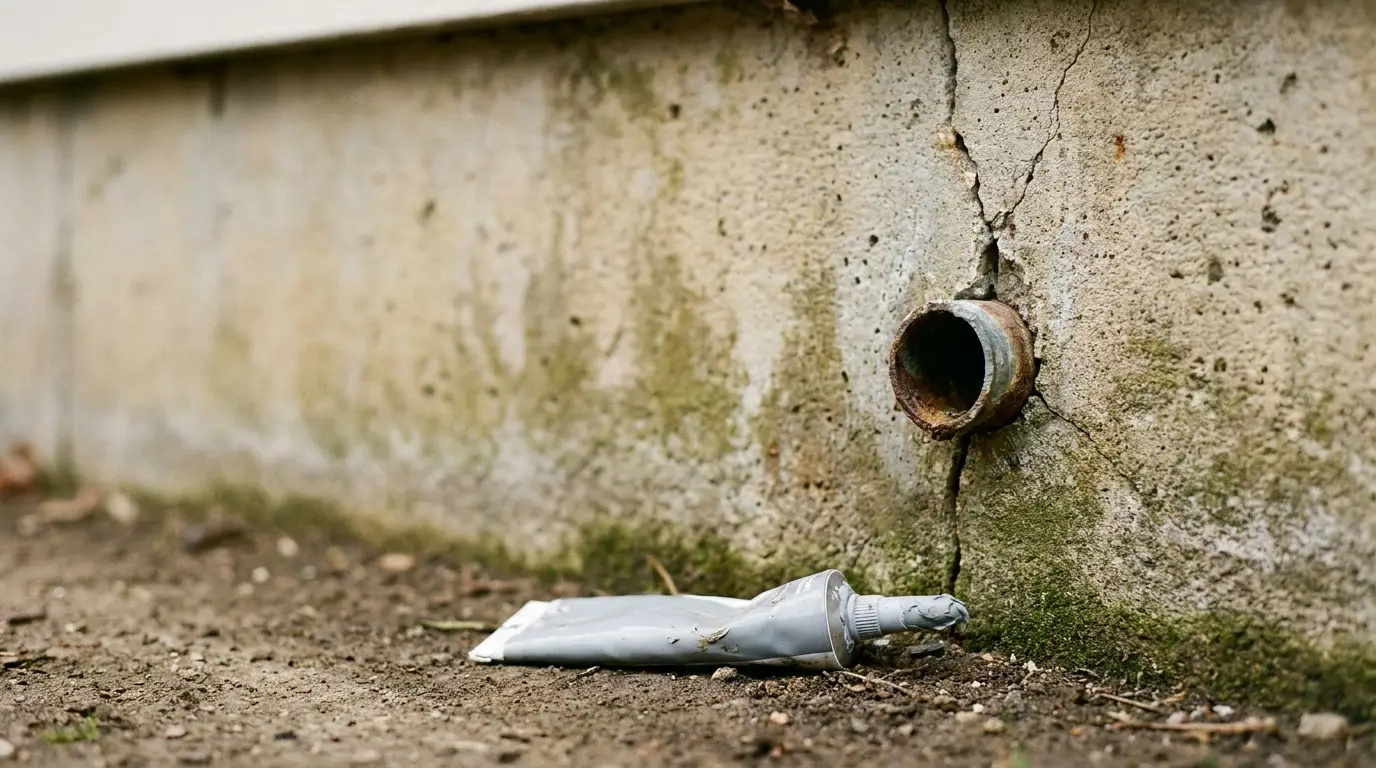
If you want to make your home less attractive to mice, start with access points. Inspect the exterior for cracks, holes around pipes, gaps under doors, and damaged screens. Even small openings matter. Seal them with durable materials that mice can’t chew through easily.
Next, tighten up food storage. Use sealed containers for dry goods, clean crumbs quickly, and avoid leaving pet food out overnight. Fix plumbing leaks and reduce moisture in basements, laundry rooms, and under sinks.
Pay attention to landscaping as well. Overgrown shrubs, stacked firewood, and dense vegetation close to the house can give mice protected routes inside. Indoors, reduce clutter in storage areas so there are fewer nesting opportunities.
Prevention won’t solve every existing infestation, but it changes the conditions that helped it begin. That makes every next step more effective and helps stop repeat visitors from settling in.
Ask the Right Questions Before Hiring Help
Not all pest or wildlife services approach mice the same way. Before hiring anyone, ask how they inspect the property, what removal methods they use, and whether they include exclusion work to block future entry. Removal without prevention is basically a sequel waiting to happen.
You should also ask whether cleanup or sanitation guidance is part of the service. Droppings and nesting debris need careful handling, not a quick sweep and hopeful attitude. Find out if follow-up visits are included and whether the company explains what they found in plain language.
Look for a team that treats the issue as a home systems problem, not just a trap-placement exercise. The strongest services combine inspection, removal, sealing, and prevention advice. That gives you a clearer path back to a healthy living space instead of a temporary patch job.
Clean Up Safely and Reset Your Home
After removal, cleanup matters almost as much as the infestation itself. Avoid vacuuming or dry sweeping fresh droppings, since that can stir contaminated particles into the air. Use gloves, disinfect the area first, and follow safe sanitation steps for any affected surfaces.
Check pantry goods, linens, stored paper items, and insulation in problem areas. Some materials may need to be thrown out if they’ve been contaminated or chewed. It’s annoying, but keeping damaged items can invite lingering odor and future pest attention.
This is also a good time to reset your habits. Store food better, keep utility areas less cluttered, and schedule occasional home checks around vents, foundations, and attics. A mouse problem often exposes weak spots in how a home is maintained. Fixing those weak spots gives your space a stronger defense long-term.
Keep Your Home Comfortable, Healthy, and Mouse-Free
A well-designed home should feel calm, clean, and secure. Mice disrupt all three fast. The key is responding early, staying observant, and treating the issue as both a health concern and a property maintenance problem.
You don’t need to become a rodent expert overnight. You just need a clear plan. Learn the signs, reduce the attractants, seal the entry points, and bring in professional help when the problem moves beyond a simple fix.
A mouse infestation can start quietly, but it rarely stays small if ignored. With the right approach, you can protect your home’s comfort and avoid the kind of hidden damage that gets expensive later. Your house should be your sanctuary, not a shared lease with whiskers.