Townhouse vs Apartment: Key Differences, Costs, and How to Choose
You’ve found two listings you like. One is a townhouse. The other is an apartment. The rent looks similar, but everything else feels very different. Before you sign a lease, you need to understand the real differences between the two. Not just on paper, but in everyday life.
This complete article covers every key area in the townhouse vs apartment debate. We break down space, noise, total monthly cost, privacy, and which option works best for your life and budget.
What Is a Townhouse?
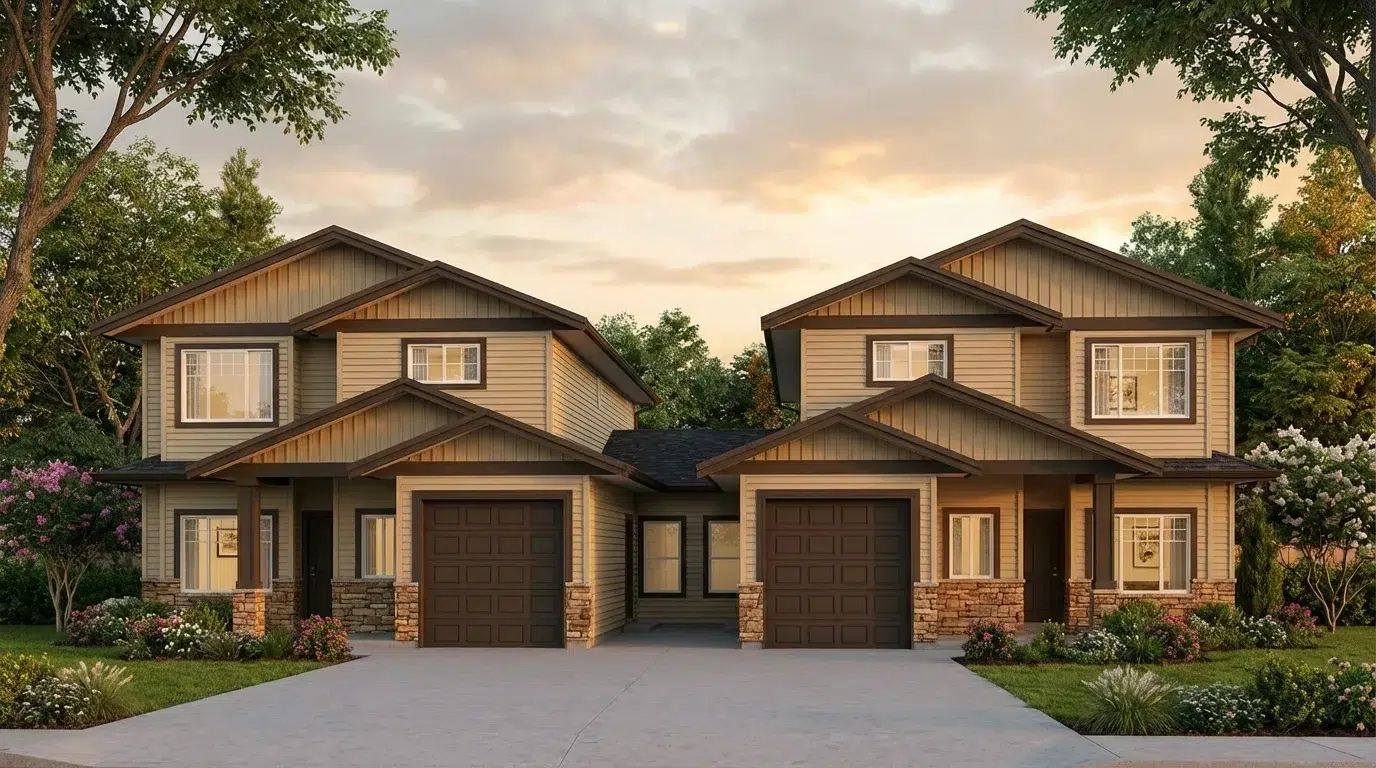
A townhouse is a multi-level home that shares one or two side walls with adjacent units. It has its own private front door opening directly outside, separate from any shared hallway. Most townhouses span two or three floors and often include a patio, small yard, balcony, or an attached garage.
- Spans two or three floors, with living areas on the ground floor and bedrooms above
- Has a private exterior entrance with no shared hallways or lobbies
- Often includes a patio, small yard, balcony, or an attached garage
- Frequently governed by a Homeowners Association (HOA) that sets community-wide rules
What Does HOA Mean for Renters?
An HOA, or Homeowners Association, manages the rules and shared costs within a residential community. It covers landscaping, parking, exterior appearance, shared amenities, and noise standards. If you rent a townhouse, the landlord usually pays the HOA fee directly. But you still must follow its rules.
HOA rules for renters commonly cover:
- Parking spots and restrictions on guest parking
- Quiet hours and noise levels
- Pet size, breed, and where animals may go outdoors
- How you use and maintain any private outdoor area
- Trash and recycling placement
Before signing: Ask your landlord for the HOA rules and documents that apply to tenants, including pet, parking, noise, and amenity policies. Review your renter rights through the U.S. Department of Housing and Urban Development (HUD).
What Is an Apartment?
An apartment is a self-contained unit inside a larger building or complex. It sits on a single floor and shares walls, and often ceilings and floors, with neighboring units.
Residents share a building entrance, hallways, and elevators with others in the building. The landlord or property management company handles maintenance, repairs, and building upkeep. The daily experience for a renter is mostly hands-off.
Townhouse vs Apartment at a Glance
Both types of housing can work well, depending on your priorities. The table below puts the most common comparison points side by side for a quick look at the key differences.
|
Feature |
Townhouse |
Apartment |
|---|---|---|
|
Floors |
2 to 3 levels |
Single level (usually) |
|
Entrance |
Private exterior door |
Shared hallway or building entrance |
|
Neighbors |
Side walls only; no one above or below |
Shares walls, ceiling, and floor with neighbors |
|
Outdoor Space |
Often includes patio, yard, or balcony |
Shared or none |
|
Parking |
Garage or driveway common |
Shared lot or permit; extra cost is common |
|
Maintenance |
Tenant may handle yard and exterior tasks |
Usually managed by landlord or management company |
|
Cost |
Higher in most markets |
Lower entry point in most markets |
|
Amenities |
Private (patio, garage, yard) |
Shared (gym, pool, lounge) |
|
HOA Rules |
Common |
Rare |
|
Privacy Level |
Higher |
Lower |
Key Differences Between a Townhouse and an Apartment

The biggest differences between townhouses and apartments come down to space, privacy, amenities, and maintenance. Here is how each one affects daily living.
1. Space and Layout
Townhouses usually spread across two or three floors, with living areas downstairs and bedrooms above. This creates more separation between sleeping, working, and social spaces.
Apartments are usually on one level. They can feel more compact and convenient, but they offer less separation between different parts of the home.
2. Noise and Privacy
Townhouses usually share one or two side walls but have no neighbors directly above or below. This can reduce common noise issues like footsteps overhead or sound coming through the floor.
They also typically have a private entrance, so hallway traffic is lower. Apartments often share walls, floors, and ceilings with nearby units, which means noise can travel from more directions.
3. Amenities
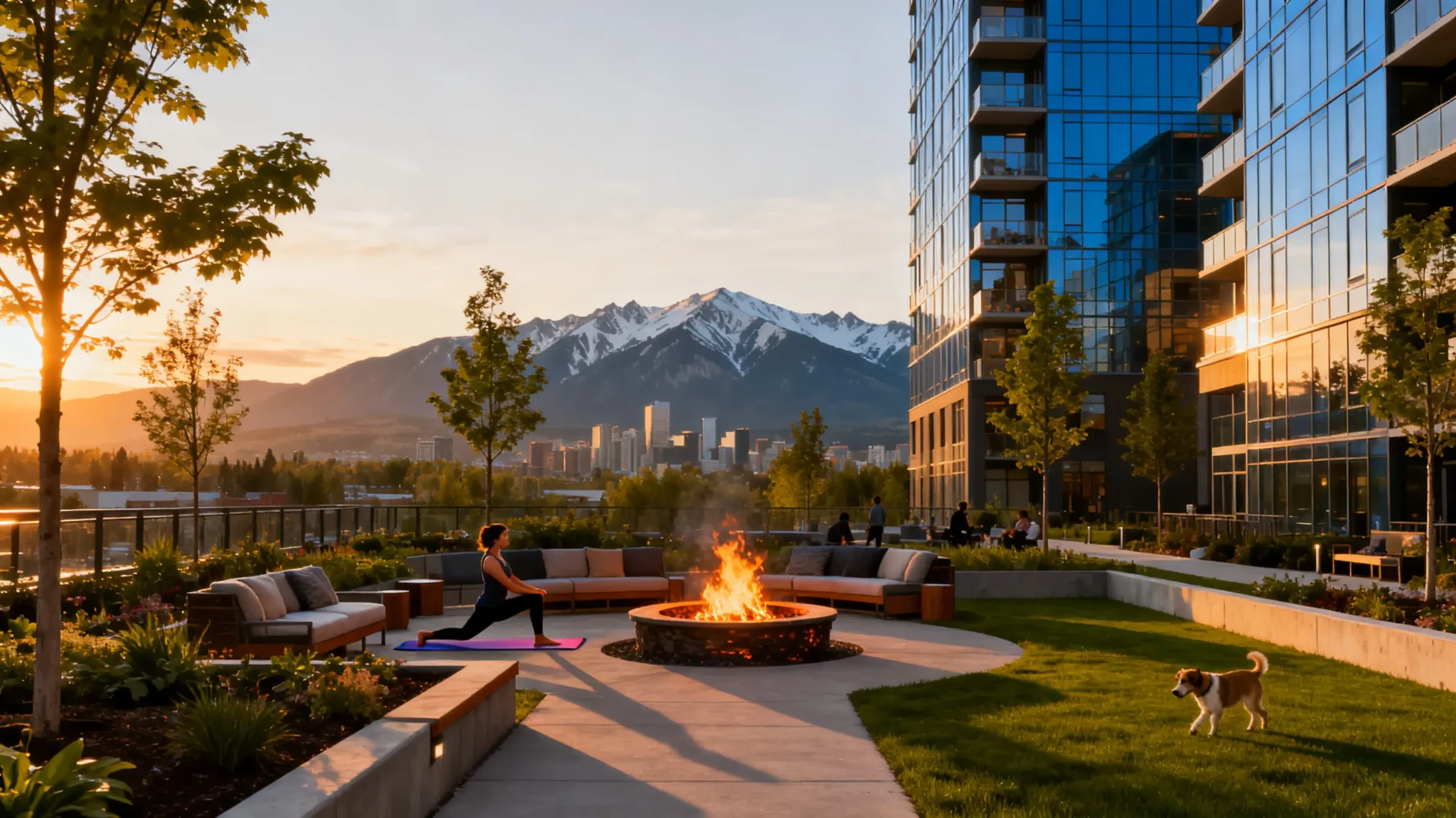
Apartments often include shared amenities such as gyms, pools, package lockers, and lounges.
Townhouses may offer fewer shared facilities, but they often come with private features such as a patio, small yard, balcony, driveway, or garage. The better option depends on which features you will actually use.
4. Maintenance and Upkeep
In most apartments, the landlord or property manager handles repairs, plumbing, appliances, and building maintenance.
Townhouse renters may have more responsibilities, especially for yard care or minor exterior upkeep. These responsibilities vary by lease, so check who handles each type of maintenance before signing.
Townhouse vs Apartment Cost Comparison
The listed rent is just one part of your monthly housing cost. To see the real cost difference, you need to account for every line item in your budget.
|
Cost Item |
Townhouse |
Apartment |
|---|---|---|
|
Base Monthly Rent |
Higher on average; often 40–60% more than a comparable apartment |
Lower on average; more accessible entry-level pricing |
|
Parking |
Often included (garage or driveway) |
Extra monthly fee common ($50–$200 in many U.S. cities) |
|
Heating & Cooling |
Higher; more square footage to heat and cool |
Lower; smaller, more compact unit |
|
Pet Fees |
Often more flexible; HOA rules still apply |
Monthly pet rent common ($25–$75+); deposits required |
|
Commute Costs |
Often suburban; higher transport or fuel costs |
Closer to transit hubs; lower daily commute cost |
|
Outdoor Maintenance |
Tenant may be responsible for yard and exterior tasks |
Handled by management; no extra cost to tenant |
|
HOA or Amenity Fees |
Landlord pays HOA; often built into rent price |
Luxury buildings sometimes charge amenity or move-in fees |
Price data: Housing costs vary widely by location and property type. Zillow reports a typical U.S. rent of about $1,962 as of July 2026. Compare local rent, parking, utilities, pet fees, and other monthly costs before choosing between a townhouse and an apartment.
Townhouse vs Apartment: Which Is Better for Your Lifestyle?

The right choice depends on how you live day to day. Below is a breakdown of which option tends to work better for specific types of renters and buyers.
- For Families with Kids: A townhouse is usually the better choice for families because it offers more space, privacy, and easier access to outdoor areas.
- For Remote Workers and Home Office Users: A townhouse works better for remote workers who need a separate room or floor for a dedicated home office.
- For Pet Owners: A townhouse is often more convenient for pet owners because of its private entrance and easier outdoor access.
- For Singles or Young Professionals: An apartment is often a better fit for singles who prefer lower costs, convenient locations, and shared amenities.
- For People Who Move Often: An apartment is usually better for frequent movers because lease terms are often more flexible.
Townhouse vs Apartment for Renters vs Buyers
The comparison looks quite different for renters and for buyers. The factors that matter most are not the same for both groups.
If you are renting, your main concerns are monthly cost, maintenance responsibility, lease flexibility, and daily comfort. Renting a townhouse feels closer to renting a house. It works well for people who need more room but are not ready to buy.
If you are buying, the comparison shifts toward long-term value. Buying a townhouse means you own both the structure and the land it sits on. Townhouses tend to appreciate over time, similar to single-family homes.
Buying an apartment as a condominium means you own the unit, but you share the building structure with other owners. You pay monthly HOA fees toward shared building costs, and your control over the exterior is limited.
For first-time buyers, townhouses can qualify for FHA loans through HUD. These loans require a lower down payment than a conventional mortgage. This makes townhouses more accessible for first-time buyers who cannot yet afford a detached home.
Townhouse vs Apartment: Questions to Ask Before You Sign
The right questions before you sign can save you from real surprises after move-in day. The list below is split by property type.
For a Townhouse, Ask:
- Which walls are shared with neighboring units?
- Who handles lawn care, snow removal, and exterior maintenance?
- What HOA rules apply directly to tenants?
- Is parking included, and where exactly is it located?
- What are the most common noise complaints in this community?
For an Apartment, Ask:
- Are any utilities included in the monthly rent?
- What is the parking situation, and is there a separate monthly fee?
- How quickly does the management team respond to maintenance requests?
- Are there any amenity fees or building fees beyond the base rent?
- How much noise typically comes through the walls in this specific unit?
For either type, visit the unit on a weekday evening, not just on a quiet Sunday morning. That gives you a much more accurate picture of daily noise and foot traffic.
Townhouse vs Apartment: Common Mistakes to Avoid
A few small mistakes can make a townhouse or apartment more expensive or less comfortable than expected. Check these common issues before signing a lease or making a final decision.
- Comparing rent only. Parking, utilities, pet fees, and commute costs can add hundreds of dollars per month. Run the full monthly number before deciding, not just the base rent on the listing page.
- Skipping the fine print in a townhouse lease. Townhouse leases often place more tenant responsibilities in the details. Read the full lease before signing, not just the first and last page. HOA rules are separate from the lease. They apply to you even though you did not negotiate them directly.
- Assuming the noise level from a single visit. Visit the unit at a busy time of day, not just a quiet Sunday afternoon. Ask the property manager about the most common complaints from current residents. The position of the unit in the building or community matters as much as the structure type itself.
- Assuming all townhouses are suburban. Many townhouse developments are in or near urban areas. Garden-style apartments are also common in suburban neighborhoods. Check the actual location and commute before ruling out either type. Do not assume all townhouses are far from the city or that all apartments are in dense urban cores.
Choosing Between a Townhouse and an Apartment
Choosing between a townhouse vs. an apartment comes down to what matters most to you right now. If space, a private entrance, and less neighbor noise are your main priorities, a townhouse is the better fit.
If lower costs, shared amenities, and lease flexibility matter more, an apartment makes more sense.
Neither choice is wrong. Your priorities decide which one works for you. The right one fits your budget, your daily routine, and your plans for the next year or two.
Frequently Asked Questions
Can a townhouse be considered an apartment?
No. A townhouse is usually a multi-level home with a private entrance, while an apartment is a unit inside a larger building.
Is it cheaper to live in an apartment or townhouse?
Apartments are generally cheaper to rent, while townhouses usually cost more because they offer more space and privacy.
Can you hear neighbors in a townhouse?
Yes, noise can travel through shared side walls, but townhouses usually have less noise than apartments because no one lives above or below.
Is it a good idea to live in a townhouse?
Yes, if you want more space and privacy without the higher cost of a detached home.
Why are townhouses harder to sell?
They can attract fewer buyers because of HOA rules, shared walls, and less outdoor space than detached homes.